13 winter habits that cut energy bills without freezing
Reviewed by Sonia Abu Bakar✓, MSc Botany
By Abu Bakar Saadat7 min readPublisher: Saadat Rafiq
Last updated: 8 November 2026References
 Illustration
On this page 10 sections
In short
One person wants 22°C, another keeps turning it down, and the back door is open again. Here are 13 habits that cut the bill, with the Energy Saving Trust's numbers and the NHS line not to cross.
At a glance
- Biggest easy win
- Thermostat down 1°C: about £120 a year (GB)
- Don't go below
- 18°C in rooms you use, if you can (NHS)
- Baby's room
- 16 to 20°C with a sleep bag (Lullaby Trust)
- Cheapest jobs
- Draught-proofing strips, a chimney excluder, LED bulbs
- Drying washing
- Rack, not radiator, with the room ventilated
- Checked
- November 2026
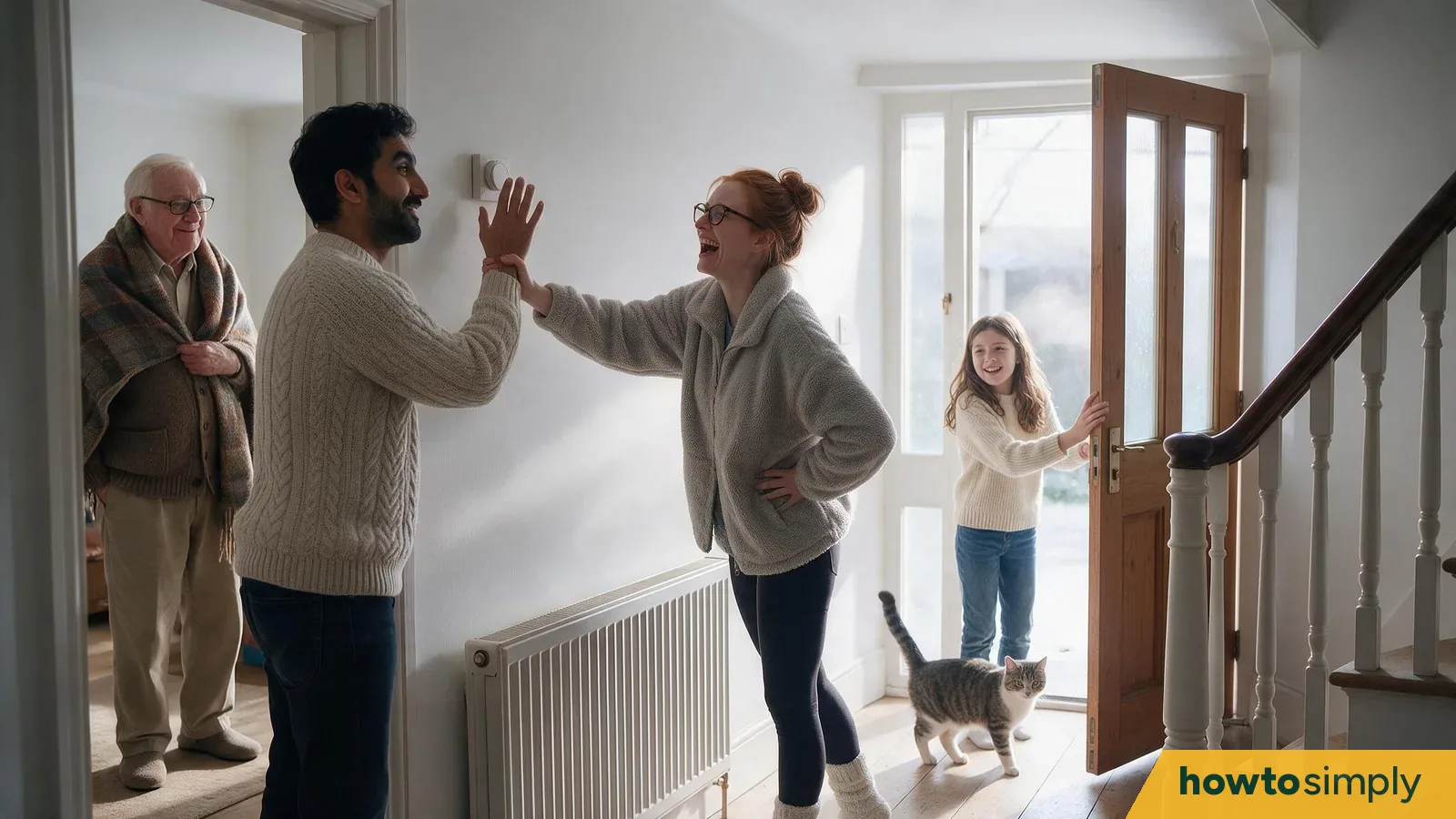
The first cold snap of November. Hamid sets the heating to 22°C. Sophie puts it back to 19°C every time he leaves the room. Zara keeps opening the back door for Mittens the cat, and Grandad Bill, who lives with them and has a heart condition, is under a blanket in his chair.
Heating is most of a winter energy bill, so small changes add up. Below are 13 habits, with Energy Saving Trust (EST) savings estimates for a typical home in Great Britain where they exist. Yours will vary. Some people need the house warmer than others, so the safety items come first.
Safety first
1. Keep the rooms you use at 18°C or more if you can
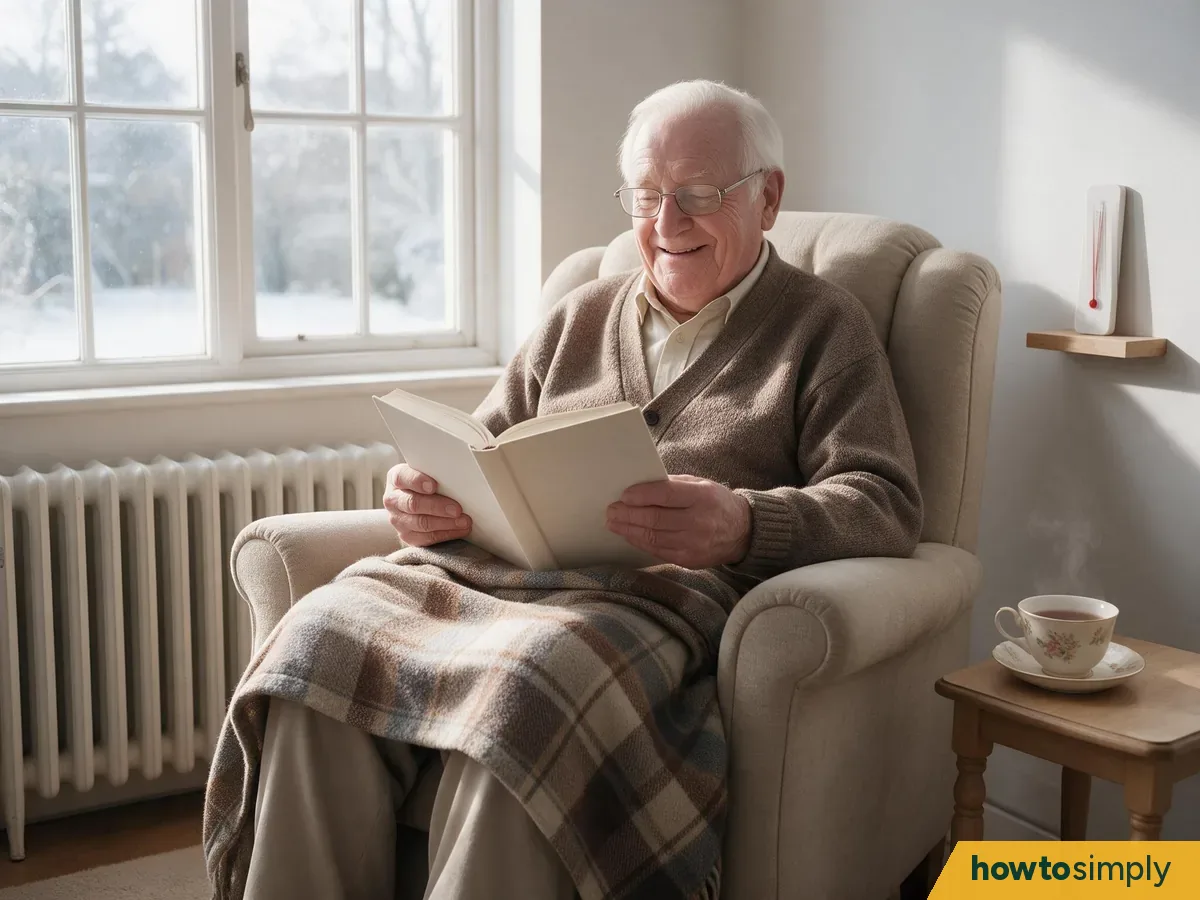
The NHS advice is to heat the rooms you use regularly, like the living room and bedroom, to at least 18°C if you can. It matters most for people who are 65 or over, or who have a long-term health condition such as heart or lung disease. Grandad Bill's room stays at 18°C or above, whatever the thermostat argument downstairs. The NHS also says to keep bedroom windows closed at night in winter.
2. Get the baby's room right, and dress the baby for it
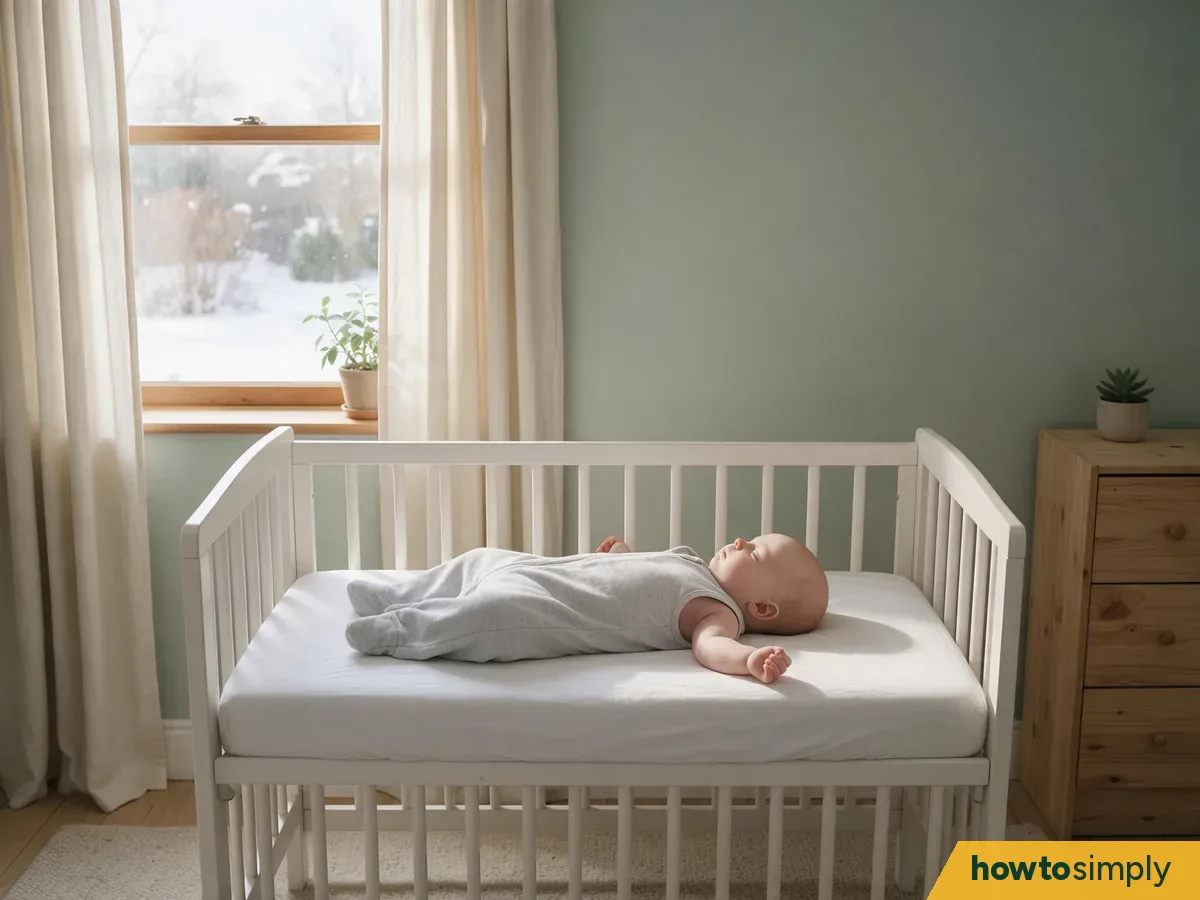
The Lullaby Trust says a baby's room should be 16 to 20°C, with the baby in a lightweight, well-fitting sleep bag or light bedding. Too hot is a risk as well as too cold, so a cheap room thermometer is worth having. Don't turn the nursery radiator off to save money.
The thermostat
3. Turn the thermostat down one degree
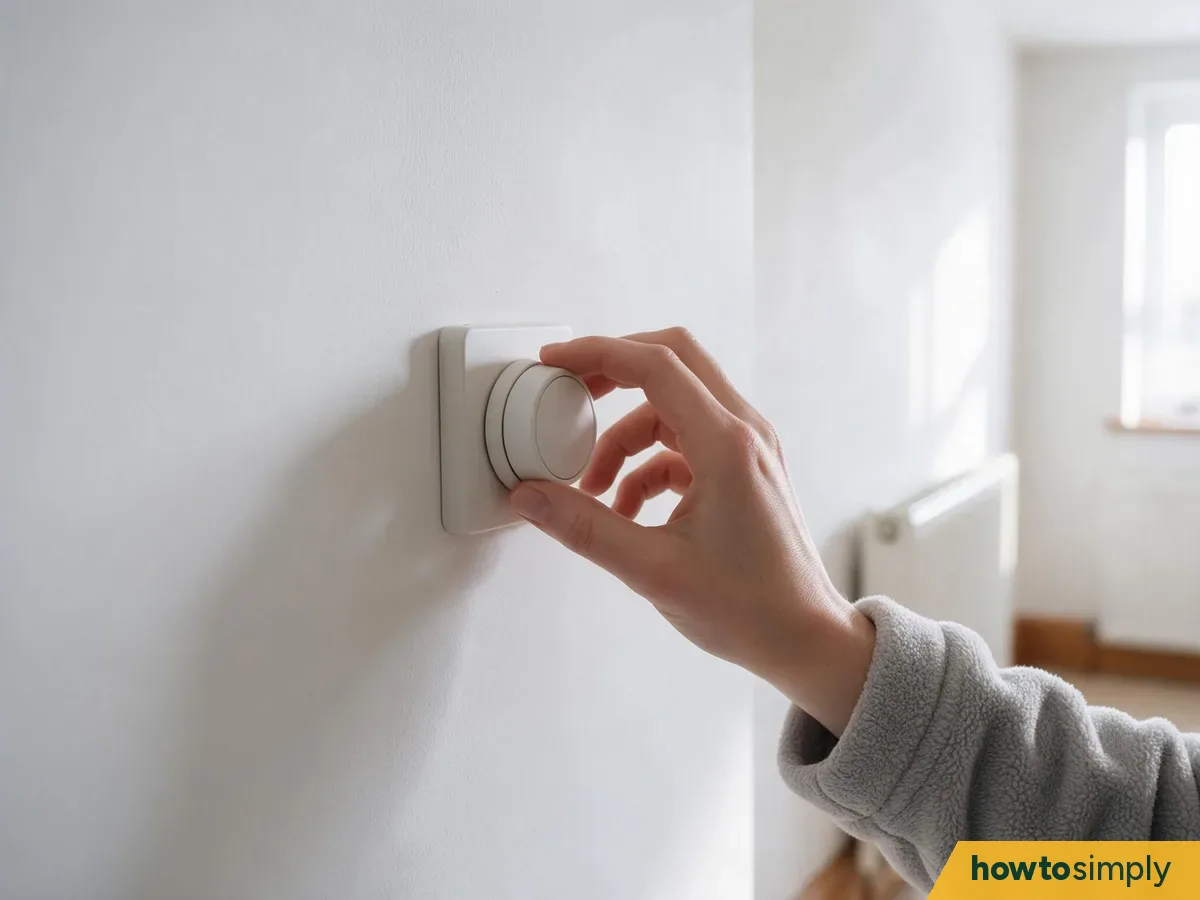
The EST says turning the thermostat down from 22°C to 21°C saves about £120 a year in Great Britain, or £80 in Northern Ireland. Its advice is to set the lowest temperature you're comfortable at, which is 18 to 21°C for most people. Hamid and Sophie settled on 20°C downstairs, and a jumper.
Try saying: "Let's pick one number together and both leave it alone for a week."
4. Use the radiator valves, not just the thermostat
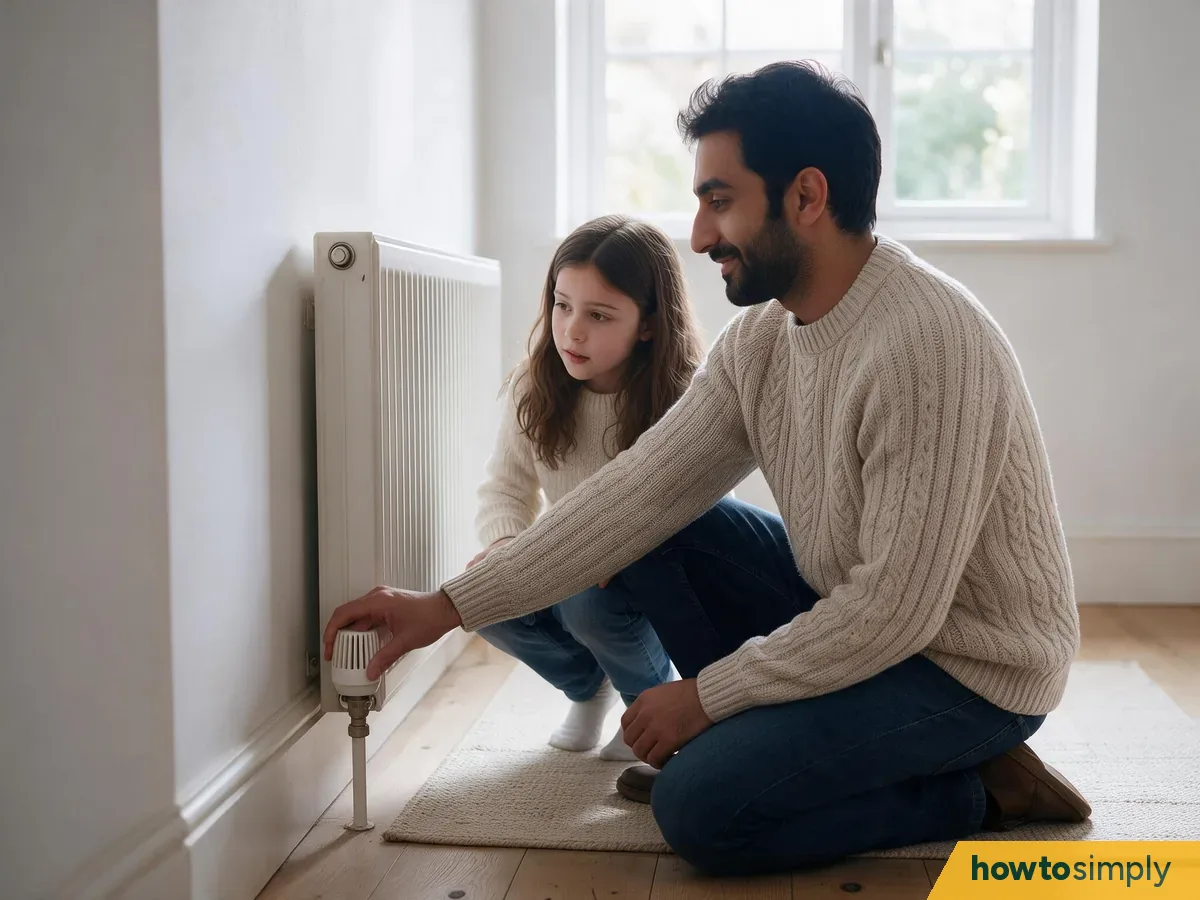
Thermostatic radiator valves (TRVs) are the numbered dials on the side of many radiators. Lower numbers mean a cooler room. The EST suggests setting each one to the lowest setting that keeps that room comfortable, so a spare bedroom can sit lower than the living room. A full set of heating controls (a timer, a room thermostat and TRVs) can save a semi-detached home about £100 a year in Great Britain, says the EST. Our guide to setting a boiler timer covers the timer part.
Stop the heat escaping
5. Draught-proof the windows and doors
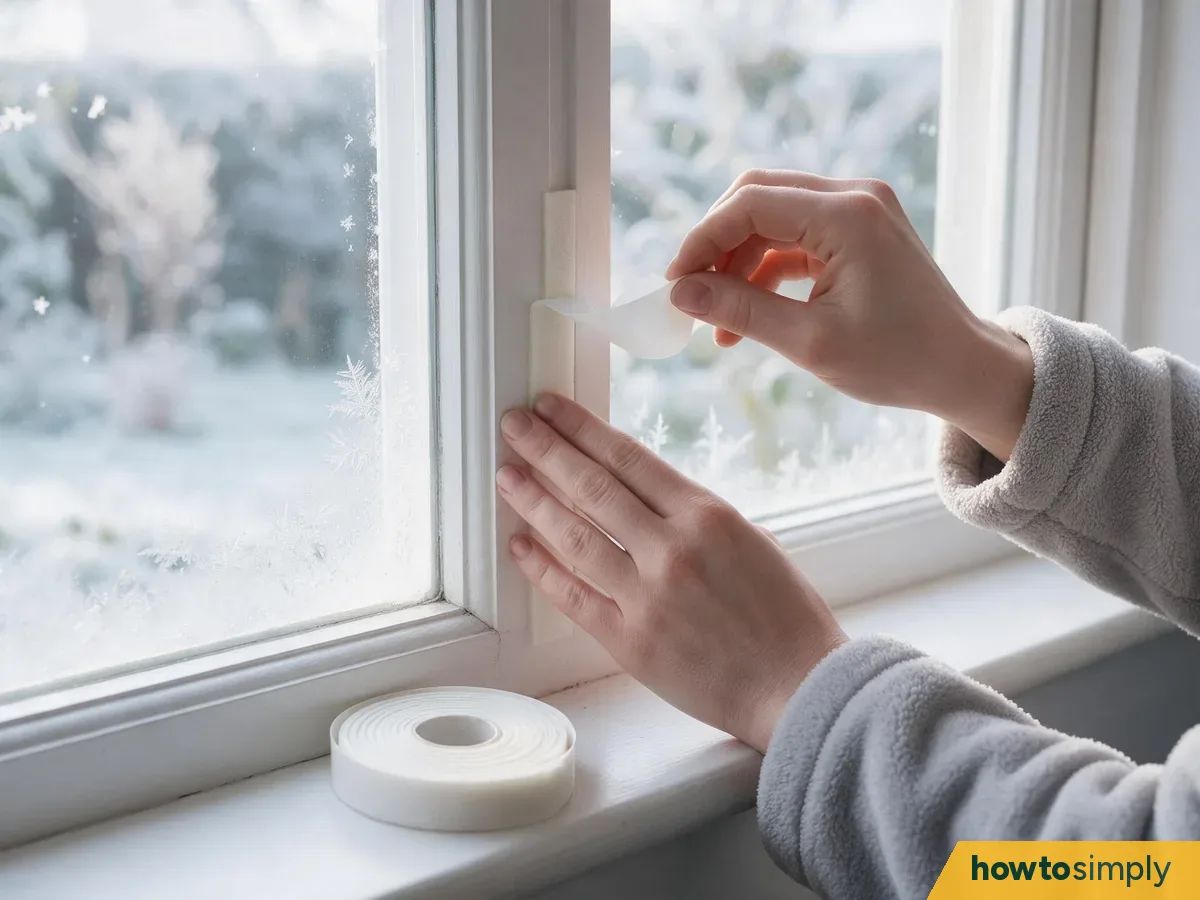
Self-adhesive foam strips around the frame of an opening window are the cheap version. Brush or wiper strips cost more but last longer. Get the size right: too big and the window won't shut, too small and the gap stays. The EST puts the saving from draught-proofing windows and doors at about £25 a year in Great Britain and £40 in Northern Ireland. Don't cover trickle vents or air bricks, and don't add draught-proofing to a room that already has a condensation problem. Our guide to stopping condensation and mould explains why.
6. Block a chimney you don't use
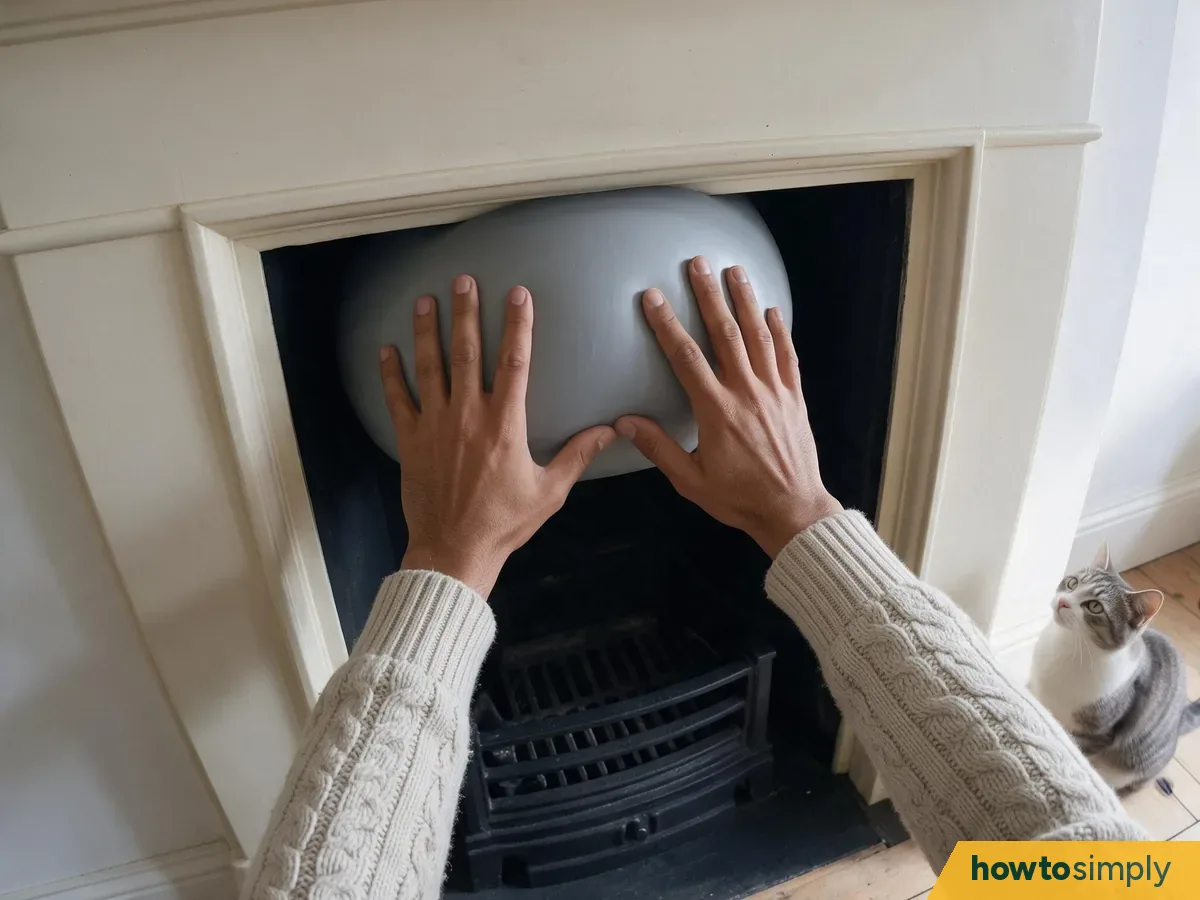
An open chimney you never light lets warm air straight out of the room. A chimney draught excluder costs about £25 and saves about £45 a year in Great Britain (£60 in Northern Ireland), according to the EST. It shouldn't block the chimney completely, because the room still needs some ventilation. Take it out before you ever light a fire.
7. Close the curtains at dusk, and the doors behind you
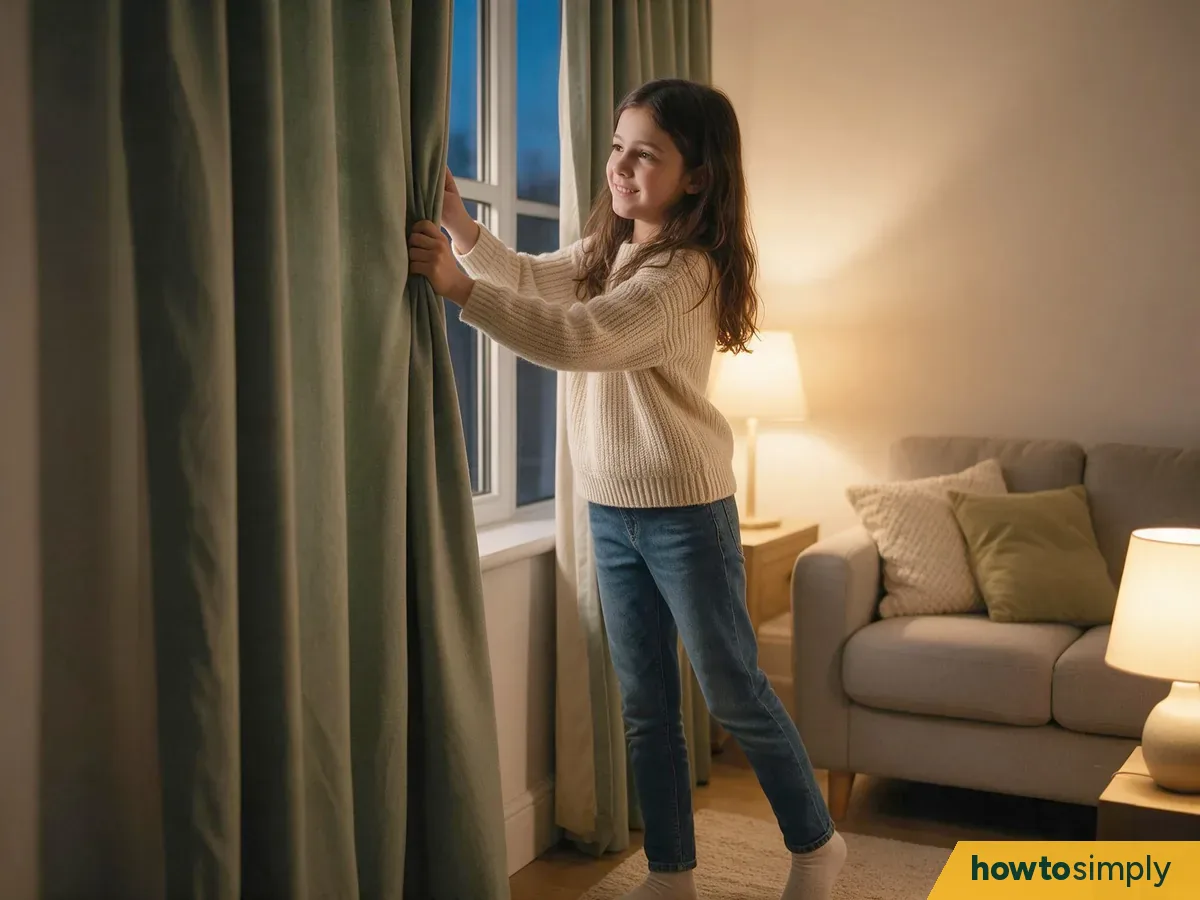
NHS advice is to draw the curtains at dusk and keep doors closed to keep draughts out. The EST adds that doors to rooms you don't heat should stay shut, so the cold doesn't spread. Zara is now in charge of the curtains, and the cat waits by the door like everyone else.
8. Make a draught excluder for the bottom of the door
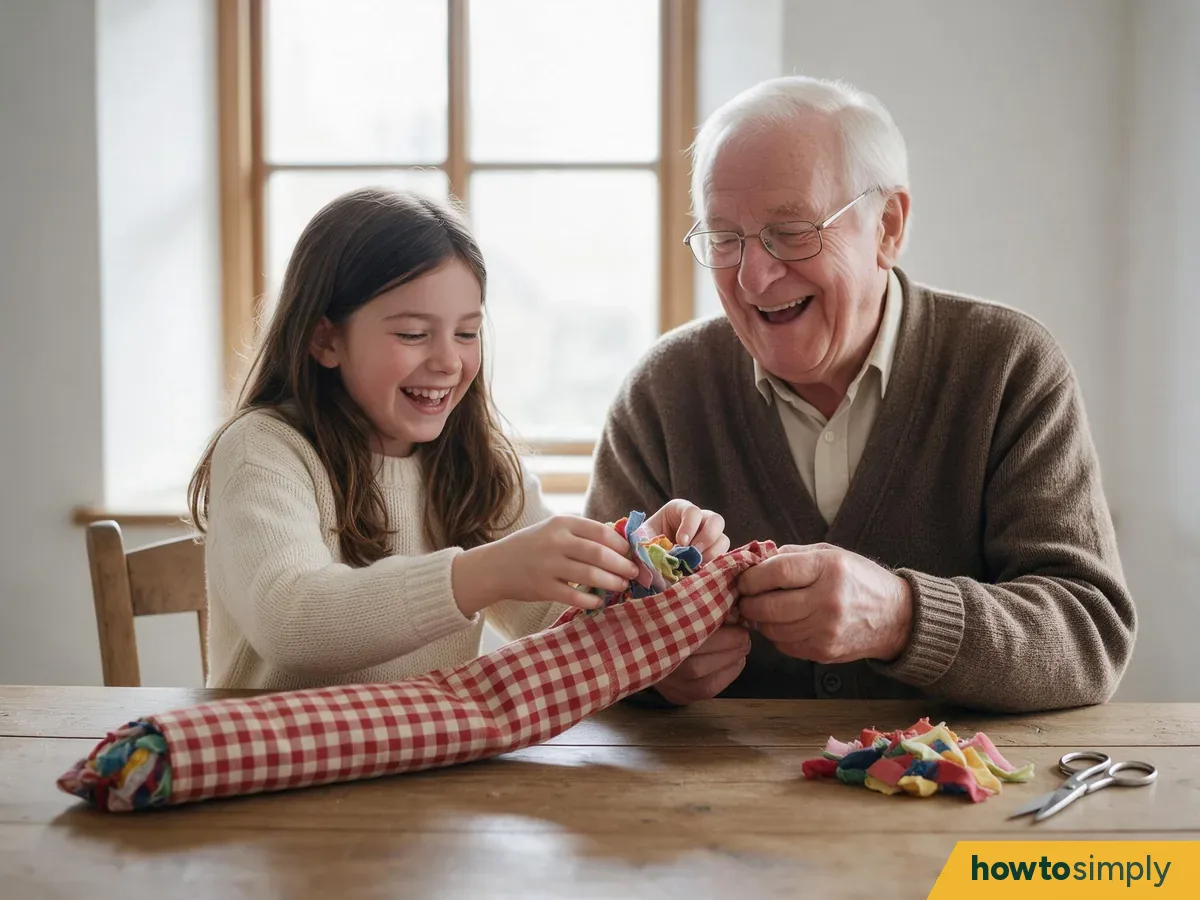
If there's a gap under a door, the EST suggests a draught excluder, and says you can make one stuffed with used plastic bags or spare material. An old pair of tights or a sleeve from a worn-out jumper works as the tube. Sew one end shut before you fill it. For outside doors, a brush strip at the bottom and a letterbox brush (about £5) do the same job.
Use less electricity
9. Swap the old bulbs for LEDs
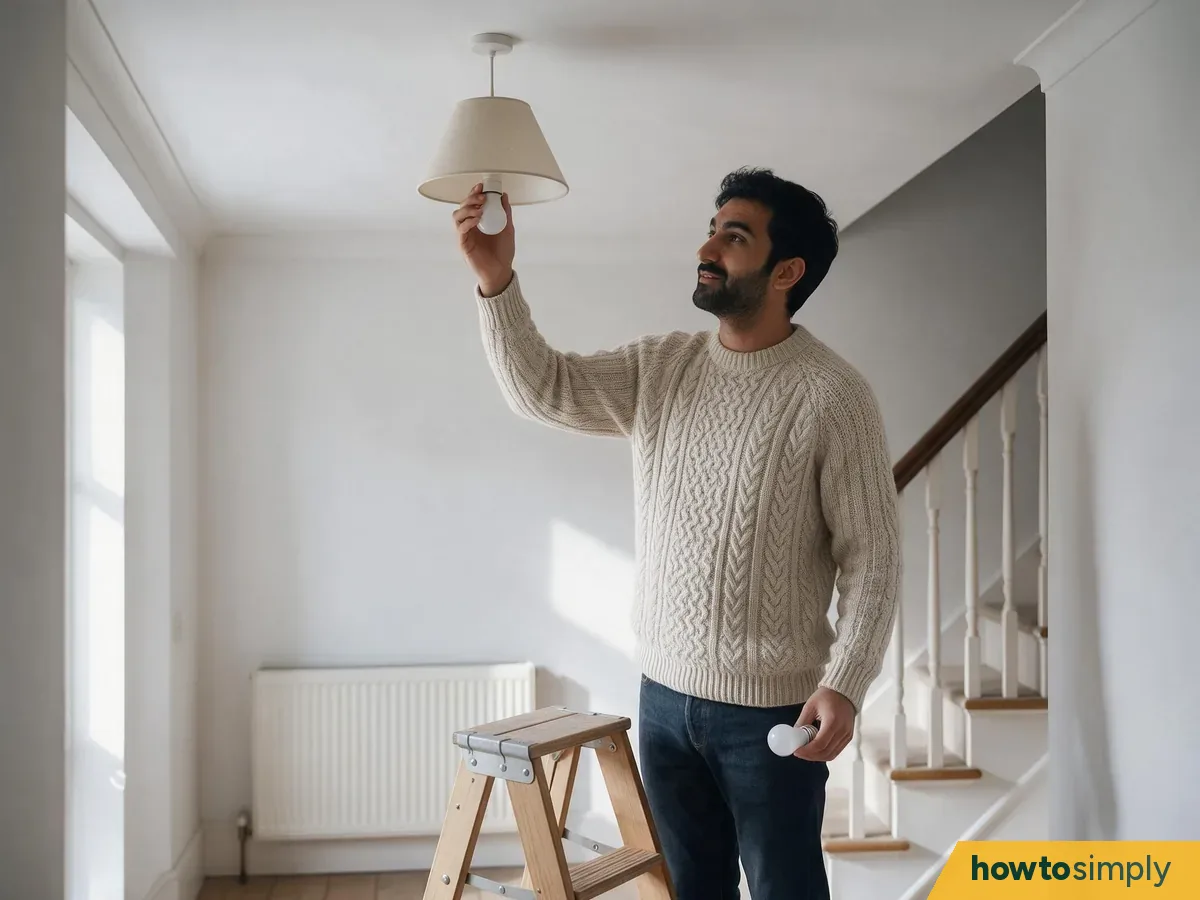
The EST says swapping all your halogen bulbs for LEDs costs about £18 and saves about £45 a year in Great Britain (£55 in Northern Ireland). Switch the light off first and let the old bulb cool before you touch it.
10. Put a jacket on the hot water cylinder
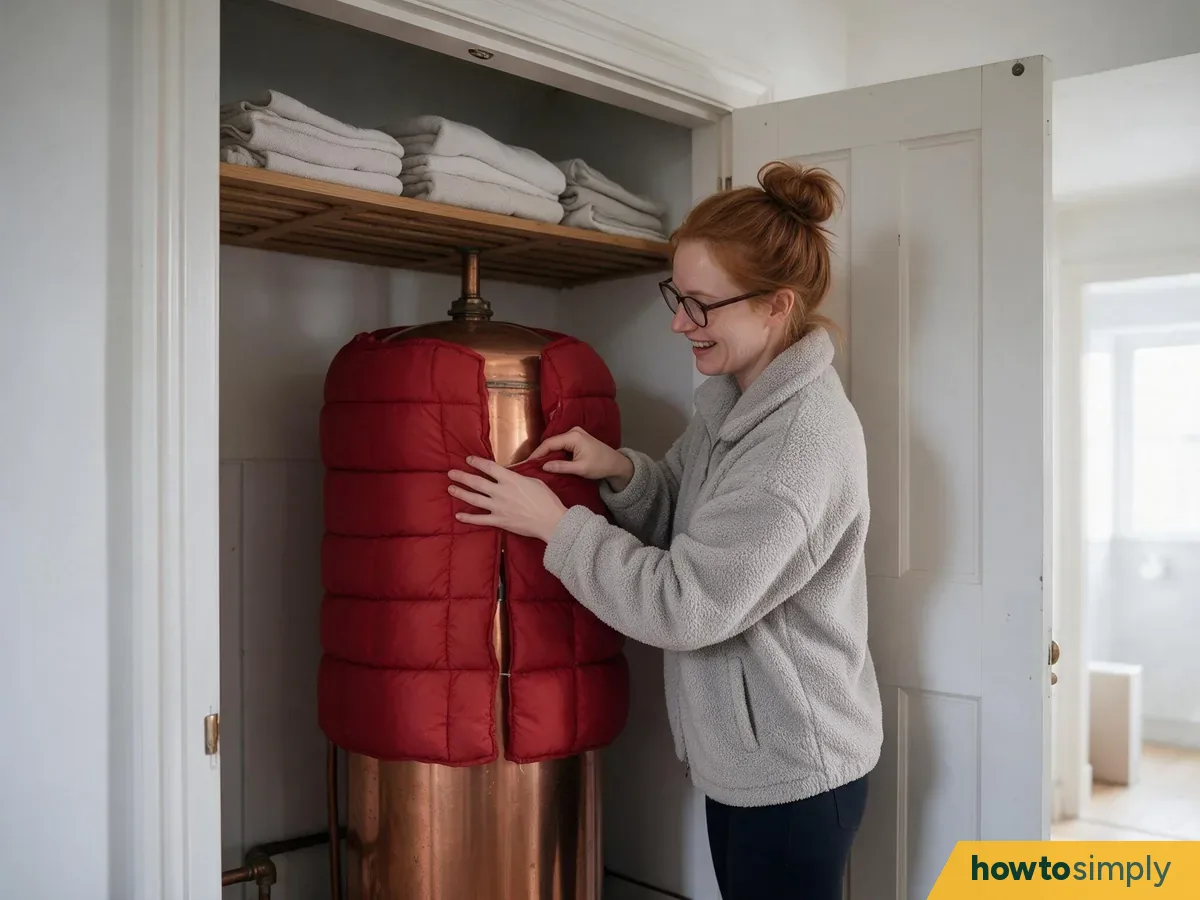
If you have a hot water tank with thin or no insulation, a cylinder jacket costs about £30 and saves about £45 a year in Great Britain, says the EST. Aim for at least 80mm of insulation. Homes with a combi boiler don't have a tank, so skip this one.
11. Dry washing on a rack, not in the tumble dryer
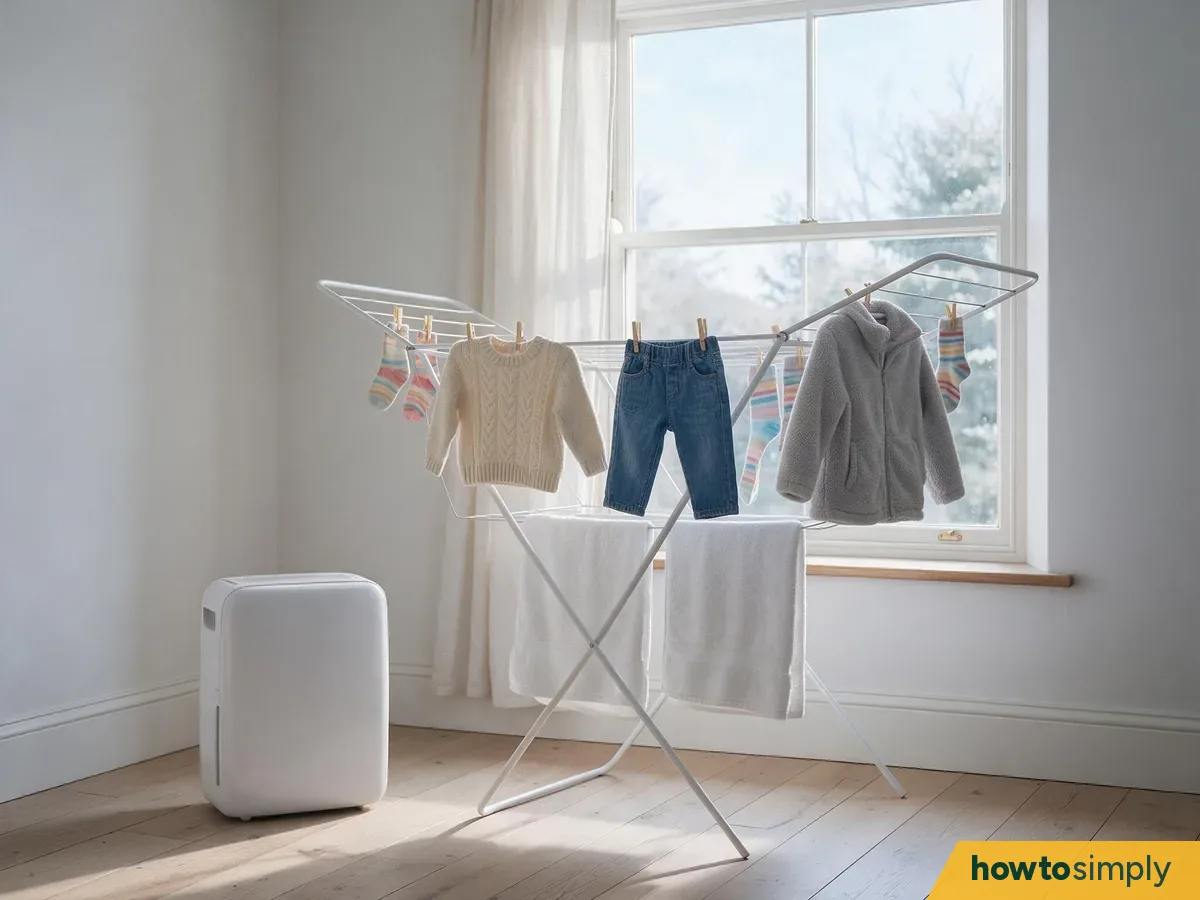
A rack costs nothing to run. The catch is moisture: a load of wet washing puts a lot of water into the air. The EST says to keep the room ventilated, and a dehumidifier can help with drying washing inside. Don't drape clothes over the radiators. If you already have a damp problem, see our condensation and mould guide first.
Stay warm for less
12. Warm the person, not only the room
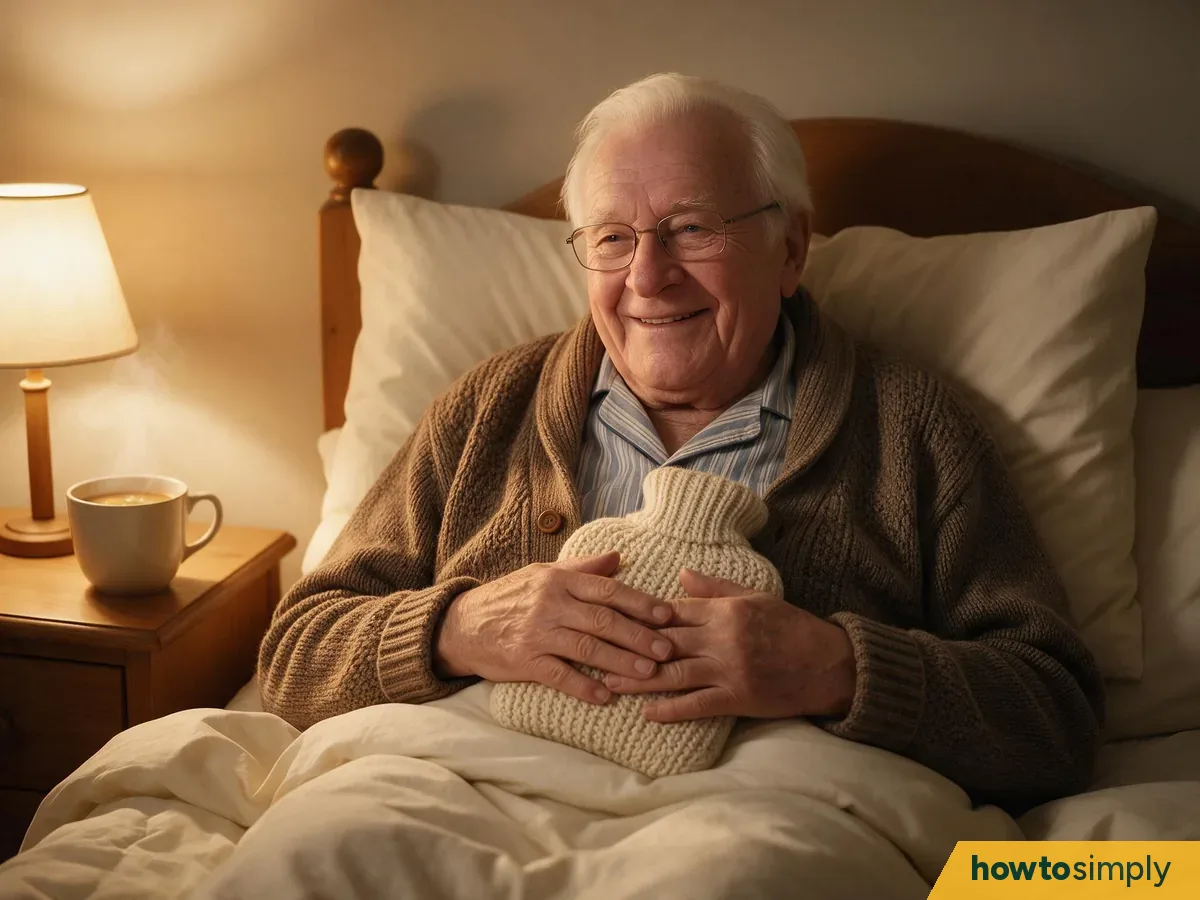
NHS winter advice includes at least one hot meal a day, regular hot drinks, and layers. In bed, use a hot water bottle or an electric blanket, but never both at the same time. Grandad Bill has his hot drink and his hot water bottle, and Hamid has stopped touching the thermostat.
13. Check what help you can get, and check on the neighbours
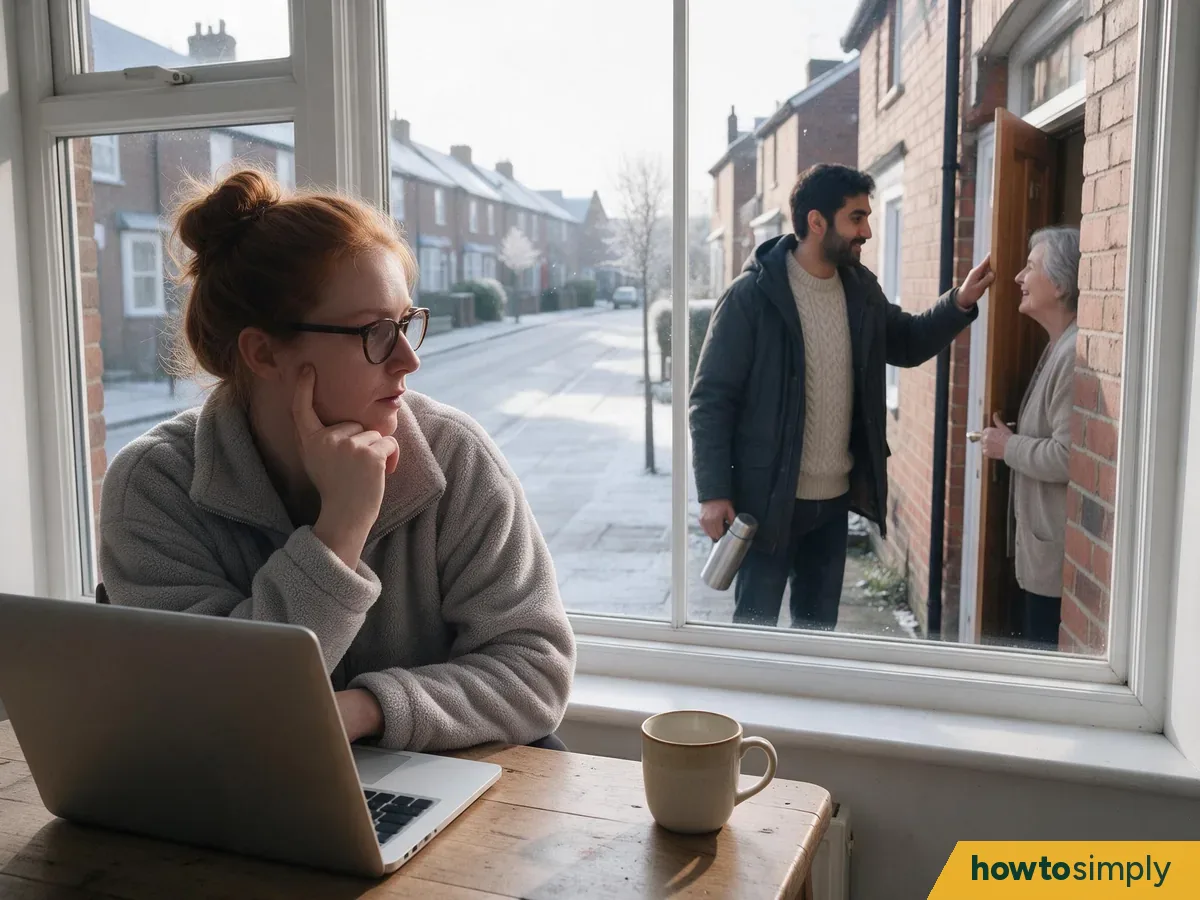
There are schemes and benefits for help with heating costs, especially for people on low incomes. The NHS points to the government's free energy advice line on 0800 444 202 and to checking which benefits you're entitled to. It also asks people to look in on older or vulnerable neighbours and relatives in cold weather. Age UK's free advice line is 0800 678 1602, 8am to 7pm every day.
What each habit saves
| Habit | Rough cost | Saving a year (GB) | Saving a year (NI) |
|---|---|---|---|
| Thermostat down 1°C (22 to 21) | Free | About £120 | About £80 |
| Full set of heating controls (semi-detached) | About £600 fitted | About £100 | About £110 |
| Chimney draught excluder | About £25 | About £45 | About £60 |
| LED bulbs throughout | About £18 | About £45 | About £55 |
| Hot water cylinder jacket | About £30 | About £45 | About £35 |
| Draught-proofing windows and doors | About £2 a metre of strip | About £25 | About £40 |
All figures are Energy Saving Trust estimates for a typical home. They don't simply add up, because each saving changes the others.
Winter bills checklist
- Anyone 65 or over, or with a heart or lung condition, has rooms at 18°C or more.
- The baby's room is between 16 and 20°C.
- The thermostat is one degree lower than last winter.
- Draughts around windows and doors are blocked, and the vents are still clear.
- Curtains close at dusk and unheated rooms stay shut.
- We've checked what help with heating costs we can get.
If this doesn't work
- The house is still cold with the heating on: a radiator that's cold at the top may need bleeding (how to bleed a radiator), and low boiler pressure can stop the heating working.
- Windows stream with condensation: open them for a few minutes each day and look at our condensation guide before adding more draught-proofing.
- Someone is very cold, confused or drowsy: call 111 for advice, or 999 in an emergency. The NHS also says to get gas appliances checked by a Gas Safe registered engineer, and a working carbon monoxide alarm is worth having.
Your turn: who in your house sneaks the thermostat up, and who sneaks it down? Tell us in the comments.
Questions readers ask
What temperature should I keep my house in winter?
The Energy Saving Trust says the lowest temperature you are comfortable at, which is 18 to 21°C for most people. The NHS says to heat the rooms you use to at least 18°C if you can, especially if you are 65 or over or have a health condition.
How much does turning the thermostat down by 1°C save?
The Energy Saving Trust estimates about £120 a year in Great Britain and £80 in Northern Ireland, going from 22°C to 21°C in a typical home. Your saving depends on your home and your tariff.
What temperature should a baby's room be?
The Lullaby Trust says 16 to 20°C, with the baby in a lightweight, well-fitting sleep bag or light bedding. A cheap room thermometer takes the guesswork out of it.
Is it OK to dry washing indoors in winter?
Yes, but it puts a lot of moisture into the air. Use a rack rather than the radiators, and keep the room ventilated or run a dehumidifier so it doesn't turn into damp and mould.
Did this solve the problem?
What needs work?
What did you think?
Reaction counts are loading.
Spotted a mistake? If a step is unclear or a picture is inaccurate, tell us the step number and what needs correcting. Email us about this page or use the contact form. We read every report, and fixes are listed on What changed.
Liked this article?
Follow us for new articles and short how-to videos.
Sources
We use primary, official and specialist sources appropriate to the topic.
- NHS: Keep warm, keep well
- North Cumbria Integrated Care NHS Foundation Trust: Advice on how to keep warm and well this winter
- The Lullaby Trust: Room temperature
- Energy Saving Trust: How to improve the EPC rating of your home
- Energy Saving Trust: Five things you should do to prepare your home for winter
- Energy Saving Trust: Eight quick DIY jobs to save energy
- Energy Saving Trust: How to draught-proof your windows and doors
- Energy Saving Trust: Home appliances and energy efficiency ratings
- Energy Saving Trust: How to get rid of damp