What to do in a power cut
Check whether the neighbours or street lights are out, then look at the trip switch in your fuse box. Report a wider cut to the company that runs the power lines (105 in Great Britain), unplug delicate electronics, keep the fridge and freezer shut, and use torches rather than candles.
Researched by Abu Bakar SaadatPublished 29 October 2026Last changed 17 November 2026Verified 17 November 2026Version 7See all changes
On this page 14 sections
Information, not professional advice.
Well, when everything goes dark and quiet all of a sudden, it is natural to feel a jolt of worry. The comforting part is that most power cuts are fixed within a few hours, and these steps keep you safe, warm and in the know until then.
The steps below keep you safe in the first minutes, save your food, and get the right people working on it. Advice differs between countries, so the table near the end shows each one.
What's happening?
The power just went off
Find out if it's only you, then report it. Start at First minutes.
It's been off for hours
Protect food, stay warm, save battery. Go to Food and medicine.
The power is back
Check food and stay clear of damage. Go to When it comes back.
First minutes: is it just you?
Look at your neighbours' lights, or the street lights.
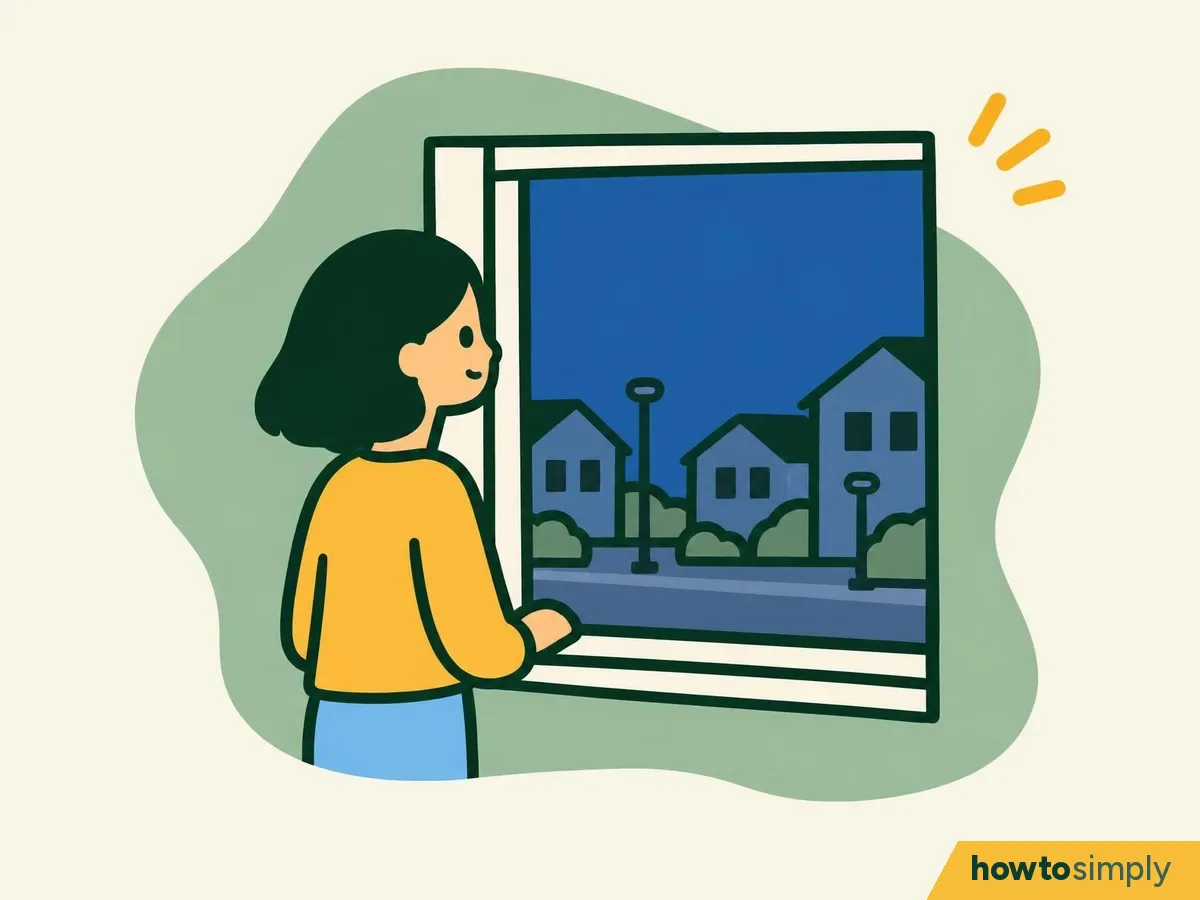
Illustration National Grid's first check is to speak to your neighbours or, at night, look at the street lights. If they're dark too, it's a power cut.
You should see: either other homes lit up (the problem is yours), or everything dark (the problem is the area).
If only your home is dark, check the trip switch in your fuse box.
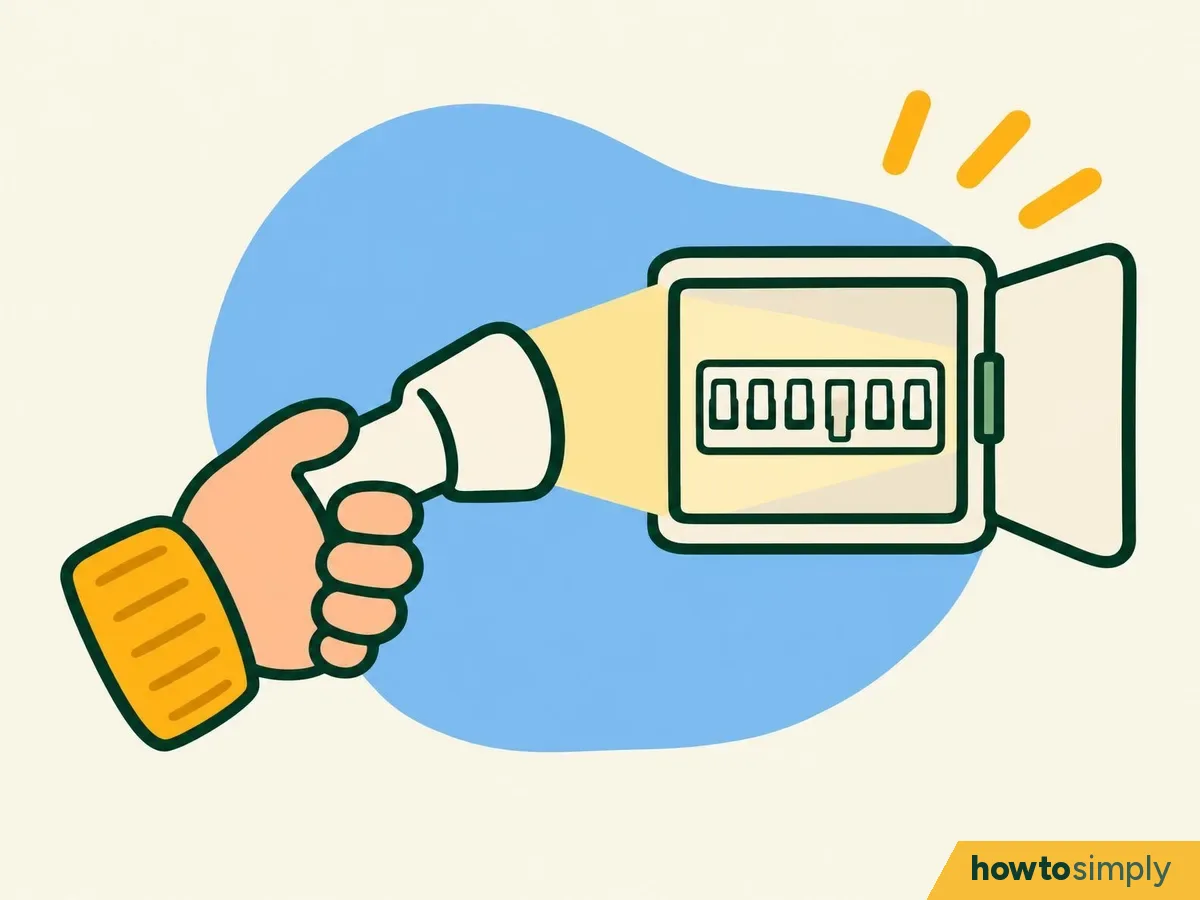
Illustration Make sure the trip switch is in the on position. If it has tripped, switch off all your appliances and then try to reset it. Our guide to resetting a tripped RCD shows how to find the faulty appliance.
Report the power cut if it stays off.
Source
National Grid
Switch off anything that heats up, and unplug delicate electronics.
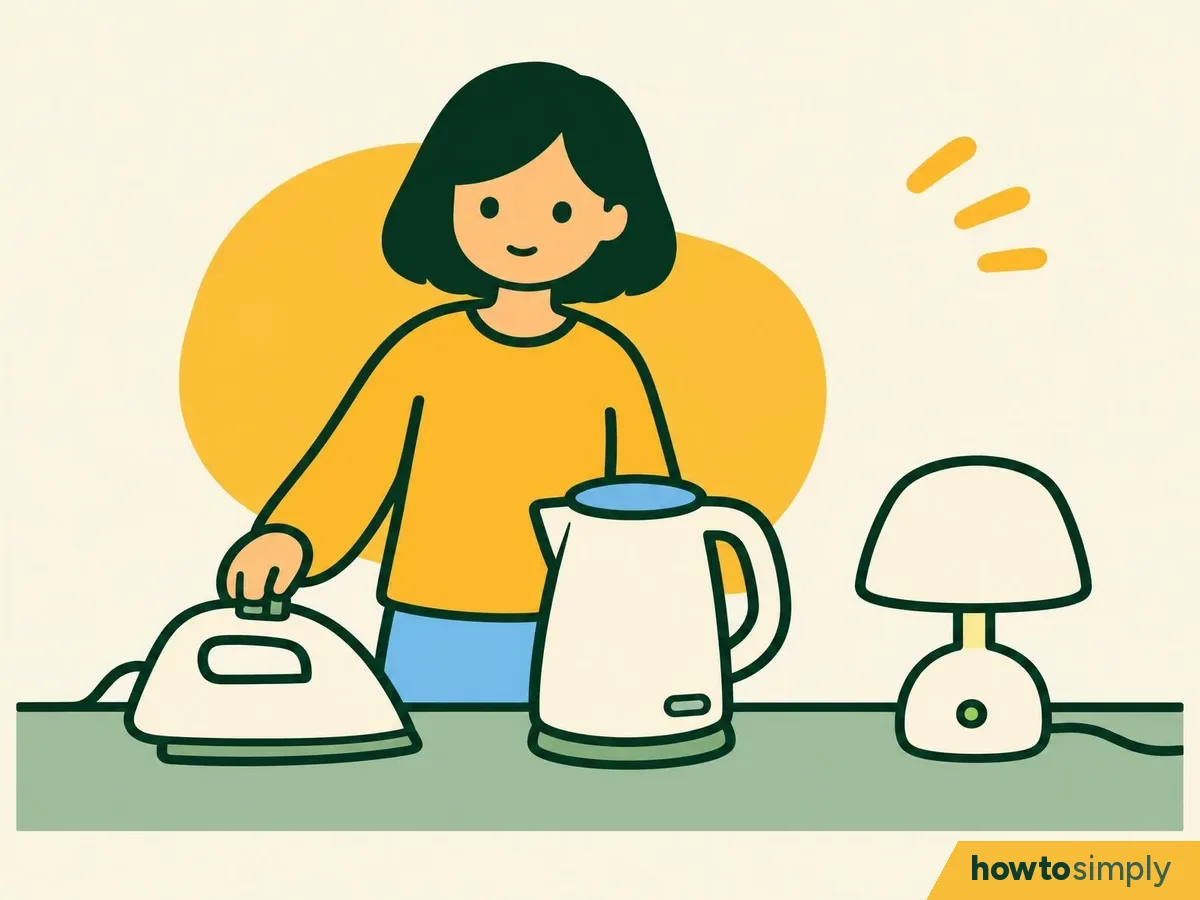
Illustration Ready.gov says to turn off or disconnect appliances and electronics, because power can come back with surges that damage them, and National Grid says the same for computers and other sensitive equipment.
Leave one lamp switched on, so you notice the moment the power is back.
Report it to the people who run the power lines.
Illustration Call the network operator, not the company you pay your bill to:
- Great Britain: 105, free, from most landlines and mobiles (Warwickshire County Council, Ofgem). If your prepayment meter is the problem, contact your supplier instead (Ofgem).
- Germany: your local network operator (Stromnetzbetreiber) has information on the cut and how long it may last. Don't call 112 or 110 just to ask (BBK).
- US: report fallen power lines to the power company (CDC).
- Pakistan: the free Helpline 118 takes electricity-related complaints in seven languages (APP). In Karachi, K-Electric's 118 runs 24/7, or text COMP to 8119 (add a space and your 13-digit account number if you are not registered) (K-Electric).
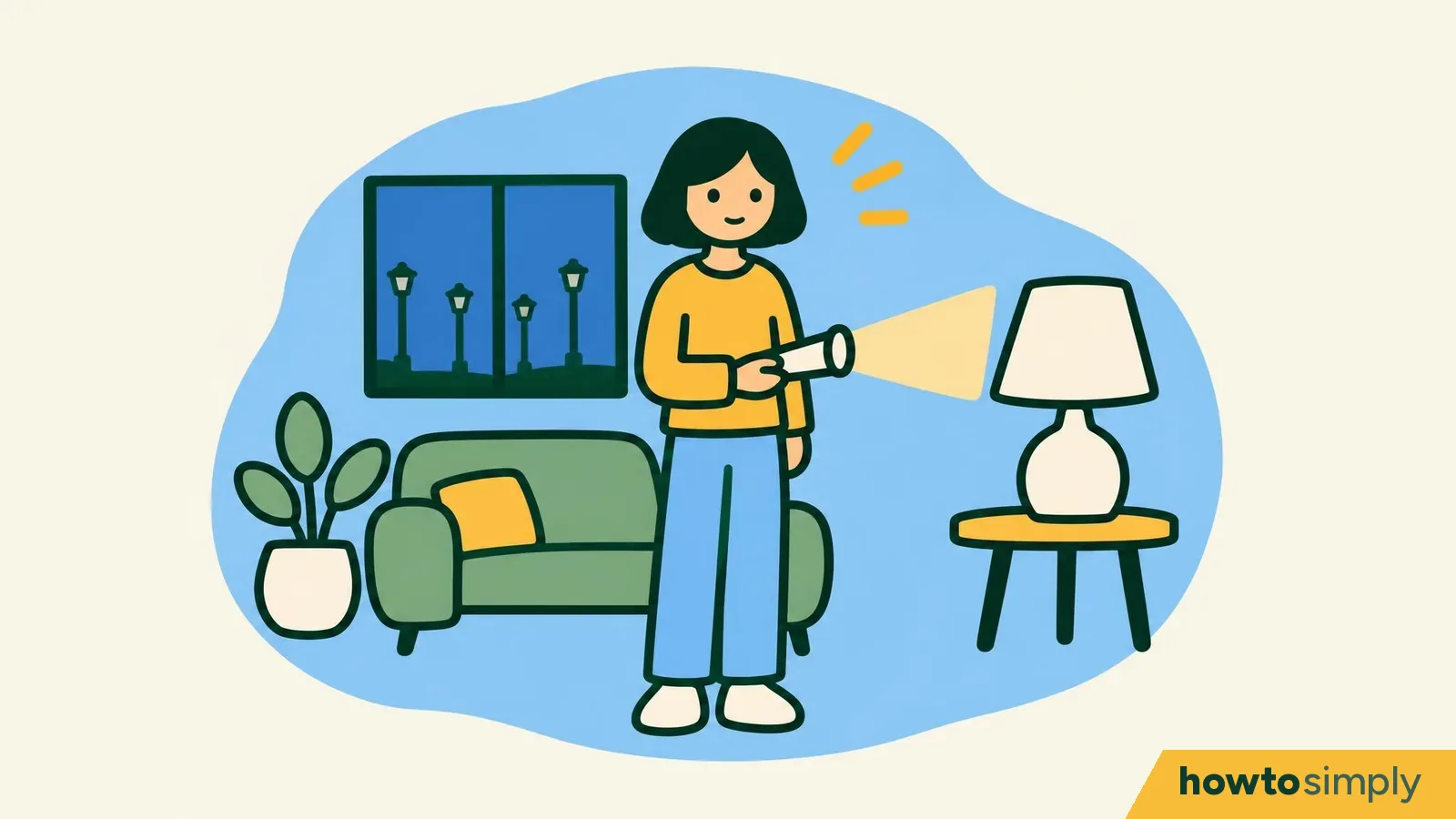
Use a torch, not candles.
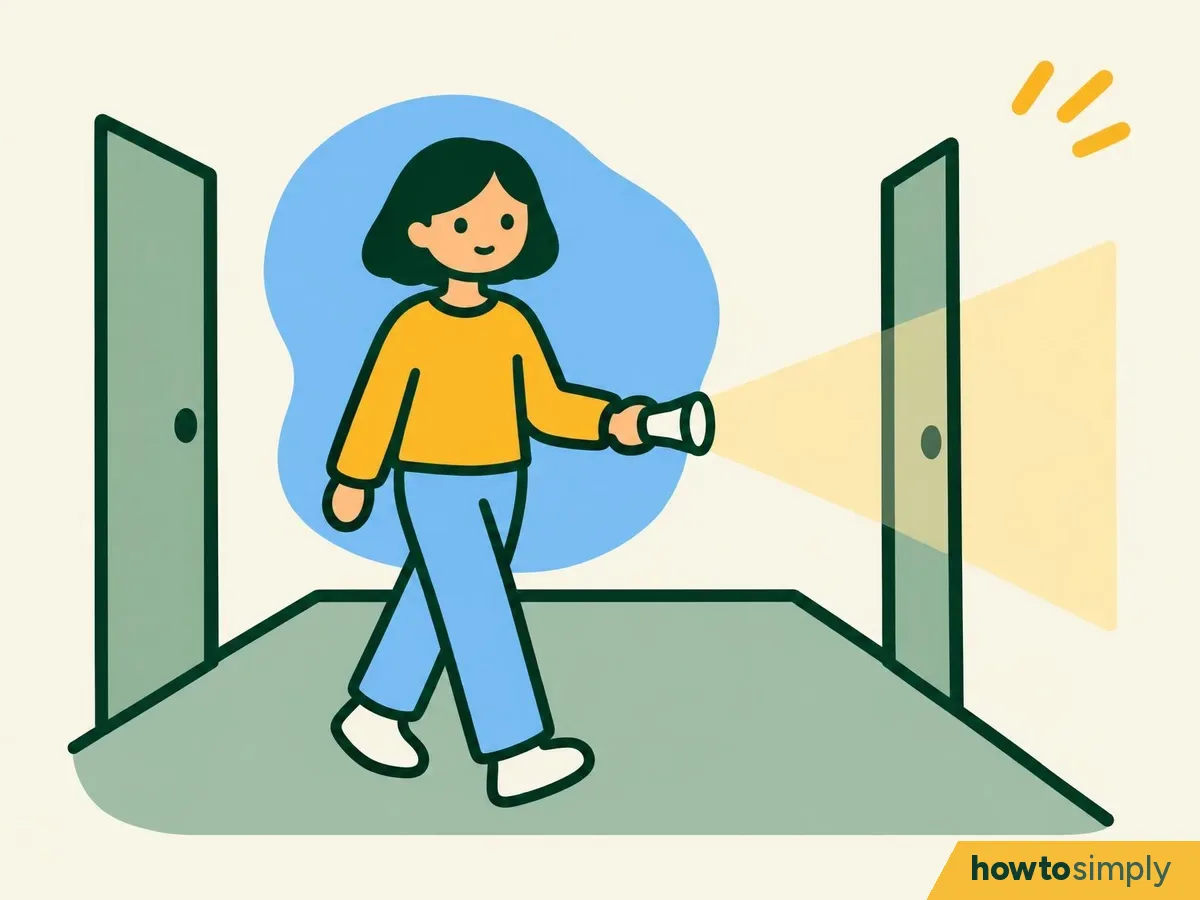
Illustration CDC says to light the house with battery torches and lanterns, not candles, so there's less chance of a fire. If you do use candles, never leave them burning unattended, and air the room regularly.
Source
CDC, BBK
Food and medicine
Keep the fridge and freezer doors shut.
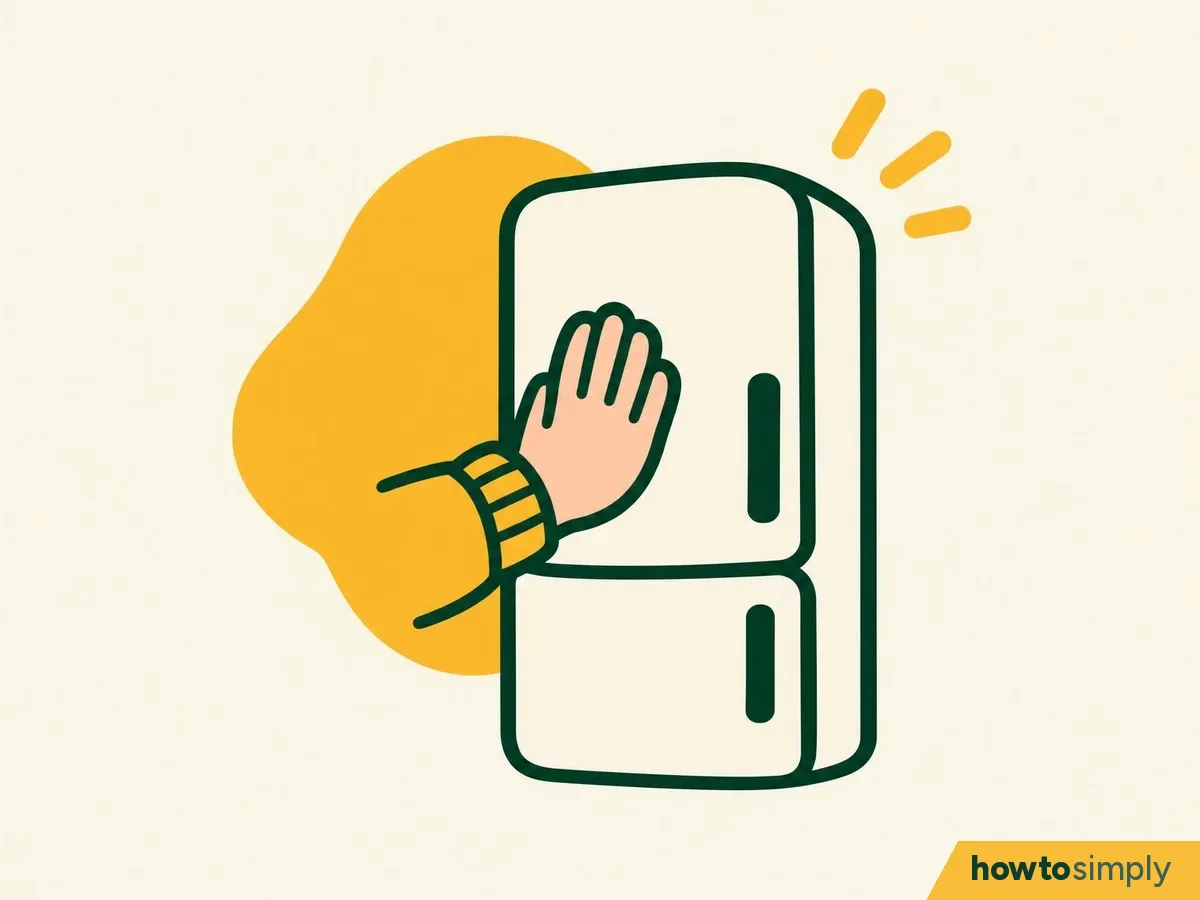
Illustration If you keep the door shut, a fridge can stay cold for up to about 4 hours. A full freezer keeps food frozen for about 48 hours, and a half-full one for about 24. A cut of under 4 hours is unlikely to affect chilled or frozen food. So there is no need to worry about your food straight away, as long as the doors stay shut.
Source
Food Standards Agency
Check the fridge temperature if the cut goes on.
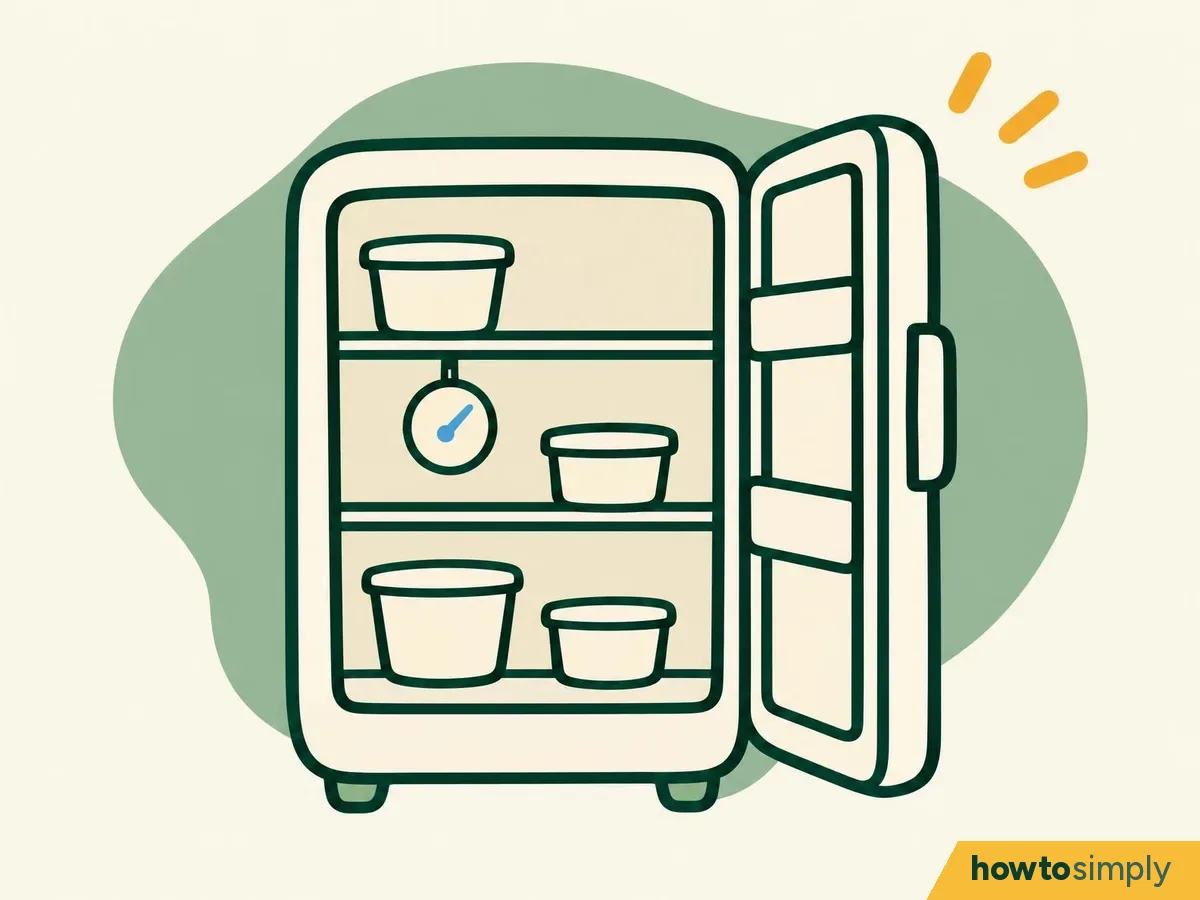
Illustration A fridge thermometer tells you if it has got too warm. If it reaches 8°C or above, eat chilled food within 4 hours, or throw it away after that unless the power comes back.
US advice uses 40°F: throw away food that has been at 40°F or higher for two hours or more.
Source
Food Standards Agency, Ready.gov
In cold weather, follow your country's advice on storing food outside.
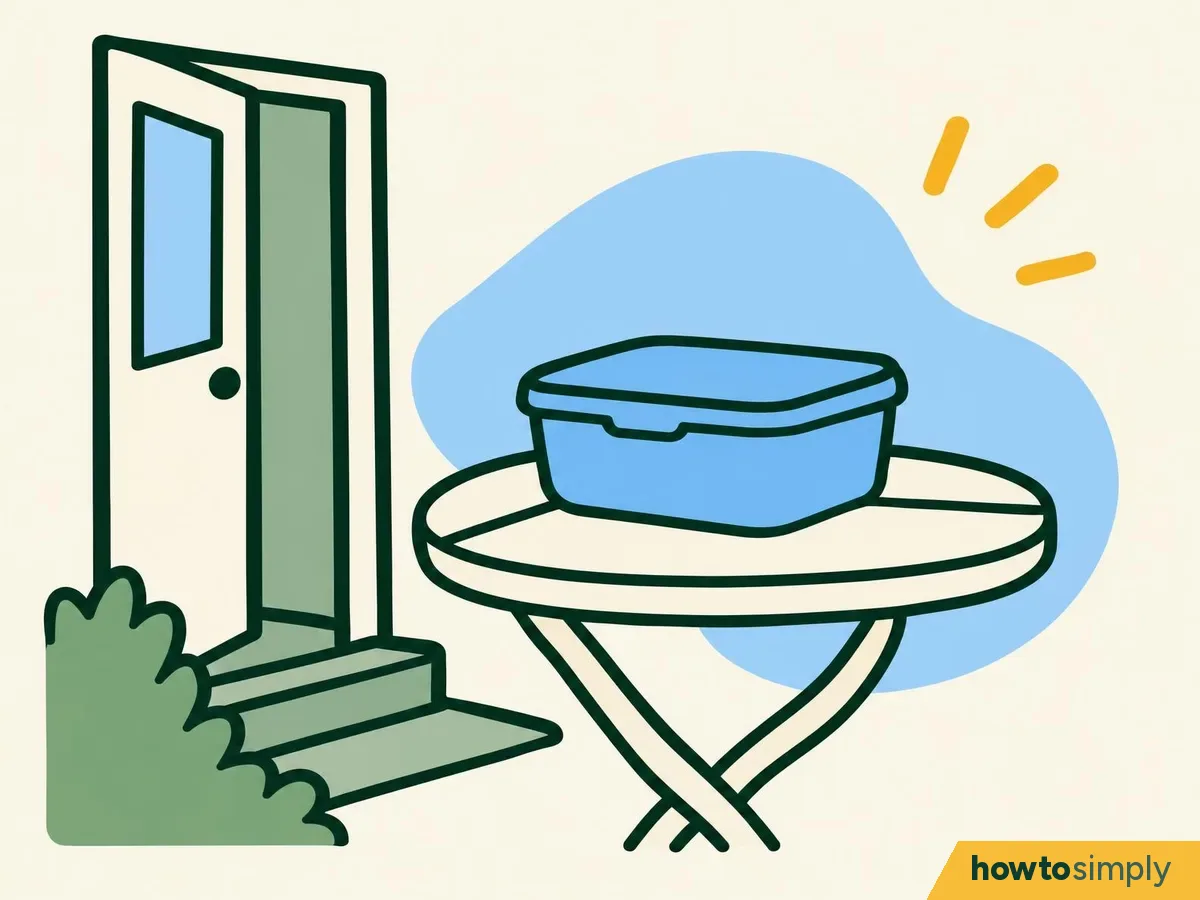
Illustration The UK and the US disagree here. The Food Standards Agency says that if it's below 8°C outside, you can keep food outside in a clean, dry, sealed box, out of the sun and away from animals. FEMA says not to store food outside or in the snow in cold weather.
Plan for medicines that need the fridge, and for medical equipment.
Illustration If the power has been off for a day or more, replace medicines that should be kept cold, unless the label says otherwise, and call your doctor or pharmacist. If a life depends on a medicine that has warmed up, keep using it until you have a new supply.
If you rely on medical equipment, ask your medical provider to help you plan for it during a power cut.
Source
Ready.gov, CDC, National Grid
Stay warm and safe
Choose one room, close the doors, and wrap up.

Illustration BBK says to stay in one room, keep the doors shut, and use warm clothes and blankets. Air the room regularly anyway, especially if candles are burning.
In extreme heat or cold, go to a place that has power, such as a community heating or cooling centre.
Source
BBK, Ready.gov
Careful: never use a barbecue or grill indoors: BBK warns of a risk of suffocation.
Follow the maker's instructions for any stove, and never heat the home with a gas cooker.
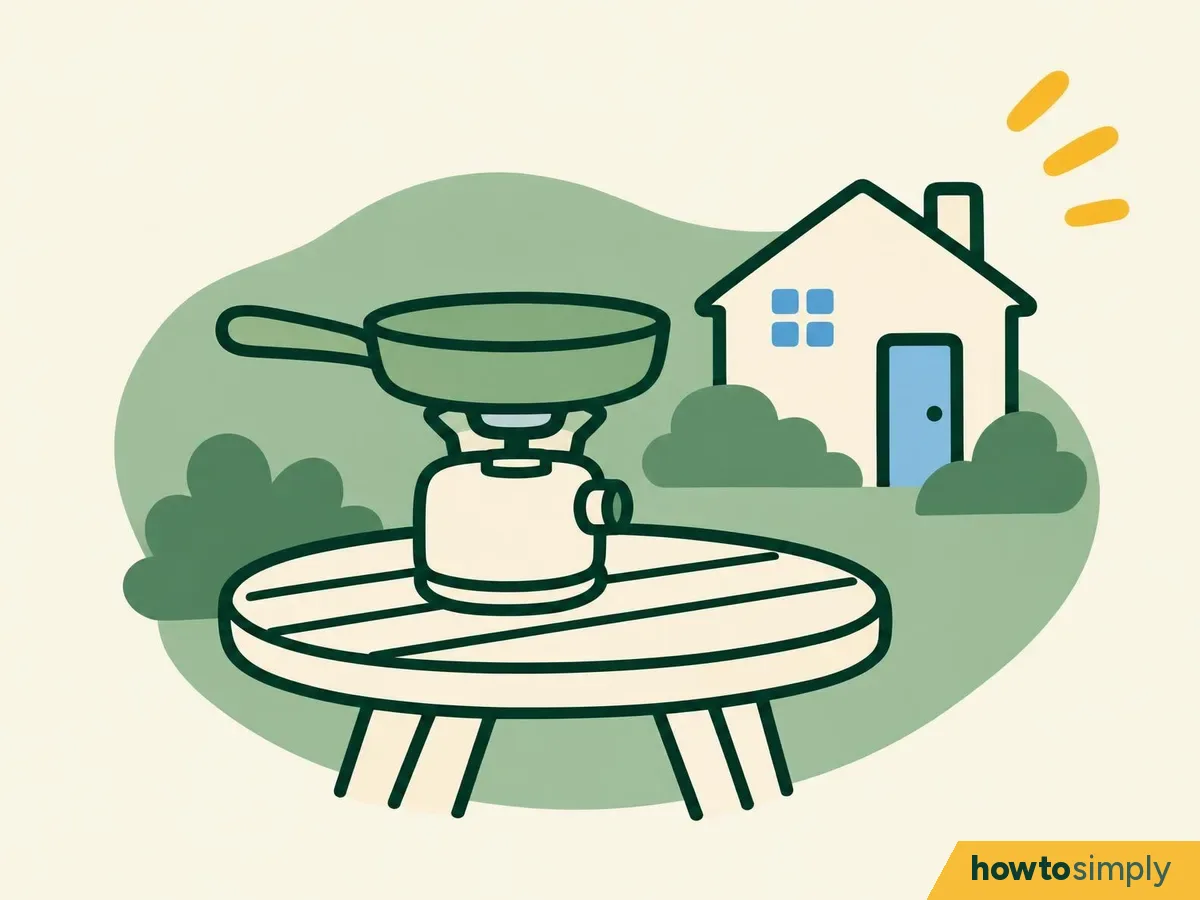
Illustration BBK suggests a camping stove for small meals. US advice: camp stoves and charcoal grills belong outside only, 20 feet or more from any window. Don't ever heat your home with a gas cooker or oven.
The Food Standards Agency adds that most camping and bottled gas stoves are for outdoor use only: follow the maker's instructions.
Source
Ready.gov
If you have a generator, run it outside, well away from the house.
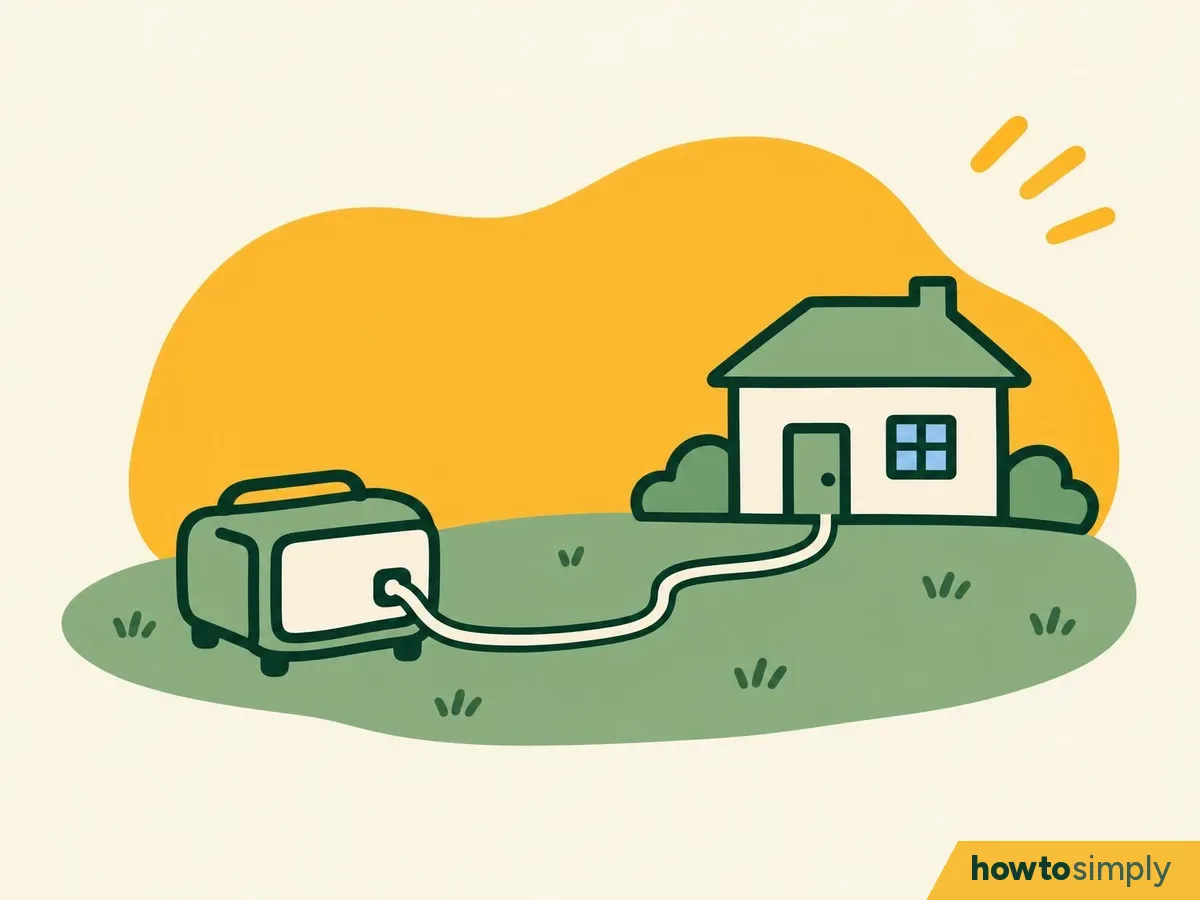
Illustration Generators must never be run indoors, because of the fumes. Keep them at least 20 feet from windows, doors and attached garages, keep them dry, and let them cool before refuelling. Fit a carbon monoxide alarm that works on each floor of the house.
Never connect a generator to your home's wiring without approved automatic-interrupt devices (CDC).
Source
BBK, Ready.gov
Save your phone battery, and keep up with the news.
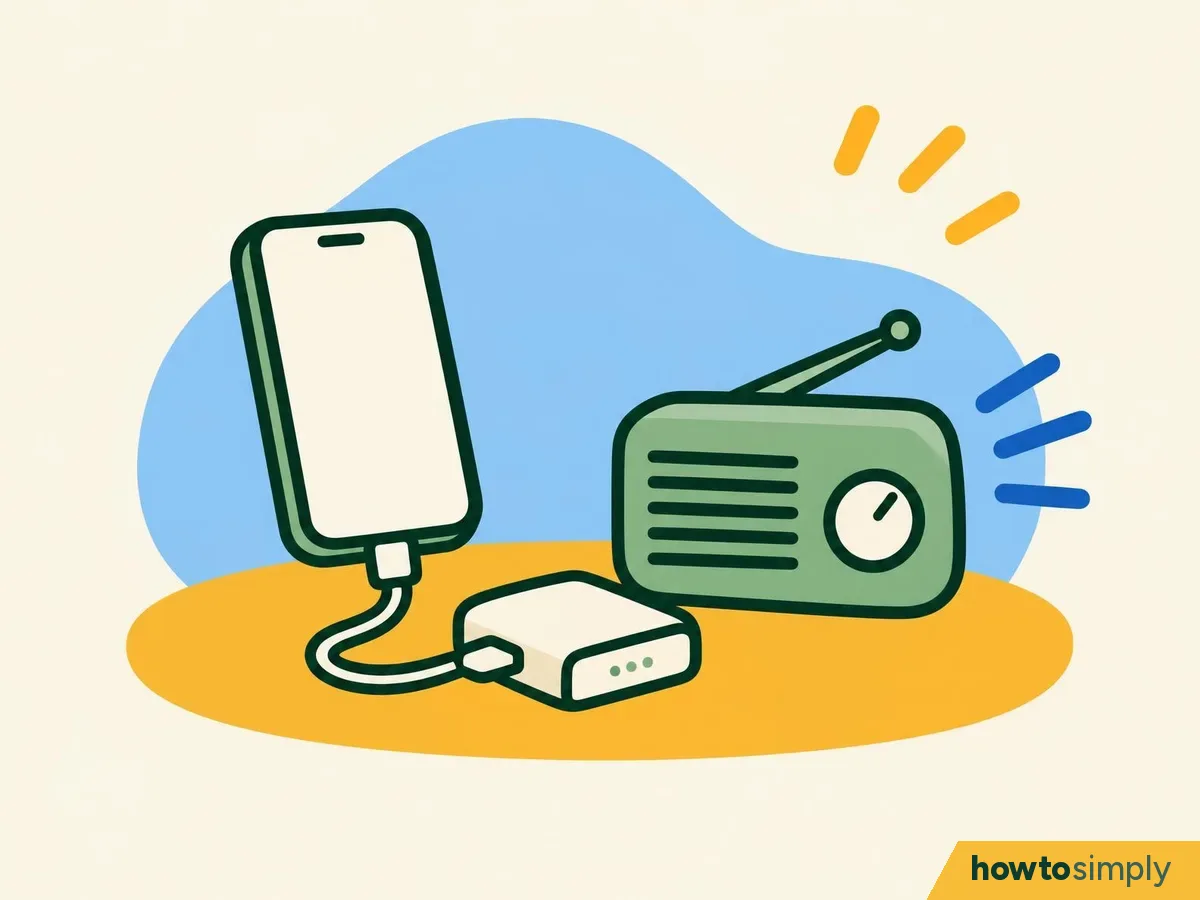
Illustration A charged power bank keeps your phone going. Turn on battery saving: on an iPhone, a Samsung Galaxy or a Google Pixel.
Find out if your landline keeps working when the power goes, and how long its backup battery lasts (Ready.gov). A battery or wind-up radio gives you official updates.
Source
BBK, National Grid
Check on neighbours who might need help.
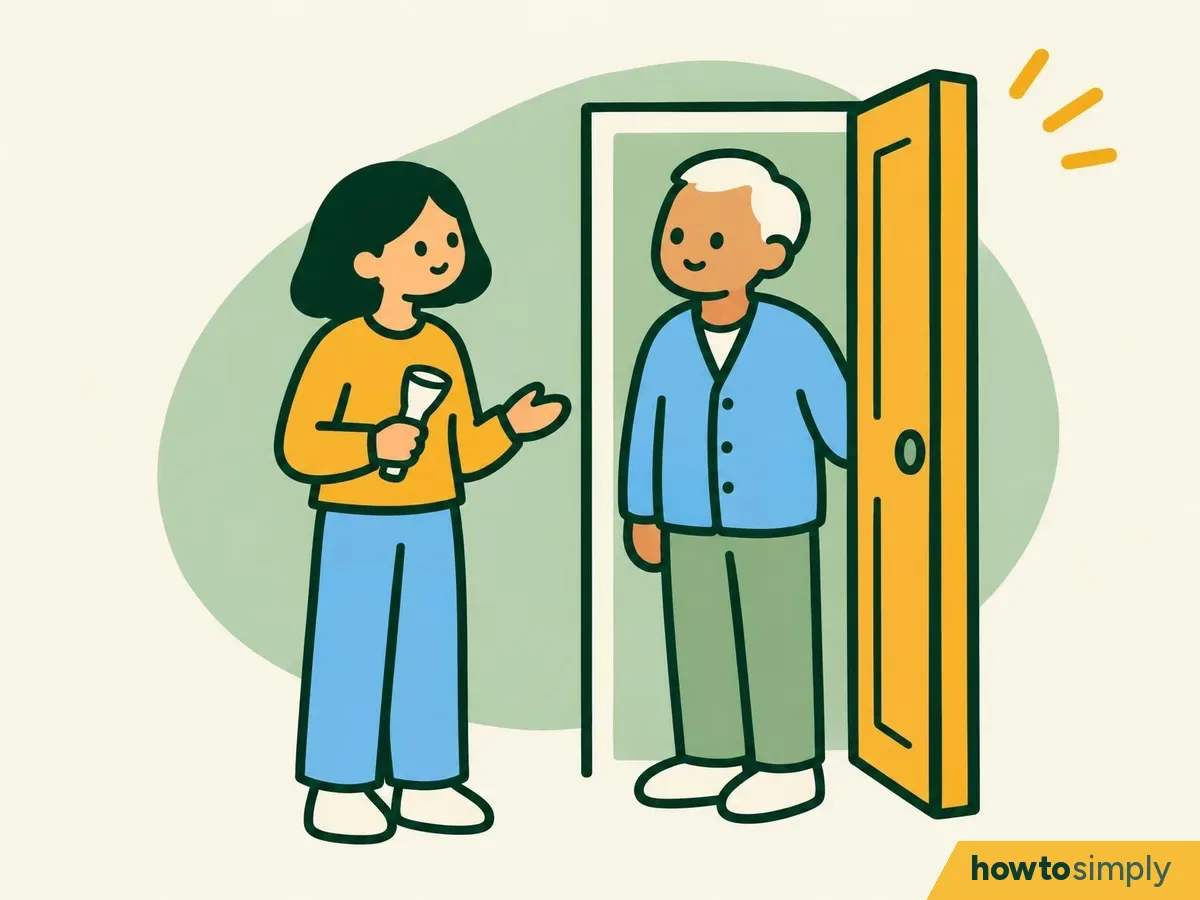
Illustration Check on older, very ill or disabled neighbours: are they warm, and is their medical equipment working? A knock on the door can mean a lot to someone sitting alone in the dark. National Grid suggests staying in contact with neighbours and sharing resources.
Source
National Grid
When it comes back, and next time
Stay away from fallen lines and damaged equipment.
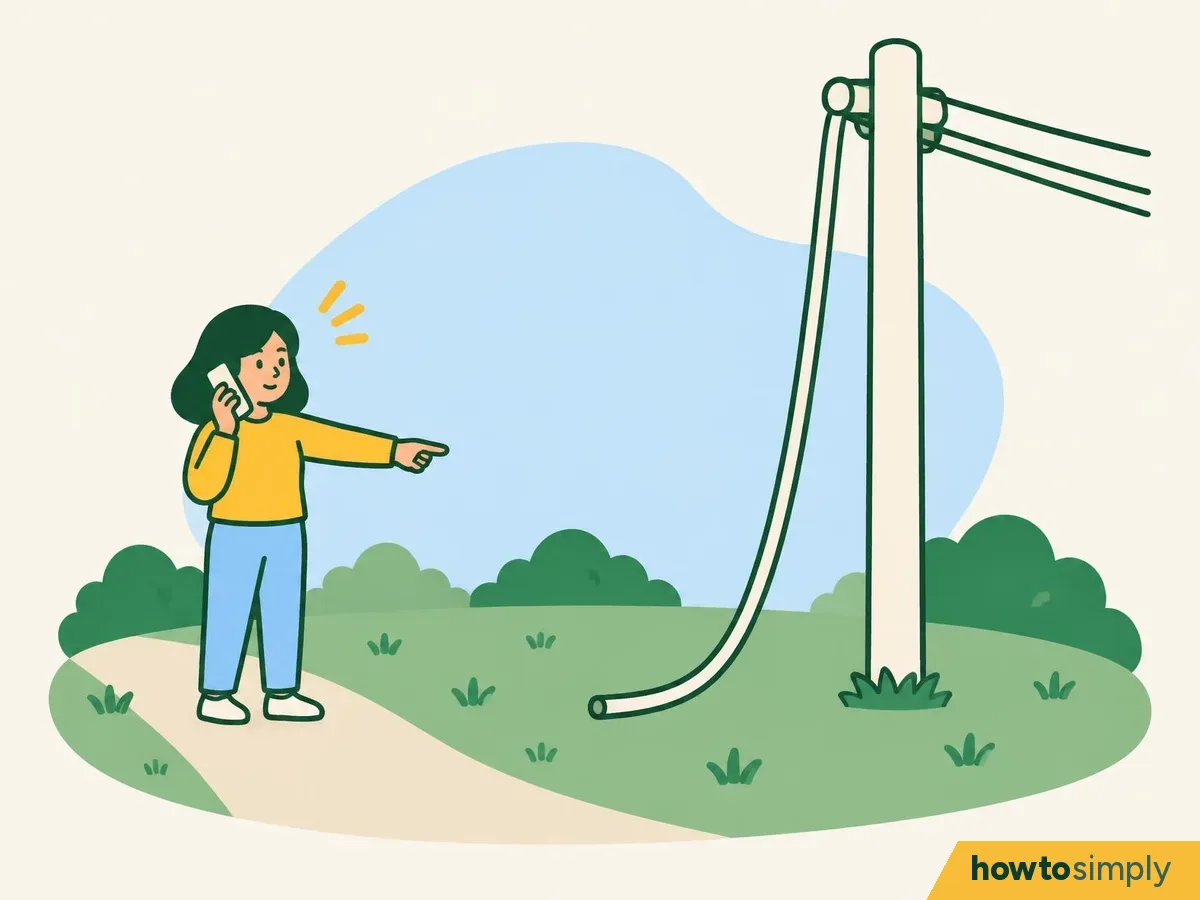
Illustration Never touch a fallen power line, and report it to the power company. In Pakistan, Rescue 1122 says to stay away from fallen wires, electric poles and transformers, and anything electrical standing in water.
If you see sparks or frayed wires, or smell burning, when the power comes back, switch off at the main switch.
Source
CDC, APP
Check your food: when in doubt, throw it out.
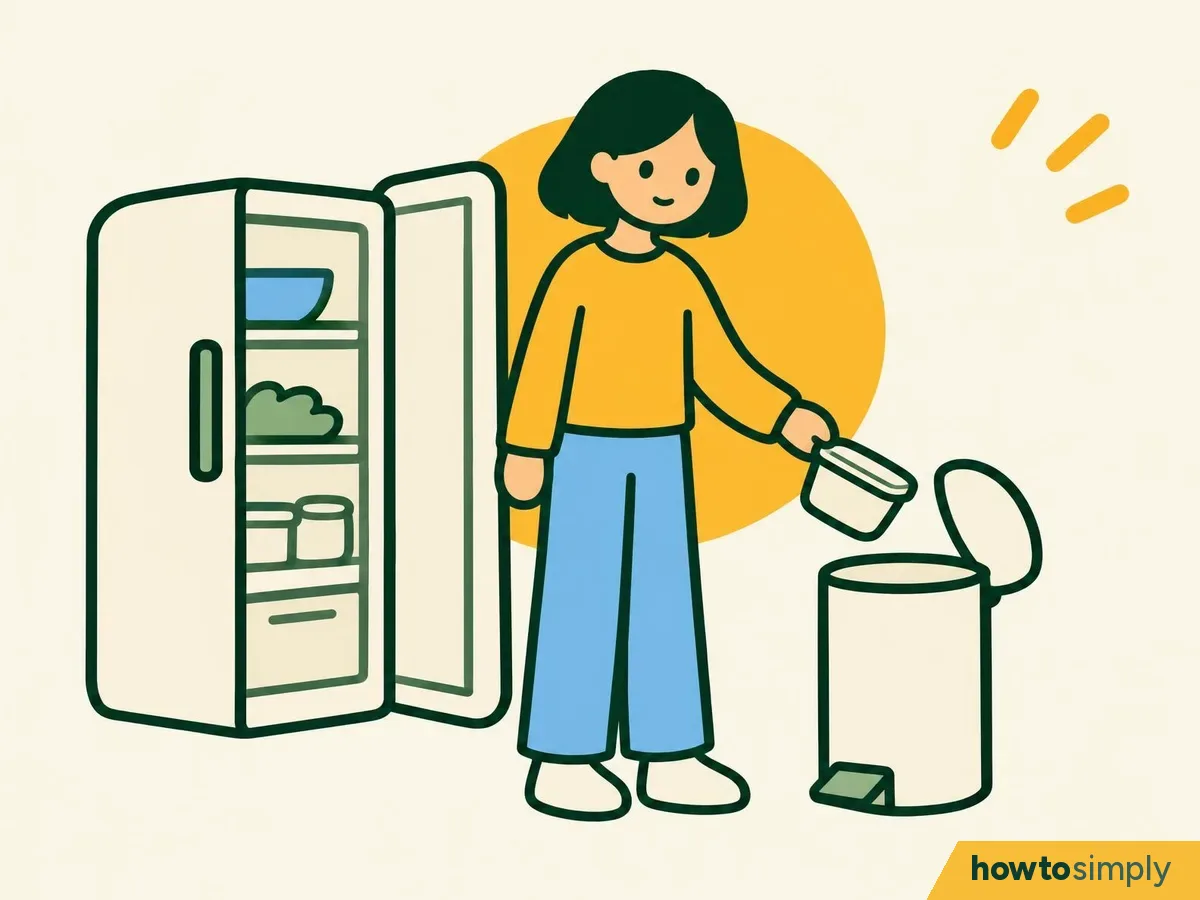
Illustration Throw out chilled food that has an odd smell, colour or texture. If frozen food still has ice crystals in it and feels fridge-cold, you can freeze it again or cook it, but bin any perishable food that has defrosted.
Source
Ready.gov, CDC
Get ready for next time.
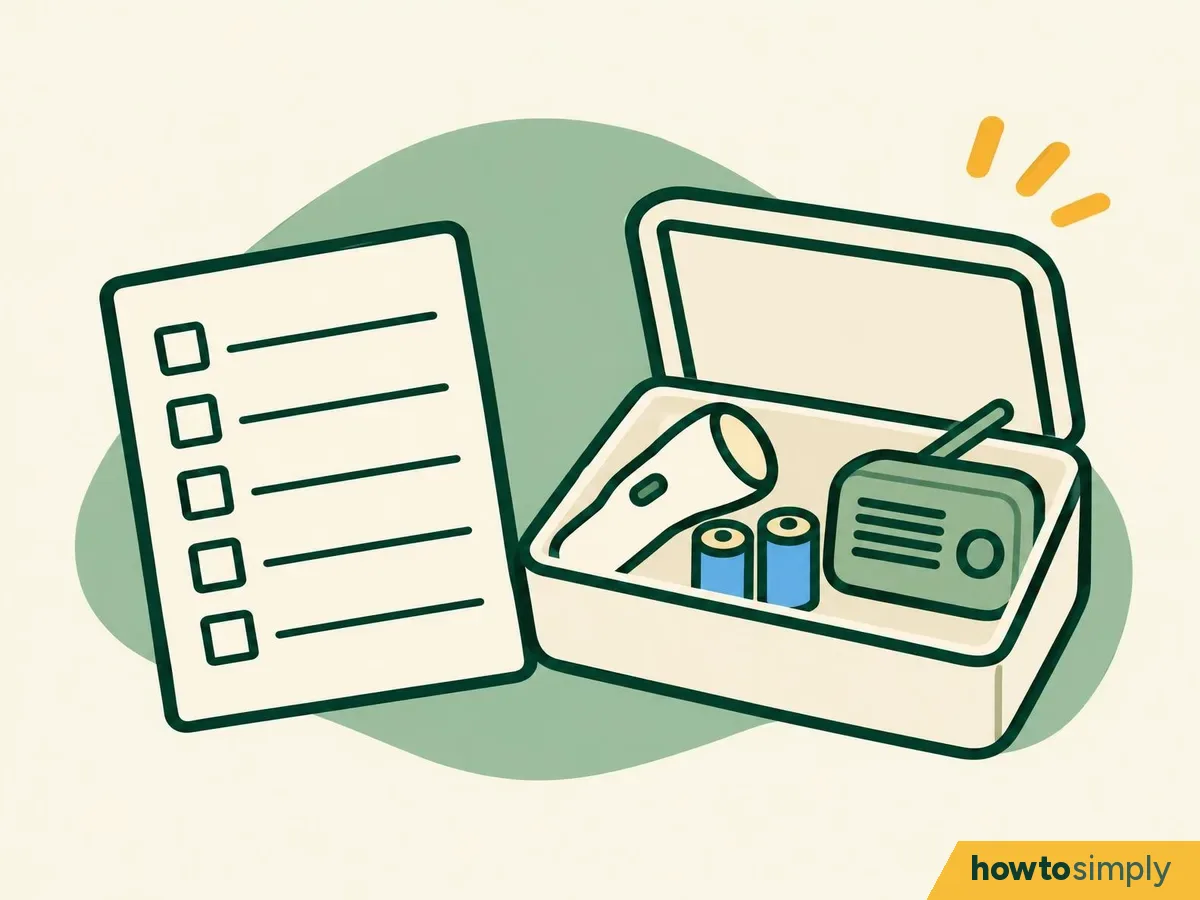
Illustration - UK: if someone at home relies on electricity for medical reasons, join your network operator's free Priority Services Register. Operators must offer extra help, such as battery packs (Ofgem).
- Germany: ask your town hall where to get help and make an emergency call if the phone network fails. Many places call these points Katastrophenschutz-Leuchttürme (BBK).
- Pakistan: register with K-Electric by texting REG and your 13-digit account number to 8119 for outage updates (K-Electric).
- Everywhere: build a home emergency kit.
What each country says
| UK | Germany | US | Pakistan | |
|---|---|---|---|---|
| Report a power cut | Great Britain: 105, free (Ofgem) | No official advice found | Fallen lines: your power company (CDC) | Helpline 118 (APP); K-Electric 118 or SMS COMP (plus account number if unregistered) to 8119 |
| Emergency | No official advice found | No official advice found | 911 (CDC) | Rescue 1122 (APP) |
| Food outside in cold weather | OK below 8°C in a sealed box (FSA, England, Wales, NI) | No official advice found | No official advice found | No official advice found |
| Cooking | Gas cooker may work; most camping stoves outdoor only (FSA) | Camping stove for small meals; no grilling indoors (BBK) | Camp stoves and grills only outdoors, 20 ft away (Ready.gov) | No official advice found |
| Extra help | Priority Services Register (Ofgem) | Ask your town hall about help points (BBK) | Community heating and cooling centres (Ready.gov) | K-Electric load-shedding schedule: SMS LS to 8119 (add account number if unregistered) |
How to tell it's sorted
When the lamp you left on flicks back to life, that is the moment you can breathe out. Then run through these:
- Your lamp is back on, and so are the street lights.
- Your fridge is back at 5°C or below (Food Standards Agency).
- Anything that thawed or got too warm has been thrown out (CDC, Food Standards Agency).
- Your phone and power bank are charging again for next time.
If something isn't right
| What happens | What it means | What to do |
|---|---|---|
| The trip switch keeps flipping off | An appliance or circuit has a fault | Unplug everything and find the faulty appliance |
| Neighbours have power, your trip switch is on, and the power is still off | National Grid asks you to report it | Report it: 105 in Great Britain (Ofgem) |
| Only some sockets or lights work | One circuit may have tripped | Check every switch in the fuse box |
| Headache, dizziness or feeling sick while a heater, stove or generator runs | Possible carbon monoxide (CDC) | Call 911 or Poison Control 1-800-222-1222 in the US (CDC) |
| The power is out longer than K-Electric announced | It may not be scheduled load shedding | Call 118 (K-Electric) |
Our carbon monoxide alarm guide explains what each beep means.
How long food stays safe without power, by source
| Source | Fridge, door shut | Freezer, door shut | When to throw chilled food out |
|---|---|---|---|
| Food Standards Agency, UK[5] | Up to 4 hours | Up to 48 hours full, 24 hours half full | At 8°C or above for more than 4 hours |
| National Grid, UK[1][2] | Not given | Up to 12 hours unopened | Not given |
| Ready.gov, US[8] | About 4 hours | About 48 hours full | At 40°F or higher for 2 hours or more |
| FEMA sheet, US[9] | About 4 hours | About 48 hours full | At 40°F or higher for more than 4 hours |
| CDC, US[10] | About 4 hours | About 48 hours full | Perishables after 4 hours without power |
Graphic by howtosimply, from the sources below.
Questions
How long can a power cut last before the network has to fix it in Great Britain?
Ofgem says your local network operator must restore power within 12 hours outside severe weather, 24 hours in a category 1 storm and 48 hours in a category 2 storm, depending also on how many homes are affected.[3]
Will my home phone work in a power cut?
Often not. National Grid says many digital and cordless phones need power, so keep a charged mobile to hand[2]. BBK adds that internet-based landlines need the router powered too[7]. Ready.gov suggests finding out in advance whether yours works and how long any backup battery lasts[8].
Can I connect a generator to my home's wiring?
Not on your own. CDC says to check with your utility and never connect one without an approved automatic-interrupt device[11]. BBK says only a qualified electrician may work on the home installation, so get their advice first[7].
What should I do about medicines kept in the fridge?
If the power has been off for a day or more, replace them unless the label says otherwise, and call your doctor or pharmacist. If someone depends on one that has warmed up, use it only until a new supply arrives.[8][9][10]
Can I cook on a camping stove or barbecue?
BBK suggests a camping stove for small meals and warns never to grill indoors because of the risk of suffocation[6]. The Food Standards Agency says most camping and bottled gas stoves are for outdoor use only, so follow the maker's instructions[5].
Is it free to call 105?
Yes. Ofgem and Warwickshire County Council both describe 105 as free. The call goes to the local electricity network operator for your part of England, Scotland or Wales, whichever company you pay your bill to (Warwickshire County Council).
Will I get money for a long power cut in the UK?
Yes, if it lasts long enough, and usually without claiming. Ofgem says homes get £100 if fewer than 5,000 properties are cut off for more than 12 hours, plus £45 for each further 12 hours. If your network operator already has your bank details, the money is paid to you without you asking.
How long will food in the freezer stay frozen?
The Food Standards Agency estimates about 48 hours for a full freezer and 24 hours for a half-full one, if you keep the door shut. Ready.gov gives the same 48 hours for a full freezer.
Is it OK to use candles?
Torches are safer. CDC says to use battery torches and lanterns rather than candles, to cut the risk of fire. If you must use candles, never leave them burning unattended (CDC) and air the room regularly (BBK).
Should I call 112 in Germany when the power goes off?
No, not just for the power cut. BBK says a power cut on its own is not an emergency, and calls asking for information have overloaded the emergency lines before. Call 112 only for a real emergency, and get information from your local network operator.
How do I check the load-shedding schedule in Karachi?
K-Electric says registered customers can text LS to 8119, and others can text LS, a space and their 13-digit account number. The schedule is also in the KE Live app and on 118.
The pictures on this page are illustrations, not photos.
How we know this: sources, checks and every change
Current advice
First check the neighbours or street lights and your trip switch, then report the cut to your network operator: 105 in Great Britain[1][3]. Keep the fridge and freezer shut, unplug sensitive electronics, and never run a generator or heat the home with a gas cooker indoors[5][8][10].
Information, not professional advice.
Latest update
17 November 2026. We re-read the sources. All fifteen opened today and still support the steps, numbers, food times and safety warnings on this page. Three small points in the body are not quite what the sources say, and we flag them below: Ofgem says to contact your supplier about a faulty meter (the body says a prepayment meter), no source we list suggests leaving one lamp on, and one reader answer about 105 could be read as going to the company you pay your bill to, when Warwickshire County Council says 105 reaches your local network operator whoever your supplier is.
What changed in this version
- Added the record layout: key facts with numbered sources, a table comparing how long each source says food stays safe, what the sources agree on and where they differ, this history and more reader questions.
Key facts
- Check first whether it is only your home: talk to the neighbours or, at night, look at the street lights. If only you are dark, check the trip switch, switch off your appliances and reset it.[1][2]
- In England, Scotland and Wales, 105 is free from most landlines and mobiles and puts you through to your local electricity network operator, whoever you buy power from.[3][4]
- Keep the fridge and freezer shut. The Food Standards Agency estimates up to 4 hours for a fridge, and up to 48 hours for a full freezer or 24 for a half-full one.[5]
- If the fridge reaches 8°C or above, eat chilled food within 4 hours or throw it away after that, unless the power comes back first.[5]
- Unplug or switch off appliances and electronics, because surges when the power returns can damage them.[1][8]
- Run generators outside only, at least 20 feet from windows, doors and attached garages, and never heat the home with a gas stove or oven.[8][10]
- In Germany, a power cut on its own is not an emergency: call 112 or 110 only for a real one, and get updates from your local network operator.[7]
- Ofgem says homes are paid £100 automatically if fewer than 5,000 properties are off for more than 12 hours, plus £45 for each further 12 hours.[3]
What the sources agree on
- Check the neighbours or street lights first to see whether the cut is wider than your home.[1][2]
- Keep the fridge and freezer doors shut.[1][5][8][10]
- Unplug or switch off appliances and sensitive electronics.[1][2][7][8]
- Use torches rather than candles.[2][10]
- Never run a generator indoors.[7][8][10]
- Stay away from fallen or damaged power lines.[2][11][15]
- Check on neighbours who may need help.[1][2][7]
Where the sources differ, or nothing is confirmed
- Freezer time: National Grid says a closed freezer may stay cold for up to 12 hours, while the Food Standards Agency, Ready.gov and CDC give about 48 hours for a full one.[1][5][8][10]
- When to throw out chilled food in the US: Ready.gov says after 2 hours or more at 40°F or higher, while FEMA's printed sheet says more than 4 hours.[8][9]
- Food outside in cold weather: the Food Standards Agency says you can keep it outside below 8°C in a clean, sealed box, but FEMA says not to store food outside or in the snow.[5][9]
- Not from a source: leaving one lamp switched on so you notice when power returns is our own tip. The body also says to call your supplier about a prepayment meter; Ofgem's wording is a faulty meter.
Record history
- Version 7. Sources re-read and the page moved to the record layout, with numbered key facts, a food safety table, agree and differ lists, this history and more reader questions.
- Version 6. Added the Sources and method box and the Researched by byline.
- Version 5. Safety wording checked and repaired, and sentences that sat too close to the sources' own wording were reworded.
- Version 4. Wording reworked across the page.
- Version 3. Each step now names its source underneath.
- Version 2. Page title changed to match how people search for it.
- Version 1. First published, with UK, German, US and Pakistan advice and illustrations.
Sources
- National Grid: What to do in a power cut. Read 17 November 2026.
- National Grid: Preparing for a power cut or emergency (September 2022, PDF). Read 17 November 2026.
- Ofgem: Check if you can get a payment for a power cut. Read 17 November 2026.
- Warwickshire County Council: Power cut (105). Read 17 November 2026.
- Food Standards Agency: Food safety in a power cut (26 July 2023). Read 17 November 2026.
- BBK: Vorsorge und Handeln bei Stromausfall (German). Read 17 November 2026.
- BBK: Stromausfall, Vorsorge und Selbsthilfe (German, 2026, PDF). Read 17 November 2026.
- Ready.gov: Power outages. Read 17 November 2026.
- FEMA: Be prepared for a power outage (December 2023, PDF). Read 17 November 2026.
- CDC: What to do to protect yourself during a power outage. Read 17 November 2026.
- CDC: Protect yourself from electrical hazards. Read 17 November 2026.
- K-Electric: FAQs. Read 17 November 2026.
- K-Electric: 8119 SMS service. Read 17 November 2026.
- APP: Power Division helpline 118 (3 September 2026). Read 17 November 2026.
- APP: Rescue 1122 monsoon safety advice. Read 17 November 2026.
Sources and method
- Researched by
- Abu Bakar Saadat
- Pictures
- 19 illustrations drawn for this article: drawings, not photos.
- Sources
- Steps checked against the 15 named sources linked below.
- What this page adds
- A UK, Germany, US and Pakistan table on who to call, storing food outside and cooking, a drawing of spotting the one tripped switch, and a fix-it table for a switch that keeps tripping.
- What we checked
- On 17 November 2026 we re-read all fifteen sources: National Grid's advice page and leaflet, Ofgem, Warwickshire County Council, the Food Standards Agency, both BBK pages, Ready.gov and FEMA's sheet, both CDC pages, K-Electric's FAQ and SMS page, and the two APP reports, and checked every number, time and safety warning on this page against them.
What to do next
When something goes wrong at home Step 2 of 5
- Power went off? How to reset a tripped RCD (FI-Schalter, GFCI) and find what tripped itOnly your house is dark? It is often a tripped switch.
- How to change the fuse in a plug: the right rating and when to stopOne appliance dead? Try the plug fuse.
- Toilet keeps running or leaking into the pan? How to find and fix the faulty partThe small leak that quietly costs you water.
Did this solve the problem?
Where did you get stuck?
Get new guides by email
Our newest guides, sent to your inbox. Free, and you can unsubscribe in one click.
We'll email you to confirm. How we use your email
Follow howtosimply on Facebook
We share every new article on our Facebook page, so the next fix turns up in your feed.
Follow on FacebookWhat did you think?
Reaction counts are loading.