What to do if you smell gas
Leave light switches alone and make no flame. Open the doors and windows, turn the gas off at the meter if you can reach it safely, then get out and ring the gas emergency number once you're outside. In the US, officials say to leave first and not to touch any valves.
Researched by Abu Bakar SaadatPublished 29 October 2026Last changed 17 November 2026Verified 17 November 2026Version 7See all changes
On this page 14 sections
Information, not professional advice.
If the smell is strong, you hear hissing or it's in a cellar, leave now and call from outside. Otherwise, follow these steps in order; they're short so you can act quickly. Smelling gas in your own home is a frightening moment, and you are quite right to take it seriously.
Any spark could set the gas alight: flicking a switch either way can do it, and so can ringing a doorbell. The reason the order below matters is that it keeps sparks away while the gas clears. These steps follow UK and German advice. In California it differs: the state regulator says to first leave the area on foot, and not to try to control the leak by turning valves, so go straight to Get out and call. The table near the end shows each country.
Where is the smell?
Inside, faint
No sparks, air out, gas off, then leave and call. Start at Right now.
Strong, hissing, or in the cellar
Leave straight away. Go to Get out and call.
A gas cylinder (LPG)
Turn off the gas supply. Go to Bottled gas.
Right now: no sparks, no flames
Don't touch light switches, sockets or the doorbell.

Illustration Flicking a switch either way could set leaking gas alight. That includes pulling out plugs, and doorbells. Leave lights as they are: don't turn them on or off.
Source
SGN, Freiwillige Feuerwehr Lehrte, Cornwall Fire and Rescue Service
Put out any flame, and don't smoke or strike a match.
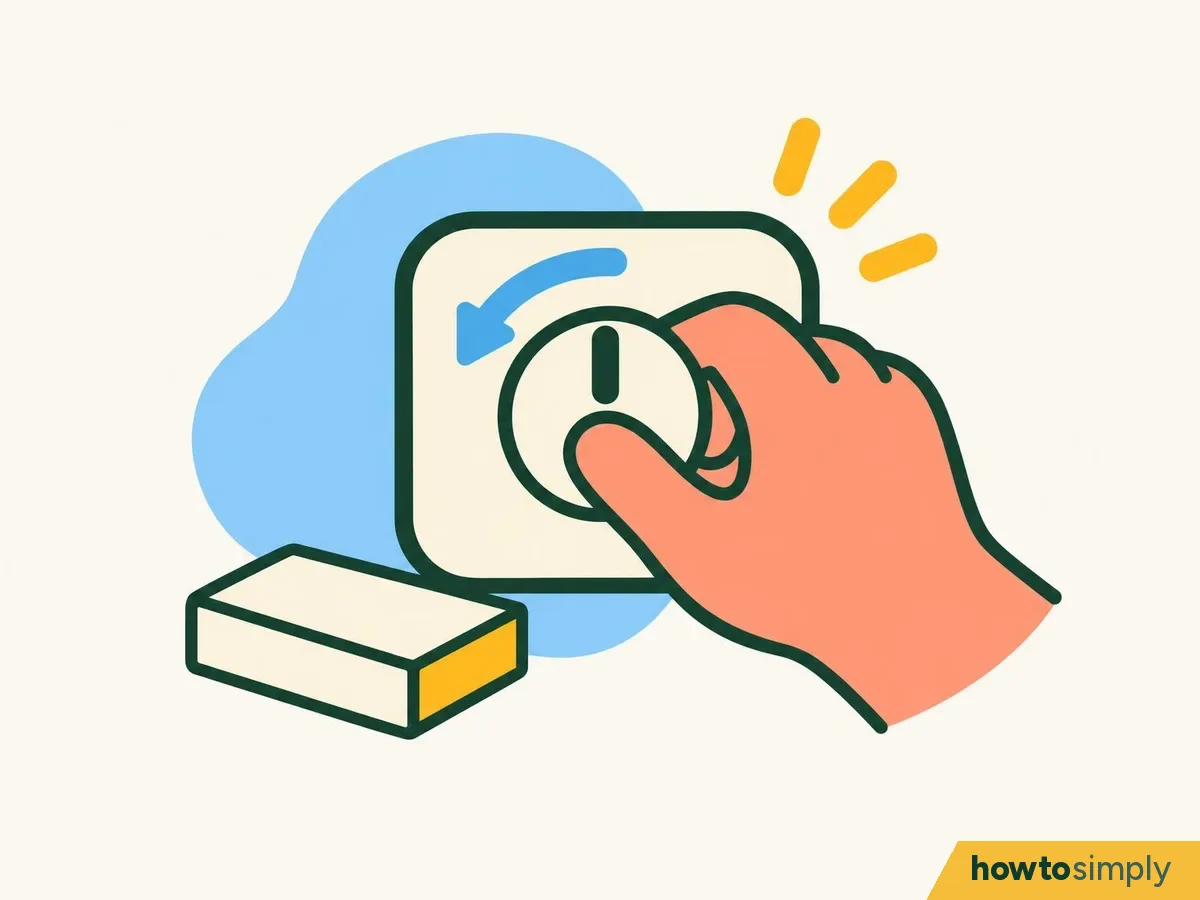
Illustration Put out all naked flames, and don't smoke or strike matches. Turn off gas appliances.
Source
Cornwall Fire and Rescue Service, SGN
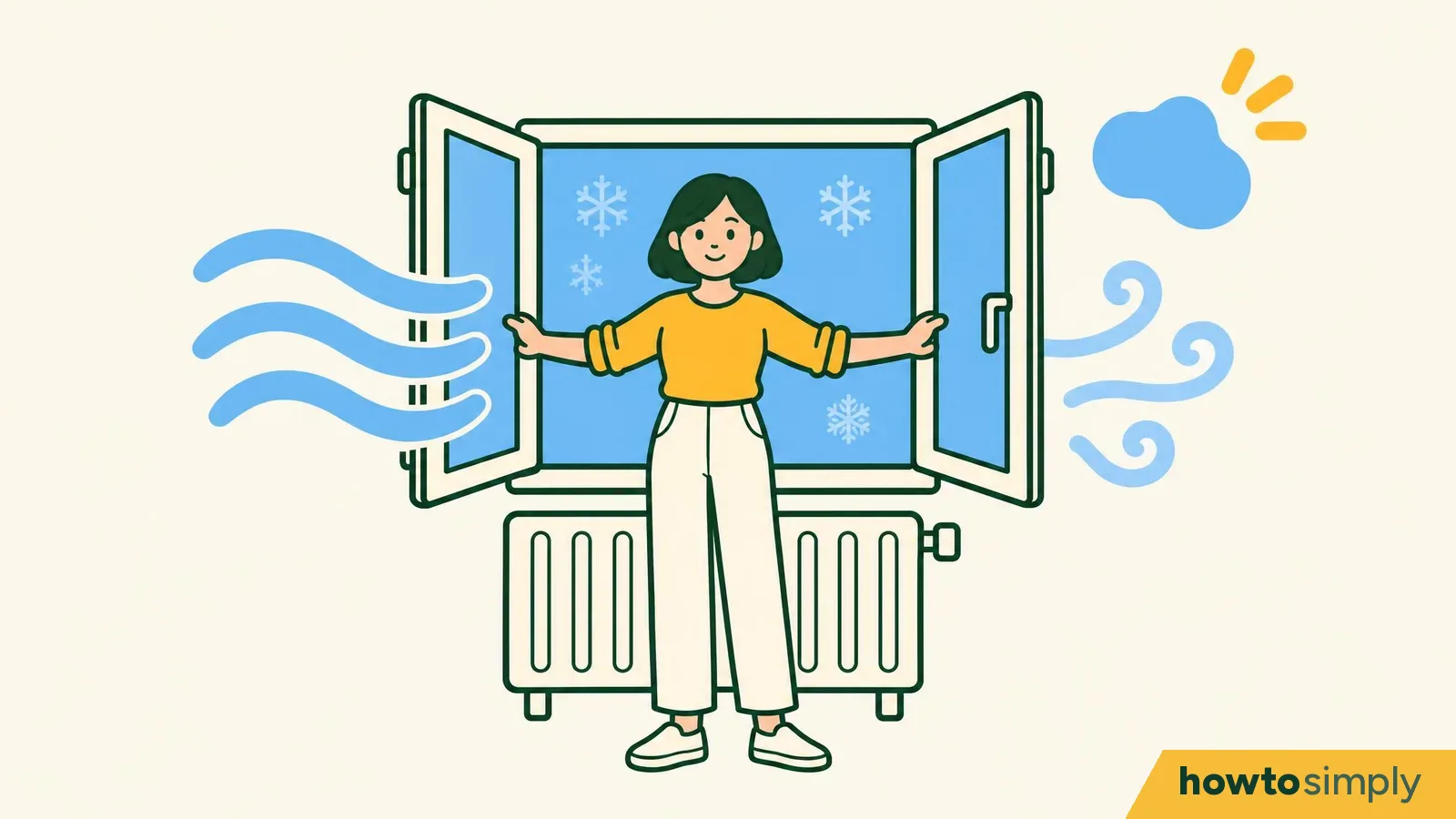
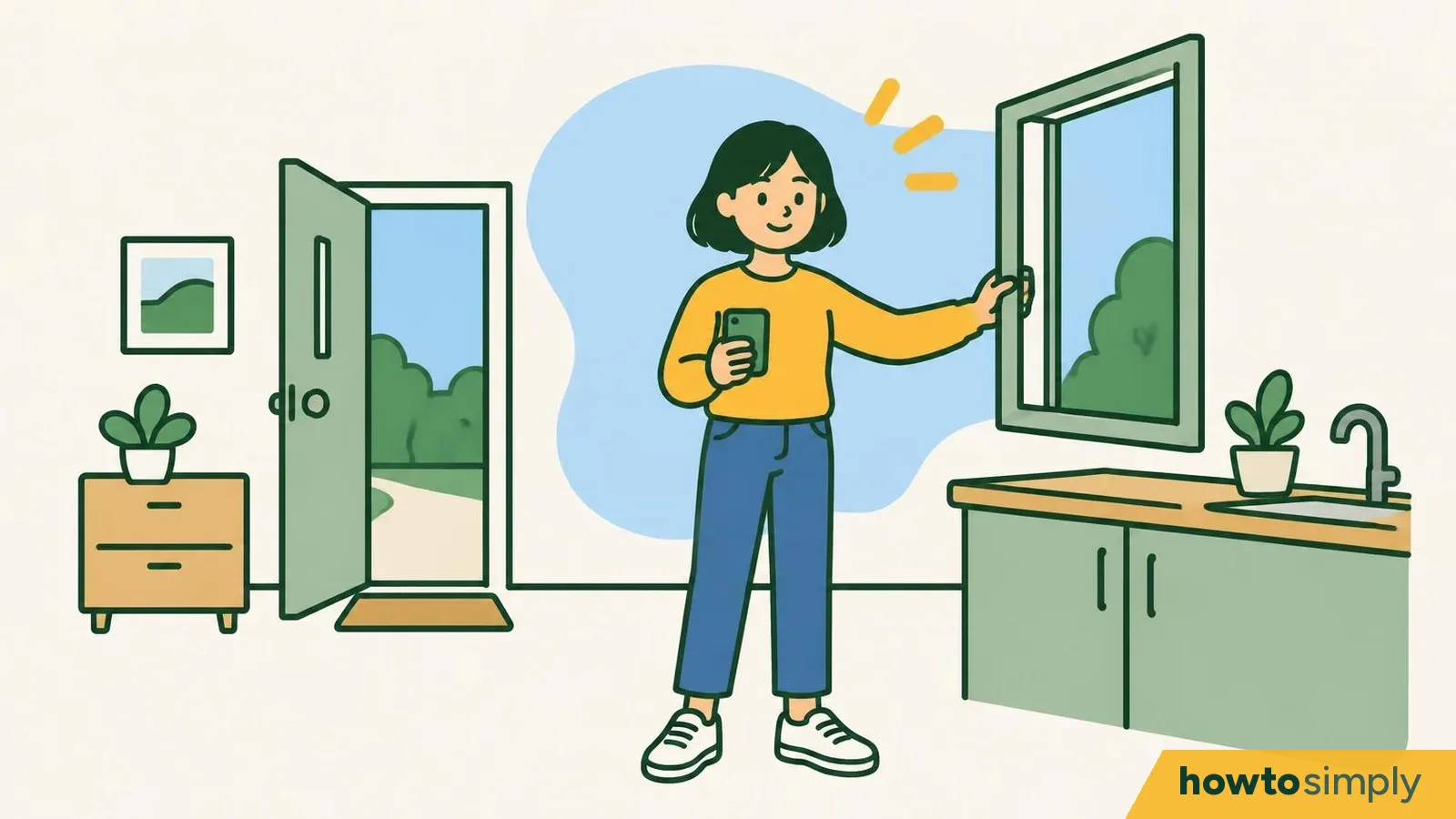
Open doors and windows.
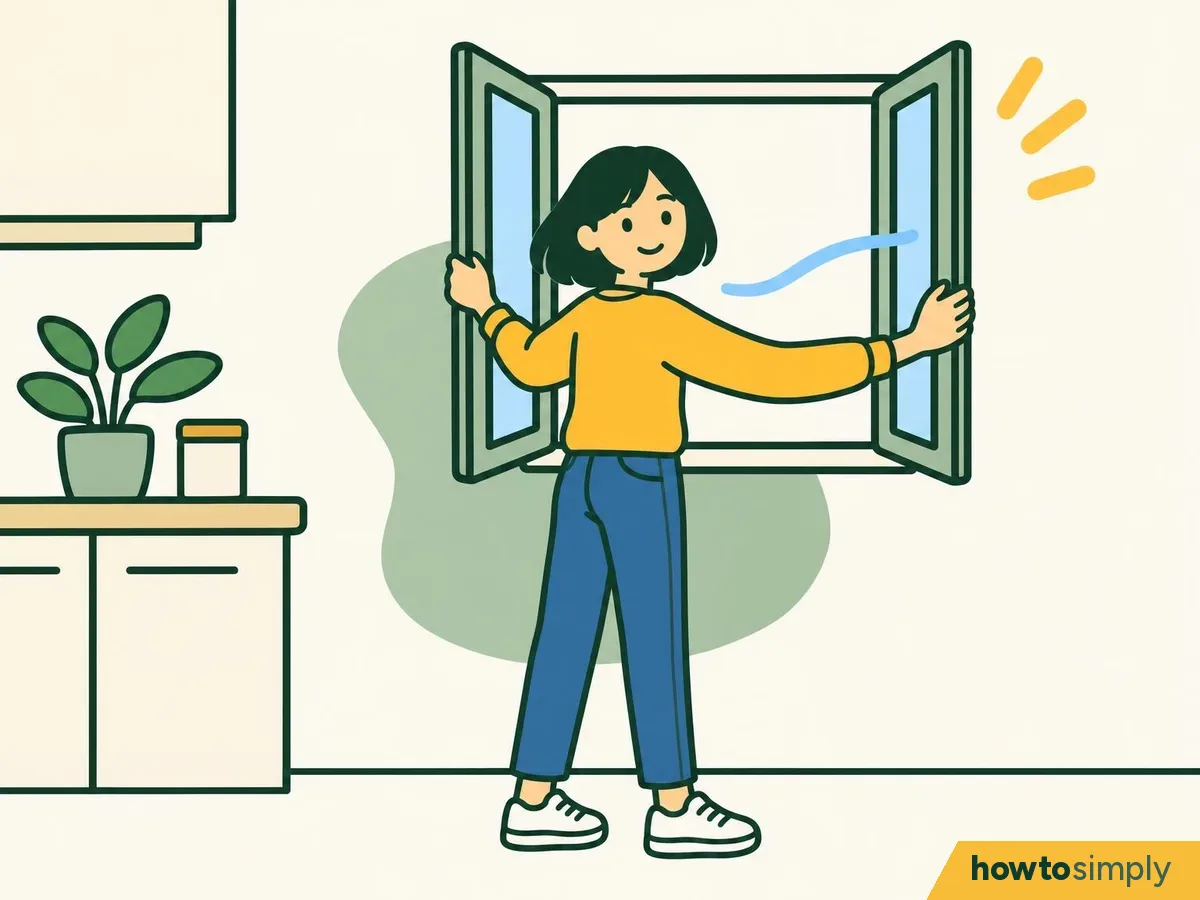
Illustration Fresh air lets the gas escape. Do it by hand: don't switch on an extractor or exhaust fan.
Source
SGN, Freiwillige Feuerwehr Lehrte, PSO
Careful: never go into a cellar or basement to reach the meter.
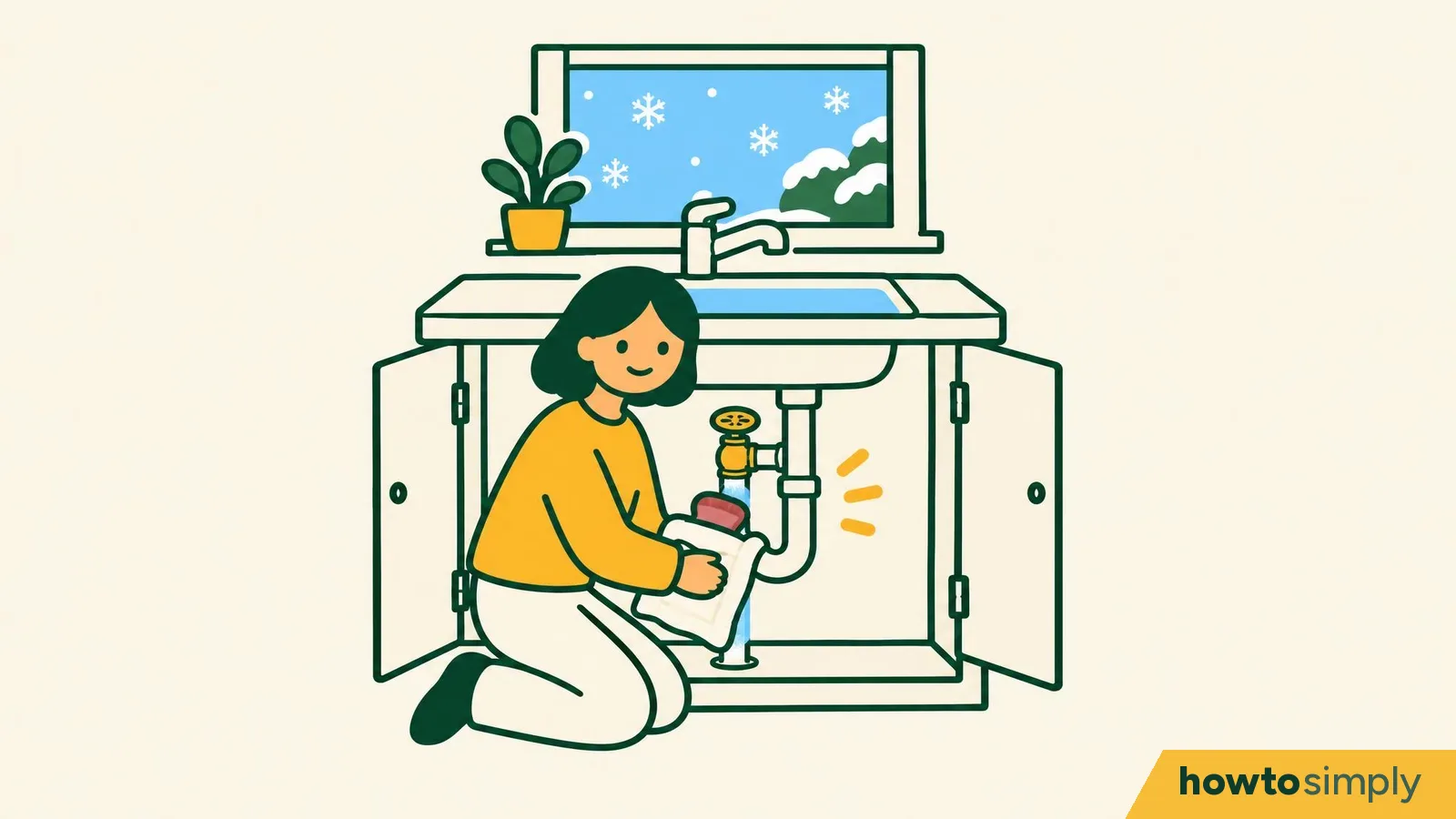
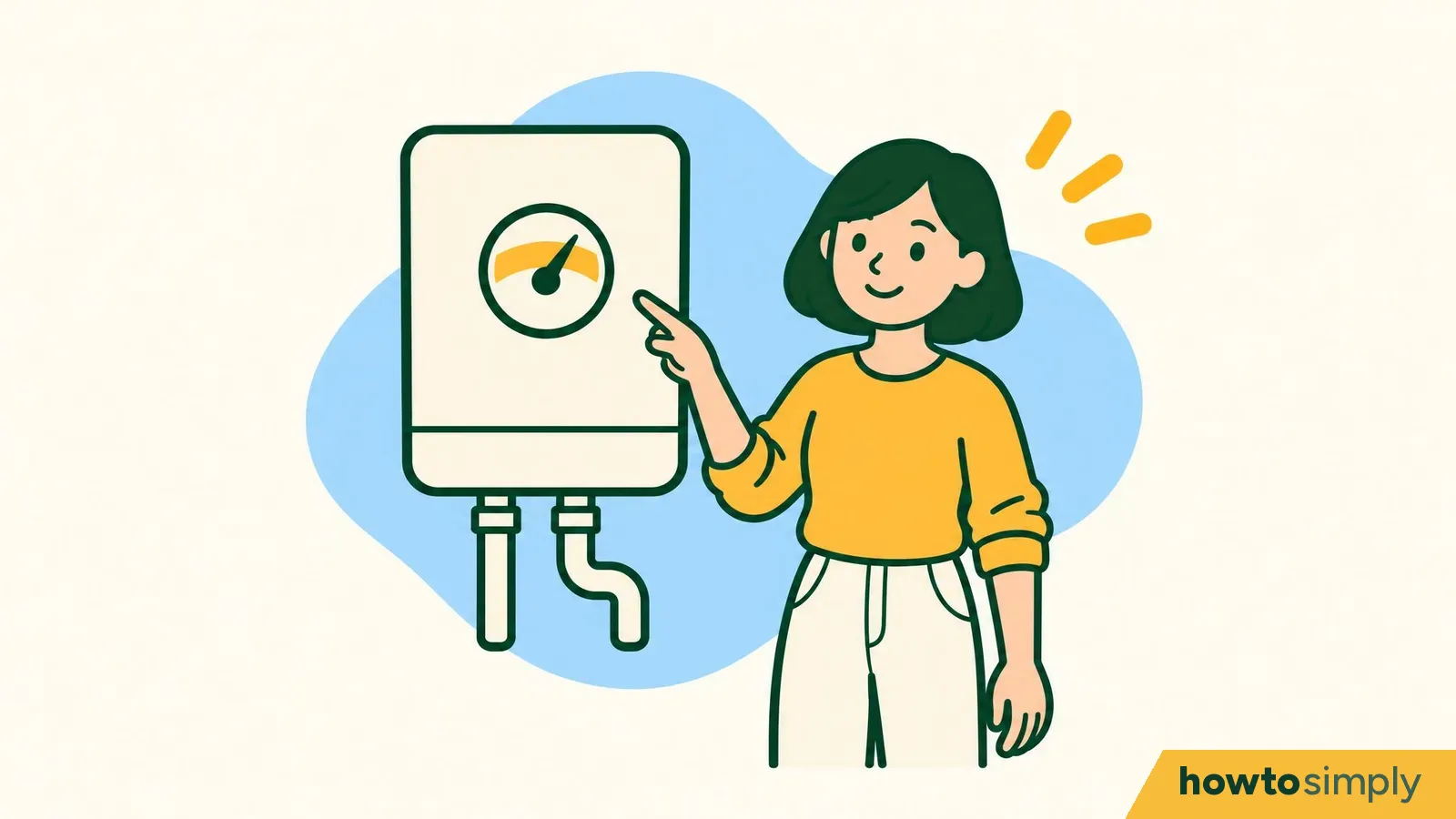
Turn the gas off at the meter, if it's easy and safe to reach.
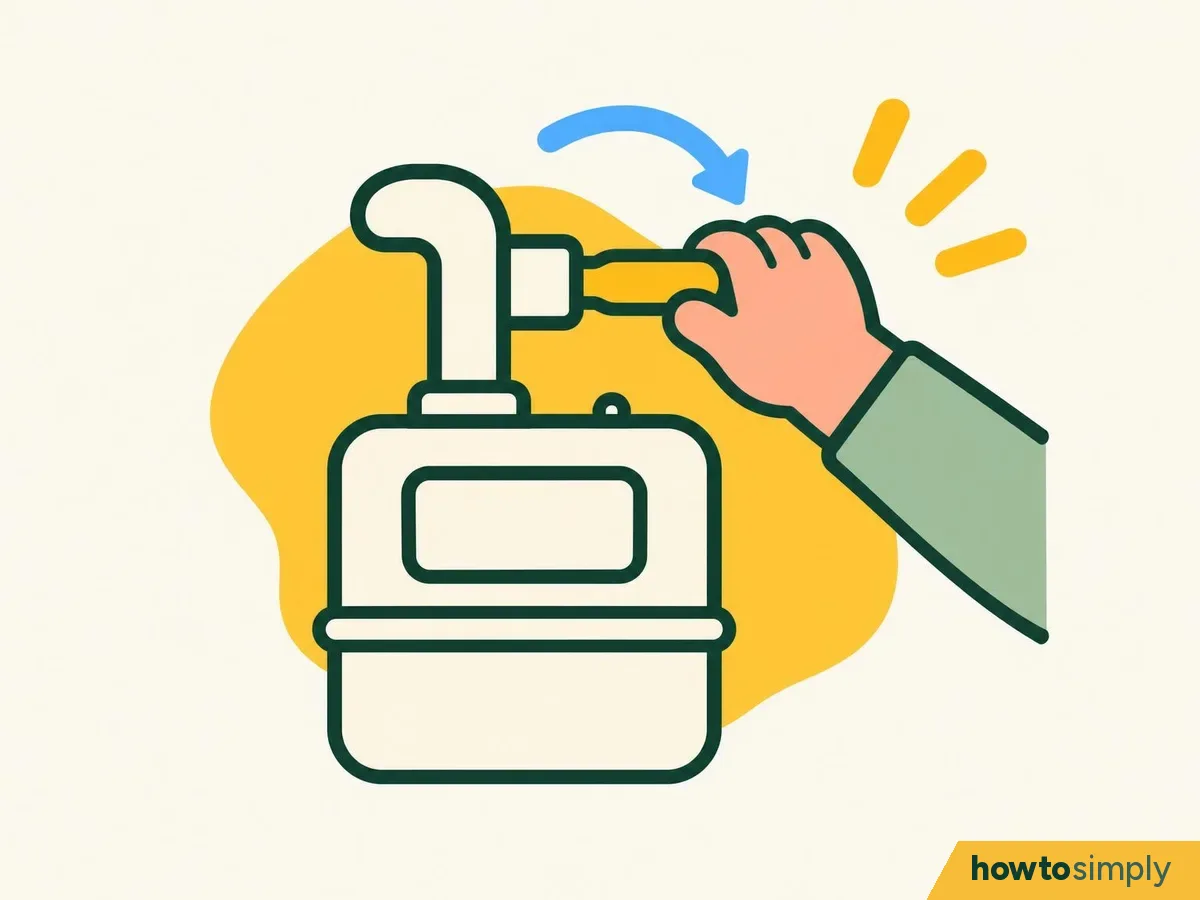
Illustration 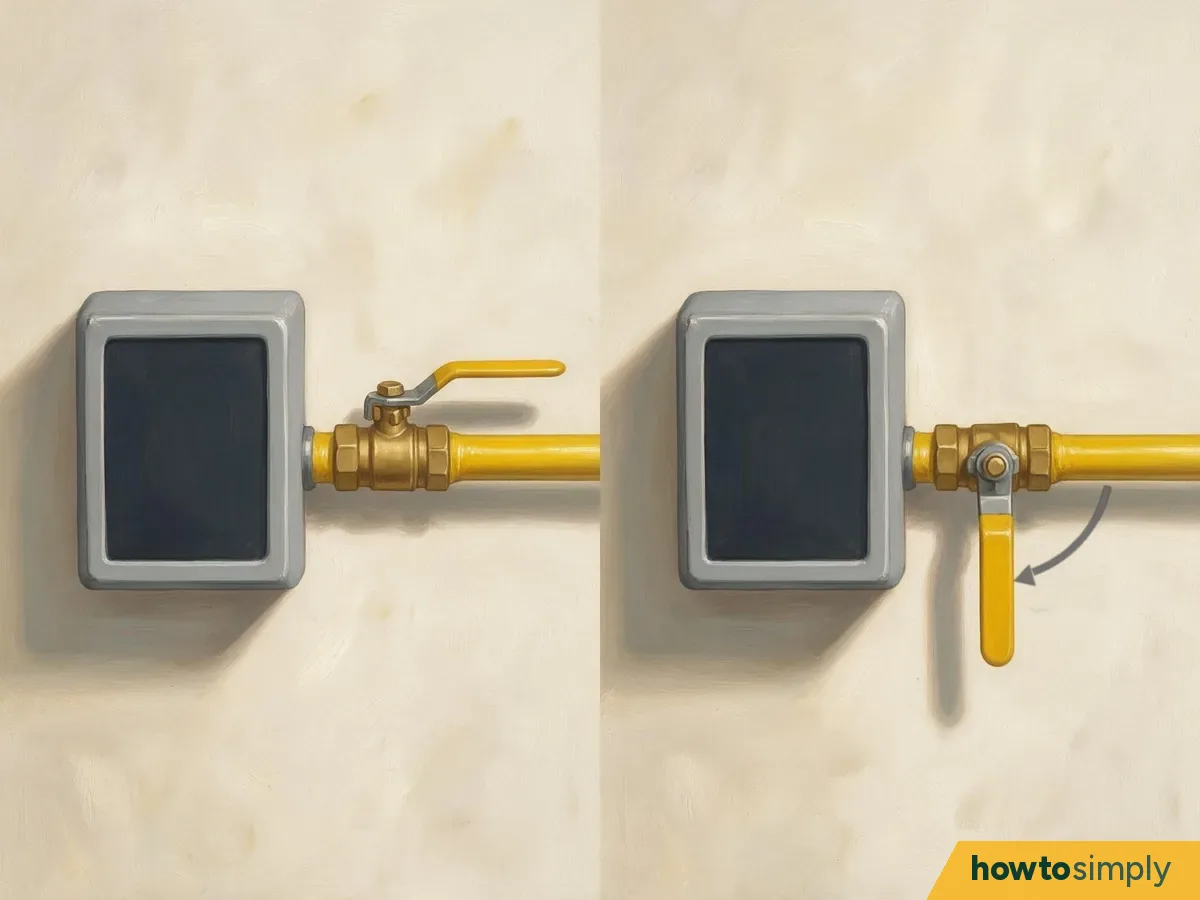
Illustration: lever along the pipe means on; a quarter turn so it sits across the pipe means off SGN says to shut off the gas at the meter and switch off every gas appliance. Freiwillige Feuerwehr Lehrte says to close the main shut-off valve.
Source
SGN, Cornwall Fire and Rescue Service, Freiwillige Feuerwehr Lehrte
Get out and call
Leave, and warn everyone in the building.
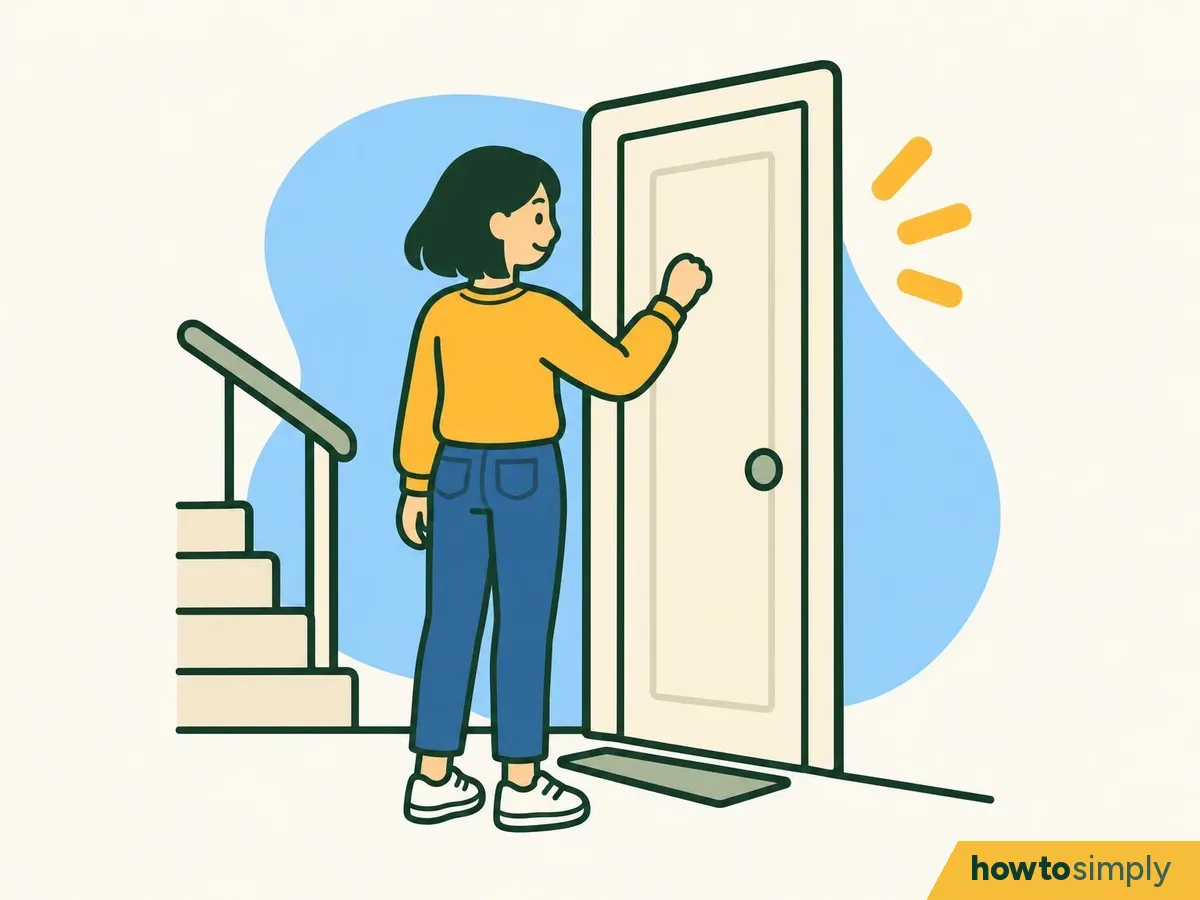
Illustration Tell other people in the building and ask them to leave. Knock with your hand instead of ringing the bell. Go on foot, and don't start a car.
You should see: everyone outside, well away from the building.
Source
Freiwillige Feuerwehr Lehrte, California Public Utilities Commission
Call the gas emergency number from outside.
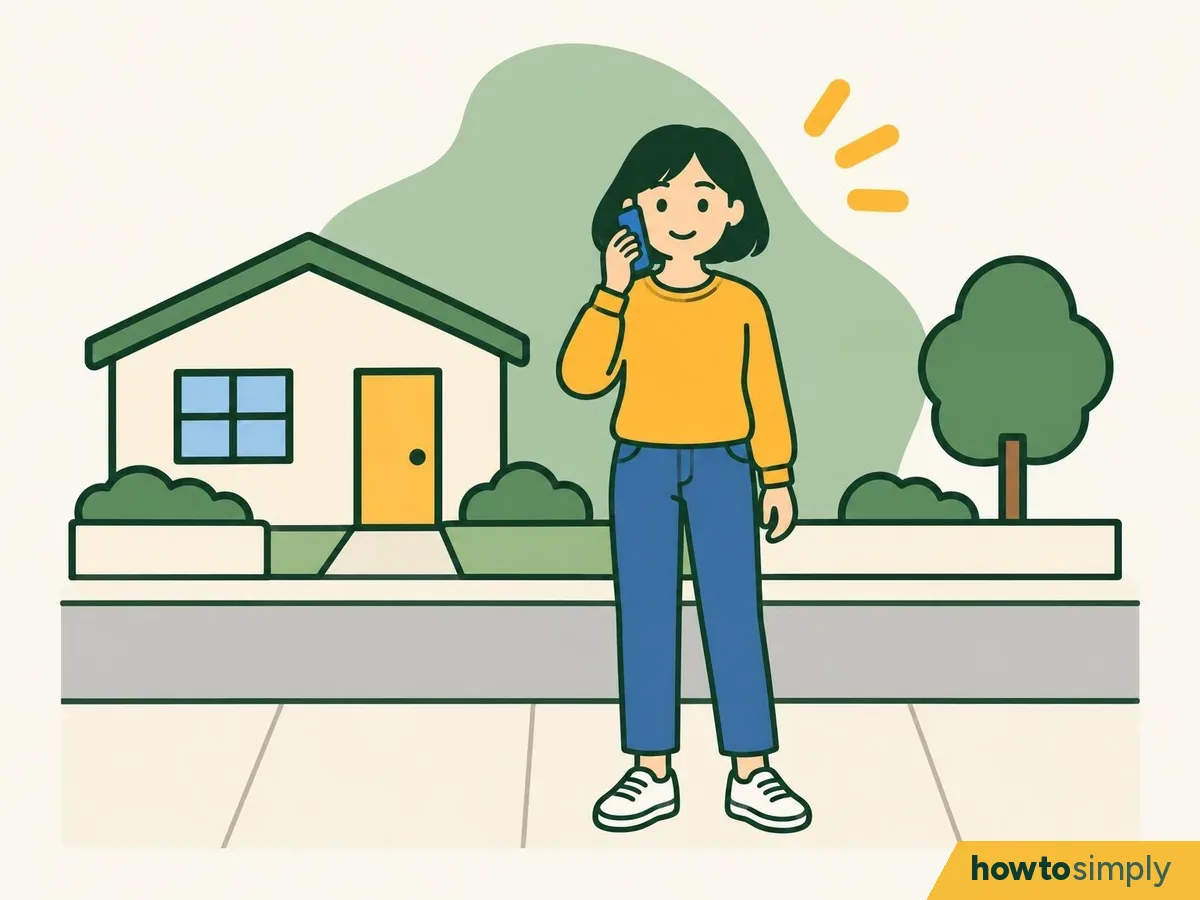
Illustration Don't use a phone inside or near the smell. Once you're away from it:
- UK: 0800 111 999, free and open 24 hours (SGN). Call 999 for the fire service in an emergency (Cornwall Fire and Rescue Service).
- Germany: 112 for the fire brigade, and your gas supplier (Freiwillige Feuerwehr Lehrte).
- California: ring your gas company, or 911 if it's an emergency that could put lives at risk (California Public Utilities Commission).
- Pakistan: the SNGPL helpline 1199 (APP), and Rescue 1122 in an emergency (Rescue 1122).
Source
Freiwillige Feuerwehr Lehrte, California Public Utilities Commission
Stay out, and let the engineer in.
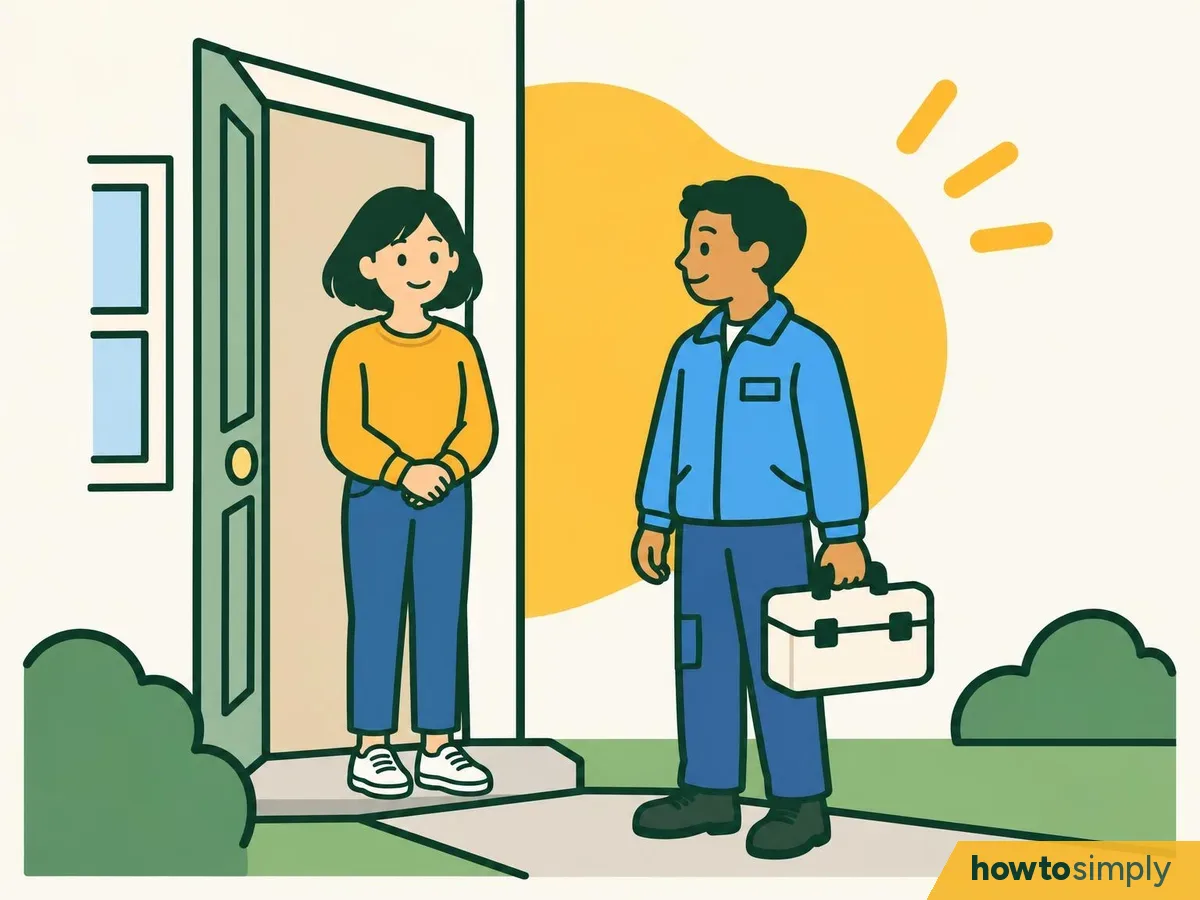
Illustration Keep people away if the area is cleared, and give engineers access straight away. The engineer will make the property safe and let you know what to do next.
Source
Cornwall Fire and Rescue Service, SGN
Don't use gas appliances again until they've been checked.
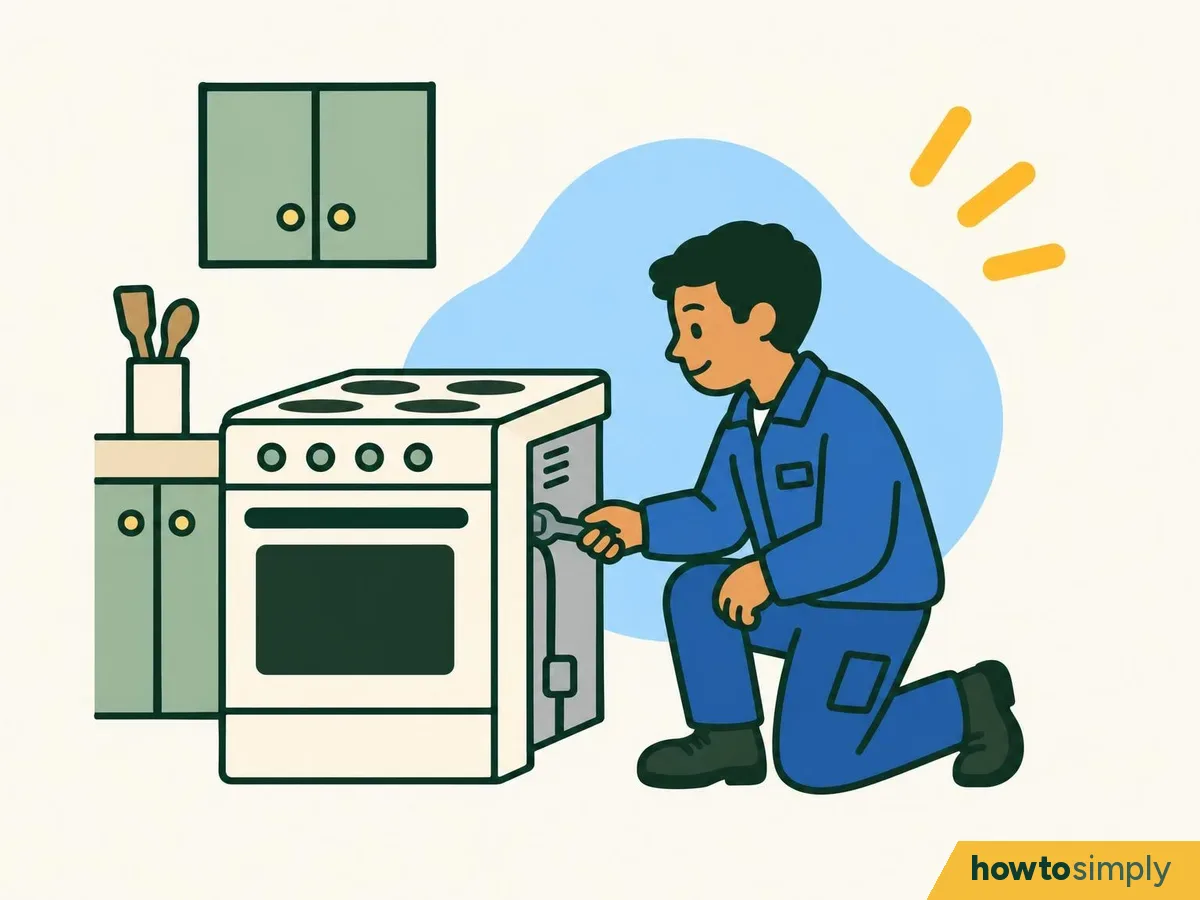
Illustration Cornwall Fire and Rescue Service says not to use gas appliances until the engineer has checked them.
Bottled gas (LPG cylinder)
Shut off the gas, then throw open every window and door and get yourself out into the open.
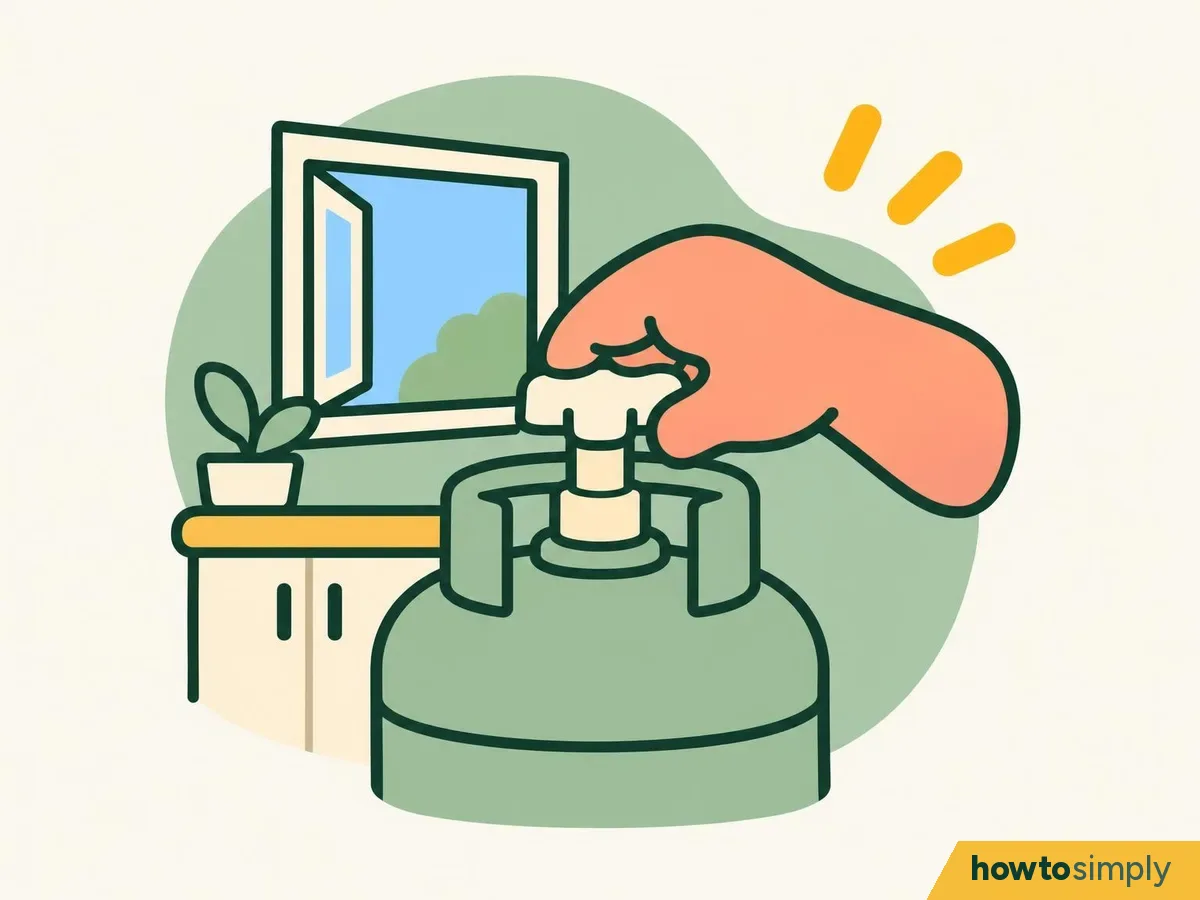
Illustration PSO's LPG safety sheet says to stop the leak where it starts and open every door and window. Never switch anything on, not even the lights or the exhaust fan in the dark.
Source
PSO and Rescue 1122
Don't try to repair the damage yourself.
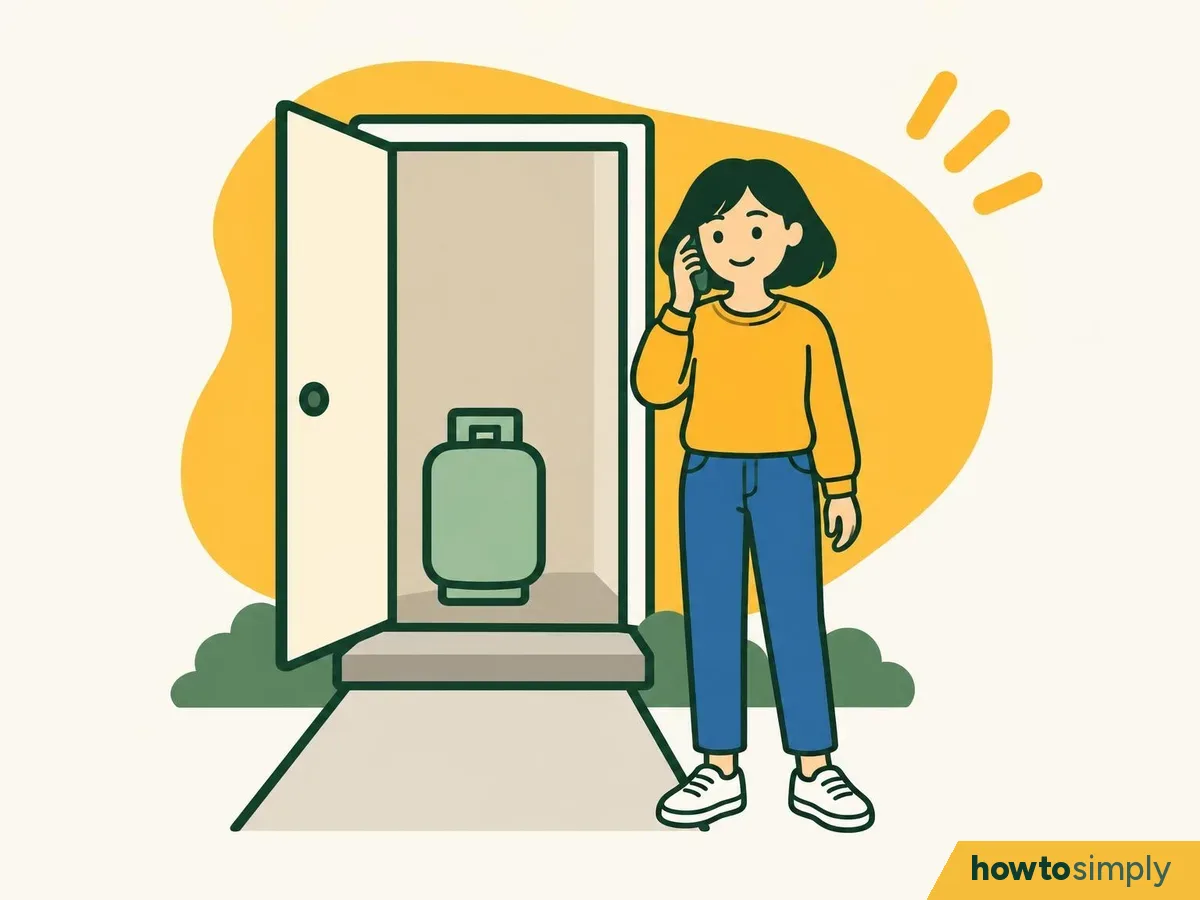
Illustration Move to an open area and call Rescue 1122.
Source
PSO and Lehrte fire brigade
Know the signs, and stop it happening
Learn the other signs of a leak, not just the smell.

Illustration The California Public Utilities Commission lists a hissing or roaring sound, bubbles in standing water, unexplained dead plants, dirt or water blowing into the air, and a damaged connection to a gas appliance.
Fit a carbon monoxide alarm.
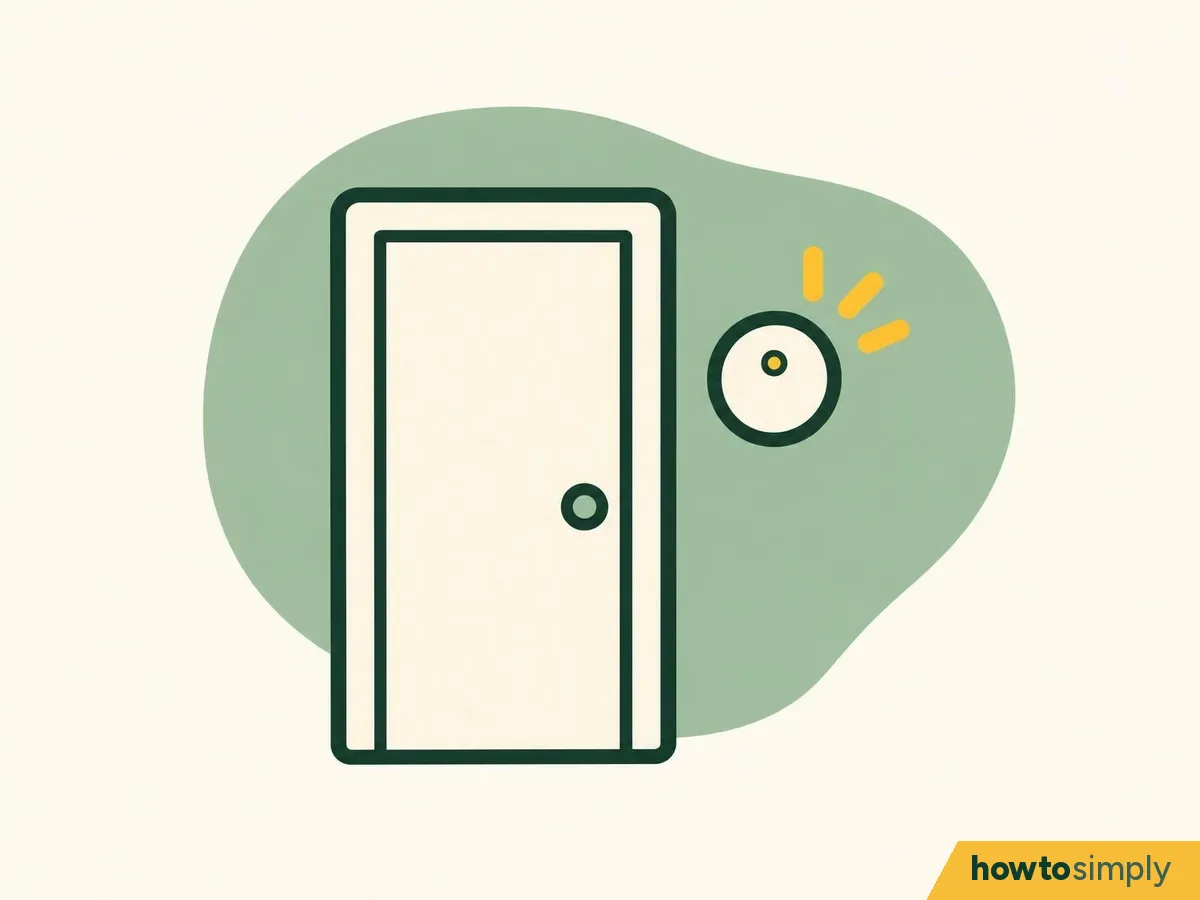
Illustration Carbon monoxide has no smell (NHS), so get a carbon monoxide alarm.
Source
NHS
Turn gas heaters off before you sleep.
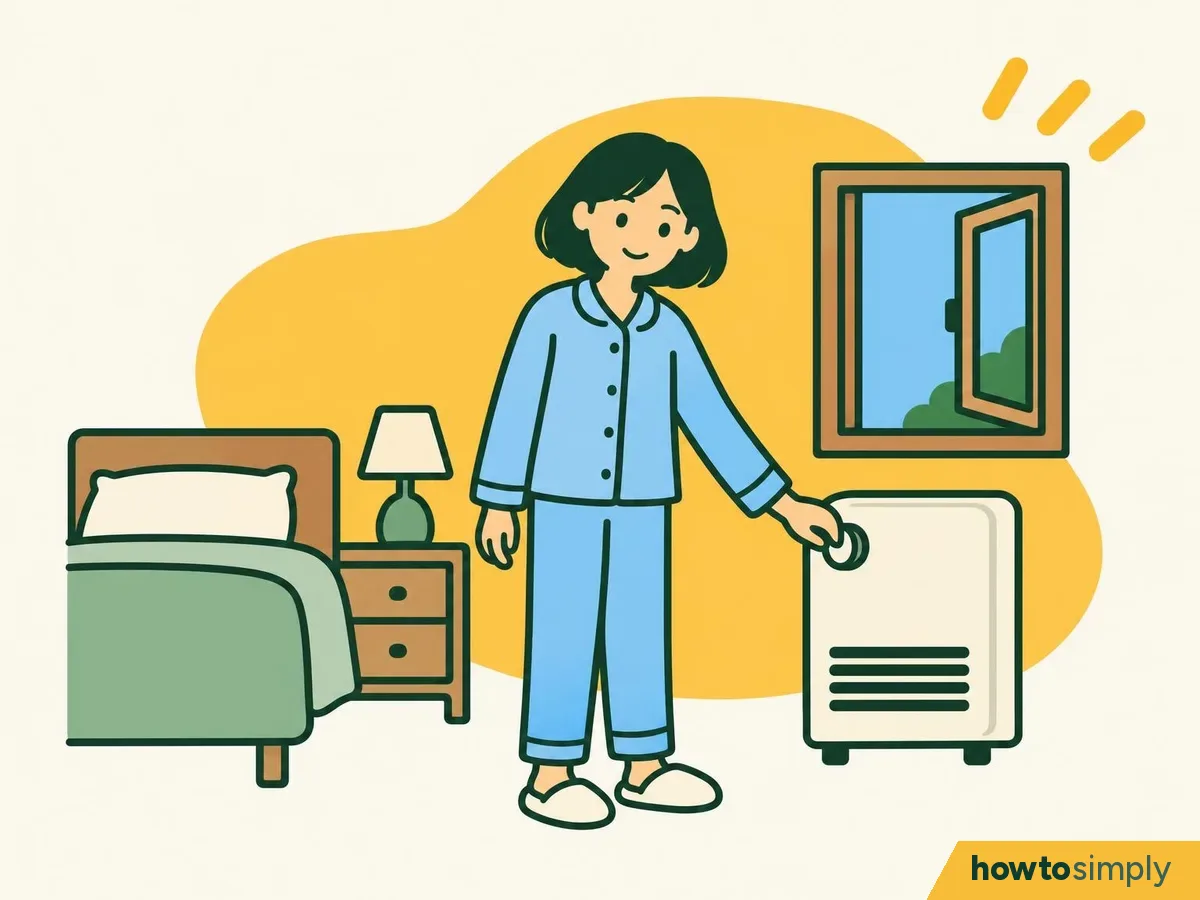
Illustration Rescue 1122 says never to use a gas heater while sleeping, and to keep a window or vent partly open while it runs.
Source
Rescue 1122
How to tell it's sorted
Once the engineer has been and the house has aired, you can let your shoulders drop a little. This is what sorted looks like:
- Everyone got out without anyone touching a switch or making a flame.
- You called from outside, and the gas service or fire brigade came.
- An engineer has checked your appliances before you use them (Cornwall Fire and Rescue Service).
- You can no longer smell gas anywhere in the home.
If something isn't right
If something doesn't seem right afterwards, please don't worry about making a fuss. Acting on it is exactly what a careful person does.
| What happens | What it means | What to do |
|---|---|---|
| The smell comes back after the engineer has left | The leak may not be fixed | Start again: no switches, open windows, get out and call |
| A hissing or roaring sound | A sign of a leak; louder means more severe (CPUC) | Leave straight away and call from a distance |
| The smell is outside, in the street | A possible gas leak | Leave the area on foot and call (CPUC) |
| Headache, dizziness or feeling sick, but no gas smell | Possible carbon monoxide (NHS) | Get into fresh air; in the UK call 111, or 999 if severe (NHS) |
What each country says
| UK | Germany | US (California) | Pakistan | |
|---|---|---|---|---|
| First | Open windows; gas off at the meter, unless it's in a cellar (SGN) | Open windows; close the main shut-off valve (Feuerwehr Lehrte) | Leave on foot first; don't turn valves (CPUC) | Shut the gas off, open windows, move outside (Rescue 1122) |
| Never | Switches, flames, smoking (SGN) | Switches, doorbells, a phone in the danger area (Feuerwehr Lehrte) | Phones, switches, garage door openers, vehicles (CPUC) | Matches, lighters, switches (Rescue 1122) |
| Call | 0800 111 999, free; 999 in an emergency (SGN, Cornwall FRS) | 112 and your gas supplier (Feuerwehr Lehrte) | Your gas company, or 911 in an emergency (CPUC) | SNGPL 1199 (APP); Rescue 1122 |
Before you close this page, make sure you keep your gas emergency number with your home emergency kit list, because you will not want to be searching for it on the day.
Turn the gas off yourself? What each source says
| Source | Shut off the gas? | Then |
|---|---|---|
| SGN, UK[1] | Yes, at the meter and at appliances; never go into a cellar | Call 0800 111 999 |
| Cornwall Fire and Rescue Service, UK[2] | Yes, at the meter, unless it's in a cellar or basement | Call 0800 111 999, or 999 in an emergency; keep people away |
| Freiwillige Feuerwehr Lehrte, Germany[3] | Close the main shut-off valve | Call 112 and the gas supplier from outside the danger area |
| California Public Utilities Commission, US[4] | No: don't try to control the leak by turning valves | Leave on foot, then call the gas operator or 911 |
| NYC311, US[5] | Not mentioned | Leave at once; call 911 once safe |
| Rescue 1122, Pakistan[7] | Yes, turn off the gas supply | Open windows and doors, move to an open area, call 1122 |
| PSO, LPG cylinders[8] | Stop the leak at its source | Open every door and window; never repair a leaking cylinder |
Graphic by howtosimply, from the sources below.
Questions
Should I go down to the cellar to turn off the meter?
No. SGN says not to enter a cellar even if the meter is there, and Cornwall Fire and Rescue Service says to leave the building if the smell is in the cellar.[1][2]
Can I use my mobile phone?
Not in the room or area where you smell gas. Call once you're outside and away from it.[3][4]
What happens after I call in the UK?
An adviser takes your details, tells you what to do and sends an emergency gas engineer. The engineer carries ID, needs to get into the property to make it safe, and then tells you what to do next.[1]
What if I smell gas in the street?
The California regulator says to leave the area on foot, then call your gas operator or 911[4]. NYC311 says to leave straight away and call 911 once you're safe[5].
Is it free to call the gas emergency number in the UK?
Yes. SGN describes 0800 111 999 as a free 24-hour helpline, and Cornwall Fire and Rescue Service says it runs day and night, every day of the year.
Why does gas smell of rotten eggs?
Gas suppliers add an odorant that gives natural gas a clear warning smell, similar to rotten eggs (Freiwillige Feuerwehr Lehrte, California Public Utilities Commission).
Could I have a gas problem I can't smell?
Yes: carbon monoxide from a faulty boiler, cooker or heater has no smell (NHS). A carbon monoxide alarm makes a loud sound if carbon monoxide is present (NHS). Headache, dizziness and feeling sick can be signs (NHS).
The pictures on this page are illustrations, not photos.
How we know this: sources, checks and every change
Current advice
Don't touch switches, flames or cigarettes; open doors and windows, turn the gas off at the meter unless it's in a cellar, and call 0800 111 999 in the UK[1][2]. In California and New York, leave on foot first, then call[4][5].
Information, not professional advice.
Latest update
17 November 2026. We re-read the sources. All 10 opened today and still back the steps, the numbers to call and the country table. We corrected two credits on the page, listed below.
What changed in this version
- Correction: the step 'Don't try to repair the damage yourself' was credited to Rescue 1122, but their advice doesn't say it. It now credits PSO's LPG sheet and the Lehrte fire brigade, which do[3][8].
- Correction: moving out into the open after a cylinder leak was credited to PSO alone; it now credits both. PSO says to stop the leak and open every door and window; it is Rescue 1122 that says to move to an open area[7][8].
Key facts
- Don't switch anything on or off: a switch could set leaking gas alight.[1][2][3]
- Put out naked flames and don't smoke or strike a match.[1][2][3]
- In the UK, open doors and windows, turn the gas off at the meter and at any appliances, and call the free 24-hour number 0800 111 999.[1][2]
- Never go into a cellar or basement to reach the meter. If the smell is in the cellar, get out of the building.[1][2]
- In Germany, call 112 and your gas supplier from a phone outside the danger area, and warn everyone else in the building to leave.[3]
- In California, leave on foot first, then call your gas operator or 911; don't turn valves, ring doorbells, use a phone near the gas or start a vehicle. New York City says leave at once and call 911 once safe.[4][5]
- Natural gas has a smell added to it, like rotten eggs. Other signs include a hissing or roaring sound, bubbles in standing water and dead plants with no clear cause.[3][4][5]
- Carbon monoxide has no smell. The UK gas emergency number also takes calls if you suspect carbon monoxide.[1][9]
What the sources agree on
Where the sources differ, or nothing is confirmed
- Turning off the supply: UK and German sources and Rescue 1122 say turn the gas off; the California regulator says don't touch valves at all.[1][3][4][7]
- Air out first or leave first: SGN and the Lehrte fire brigade say open doors and windows; the California regulator and NYC311 say leave the area straight away.[1][3][4][5]
- Who to call: 0800 111 999 in the UK, 112 and the gas supplier in Germany, the gas operator or 911 in California, 911 in New York, and SNGPL's 1199 or Rescue 1122 in Pakistan.[1][3][4][5][6][7]
Record history
- Version 7. Sources re-read; record layout added with key facts, a table of what each source says about the gas supply, agree and differ notes, history and more questions.
- Version 6. The 13 November rewording was taken back off this page and the checked text returned.
- Version 5. Wording rewritten throughout.
- Version 4. Every line checked against its source; some source names and wording corrected.
- Version 3. Wording made clearer: the California difference moved up near the top, and two questions were taken out.
- Version 2. Published on the site.
- Version 1. First written, with illustrations; one drawing redrawn the same day.
Sources
- SGN: What to do if you smell gas. Read 17 November 2026.
- Cornwall Fire and Rescue Service: Action to take if you smell gas. Read 17 November 2026.
- Freiwillige Feuerwehr Lehrte: Was tun bei Gasaustritt? (German). Read 17 November 2026.
- California Public Utilities Commission: Emergency response. Read 17 November 2026.
- NYC311: Natural gas detectors. Read 17 November 2026.
- APP: SNGPL call centre 1199. Read 17 November 2026.
- APP: Rescue 1122 issues safety guidelines for gas heater use. Read 17 November 2026.
- PSO: LPG safety (16 December 2011, PDF). Read 17 November 2026.
- NHS: Carbon monoxide poisoning (reviewed 16 December 2025). Read 17 November 2026.
- Verband der Feuerwehren in NRW: Fachempfehlung Kohlenstoffmonoxid (German, 2 April 2012, PDF). Read 17 November 2026.
Sources and method
- Researched by
- Abu Bakar Saadat
- Pictures
- 16 illustrations drawn for this article: drawings, not photos.
- Sources
- Steps checked against the 10 named sources linked below.
- What this page adds
- A UK, Germany, US and Pakistan table on what to do first, what never to touch and who to call, steps for a leaking gas cylinder, and a table on signs such as a hissing sound.
- What we checked
- On 17 November 2026 we re-read all 10 sources: the SGN and Cornwall Fire and Rescue Service pages, the Lehrte fire brigade's gas page, the California regulator's emergency page, NYC311, the two APP reports on SNGPL and Rescue 1122, PSO's LPG sheet, the NHS carbon monoxide page and VdF NRW's advice paper, and checked each step, number and table entry against them.
What to do next
When something goes wrong at home Step 1 of 5
- Power cut at home? What to do first, keep food safe and who to callLights out? Here is the order to check things.
- Power went off? How to reset a tripped RCD (FI-Schalter, GFCI) and find what tripped itOnly your house is dark? It is often a tripped switch.
- How to change the fuse in a plug: the right rating and when to stopOne appliance dead? Try the plug fuse.
Did this solve the problem?
Where did you get stuck?
Get new guides by email
Our newest guides, sent to your inbox. Free, and you can unsubscribe in one click.
We'll email you to confirm. How we use your email
Follow howtosimply on Facebook
We share every new article on our Facebook page, so the next fix turns up in your feed.
Follow on FacebookWhat did you think?
Reaction counts are loading.