Teething baby: signs, and what really helps
Reviewed by Dr Aaiman Liaqat✓, BDS
By Abu Bakar Saadat6 min readPublisher: Saadat Rafiq
Last updated: 6 November 2026References
 Illustration
On this page 11 sections
In short
Most babies start teething at around 6 months. Signs include dribbling, chewing and sore gums. A chilled (not frozen) teething ring, gently rubbing the gums and lots of comfort help. A high fever or diarrhoea isn't teething: get it checked.
At a glance
- Usually starts
- Around 6 months; anywhere from before 4 to after 12 (NHS)
- First teeth
- Usually the bottom front two (NHS, MedlinePlus)
- Ring
- Chilled in the fridge, never frozen (NHS)
- Never
- Anything tied round the neck, aspirin (NHS, MedlinePlus)
- Not teething
- High fever or diarrhoea: get advice (NHS, kindergesundheit-info.de)
- All milk teeth
- By 2 to 3 years: 20 teeth (NHS, kindergesundheit-info.de)
- Checked
- November 2026
Some babies get their teeth with no trouble at all, and some have a few sore, unsettled days (NHS). This guide shows the usual signs, the things that help, and what is not teething and needs checking. UK, German and US advice differ on food to chew and on gels, so the table near the end shows all three.
Get medical advice if your baby has a high temperature, diarrhoea, or any symptom that worries you. These aren't caused by teething (NHS, MedlinePlus). In the UK, call NHS 111 or your GP; in Germany, see your children's doctor (kindergesundheit-info.de).
What do you want to do?
Check if it's teething
Signs, timing, and what isn't teething. Start at Spot the signs.
Soothe your baby now
Chilled ring, gentle rub, comfort. Go to Soothe the gums.
Look after new teeth
Brush from the first tooth. Go to New teeth.
Spot the signs
Expect the first teeth at around 6 months, usually at the bottom front.
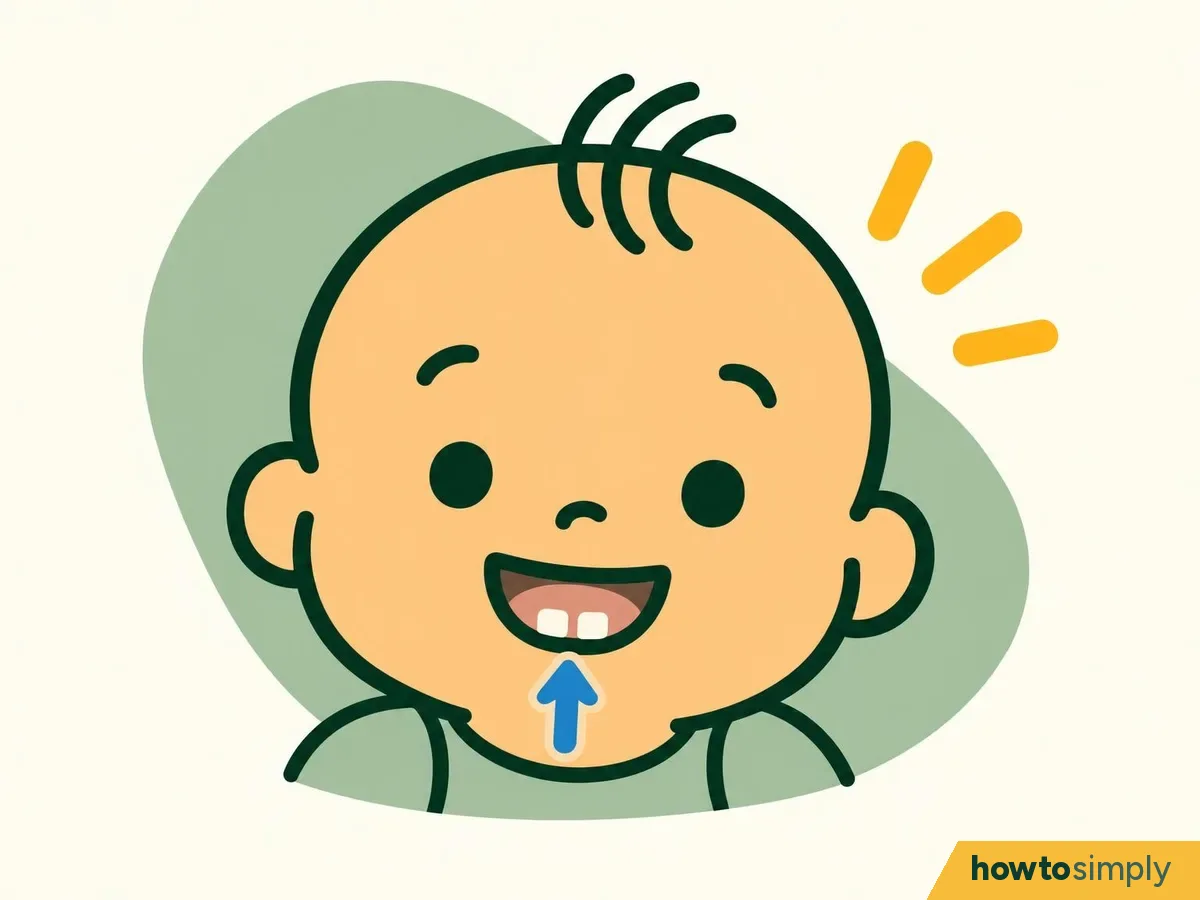
Illustration Most babies start teething at around 6 months, but some start before 4 months and some after 12 (NHS). The bottom front teeth usually come first, then the top front teeth (NHS, MedlinePlus, kindergesundheit-info.de). Most children have all 20 milk teeth by 2 to 3 years (NHS).
Look for dribbling, chewing, a red cheek and sore gums.
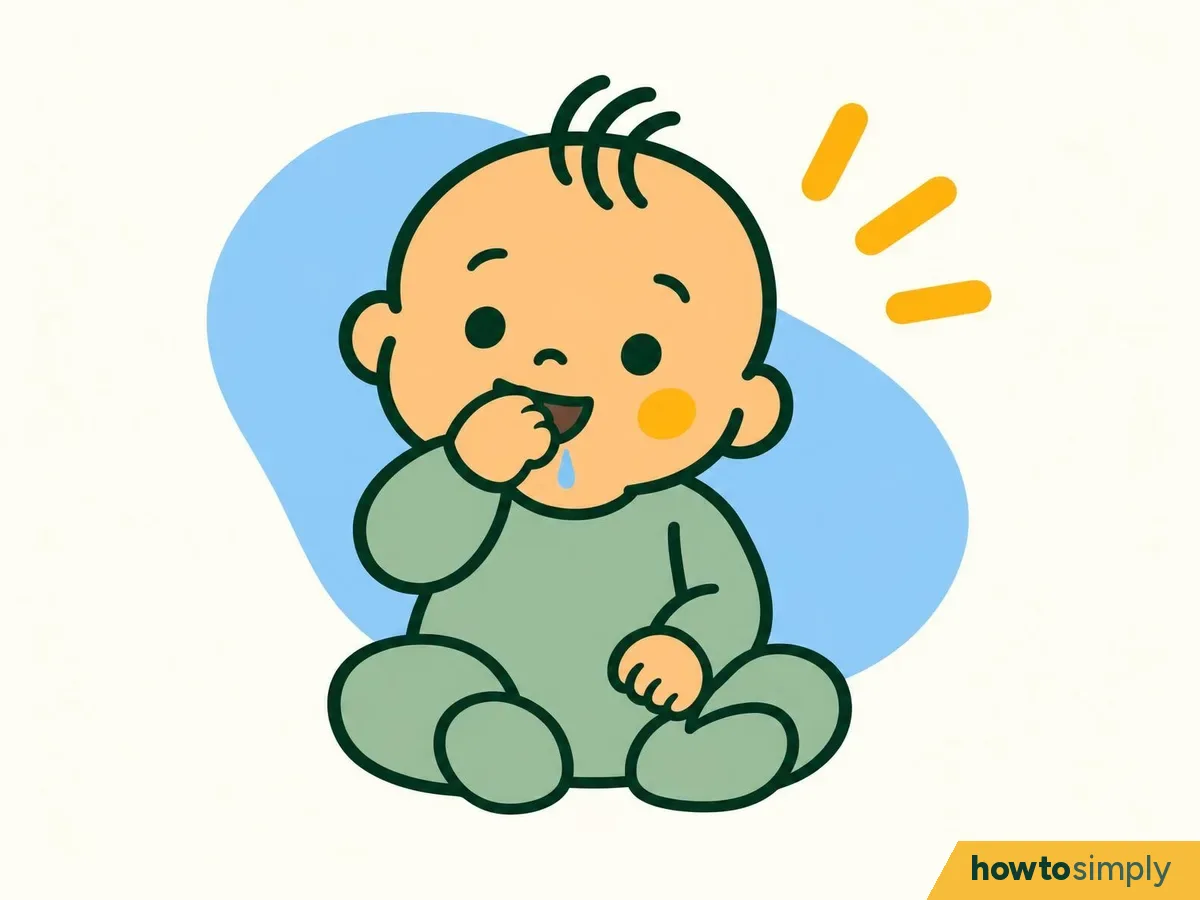
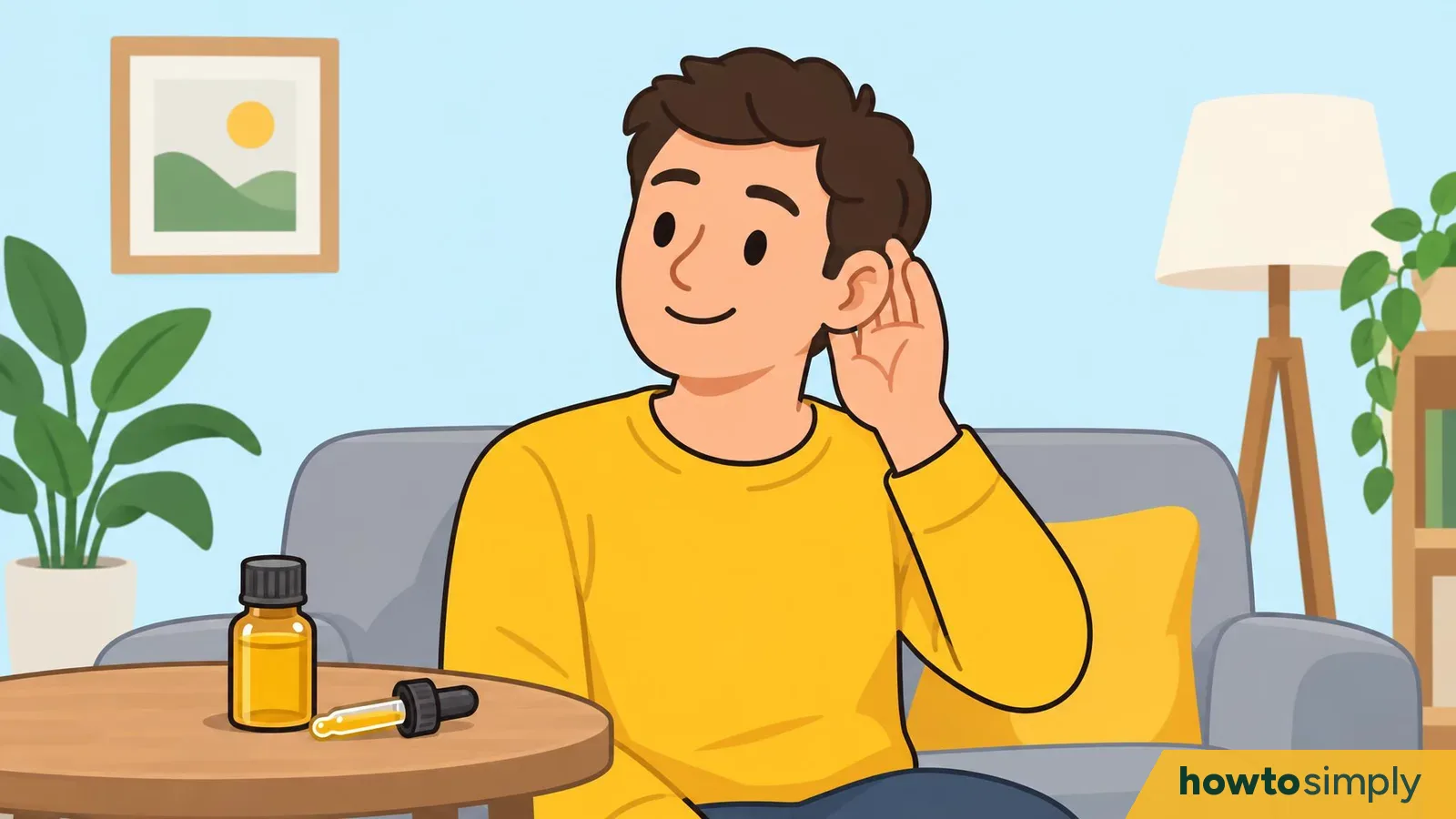
Illustration Signs include a sore, red gum where the tooth is coming through, one flushed cheek, a rash on the face, rubbing an ear, more dribbling, chewing a lot, being more fretful and sleeping badly (NHS). Some teeth come through with no symptoms at all (NHS).
A high temperature or diarrhoea isn't teething: get advice.
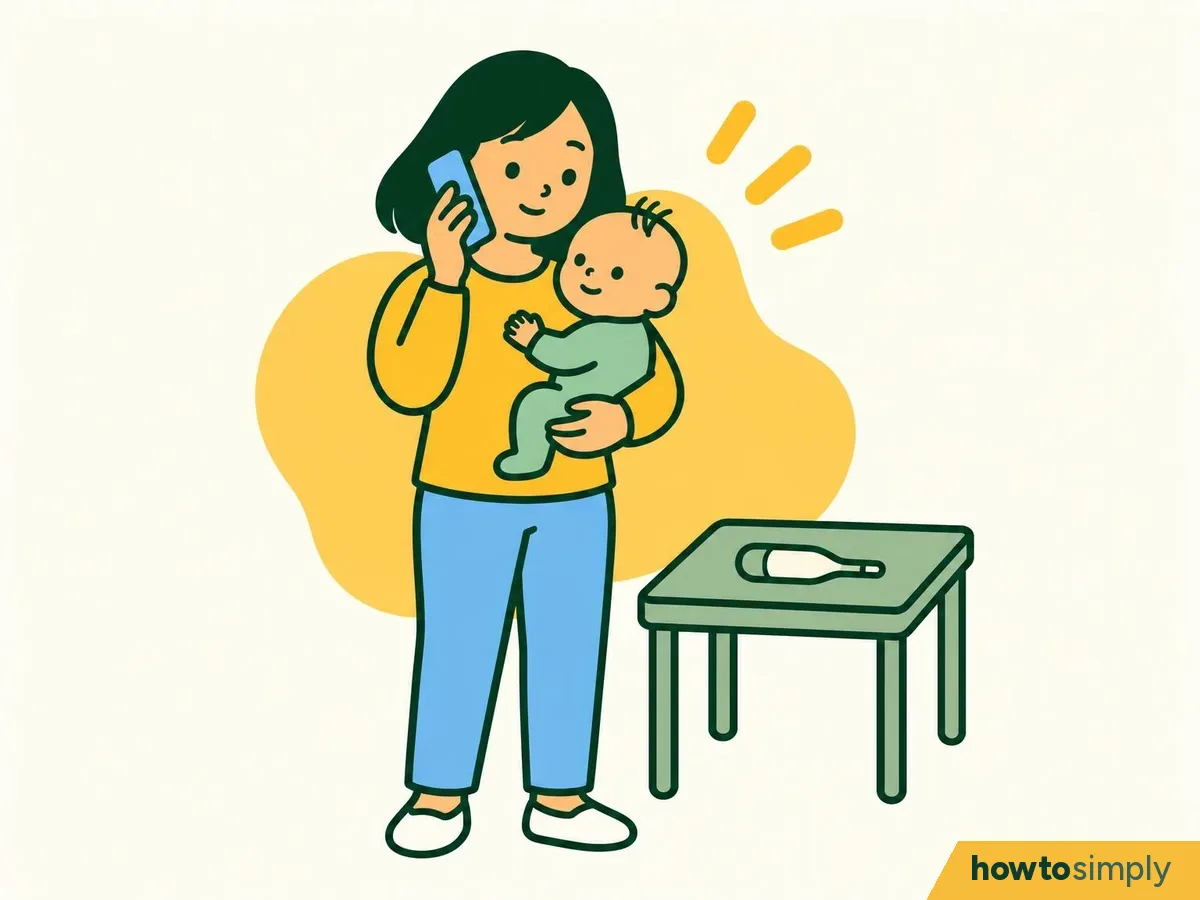
Illustration A teething baby's temperature may be slightly raised but stays under 38C, and there's no evidence teething causes diarrhoea (NHS). Teething doesn't cause fever or diarrhoea (MedlinePlus), and German advice is to have them checked by a children's doctor (kindergesundheit-info.de). It helps to keep a note of the temperature and when it started.
Soothe the gums
Chill a teething ring in the fridge. Never freeze it.
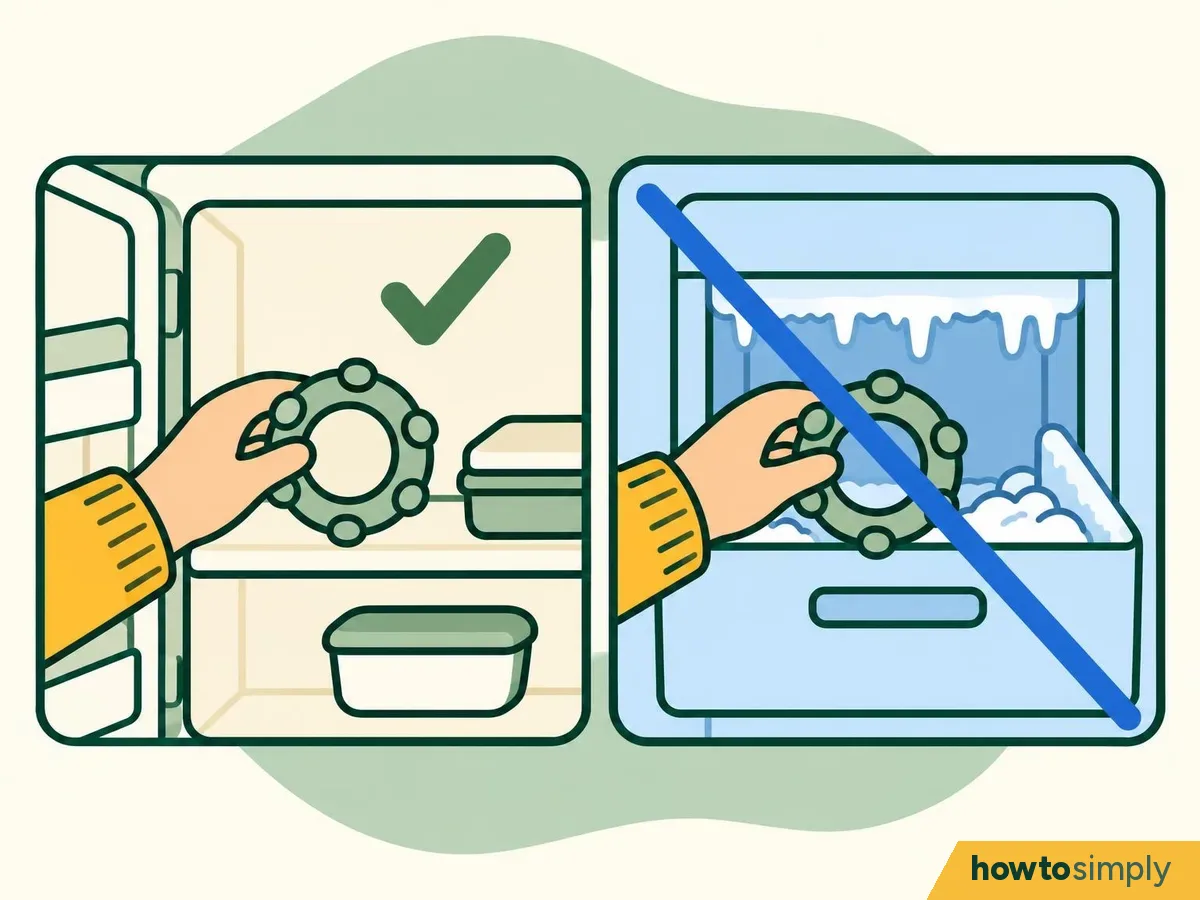
Illustration A teething ring gives your baby something safe to chew, and chilling it in the fridge may soothe the gums. The instructions say how long to chill it. Never freeze it, as a frozen ring could damage the gums (NHS). German advice says cooled, not ice-cold (kindergesundheit-info.de). MedlinePlus says to avoid liquid-filled rings and plastic that might break.
Never tie a ring, or anything else, round your baby's neck.
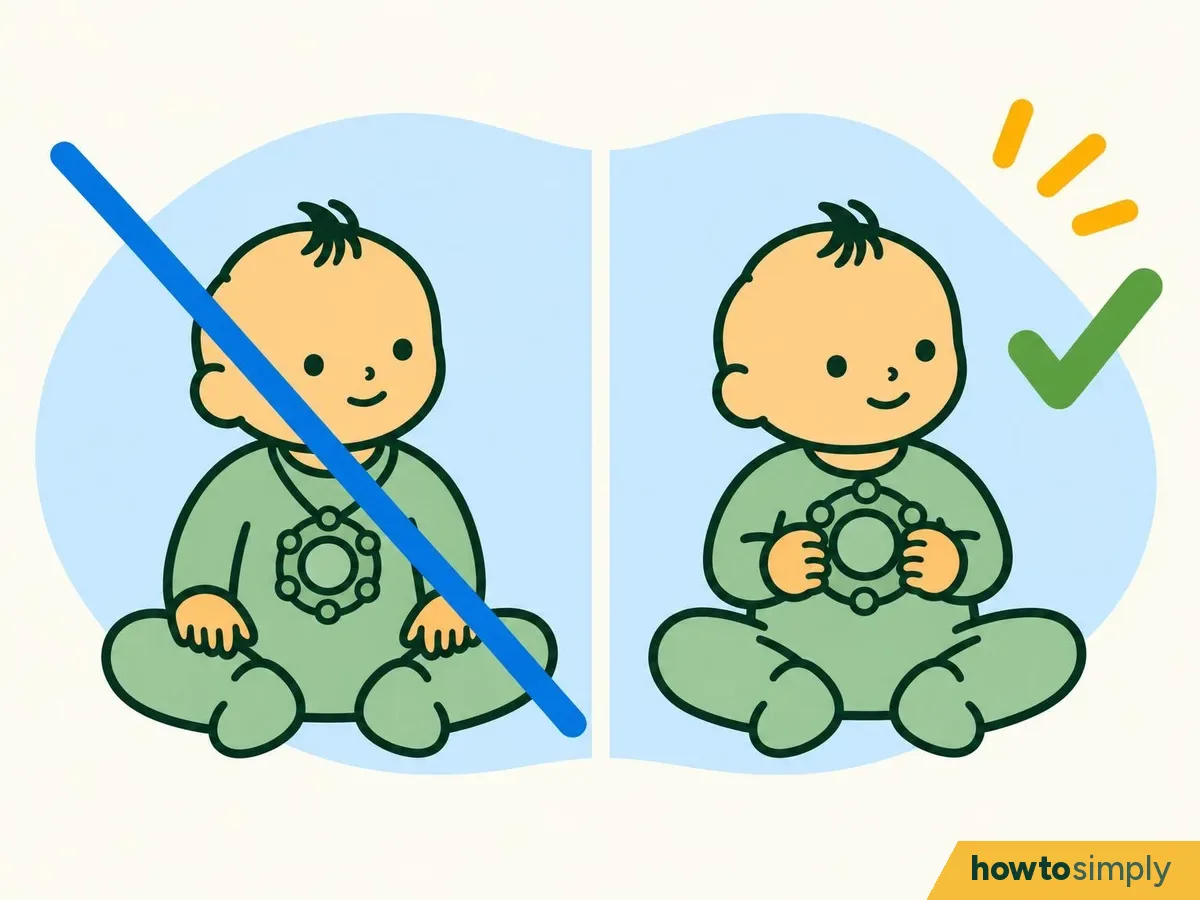
Illustration A ring tied round the neck may be a choking hazard (NHS, MedlinePlus). kindergesundheit-info.de also advises against amber necklaces because of the risk of choking and injury.
Wash your hands, then gently rub the gums with a clean finger.
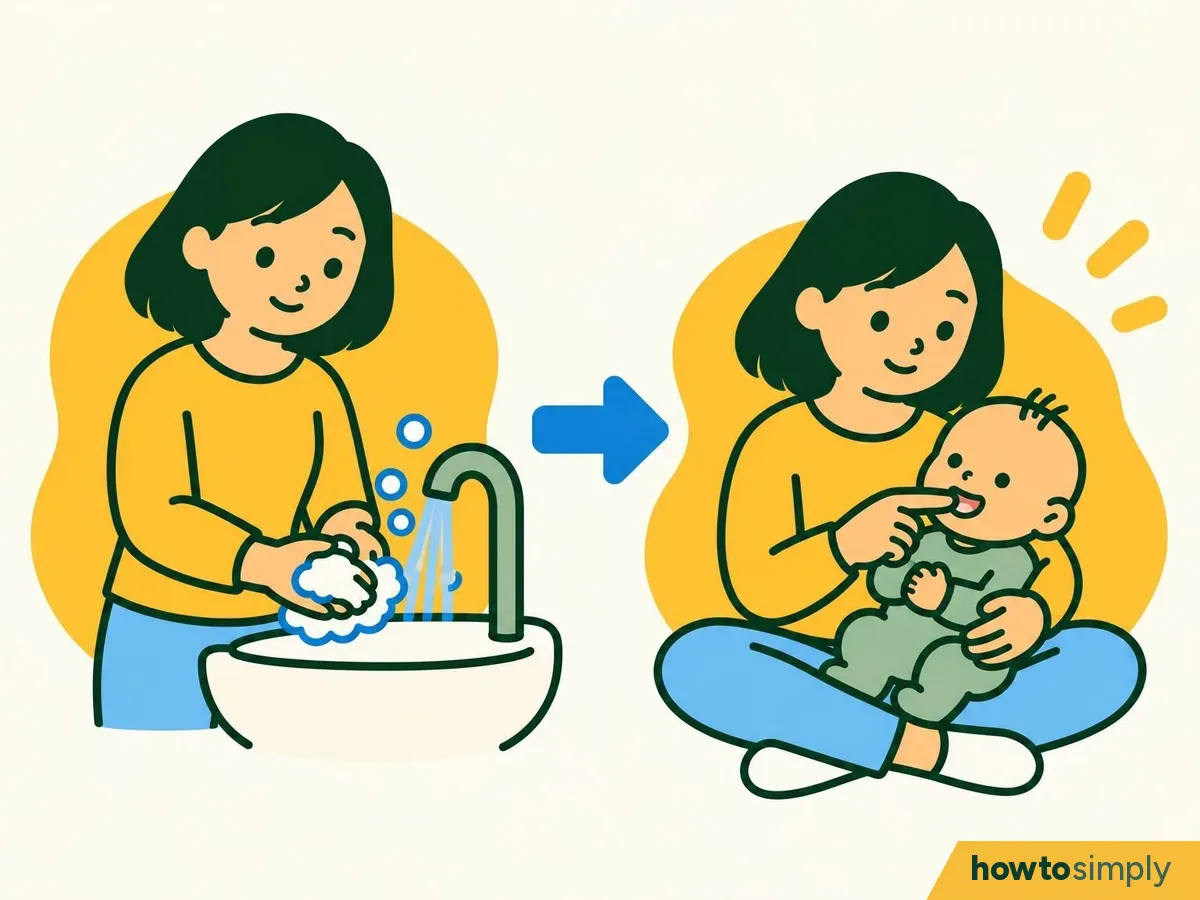
Illustration Gently rubbing the gums with a clean finger may help (NHS). Many babies like a gentle gum massage (kindergesundheit-info.de). MedlinePlus says a finger is fine until the tooth is right near the surface.
Let them chew a cool, wet washcloth.
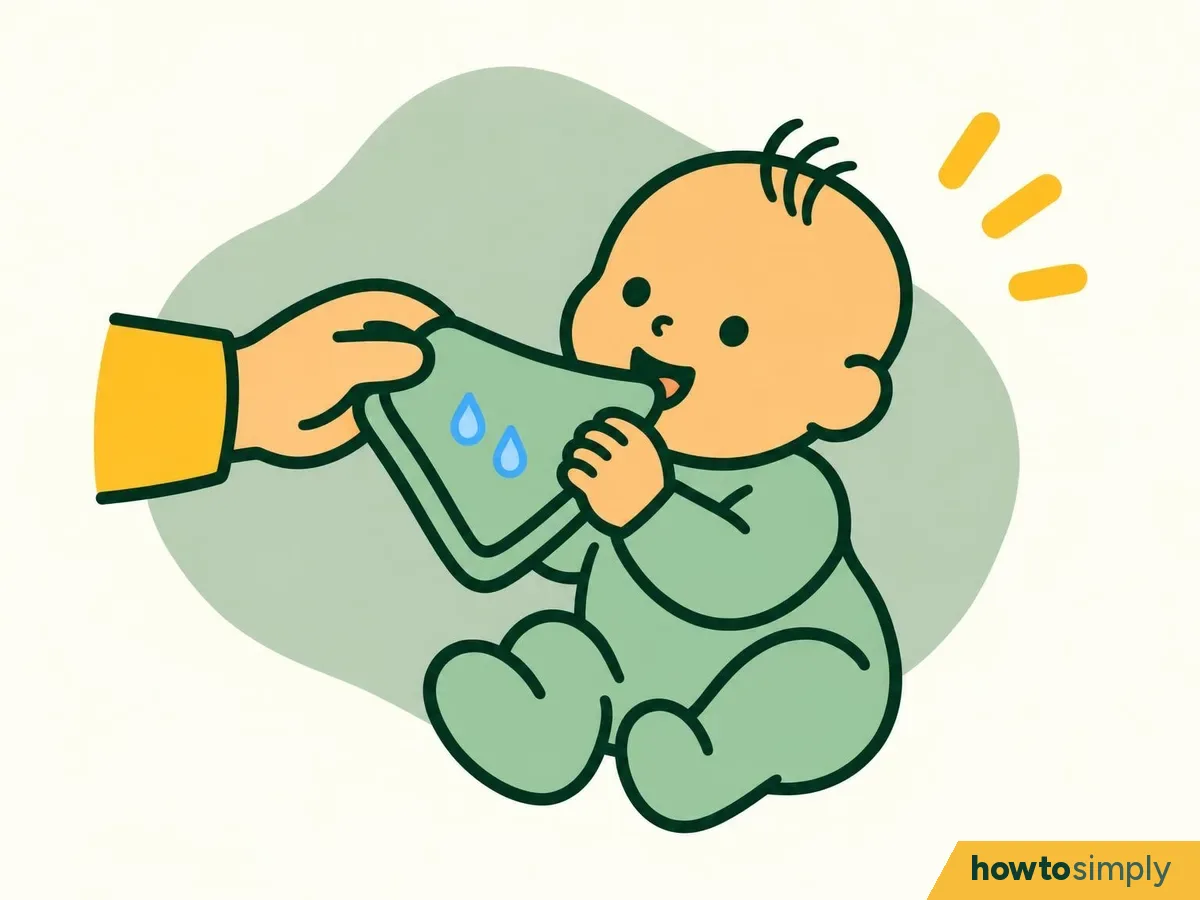
Illustration A wet washcloth to chew can help (kindergesundheit-info.de). MedlinePlus suggests rubbing the gums with a cool, wet washcloth, and washing it before using it again.
Food to chew? Check your country's advice, and always watch.
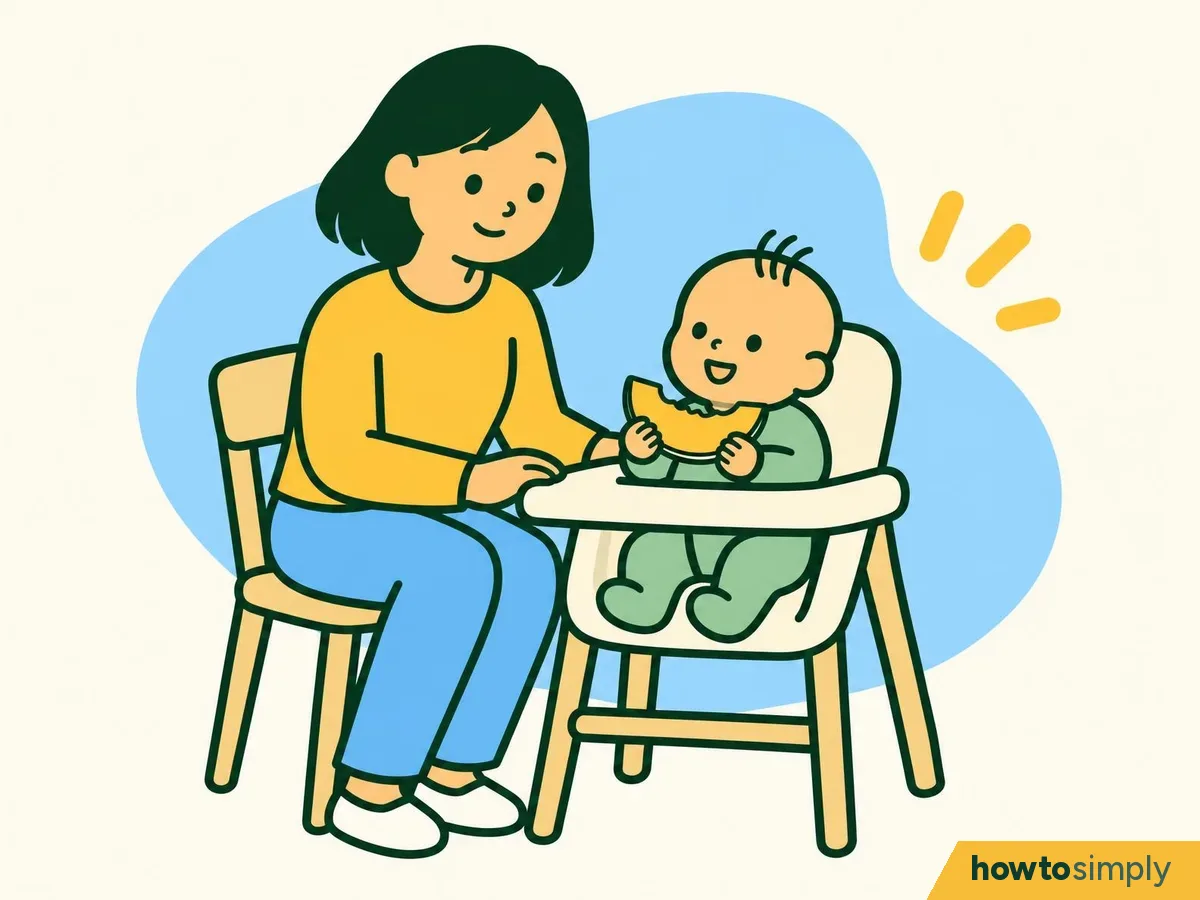
Illustration The NHS says that from 6 months, if your baby is weaning, you can give healthy things to chew such as raw fruit and vegetables, and soft fruit like melon can soothe gums. Always watch in case they choke. German advice does not recommend cool food to chew, because of the choking risk (kindergesundheit-info.de). MedlinePlus suggests cool, soft foods such as applesauce or yoghurt. Avoid rusks and sugary foods, which can cause decay even with only a few teeth (NHS).
Wipe away dribble gently to stop a rash.
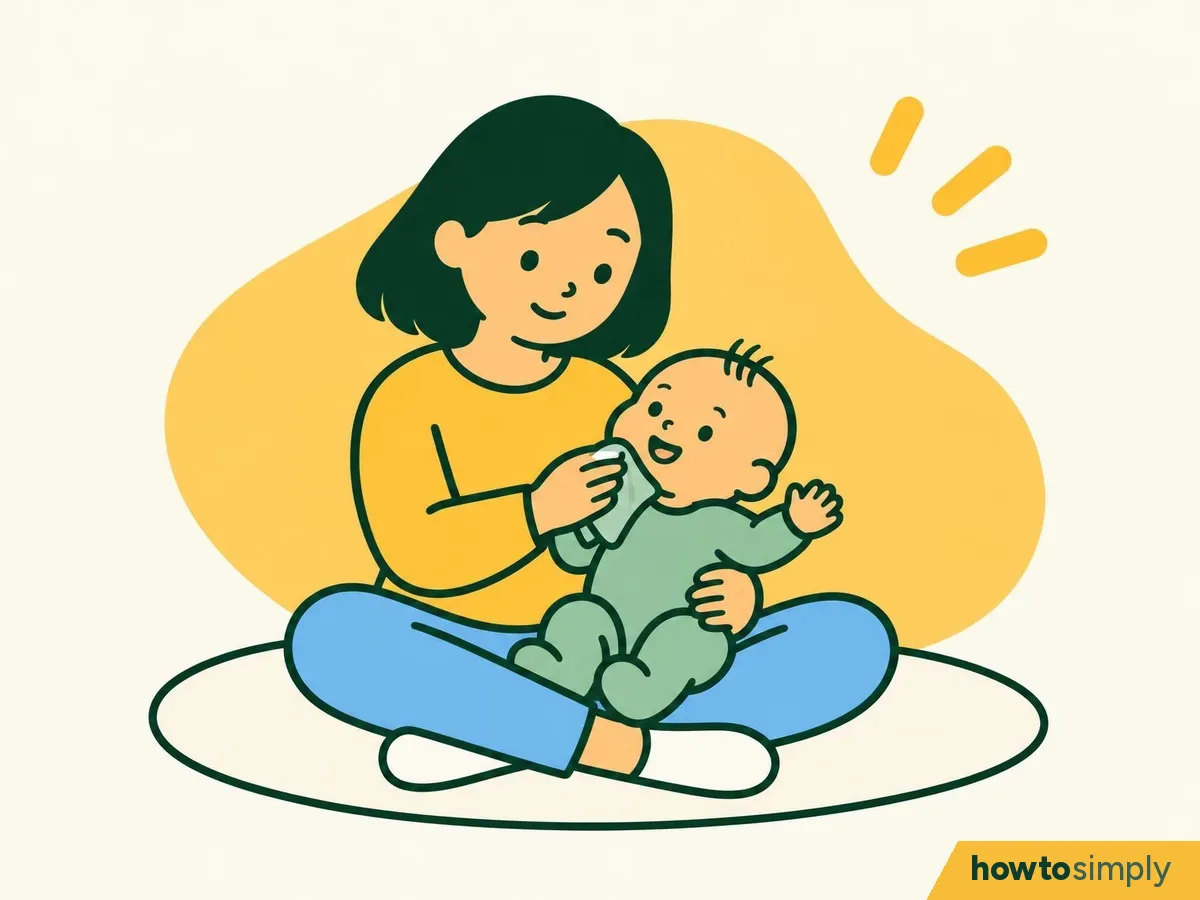
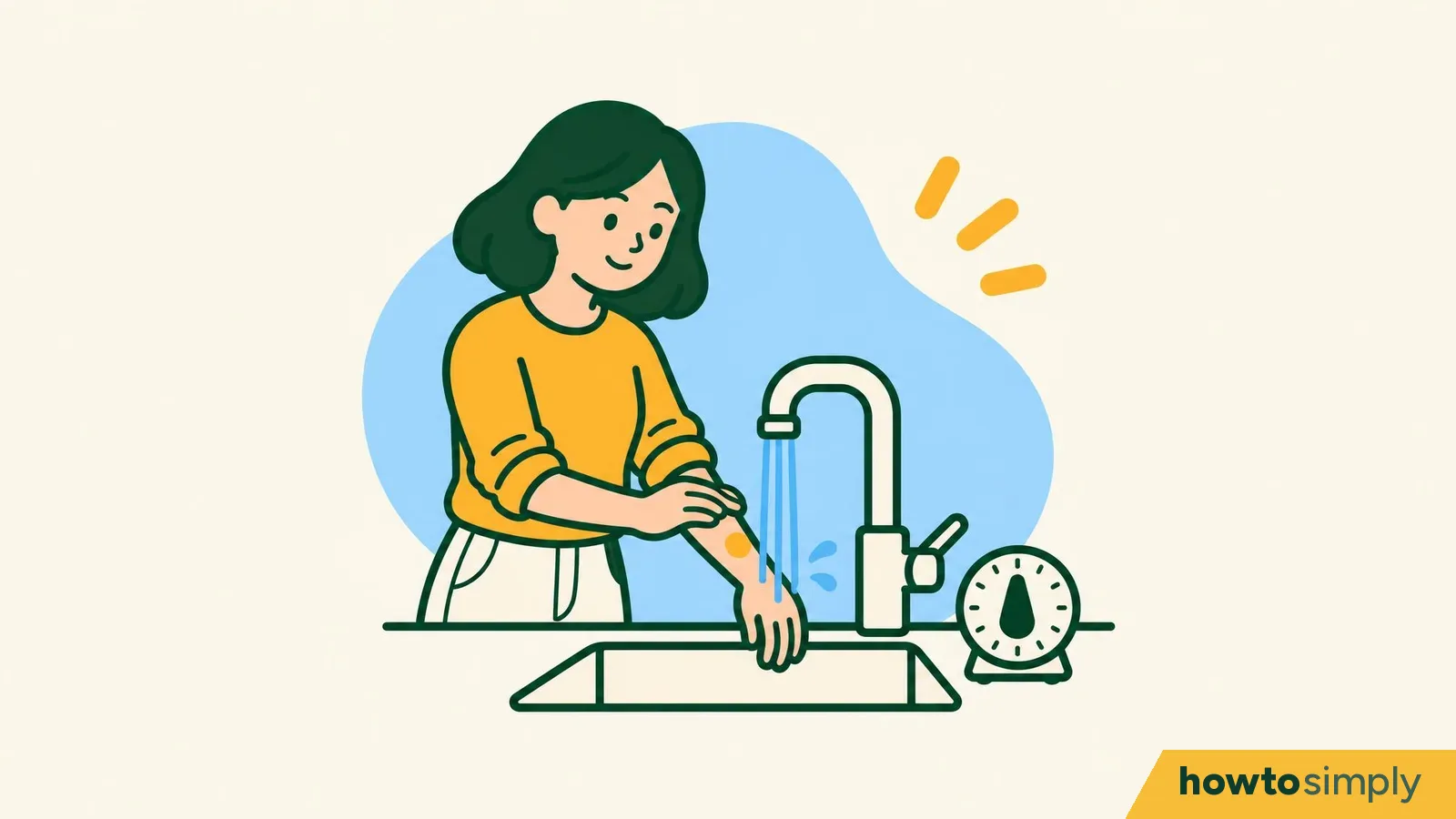
Illustration Gently wiping your baby's face may help prevent a rash from the extra dribble (NHS, MedlinePlus).
Cuddle and play to take their mind off it.
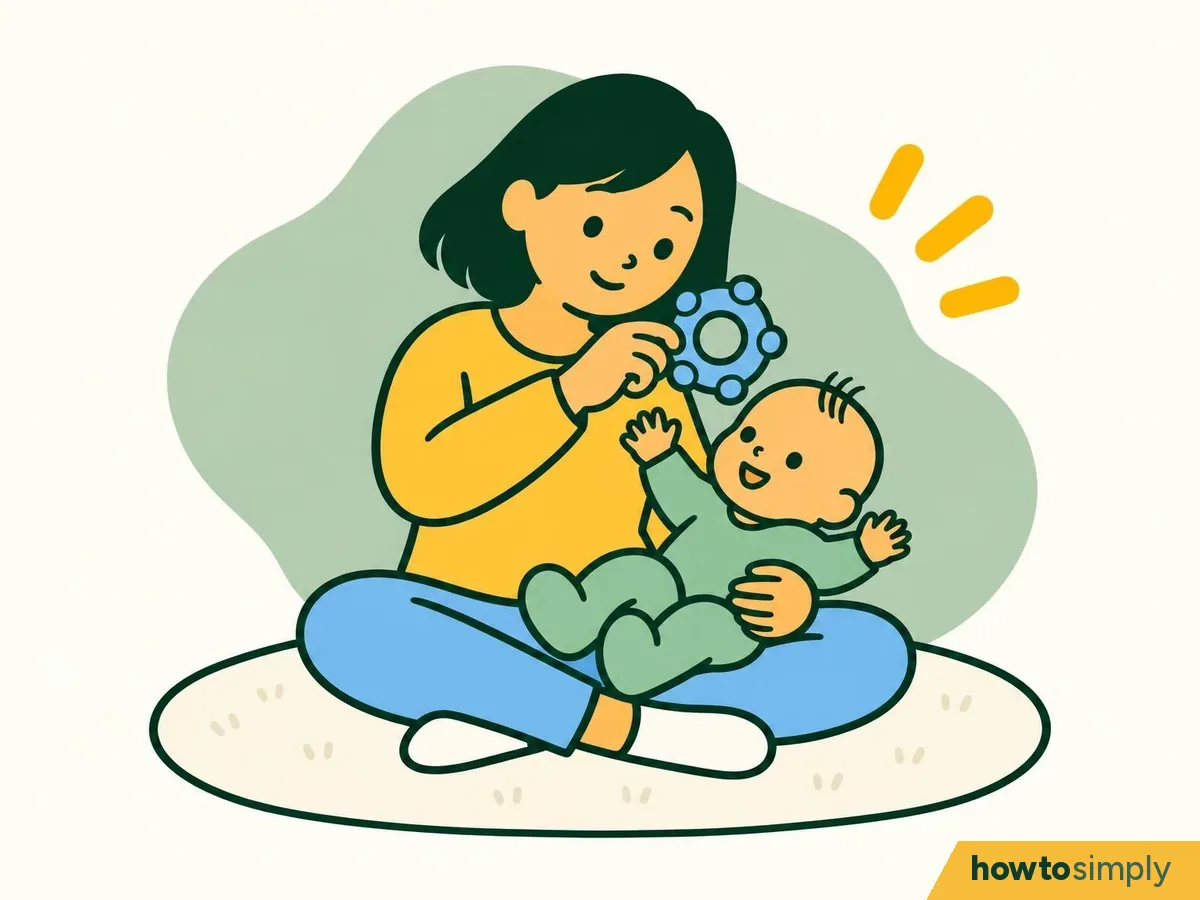
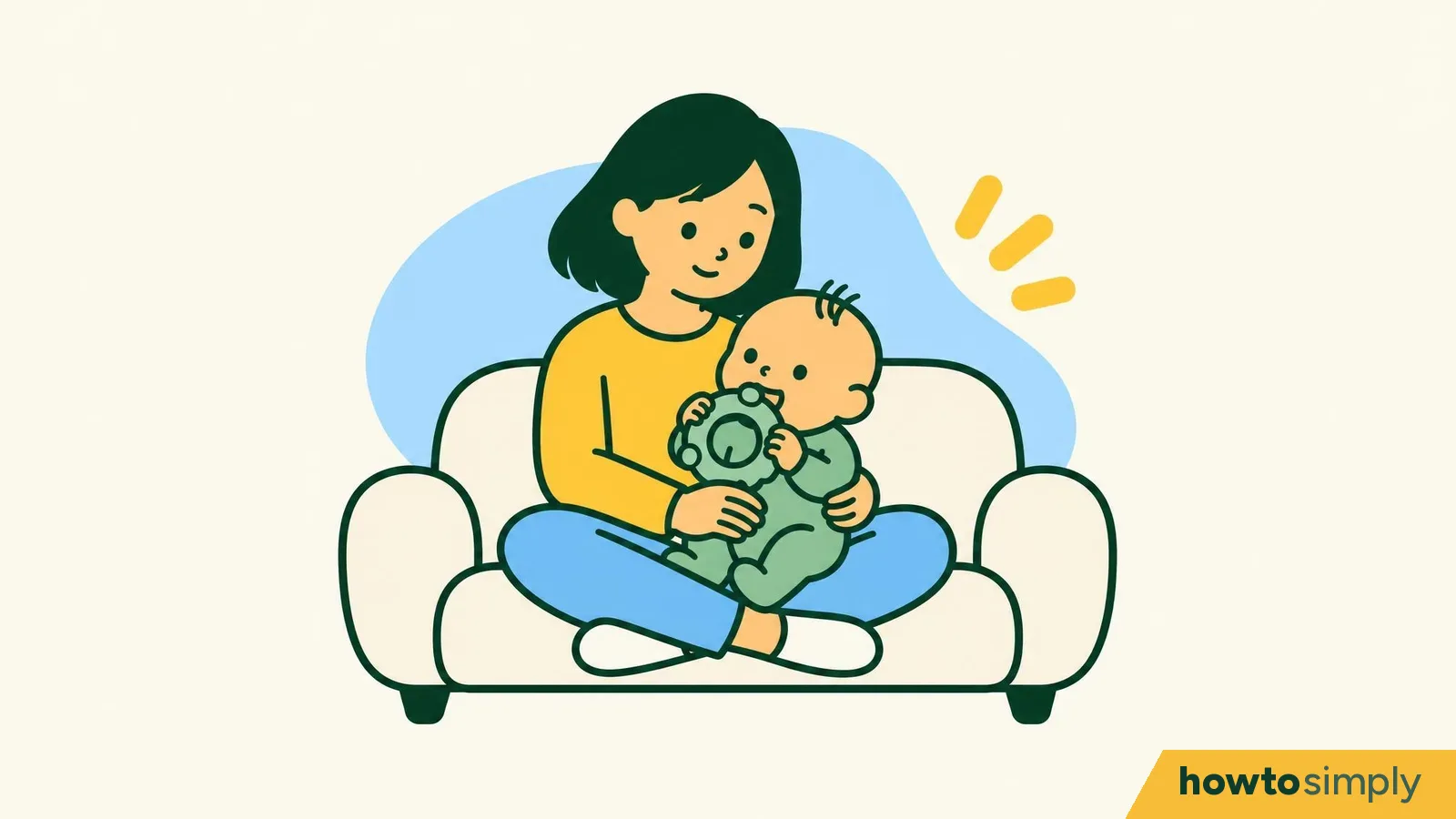
Illustration Comforting or playing with your baby can distract them from the pain (NHS). Make sure they drink plenty (kindergesundheit-info.de).
Medicines and gels
Still in pain? Ask a pharmacist about a sugar-free baby painkiller.
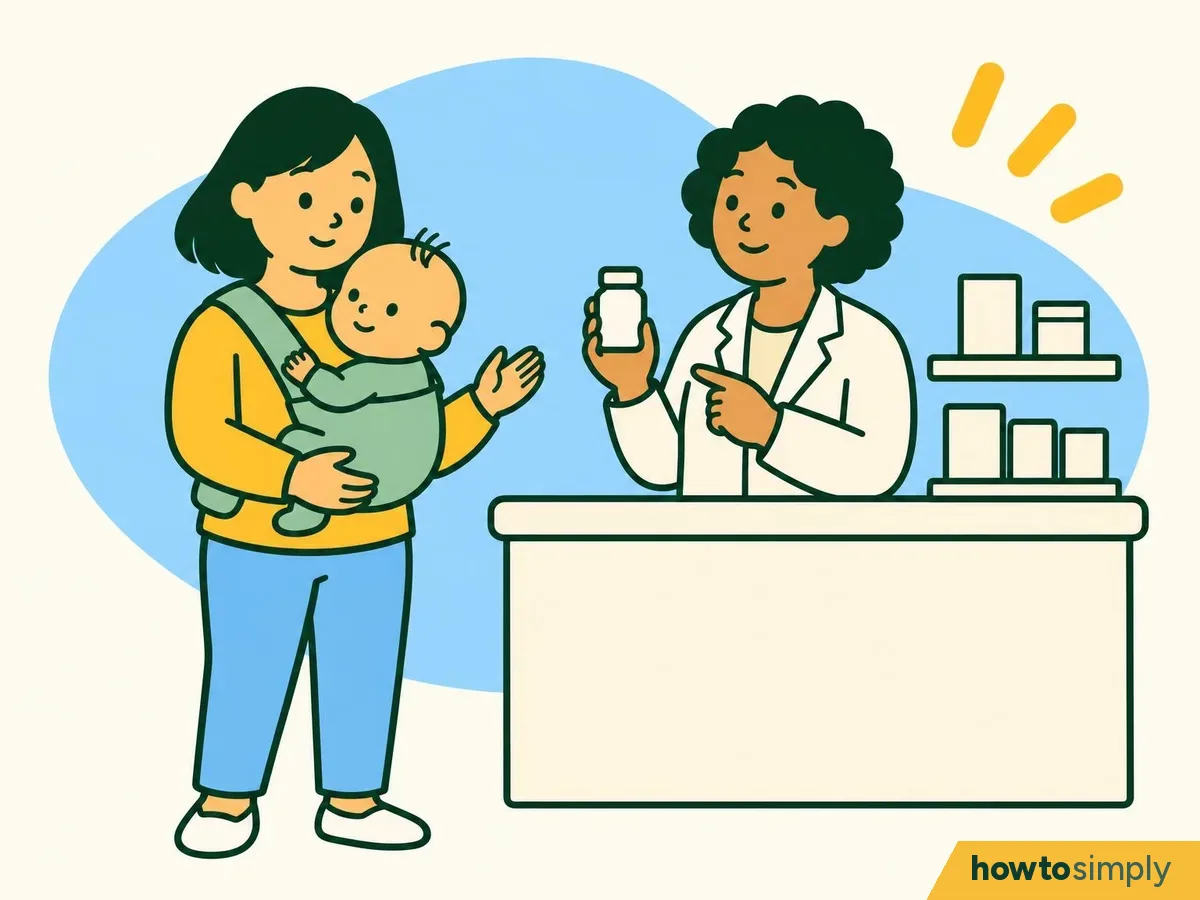
Illustration The NHS says you may want to give a sugar-free painkilling medicine, from the age the medicine allows, and always follow its instructions. If you're not sure, ask a GP or pharmacist. Never give aspirin to children under 16 (NHS), and never put it on the gums (MedlinePlus).
Skip teething powders and homeopathic remedies.
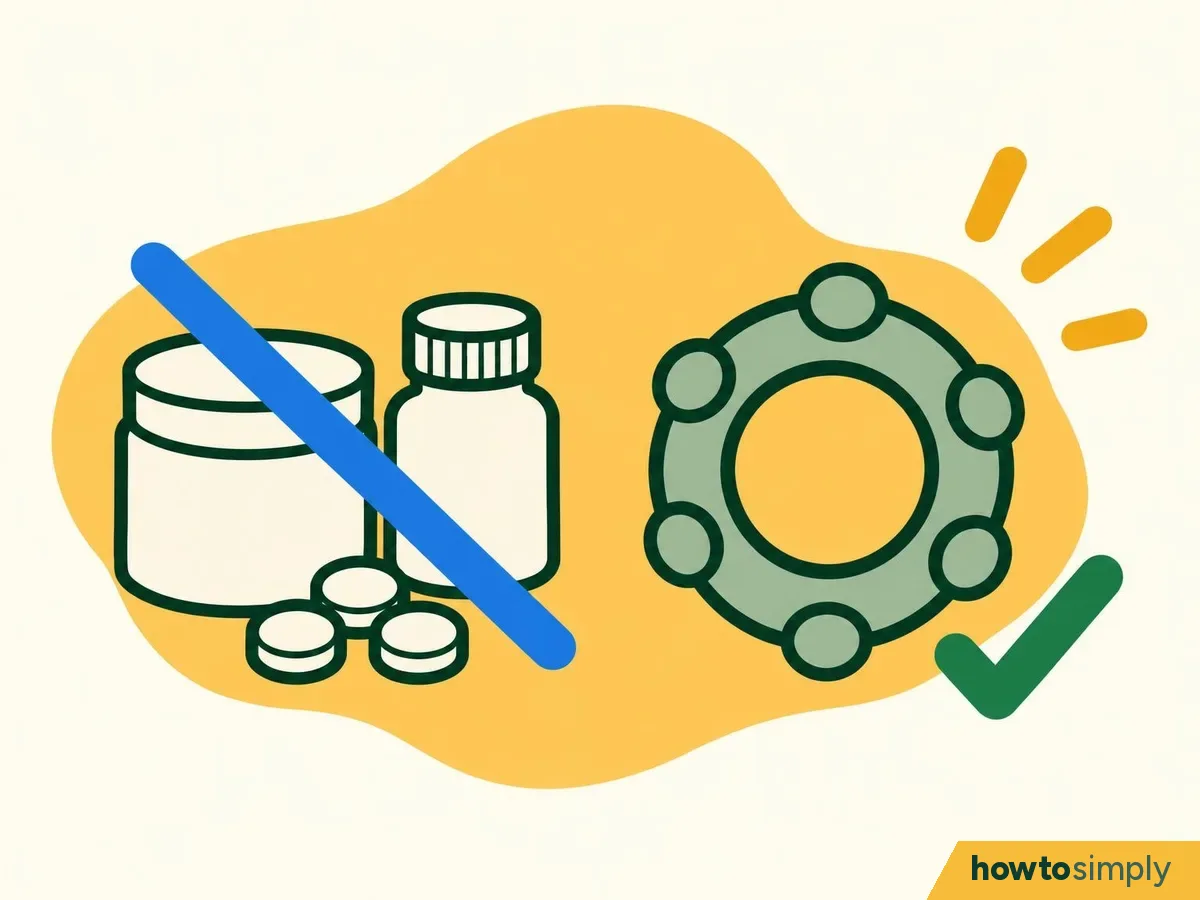
Illustration MedlinePlus says avoid teething powders and don't use homeopathic remedies. The NHS doesn't recommend homeopathic products, and says some unlicensed ones sold online have been linked to serious side effects. On gels, the NHS says there's a lack of evidence they work and to use only gels made for young children, from a pharmacy. MedlinePlus says no gels under age 2.
Look after the new teeth
Brush from the very first tooth.
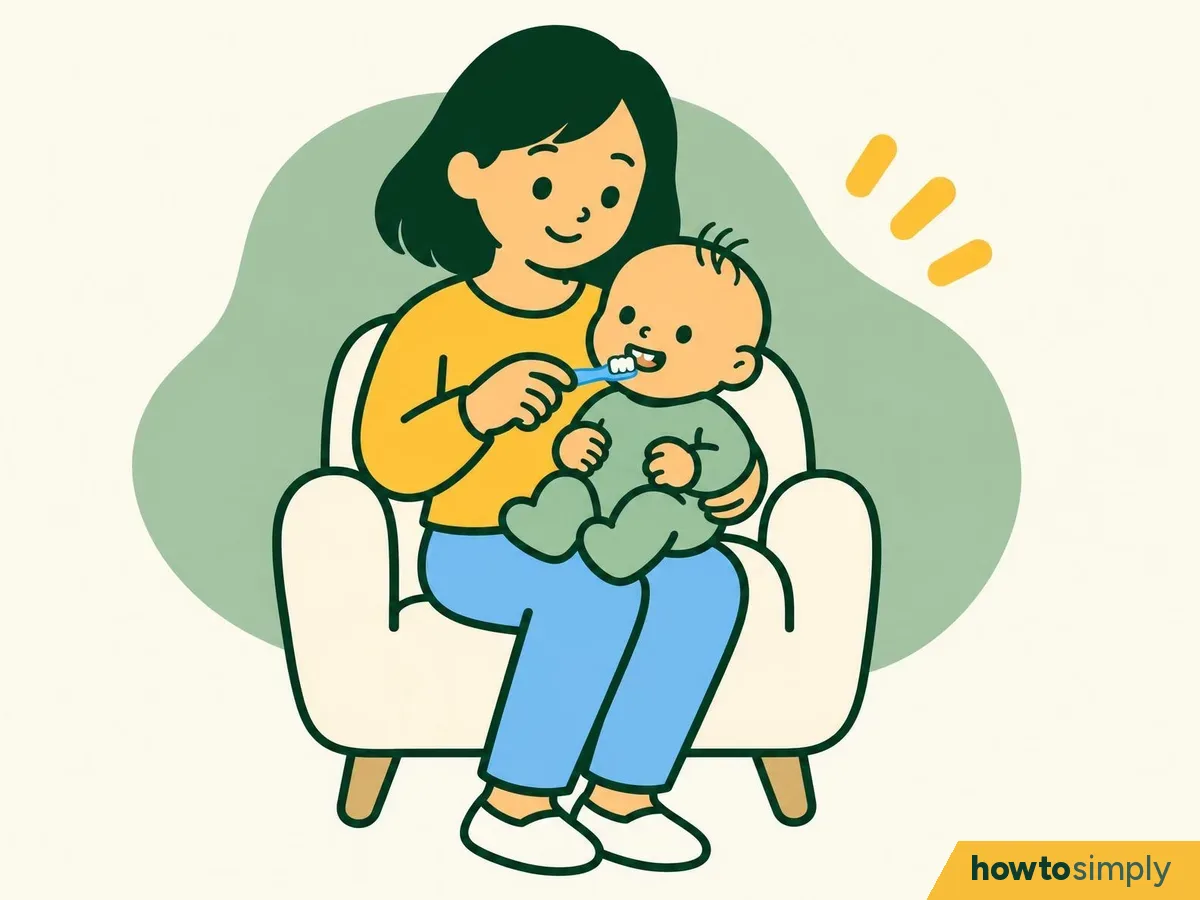
Illustration Clean the first milk teeth with a soft baby toothbrush and plain water. Our dental reviewer, Dr Aaiman Liaqat (BDS), advises no toothpaste for children under 3, or until they can spit it out, and never toothpaste for a 6-month-old baby: a toothbrush and water are enough. A child at high risk of tooth decay may need toothpaste, but only when a dentist advises it. See how to brush teeth properly for older children.
Register your baby with a dentist.
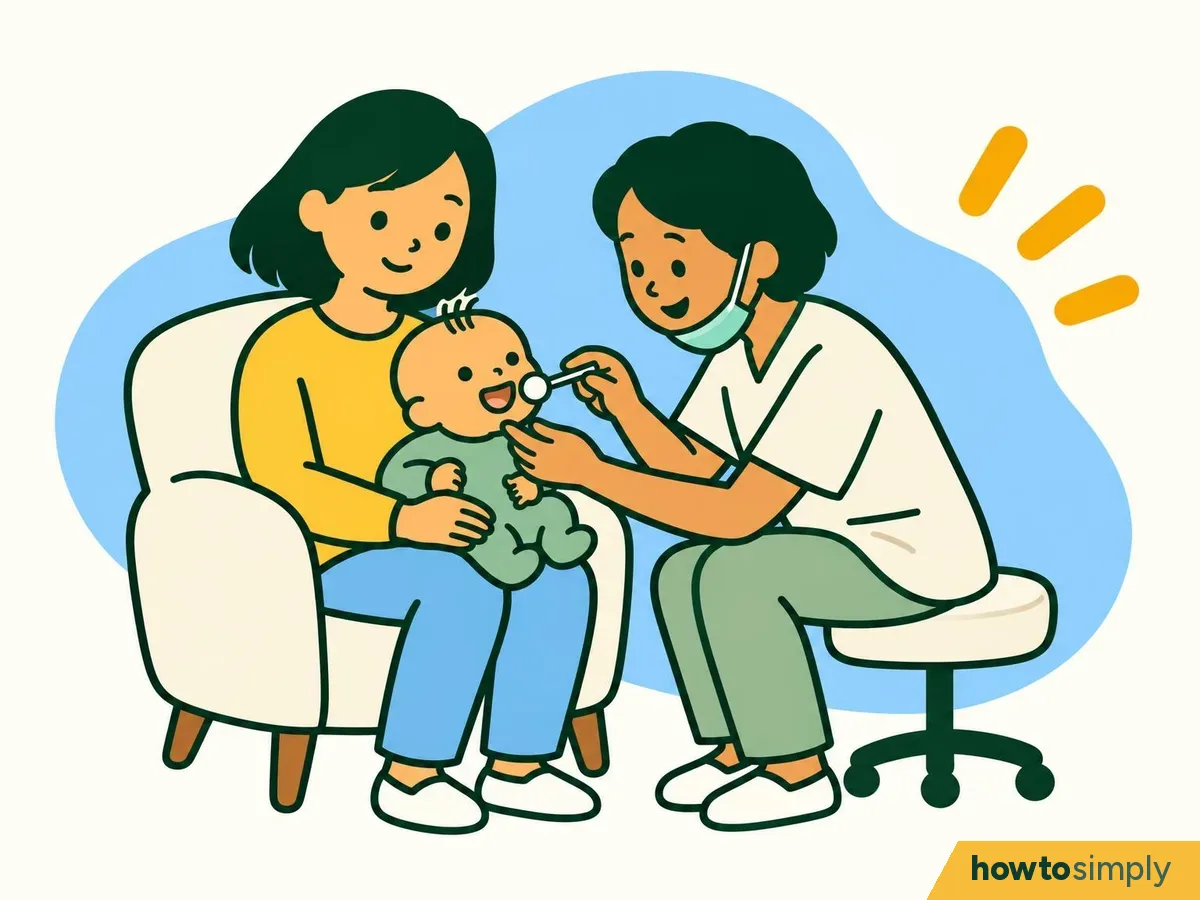
Illustration In the UK, register your baby with a dentist when their teeth start coming through (NHS).
What each country says
| UK | Germany | US | |
|---|---|---|---|
| First tooth | Around 6 months (NHS) | Usually 6 to 8 months (kindergesundheit-info.de) | Usually 6 to 8 months (MedlinePlus) |
| Teething ring | Chilled in the fridge, never frozen (NHS) | Cooled, not ice-cold (kindergesundheit-info.de) | Firm rubber; no liquid-filled rings (MedlinePlus) |
| Food to chew | Raw fruit and veg from 6 months if weaning; watch closely (NHS) | Not recommended: choking risk (kindergesundheit-info.de) | Cool, soft foods like applesauce or yoghurt (MedlinePlus) |
| Teething gels | Little evidence; only gels for young children, from a pharmacy (NHS) | Some gels can give short relief (kindergesundheit-info.de) | Not under age 2 (MedlinePlus) |
| Temperature | May be slightly raised, under 38C (NHS) | May be slightly raised; high fever has another cause (kindergesundheit-info.de) | Teething doesn't cause fever (MedlinePlus) |
How to tell it's going OK
- Your baby settles with a chilled ring, a gentle gum rub or a cuddle (NHS).
- Their temperature stays under 38C (NHS).
- Sore spells last a few days and then ease (NHS).
If something isn't right
| What happens | What it means | What to do |
|---|---|---|
| Temperature 38C or higher | Not teething | Call NHS 111 or your GP (NHS); see a children's doctor (kindergesundheit-info.de) |
| Diarrhoea | Not teething | Get medical advice (NHS, MedlinePlus) |
| A rash round the mouth or chin | Often from dribble | Wipe the face gently (NHS) |
| Nothing helps and your baby is in pain | They may need pain relief | Ask a pharmacist or GP (NHS) |
| No teeth by 12 months | Some babies are late | Usually normal (MedlinePlus); mention it at a check-up |
Questions readers ask
When do babies start teething?
Most babies start at around 6 months, but some start before 4 months and some after 12 months (NHS). German and US sources say the first teeth usually come at 6 to 8 months (kindergesundheit-info.de, MedlinePlus).
Does teething cause a fever or diarrhoea?
Not a real fever. The NHS says a baby's temperature may be slightly raised but under 38C, and there's no evidence teething causes diarrhoea. MedlinePlus says teething doesn't cause fever or diarrhoea, and the German advice is to see a children's doctor for high fever or diarrhoea.
Can I put a teething ring in the freezer?
No. The NHS says never freeze a teething ring because it could damage your baby's gums. Chill it in the fridge instead, following the instructions. German advice is cooled, not ice-cold (kindergesundheit-info.de).
Are amber teething necklaces safe?
No. kindergesundheit-info.de doesn't recommend amber necklaces because of the risk of choking and injury, and the NHS and MedlinePlus say never tie a teething ring or anything else around a baby's neck.
Do teething gels work?
The NHS says there's a lack of evidence they work, and to try teething rings or a sugar-free baby painkiller first. Use only gels made for young children, from a pharmacy. MedlinePlus says not to use gels under age 2. German advice says some gels can give short relief (kindergesundheit-info.de).
When should my baby first see a dentist?
In the UK, register your baby with a dentist when their teeth start coming through (NHS). Start cleaning with a soft baby toothbrush and water as soon as the first tooth appears. No toothpaste is needed until about age 3, or until your child can spit it out (Dr Aaiman Liaqat, BDS).
Did this solve the problem?
What needs work?
What did you think?
Reaction counts are loading.
Spotted a mistake? If a step is unclear or a picture is inaccurate, tell us the step number and what needs correcting. Email us about this page or use the contact form. We read every report, and fixes are listed on What changed.
Liked this article?
Follow us for new articles and short how-to videos.
Sources
We use primary, official and specialist sources appropriate to the topic.