How to brush and floss your teeth properly
Brush twice a day for about 2 minutes with fluoride toothpaste, with the brush tilted at 45 degrees to the gums. Spit out the toothpaste but don't rinse. Once a day, clean between your teeth with floss or an interdental brush that fits the gap snugly.
Researched by Abu Bakar SaadatPublished 29 October 2026Last changed 17 November 2026Verified 17 November 2026Version 3See all changes
On this page 13 sections
Information, not professional advice.
Well, most of us brush on autopilot, and sooner or later we start wondering whether we have been doing it right all along. Here is what the guidance says about the angle, the timing and the rinsing.
A toothbrush can't clean the gaps between your teeth, which is why the ADA and the Bundeszahnärztekammer both say to clean between them every day. Advice differs a little between countries on toothpaste strength, mouthwash and when to floss, so the table near the end shows each one.
What do you want to do?
Brush better
Angle, every surface, 2 minutes. Start at Brush.
Clean between teeth
Floss or interdental brushes, once a day. Go to Between your teeth.
Brush a child's teeth
The right amount, and help until they're older. Go to Children.
Brush, twice a day
Nothing here is difficult. It is mostly about reaching every surface of every tooth.
Before you start
- Time: About 2 minutes of brushing, twice a day, plus a short daily clean between the teeth[1][4].
- Who it's for: Adults and children with their own teeth. Children need help or supervision with brushing[1][9].
- Not for: Pain that keeps coming back when you clean between your teeth: talk to your dentist[4].
Load a soft toothbrush with fluoride toothpaste, about a pea's worth.
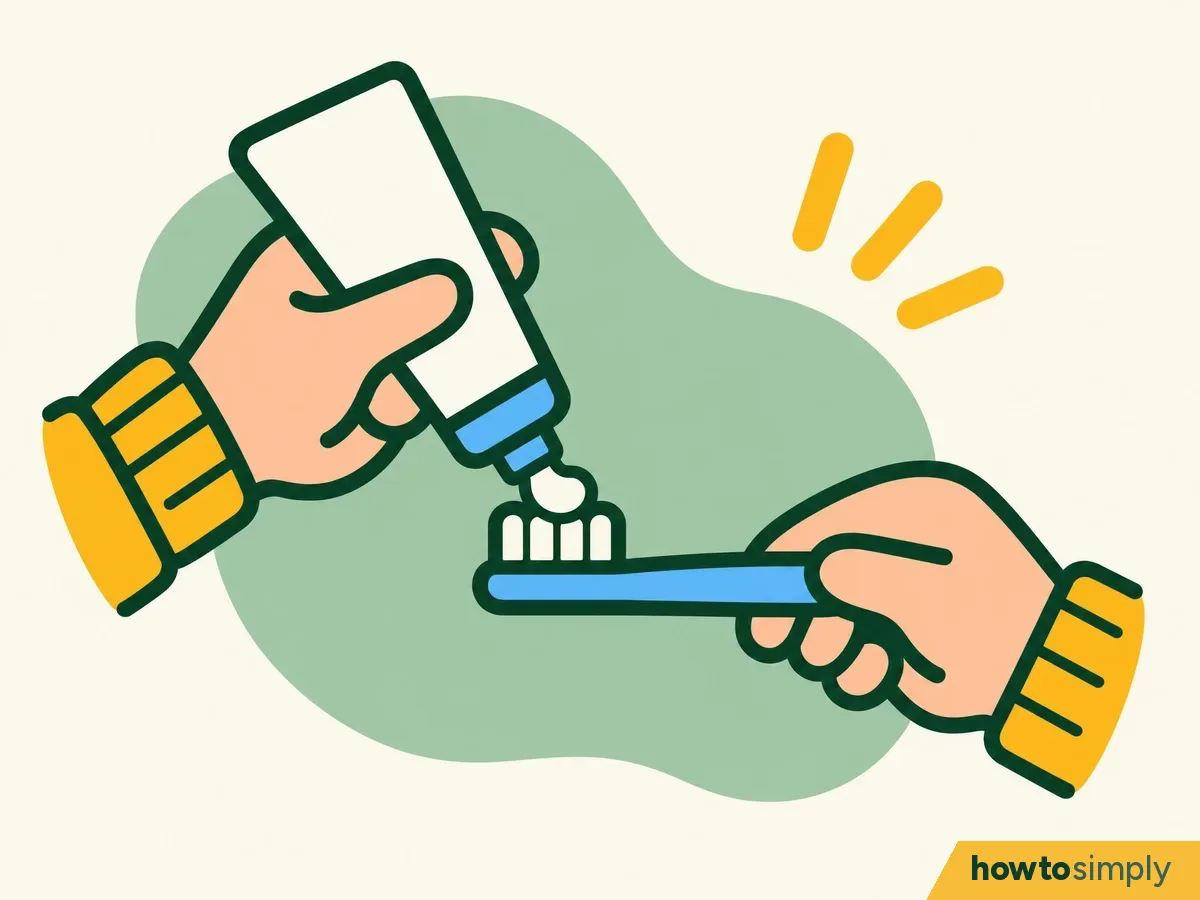
Illustration Use a soft-bristled brush (ADA) and fluoride toothpaste (NHS, ADA). gesund.bund.de says a pea-sized amount is enough.
Hold the brush at 45 degrees to your gums.
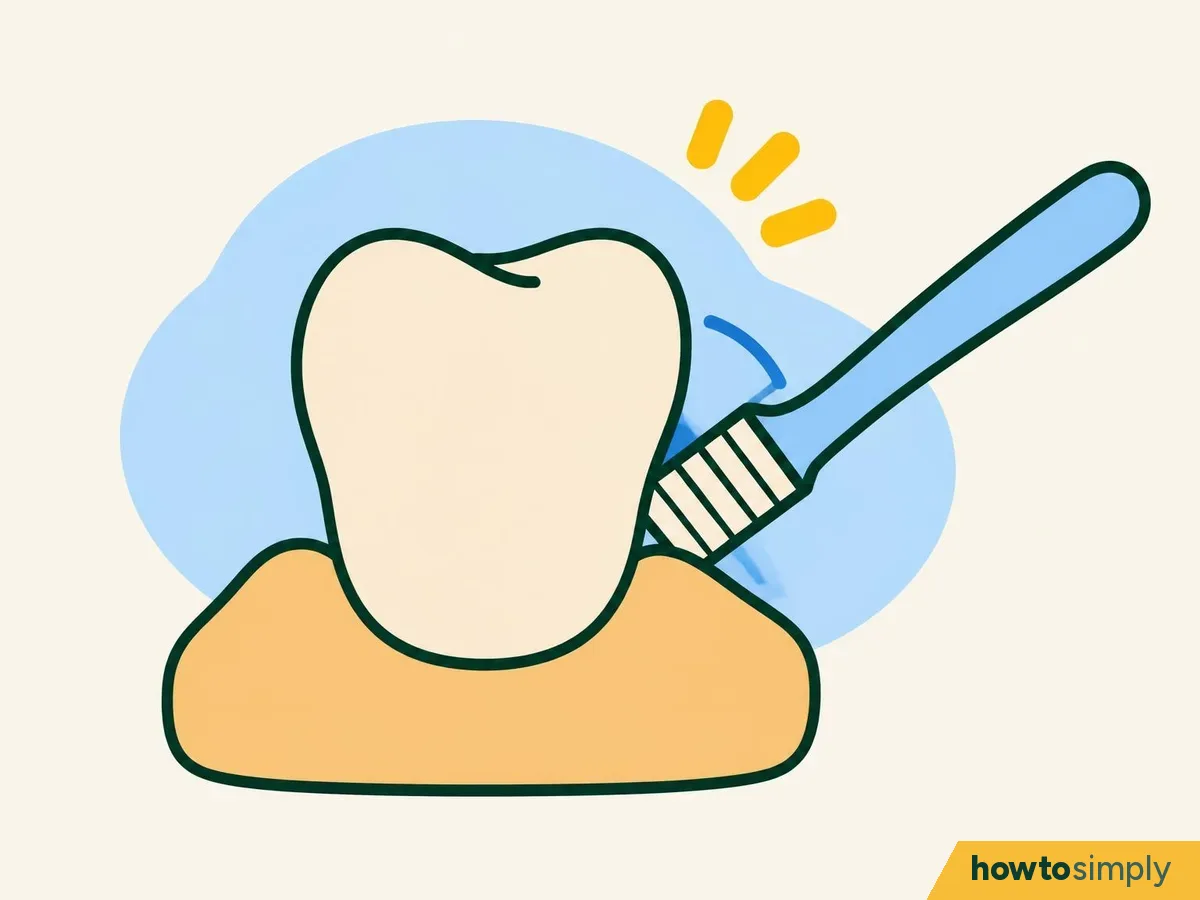
Illustration Place the brush at a 45-degree angle to your gums (ADA). It may feel a little awkward the first few times, and that is fine.
Brush the outside of every tooth with short, gentle strokes.
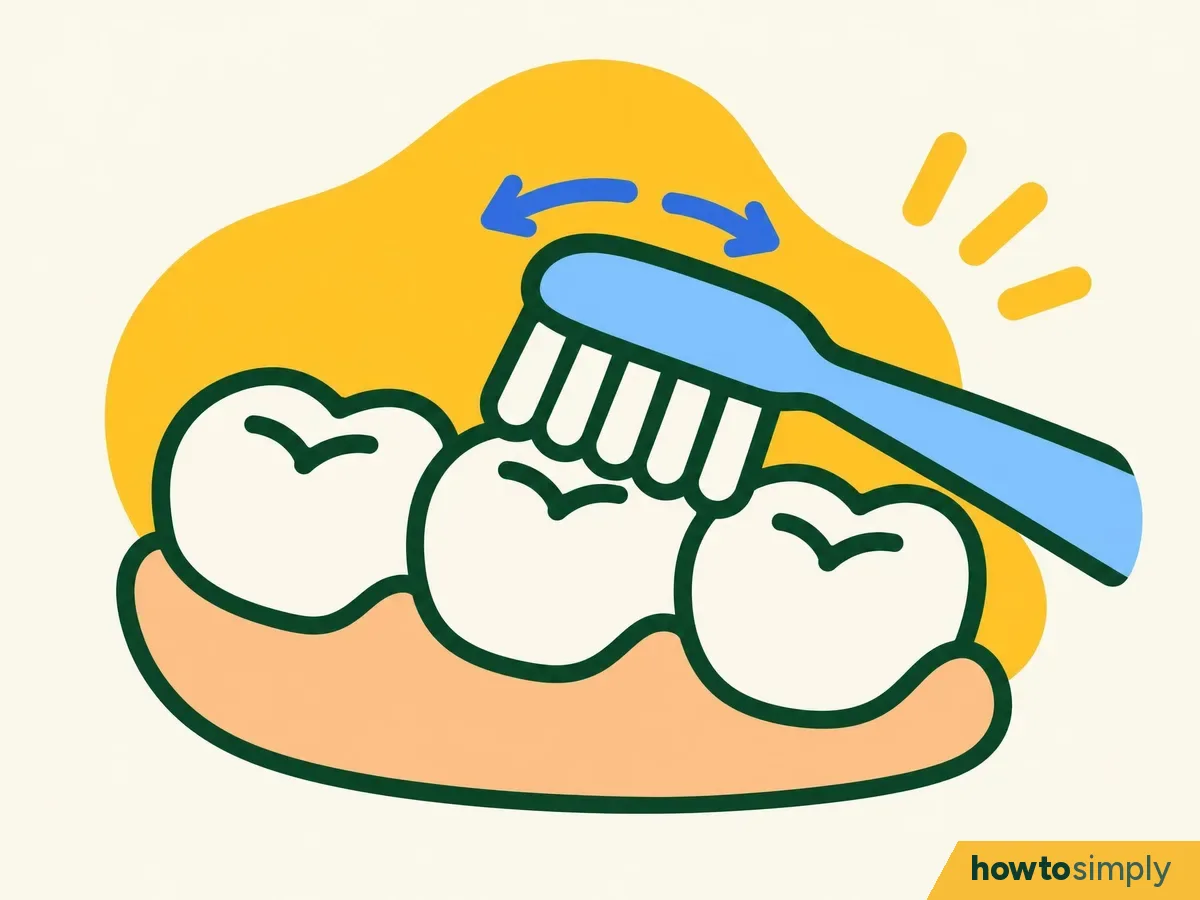
Illustration The ADA says to use small, gentle back-and-forth movements, each roughly the width of one tooth. For adults, gesund.bund.de describes gentle shaking movements that work from the gums towards the teeth.
Brush the inside surfaces, and tilt the brush upright behind the front teeth.
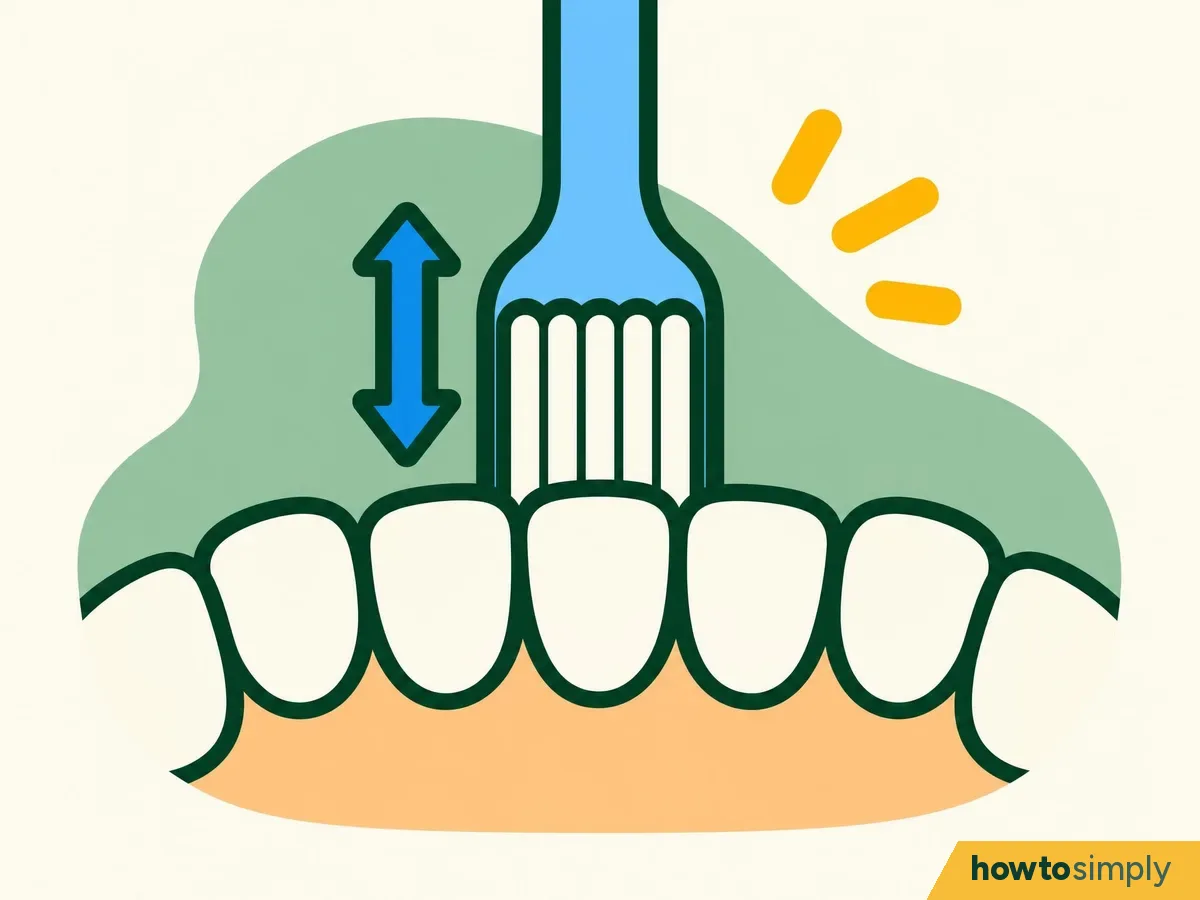
Illustration Clean the inner surfaces the same way. To reach behind your front teeth, hold the brush upright and brush up and down a few times (ADA).
Brush the chewing surfaces.
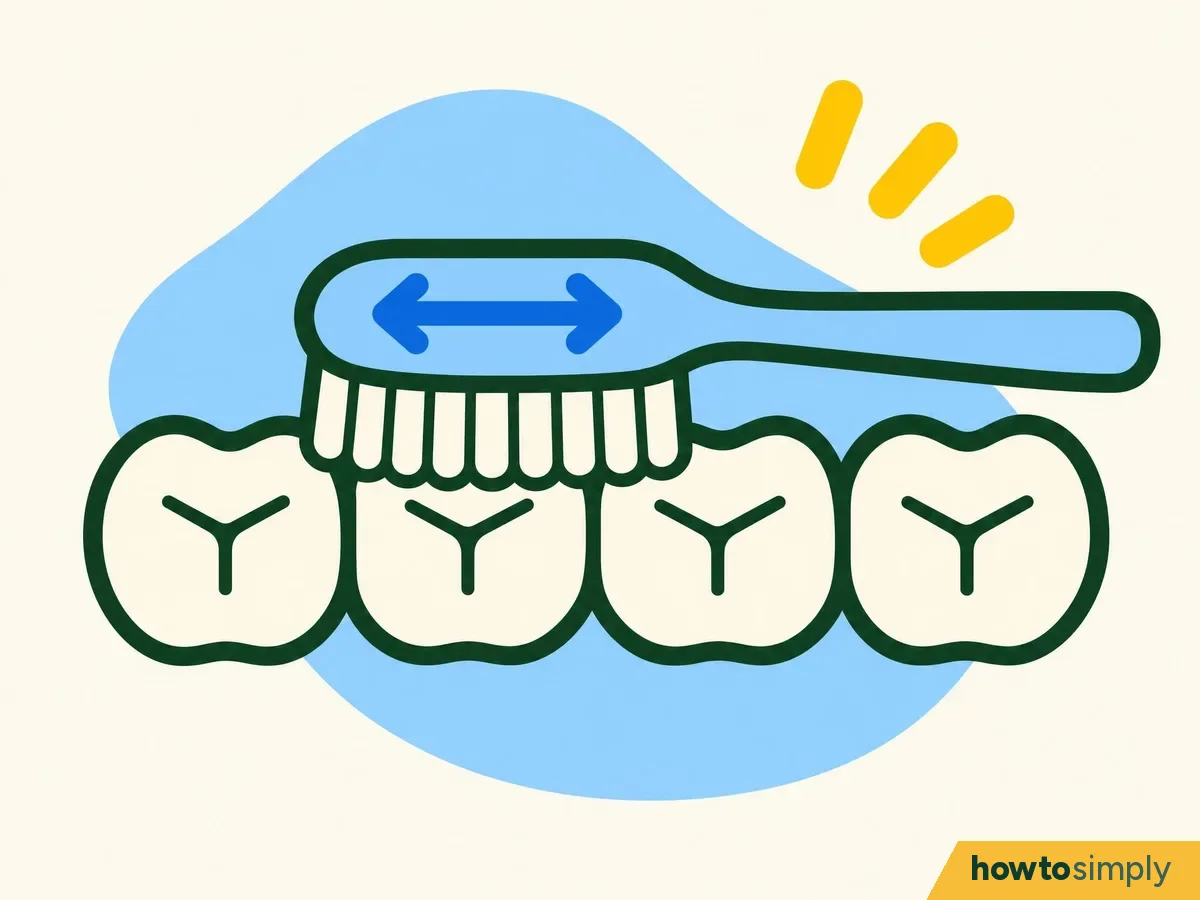
Illustration Outer, inner and chewing surfaces all need brushing (ADA). Brushing in a set order helps you reach every surface (gesund.bund.de).
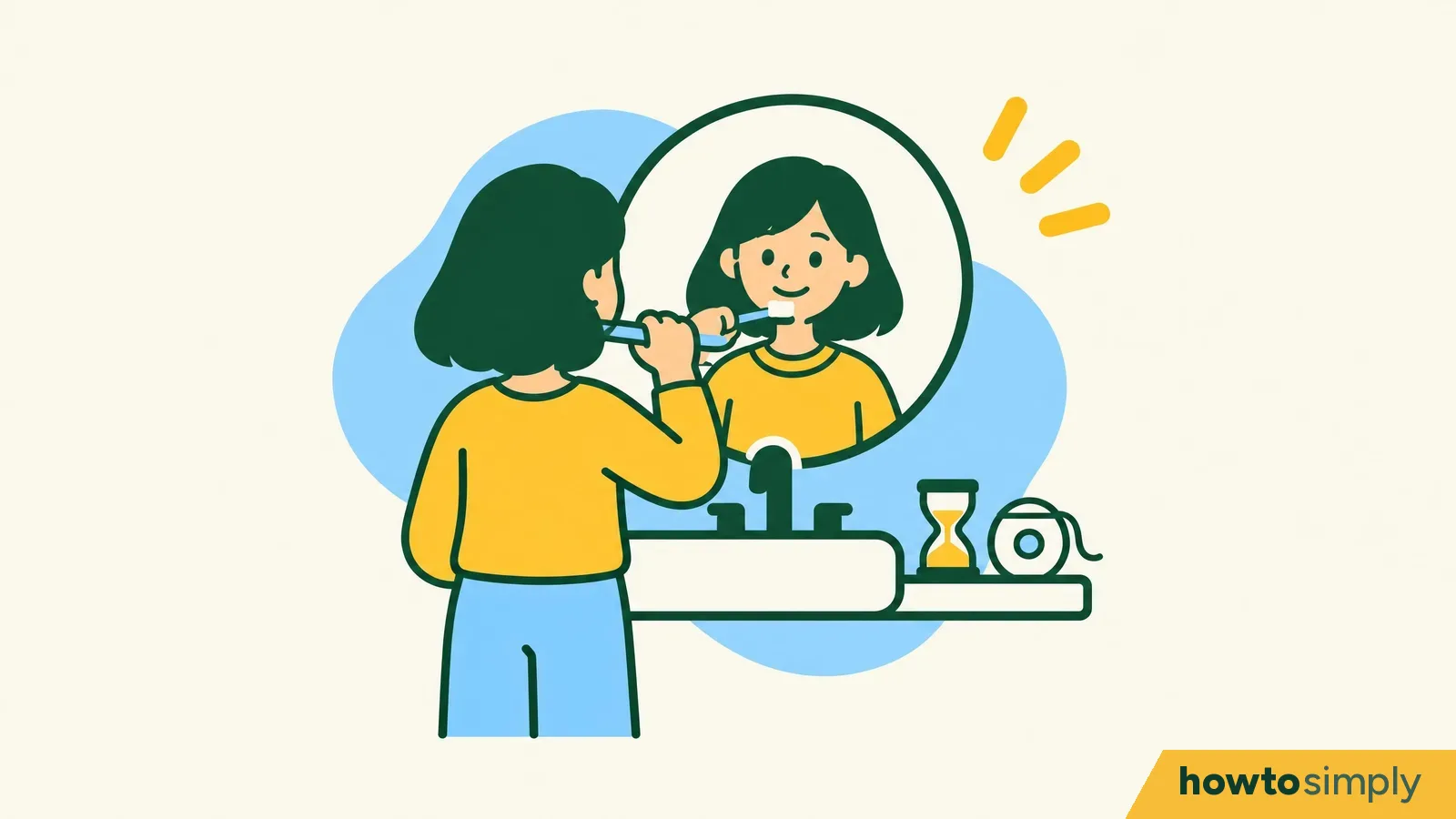
Keep going for 2 minutes: about 30 seconds for each quarter of your mouth.
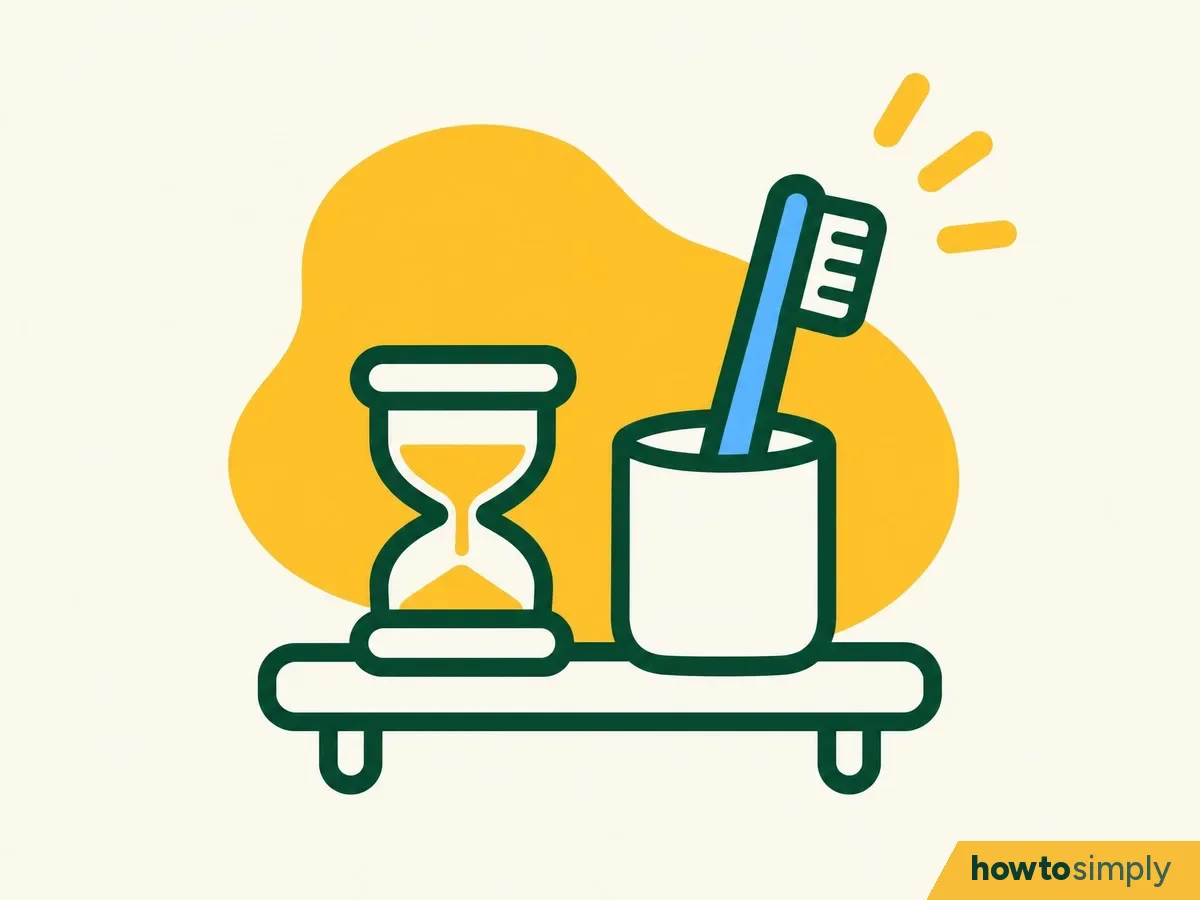
Illustration The ADA and the NHS both say about 2 minutes, and the ADA splits it into about 30 seconds per quarter. gesund.bund.de says at least 2 minutes, whichever brush you use.
Spit out the toothpaste, but don't rinse.
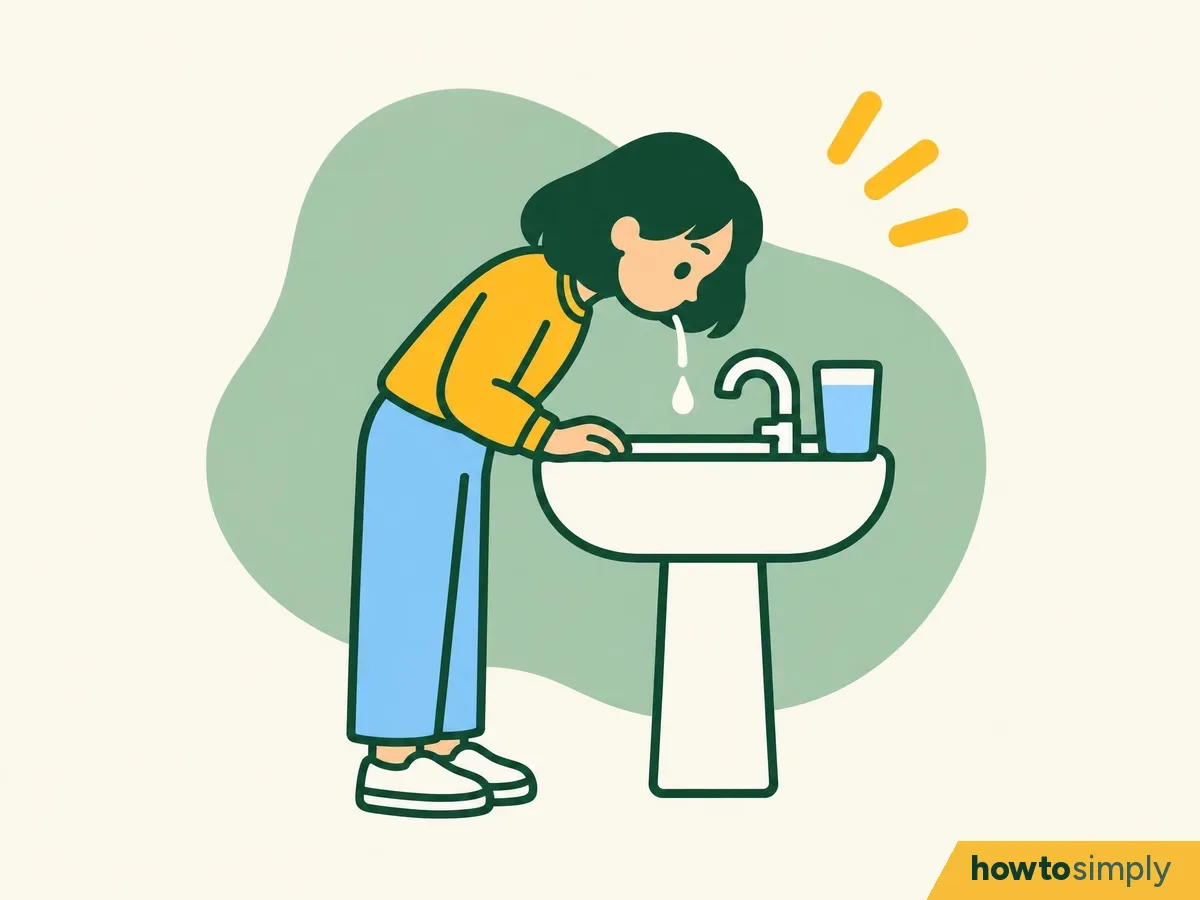
Illustration Rinsing straight after brushing washes away the fluoride and makes it work less well (NHS). Rinsing is a hard habit to break, so be patient with yourself.
Make your last brush the one before bed.
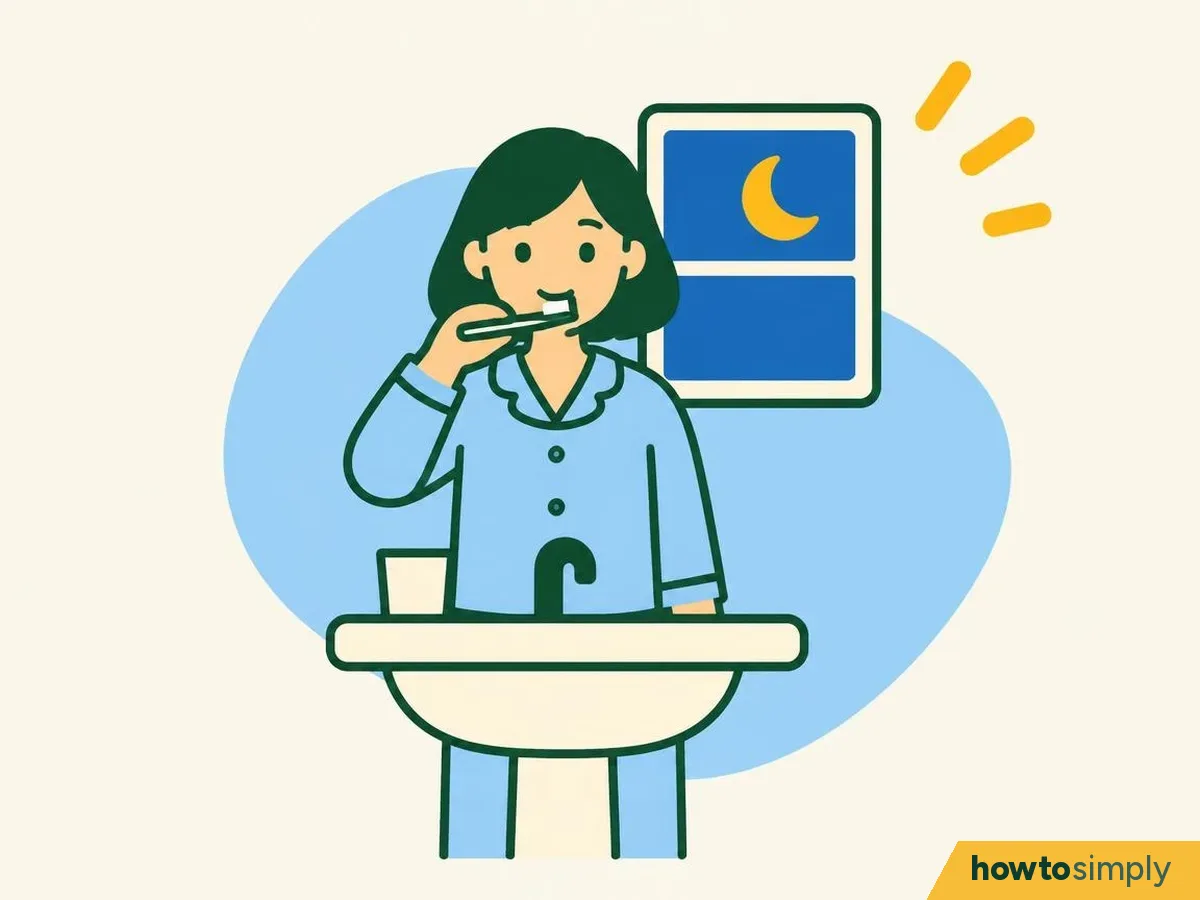
Illustration Brush twice a day, and make one of those times last thing at night (NHS).
Clean between your teeth, once a day
Next, the part a toothbrush can't do. It takes a little practice, so go gently and don't worry if it feels fiddly at first.
Choose floss or an interdental brush for your gaps.
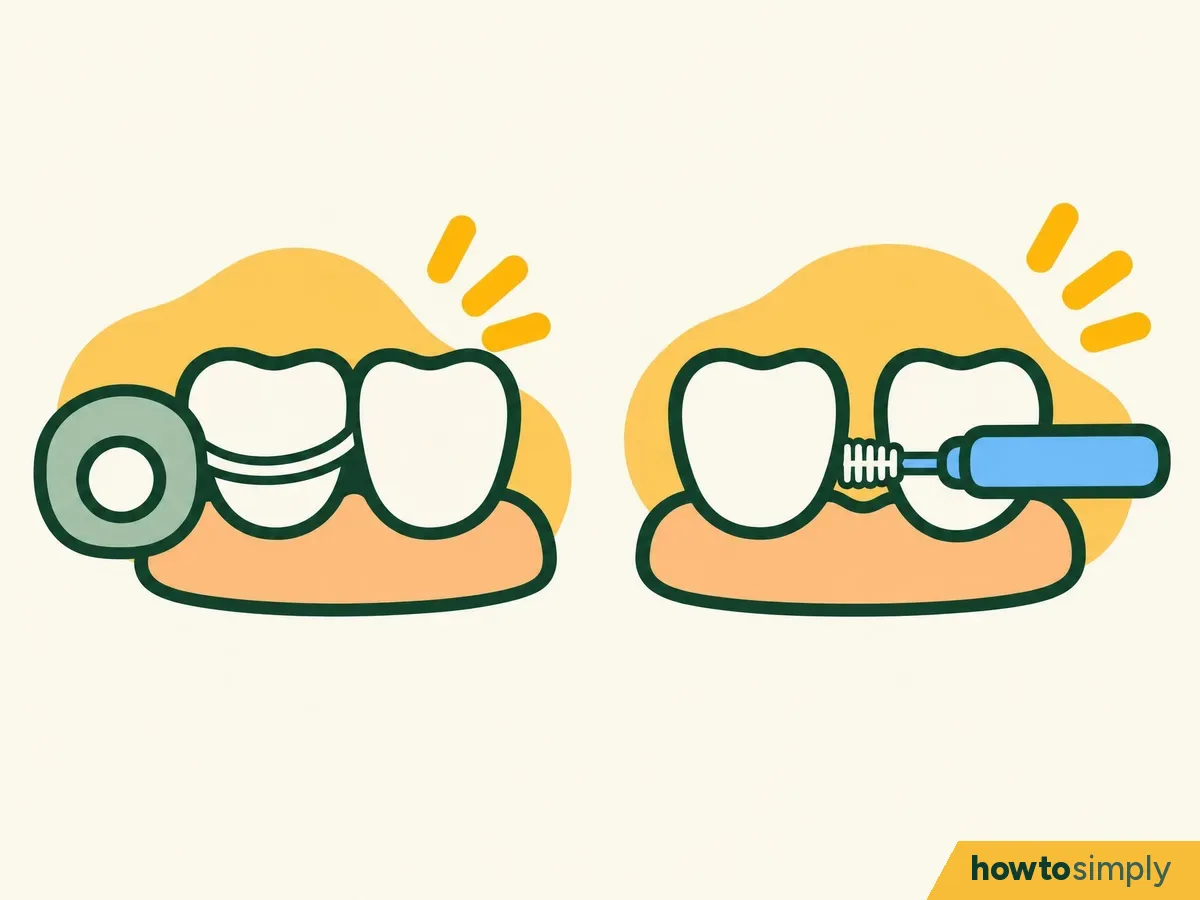
Illustration The Bundeszahnärztekammer says floss is still best for tight gaps, and interdental brushes suit wider gaps and gum disease. gesund.bund.de goes further: use interdental brushes, and floss only where even the smallest brush won't fit.
The NHS advises against wooden toothpicks, which can damage your gums. The ADA lists wooden sticks among the tools you can use.
Wind about 45 cm of floss around your middle fingers.
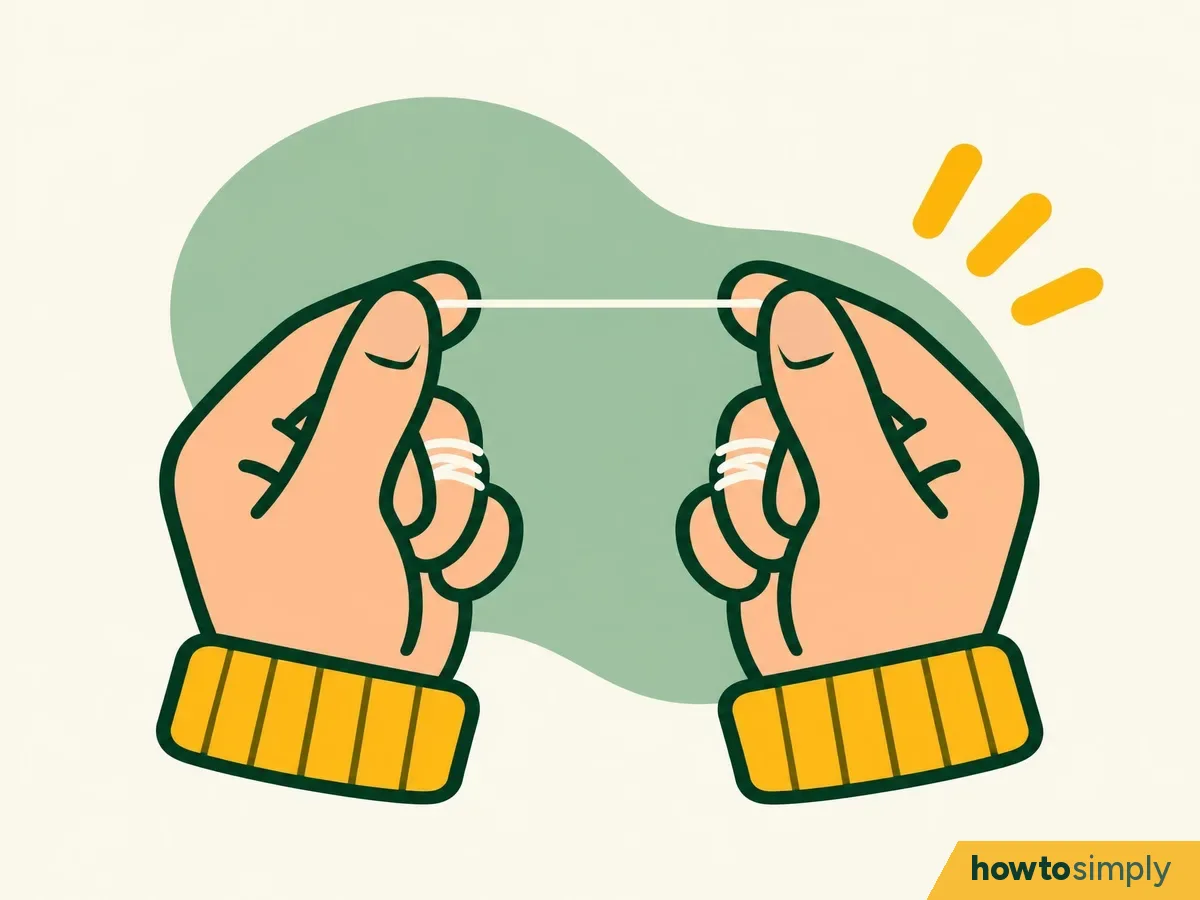
Illustration Break off about 18 inches (45 cm). Wind most of it round one middle finger and the rest round the other, then hold it tight between your thumbs and forefingers (ADA).
Slide the floss gently between two teeth. Never snap it.
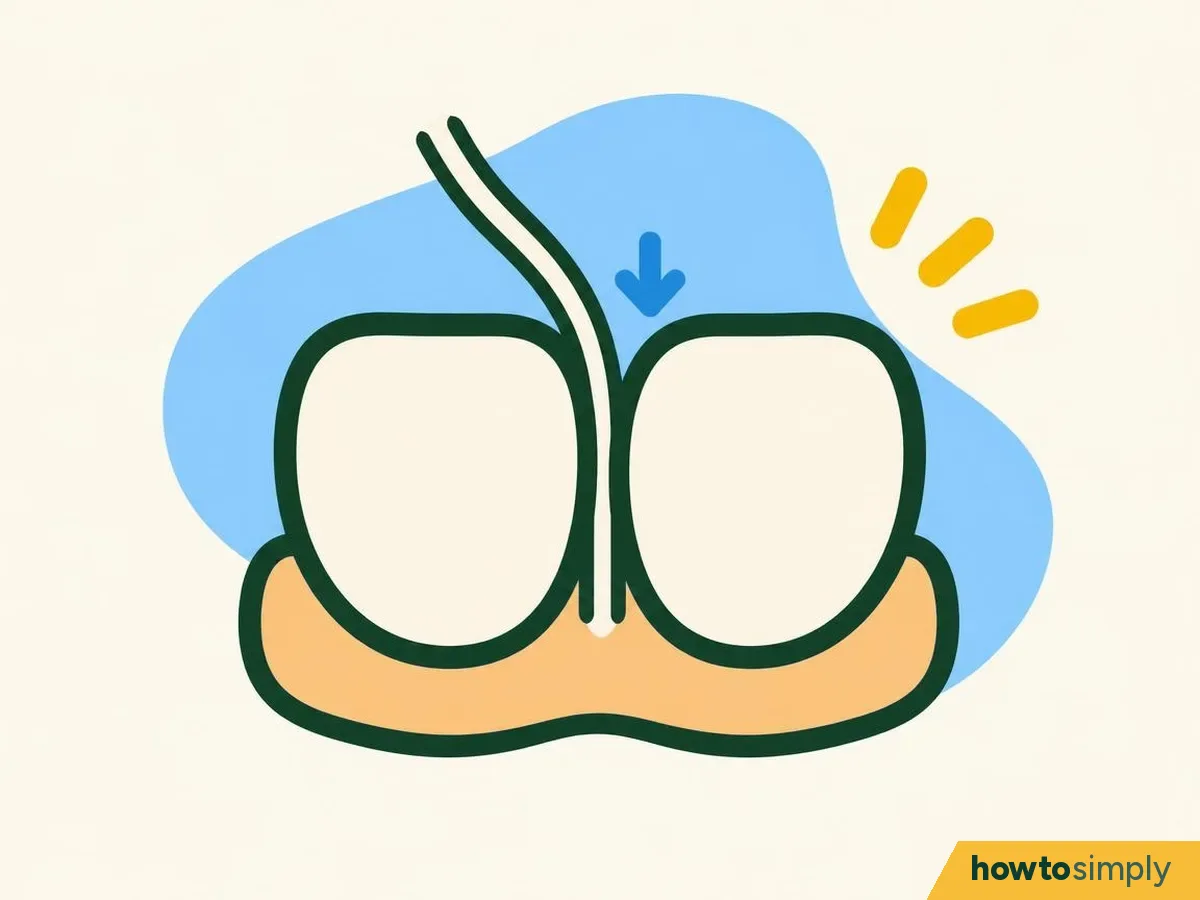
Illustration Guide it down with a gentle rubbing motion. Never snap the floss into your gums (ADA).
Curve it into a C round one tooth and rub up and down.
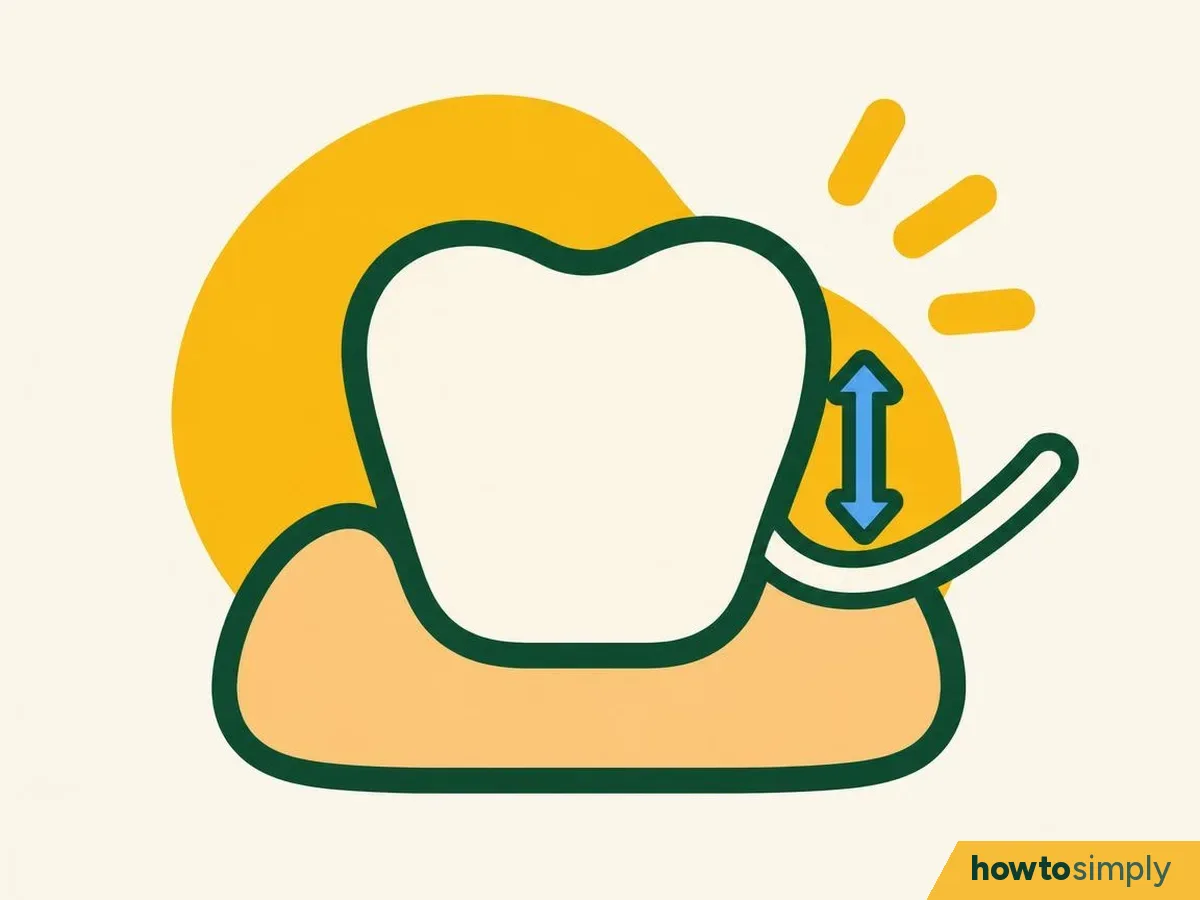
Illustration At the gum line, curve the floss into a C shape against one tooth, hold it tight, and rub the side of the tooth up and down. Then do the tooth next to it. Repeat for every gap, including behind your last teeth (ADA). It may feel a bit uncomfortable to begin with, but you'll soon learn how firmly to press (ADA).
Using interdental brushes? Pick a size that fits snugly.
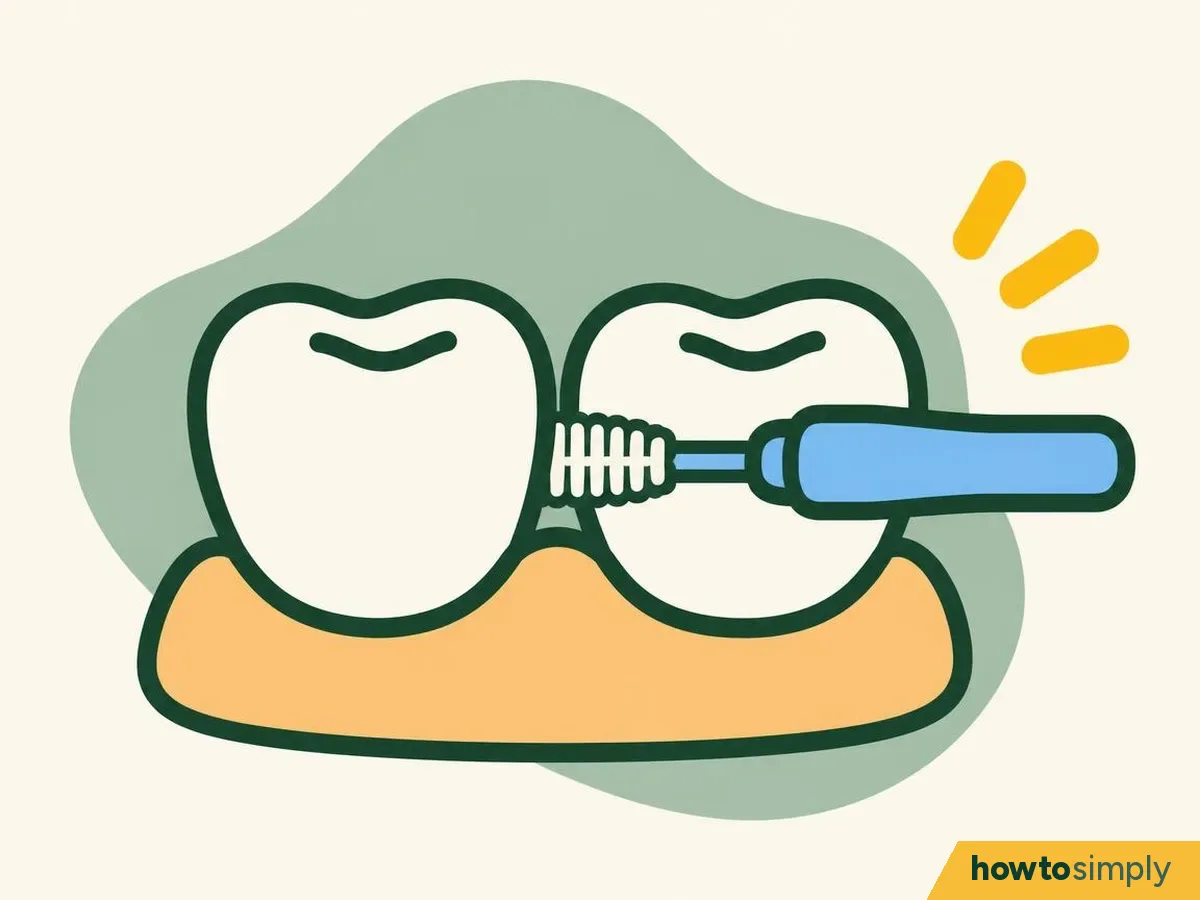
Illustration Pick a size that slides in between your teeth with a snug fit (NHS). Interdental brushes come in a variety of sizes, and your dentist can help you choose the right one (gesund.bund.de). The NHS and gesund.bund.de both suggest cleaning between your teeth before you brush. The ADA says the timing doesn't matter, as long as you do it properly.
Mouthwash, your brush, and children
If you use a fluoride mouthwash, use it at a different time from brushing.
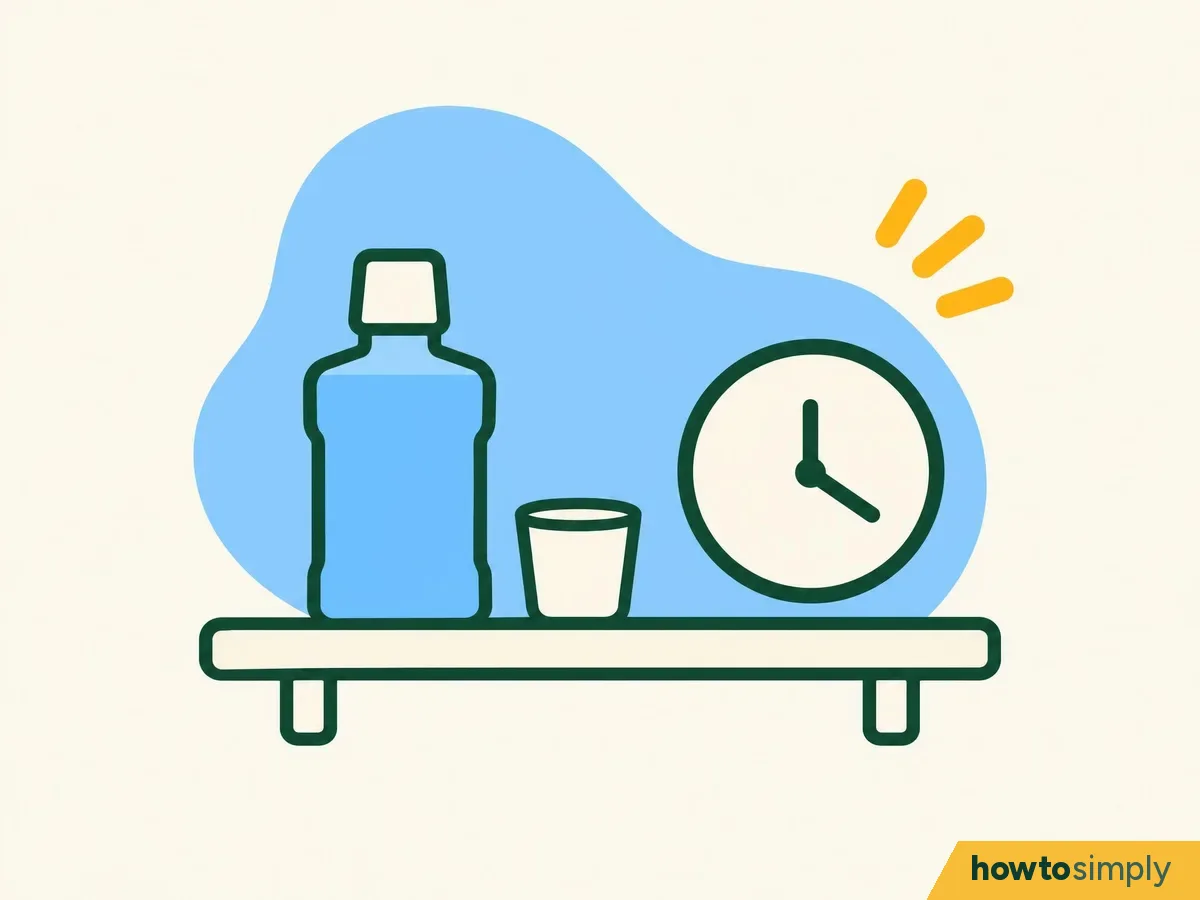
Illustration The NHS says not to use mouthwash straight after brushing, which would wash off the toothpaste's fluoride. Use it at another time, such as after lunch, and don't eat or drink for 30 minutes afterwards.
gesund.bund.de suggests mouthwash after brushing, for example for people who need extra help cleaning.
Change your toothbrush every 3 months, or when it looks worn.
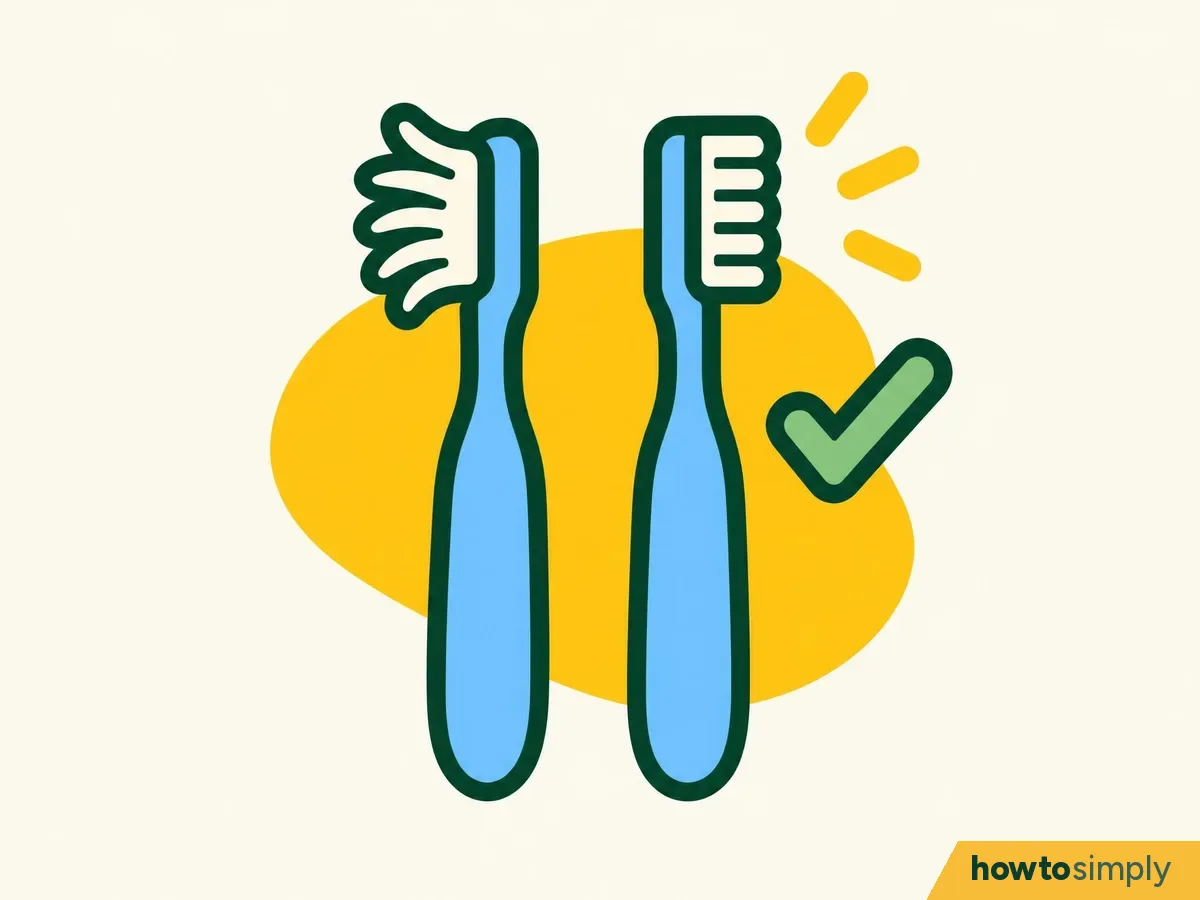
Illustration gesund.bund.de says at least every 3 months, because worn bristles clean badly and can hurt your gums. The ADA says swap it every 3 to 4 months, or earlier if the bristles look splayed.
For children, start at the first tooth and help them brush.
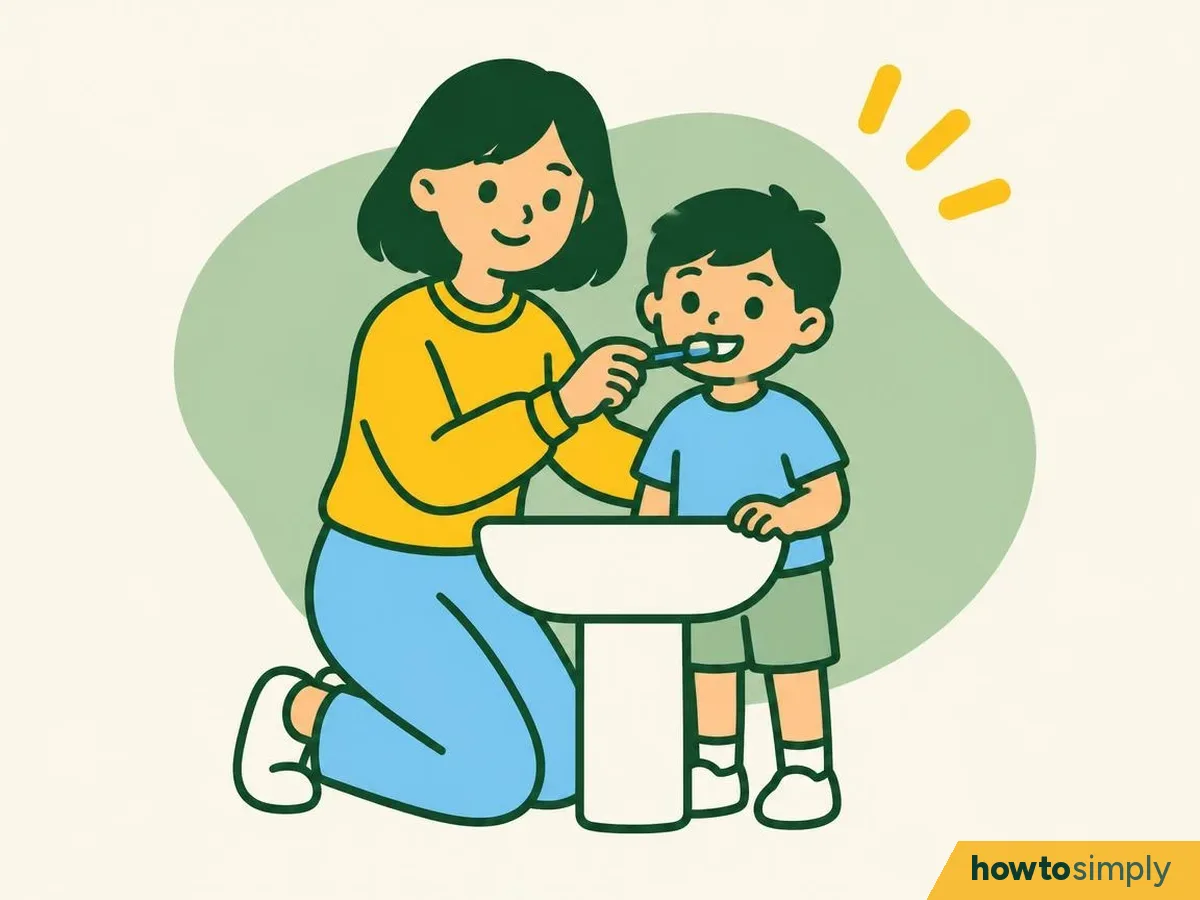
Illustration Start brushing as soon as the first baby tooth comes through (NHS). Use a smear of toothpaste under 3 and a pea-sized amount from 3 to 6 (NHS). German advice is a rice-grain amount until age 2, then pea-sized (Bundeszahnärztekammer).
From about 3, children can start brushing themselves, but parents should check and brush again afterwards (AOK). German children learn the KAI order: chewing surfaces, then outsides, then insides (AOK). Start flossing once two teeth touch; children usually take over at about 10 or 11 (ADA).
What each country says
| UK | Germany | US | |
|---|---|---|---|
| How long | About 2 minutes, twice a day (NHS) | At least 2 minutes, twice a day (gesund.bund.de) | 2 minutes, twice a day (ADA) |
| Adult toothpaste | At least 1,350 ppm fluoride (NHS) | 1,450 ppm from about age 6 (BZÄK) | Fluoride toothpaste with the ADA Seal (ADA) |
| Young children | Smear under 3 (at least 1,000 ppm); pea-sized from 3 to 6 (NHS) | Rice grain of 1,000 ppm until 2; pea-sized from 2 (BZÄK) | No amounts on the ADA pages we used |
| Between teeth | Floss or interdental brushes; no wooden toothpicks (NHS) | Daily; interdental brushes first, floss for tight gaps (gesund.bund.de, BZÄK) | Daily; floss, small brushes, water flossers or wooden sticks (ADA) |
| Mouthwash | Not straight after brushing (NHS) | Can be after brushing (gesund.bund.de) | No timing given (ADA) |
How to tell you're doing it right
- You brush twice a day for about 2 minutes, once just before bed (NHS).
- You reach the outer, inner and chewing surfaces of every tooth (ADA).
- You spit but don't rinse afterwards (NHS).
- You clean between your teeth every day (ADA, BZÄK).
If something isn't right
Often the fix is a different size or a gentler hand. Here is what to change.
| What happens | What it means | What to do |
|---|---|---|
| The interdental brush won't go through | It should fit snugly between the teeth (NHS) | Ask your dentist about the right size (gesund.bund.de) |
| The floss shreds or catches | A rough edge or filling may be catching it | Try a different floss, and mention it to your dentist |
| Cleaning between your teeth hurts | It shouldn't cause pain; flossing too hard can damage the tissue between your teeth (ADA) | If it still hurts, talk with your dentist (ADA) |
| The bristles are frayed | Old, worn bristles don't clean properly (ADA) | Replace the brush (gesund.bund.de, ADA) |
Got pain already? See our guide to toothache until you can see a dentist.
Brushing advice by country
| UK | Germany | US | |
|---|---|---|---|
| How long | About 2 minutes, twice a day[1] | At least 2 minutes, at least twice a day[6] | 2 minutes, twice a day[5] |
| Adult toothpaste | At least 1,350 ppm fluoride[1] | 1,450 ppm from about age 6[7] | Fluoride toothpaste, ADA-accepted[3] |
| Toothpaste for young children | A smear under 3, pea-sized from 3 to 6[1][2] | Rice grain until 2, pea-sized from 2[7] | No amounts on the pages we used |
| Between teeth | Floss or interdental brushes; no wooden toothpicks[1] | Interdental brushes first, floss for the tightest gaps[6]; floss best for tight gaps[8] | Daily; floss, picks, tiny brushes or water flossers[4] |
| Floss before or after brushing | Before[1] | Preferably before[6] | Doesn't matter, as long as it's thorough[4] |
| Mouthwash | Not straight after brushing[1] | Can be used after brushing[6] | No timing given[5] |
| New toothbrush | Not stated | At least every 3 months[6] | Every 3 to 4 months[3] |
Graphic by howtosimply, from the sources below.
Questions
Until what age should I help my child brush?
The NHS says children need help or supervision until they are at least 7[1]. The AOK says parents should check and brush again afterwards until a child can write joined-up handwriting fluently, which is roughly the end of the second school year[9].
Does my child need a special children's toothpaste?
Not in the UK: family toothpaste with 1,350 to 1,500 ppm fluoride suits all ages, and children 3 and under without decay can use a lower strength one with at least 1,000 ppm[1]. German advice uses a 1,000 ppm children's toothpaste until the first adult teeth arrive[7].
When should children start flossing?
As soon as two teeth touch. An adult does it at first, and children usually take over at about 10 or 11.[4]
Is a water flosser a good choice?
It can help if other tools are hard to use, and people with braces, bridges or other dental work may find it reaches more easily.[4]
Is flossing worth it if the studies are weak?
The Bundeszahnärztekammer says the weak evidence is no reason to clean less, since a brush misses about 30 percent of the tooth surface[8]. The ADA notes that adults who clean between their teeth more often were less likely to have gum disease[5].
Should I rinse my mouth after brushing?
No. The NHS says to spit out the extra toothpaste but not rinse straight away, because rinsing washes away the fluoride.
Is an electric toothbrush better?
Not necessarily. The NHS says electric and manual brushes both do the job, and gesund.bund.de leaves the choice up to you. Some people find an electric one makes cleaning easier (NHS).
Floss before or after brushing?
The NHS says floss before brushing, and gesund.bund.de says clean between your teeth preferably before brushing. The ADA says it doesn't matter when, as long as you do it thoroughly.
Floss or interdental brushes?
Both clean between teeth. The Bundeszahnärztekammer says interdental brushes suit open gaps and gum disease, and floss is still best for tight gaps. The NHS says the brush should fit snugly.
How much toothpaste should a child use?
In the UK, a smear under 3 and a pea-sized amount from 3 to 6 (NHS). In Germany, a rice-grain amount until age 2, then pea-sized (Bundeszahnärztekammer). See the table for fluoride strengths.
Do I need to clean my tongue?
It can help with bad breath. gesund.bund.de says bacteria can form a coating on the tongue, which a tongue scraper or tongue brush can remove.
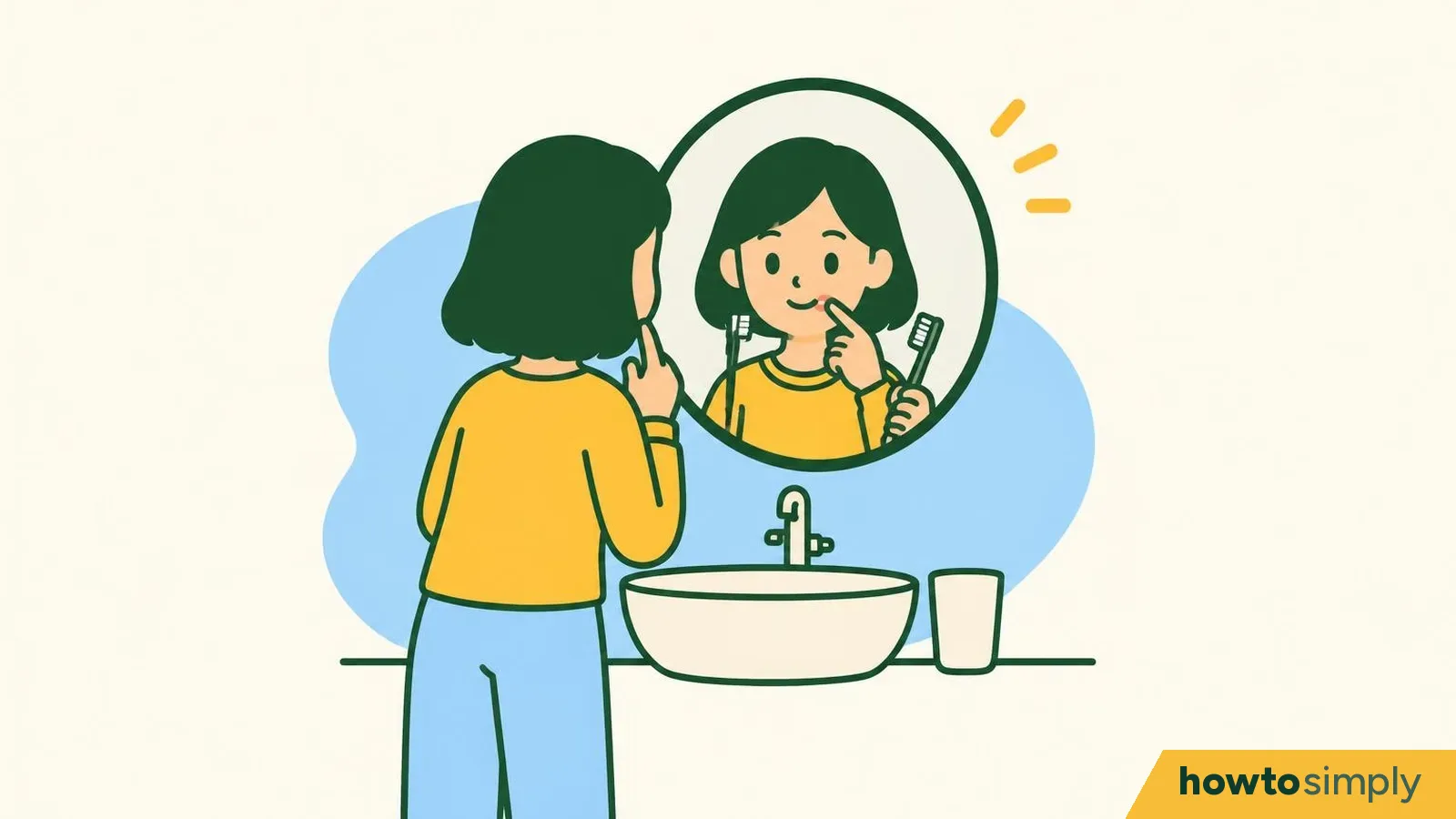
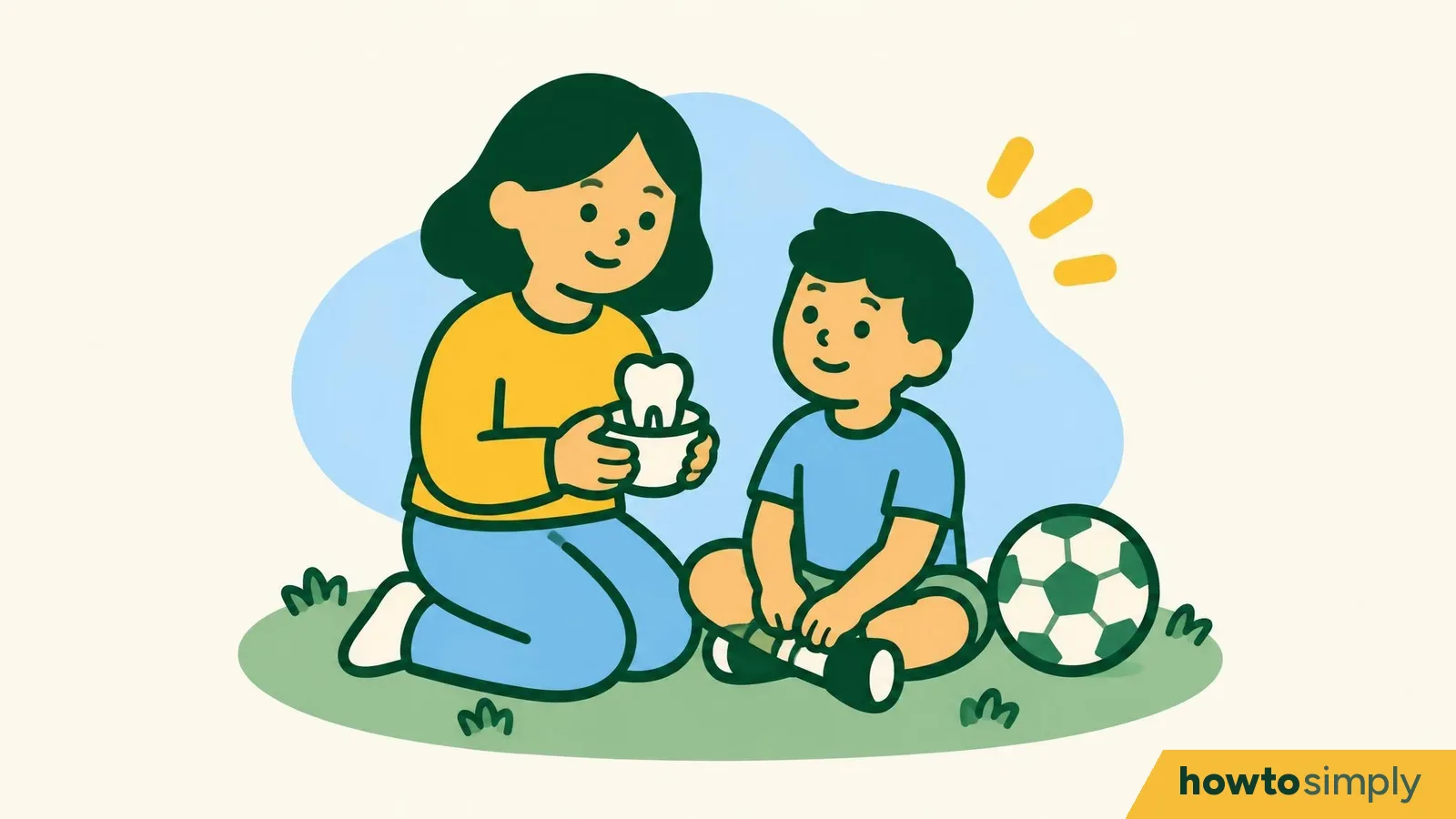
The pictures on this page are illustrations, not photos.
How we know this: sources, checks and every change
Current advice
Brush twice a day for about 2 minutes with fluoride toothpaste, once last thing at night, spit without rinsing, and clean between your teeth every day.[1][3][4][6][8]
Information, not professional advice.
Latest update
17 November 2026. We re-read all nine sources today. The advice on time, angle, rinsing and cleaning between teeth has not changed. One note: gesund.bund.de now marks its oral hygiene article as under revision and says some details may be out of date, so we lean on the other sources where they overlap.
What changed in this version
- The page now opens with key facts, and adds a table of advice by country, where the sources agree and differ, and this record history.
Key facts
- Brush twice a day for about 2 minutes, and make one of those times last thing before bed.[1][2][5][6]
- Tilt the brush at 45 degrees to the gums and use short, gentle strokes about one tooth wide, on the outer, inner and chewing surfaces.[3]
- Two minutes works out at about 30 seconds for each quarter of the mouth.[5]
- Spit out the leftover toothpaste and don't rinse, because rinsing washes off the fluoride.[1][2]
- Adults should use toothpaste with at least 1,350 ppm fluoride in the UK; German advice is 1,450 ppm once the first adult teeth come through, at about age 6.[1][7]
- A toothbrush reaches only about 70 percent of the tooth surface, so clean between your teeth once a day.[3][4][8]
- Replace your toothbrush at least every 3 months, or every 3 to 4 months, sooner if the bristles are frayed.[3][6]
What the sources agree on
- Brush at least twice a day with fluoride toothpaste for about 2 minutes.[1][3][5][6]
- Clean all the surfaces of every tooth: outer, inner and chewing.[1][3][6]
- Clean between your teeth every day, because a brush can't reach there.[1][4][6][8]
- Electric and manual brushes both work if you use them well.[1][5][6]
- Your dentist can help you choose the right tools and size of interdental brush.[1][4][6]
Where the sources differ, or nothing is confirmed
- Floss or interdental brush: gesund.bund.de puts interdental brushes first and keeps floss for gaps no brush fits[6]; the Bundeszahnärztekammer says floss is still best for tight gaps and brushes suit open gaps and gum disease[8]; the ADA says the best tool is the one you will use regularly[5].
- Wooden sticks: the NHS advises against wooden toothpicks because they can damage the gums[1], while the ADA lists woodsticks among the devices reviewed for cleaning between teeth[5].
- Bristles: the NHS says medium or soft suit most people[1]; the ADA says soft[3].
- Children: the AOK suggests about 3 minutes of brushing and a new brush every 2 to 3 months for children[9], longer and more often than the 2 minutes and 3 months given elsewhere[2][6].
- Not from a source: the problem row about floss that shreds or catches on a rough edge or filling is our own suggestion; none of the sources gives it.
Record history
- Version 3. Converted to the record format: key facts, a table by country, agree and differ lists. All nine sources re-read.
- Version 2. Released to readers after checking.
- Version 1. First version written with 18 illustrations, held back from readers while it was checked.
Sources
- NHS: How to keep your teeth clean (reviewed 30 June 2025). Read 17 November 2026.
- NHS: Taking care of children's teeth (reviewed 30 June 2025). Read 17 November 2026.
- ADA MouthHealthy: Brushing your teeth. Read 17 November 2026.
- ADA MouthHealthy: Flossing. Read 17 November 2026.
- ADA: Home oral care (updated 8 August 2024). Read 17 November 2026.
- gesund.bund.de (Federal Ministry of Health): Preventive dental care and oral hygiene (9 June 2021). Read 17 November 2026.
- Bundeszahnärztekammer: Fluoridierungsmaßnahmen zur Prophylaxe von Zahnkaries (German, June 2024). Read 17 November 2026.
- Bundeszahnärztekammer: Zahnseide (German, January 2024). Read 17 November 2026.
- AOK-Bundesverband: Mit KAI lernen Kinder das richtige Zähneputzen (German). Read 17 November 2026.
Sources and method
- Researched by
- Abu Bakar Saadat
- Pictures
- 18 illustrations drawn for this article: drawings, not photos.
- Sources
- Steps checked against the 9 named sources linked below.
- What this page adds
- Close-ups of the 45-degree brush angle and the C-shaped floss curve, and a table of what UK, German and US advice says on time, fluoride and cleaning between teeth.
- What we checked
- On 17 November 2026 we re-read both NHS pages, the three ADA pages, gesund.bund.de, both Bundeszahnärztekammer statements and the AOK page, and checked each step, number and table cell against them.
What to do next
Look after your teeth and gums Step 1 of 5
- Bleeding gums: what to do at home, and when to see a dentistGums bleed when you brush? Here is what it can mean.
- Mouth ulcer: how to ease the pain and help it healWhat helps an ulcer heal, and when to see someone.
- Toothache: what to do until you can see a dentist, and when it is an emergencyWhat to do until you can see a dentist.
Did this solve the problem?
Where did you get stuck?
Get new guides by email
Our newest guides, sent to your inbox. Free, and you can unsubscribe in one click.
We'll email you to confirm. How we use your email
Follow howtosimply on Facebook
We share every new article on our Facebook page, so the next fix turns up in your feed.
Follow on FacebookWhat did you think?
Reaction counts are loading.