Why do I keep waking up at 3am? Common causes and what to do
Reviewed by Dr Aaiman Liaqat✓, BDS
By Abu Bakar Saadat3 min readPublisher: Saadat Rafiq
Last updated: 1 November 2026References
 Illustration
On this page 7 sections
In short
Waking in the night and not getting back to sleep is a common sign of insomnia. Stress, alcohol, caffeine and a hot or noisy room are frequent causes. Keep the same wake-up time, cut caffeine and alcohol 6 hours before bed, and see a GP if it lasts months.
At a glance
- What it is
- Waking in the night or too early is a symptom of insomnia (NHS)
- Common causes
- Stress, anxiety, alcohol, caffeine, noise, heat, shift work
- Adults need
- 7 to 9 hours of sleep on average
- See a GP if
- It lasts months, habits have not helped, or you cannot cope
- Advice from
- NHS Insomnia page, reviewed 19 March 2024
- Checked
- November 2026
Is it insomnia?
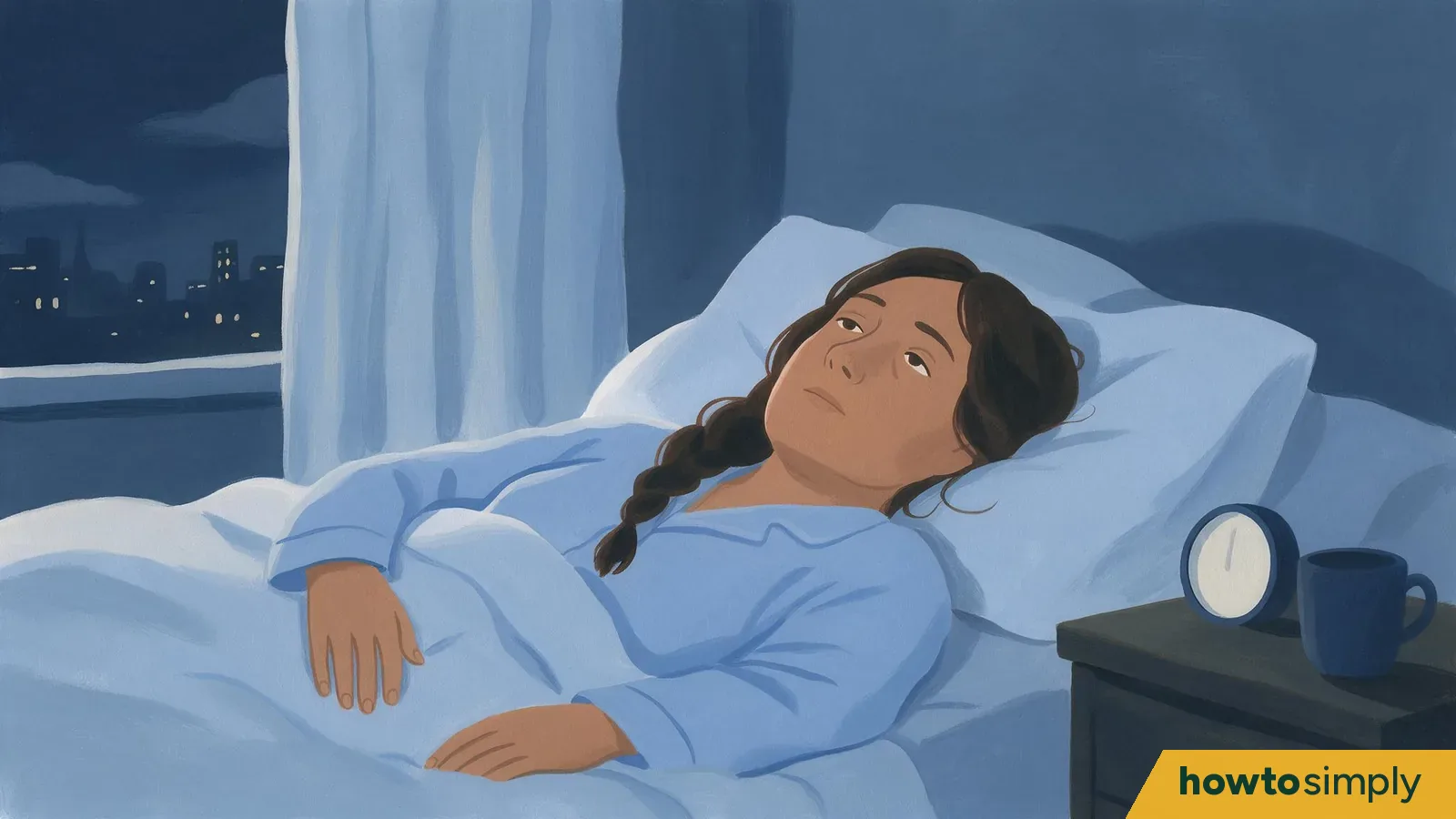
The NHS says you have insomnia if you regularly wake up several times during the night, or wake up early and can't get back to sleep, and still feel tired the next day. If it's been going on for less than 3 months, it's called short-term insomnia. Three months or more is long-term insomnia.
Common causes
The NHS lists these as the most common causes:
- stress, anxiety or depression
- noise, or a room that's too hot or cold
- an uncomfortable bed
- alcohol, caffeine or nicotine
- jet lag or shift work
Some conditions can also cause it, including restless legs syndrome, an overactive thyroid and the menopause, as can long-term pain, snoring or interrupted breathing (sleep apnoea), and many medicines.
Step by step
Get up at the same time every day
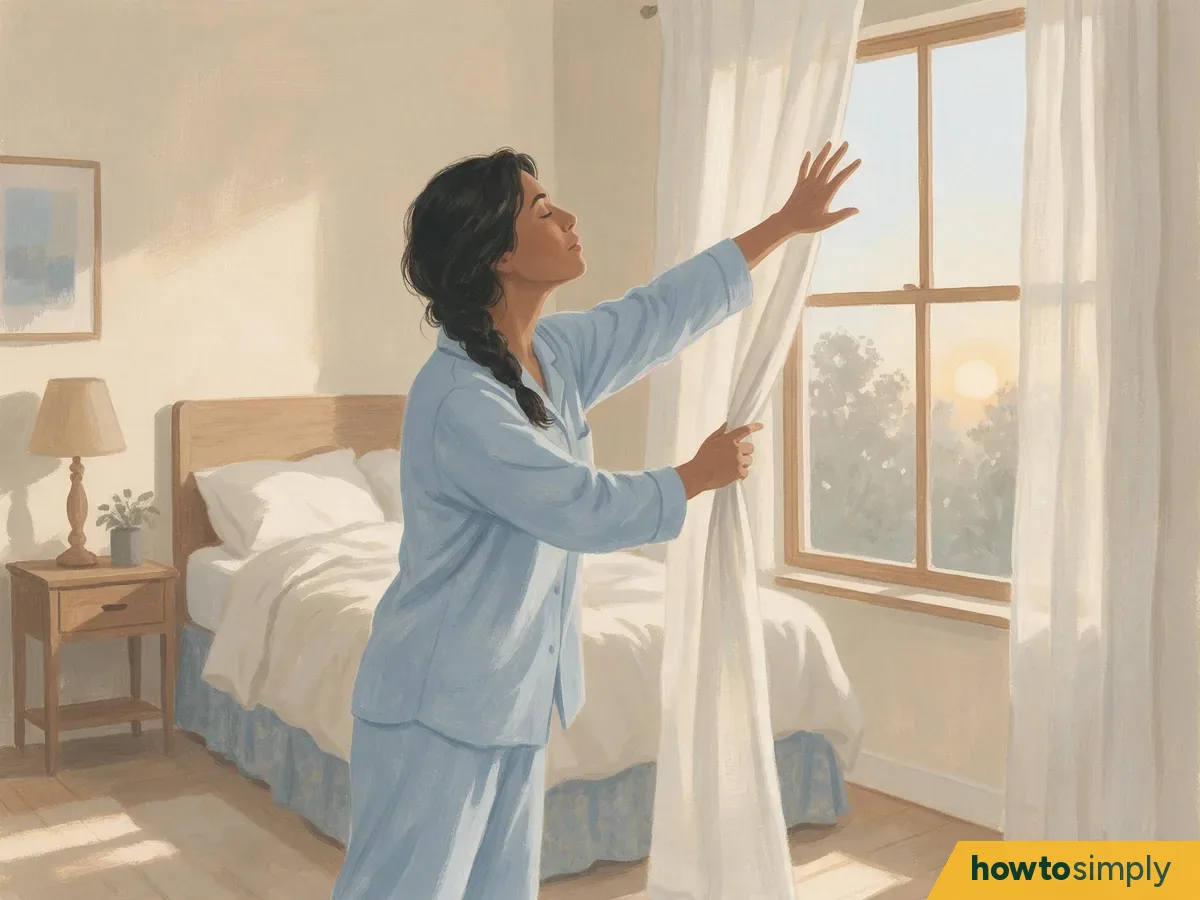
Illustration Wake up and get out of bed at the same time every day, even after a bad night (NHS). Don't sleep in or nap during the day to catch up. Only go to bed when you feel sleepy.
Cut caffeine and alcohol earlier
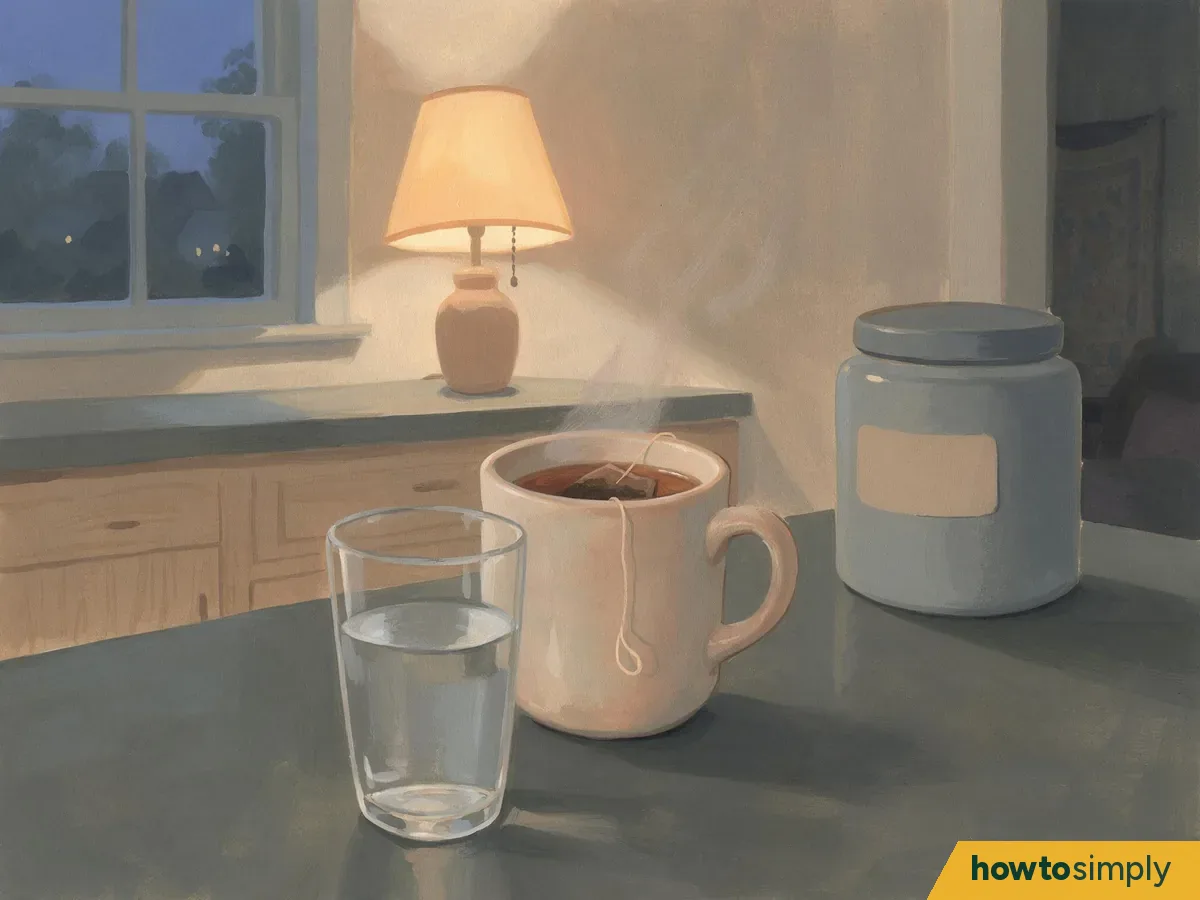
Illustration Don't drink alcohol, tea or coffee, or smoke, for at least 6 hours before bed, and avoid a big meal late at night (NHS).
Make the bedroom dark, quiet and comfortable
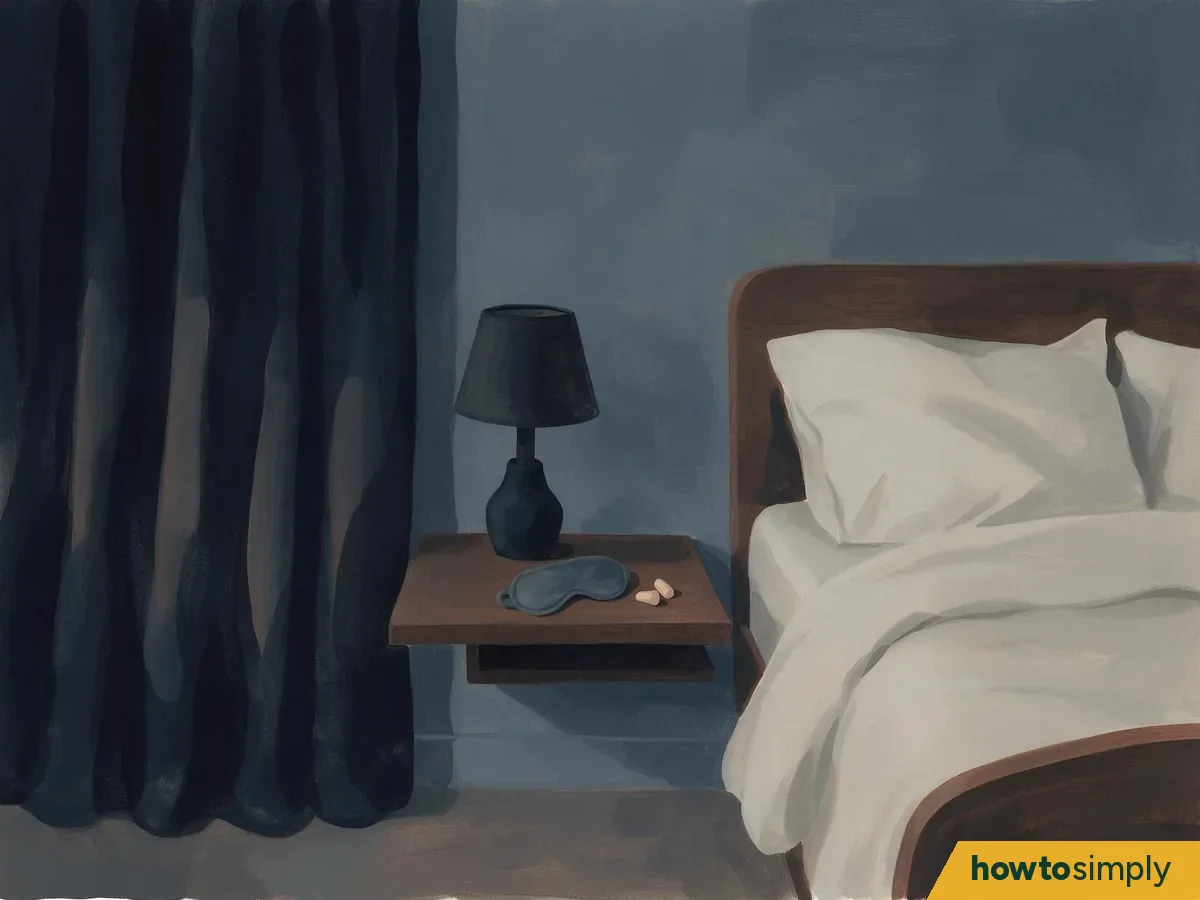
Illustration Use curtains, blinds, an eye mask or ear plugs if needed, and make sure your mattress, pillows and covers are comfortable (NHS). A room that's too hot or cold is one of the common causes of waking.
Wind down for an hour before bed
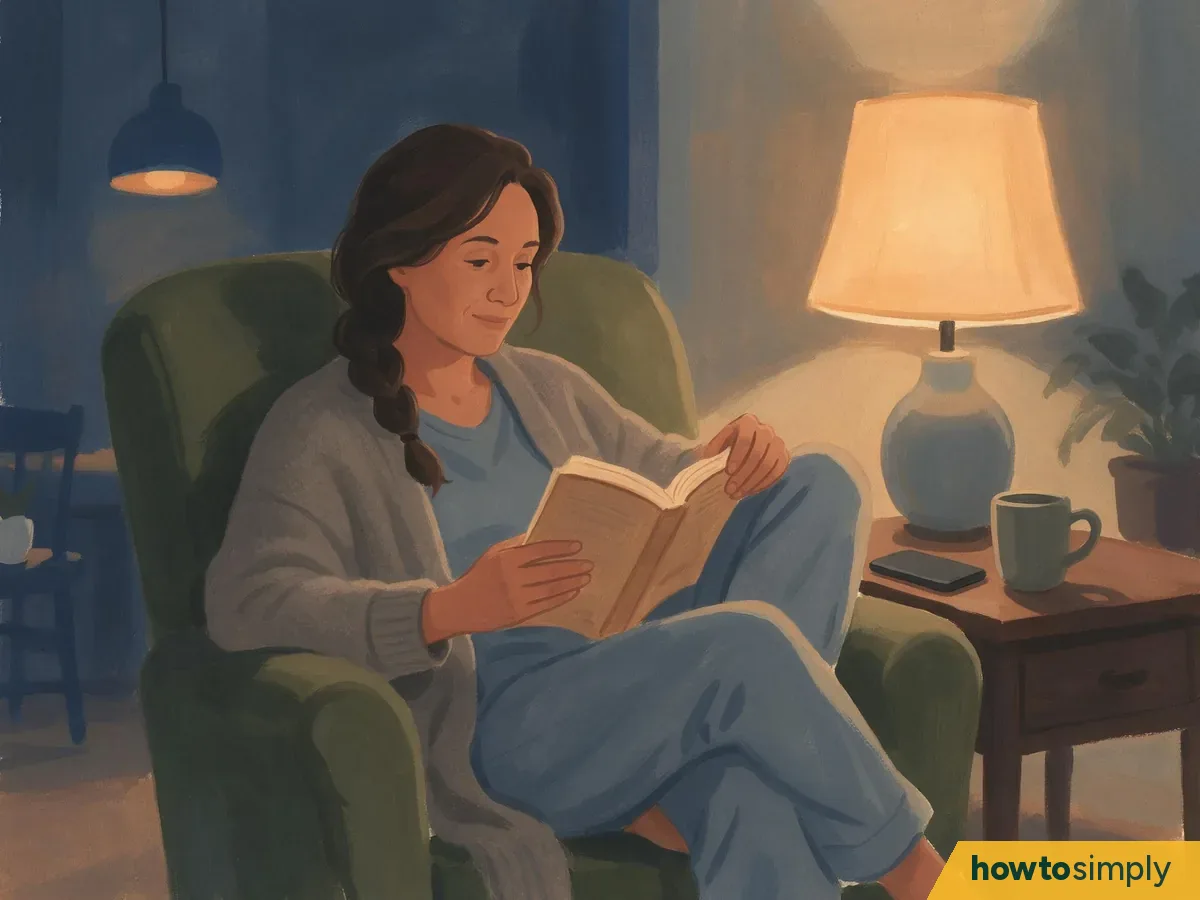
Illustration Relax for at least an hour before bed, for example with a bath or a book. Don't watch TV or use your phone right before bed. Exercise regularly during the day, but not in the 4 hours before bed (NHS).
The NHS sleep habits at a glance
| When | Do | Don't |
|---|---|---|
| Morning | Wake up and get out of bed at the same time every day | Sleep in after a bad night |
| Daytime | Exercise regularly | Nap during the day, or drive when you feel sleepy |
| 6 hours before bed | – | Smoke, or drink alcohol, tea or coffee |
| 4 hours before bed | – | Exercise |
| Late evening | – | Eat a big meal late at night |
| Last hour | Relax, for example with a bath or a book | Watch TV or use your phone right before bed |
| Bedtime | Only go to bed when you're sleepy; keep the room dark and quiet (curtains, blinds, an eye mask or ear plugs) and the mattress, pillows and covers comfortable | – |
Source for every row: NHS Insomnia page, last reviewed 19 March 2024, read again on 2 November 2026.
If this doesn't work
- Changing your habits hasn't helped, it's gone on for months, or you can't cope: see a GP. They'll look for the cause and may offer cognitive behavioural therapy (CBT), face to face or as an online programme (NHS).
- Someone notices your breathing stops and starts in your sleep, or you make gasping, snorting or choking noises, or you always feel very tired in the day: see a GP. These are signs of sleep apnoea, and they may refer you to a sleep clinic for tests. If someone has seen it happen, it helps to bring them with you (NHS).
- You're thinking of sleeping aids: pharmacy products may help for 1 to 2 weeks but can't cure insomnia and can make you drowsy. Check with your doctor first (NHS).
- Don't drive when you feel sleepy.
Questions readers ask
Is waking up at 3am a sign of something serious?
Usually it is a sign of insomnia, which the NHS says usually gets better by changing your sleeping habits. Common causes include stress, anxiety, alcohol, caffeine and a room that is too hot or noisy. See a GP if it has gone on for months or you cannot cope.
Should I take a nap if I woke up at 3am?
The NHS advises not napping during the day and not sleeping in after a bad night. Stick to your regular wake-up time instead.
Can menopause make me wake at night?
Yes. The NHS lists menopause among the conditions that can cause insomnia. A GP can help.
Do sleeping aids from the pharmacy work?
The NHS says they cannot cure insomnia but may help for 1 to 2 weeks, and should not be taken for longer. Check with your doctor before taking anything for sleep.
Did this solve the problem?
What needs work?
What did you think?
Reaction counts are loading.
Spotted a mistake? If a step is unclear or a picture is inaccurate, tell us the step number and what needs correcting. Email us about this page or use the contact form. We read every report, and fixes are listed on What changed.
Liked this article?
Follow us for new articles and short how-to videos.
Sources
We use primary, official and specialist sources appropriate to the topic.