How to spot holiday scams before you book: 13 checks
Reviewed by Sonia Abu Bakar✓, MSc Botany
By Abu Bakar Saadat8 min readPublisher: Saadat Rafiq
Last updated: 11 November 2026References
 Illustration
On this page 8 sections
In short
A villa with a pool, half price, Christmas week, "pay by bank transfer today". Here are the 13 holiday scams to know before you hand over a penny, and the quick checks that catch each one.
At a glance
- Lost in 2024
- Just over £11.1 million, 6,066 reports (Report Fraud)
- Average loss
- £1,844 per victim (Report Fraud)
- Biggest red flag
- Pay by bank transfer or cash (Report Fraud)
- Check first
- ABTA Member search and Check an ATOL
- Report it
- Report Fraud, 0300 123 2040 (Scotland: 101)
- Checked
- November 2026
Hello, and welcome to the money-safety corner. Booking a holiday should feel exciting, not like an exam, so please don't worry. Grab a cuppa and we'll walk through the warning signs together, so your money goes on sunshine and not on a fraudster's sunshine.
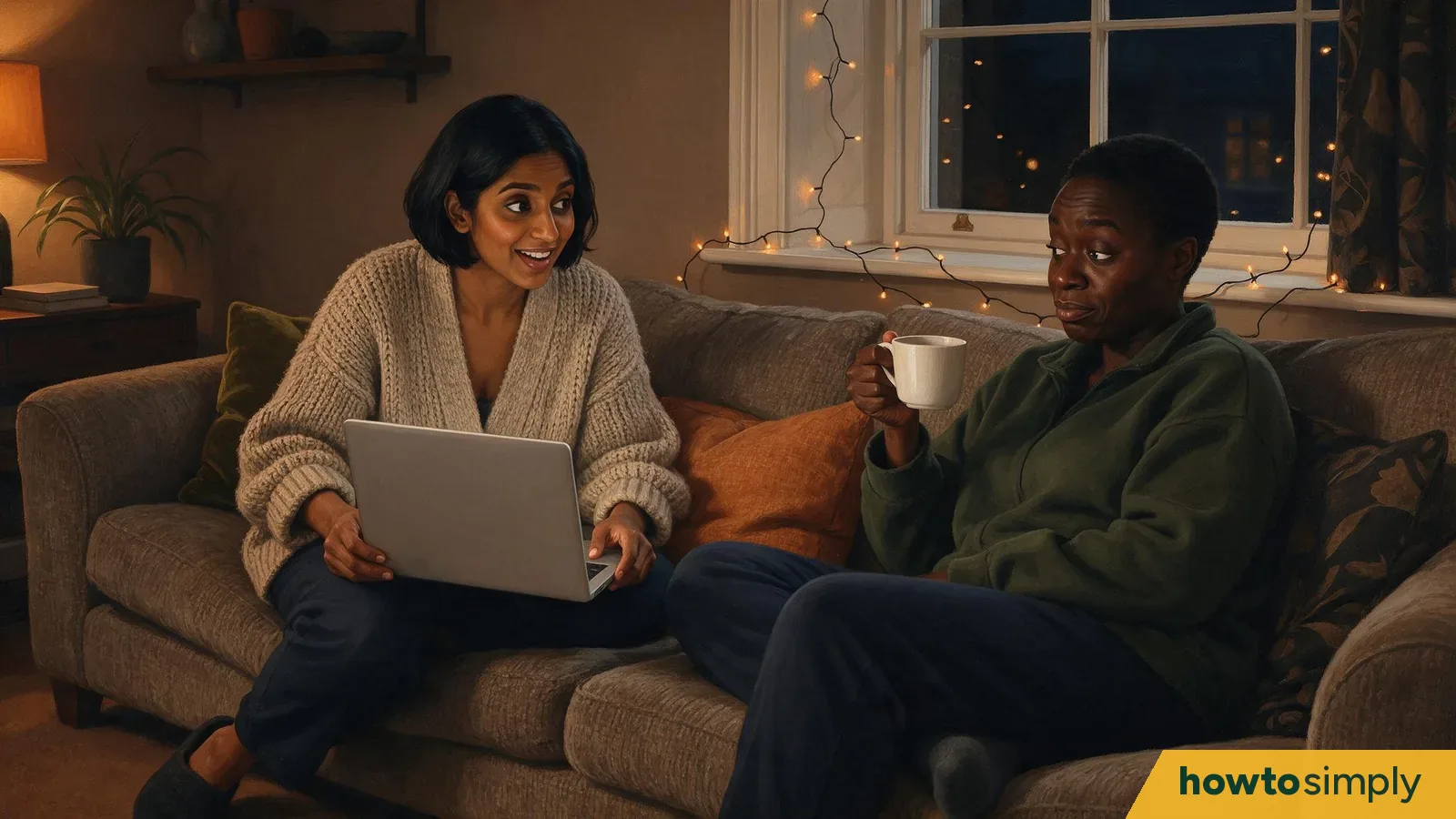
Sunday, 9.40pm, early November. Priya is on the sofa scrolling Instagram when it appears: a four-bedroom villa in Lanzarote, private pool, sea view, Christmas week, half the price of everything else she's looked at. "Only two dates left! 15% off if you pay by bank transfer within 24 hours."
She turns the laptop towards Grace. Grace, still in her work fleece, reads it, says nothing, then asks one question: "Whose name is the bank account in?"
Good question. Report Fraud figures show 6,066 reports of holiday fraud in 2024 and £11,183,957 lost, an average of £1,844 per victim. ABTA, the travel trade body, says fraudsters focus on places and times of year when demand is high and availability is limited, because that's when people hunt hardest for a deal. Here are the 13 scams Priya and Grace checked for, and how to beat each one.
Fake places, fake deals
Check the villa really exists

Illustration Report Fraud warns that scammers steal photos of real hotels and apartments from other travel websites and pass them off as their own. Get Safe Online suggests finding the property on Google Maps, looking for independent reviews and phoning the owner or agent directly. Priya found "her" villa on a big booking site under a completely different name.
Don't book straight from a social media post

Illustration Posts or ads offering unbelievably good holiday deals are one of Report Fraud's red flags. Our advice: don't click through from the post. Search for the company yourself and read what other people say about it first.
Read the web address letter by letter

Illustration Action Fraud said cloned comparison, airline and holiday websites were among the most common holiday frauds, with the web address changed so it looks genuine. ABTA says to check for small changes, such as .co.uk becoming .org. Got a dodgy deal by email? Report Fraud says you can forward it to [email protected].
Check the flight booking with the airline
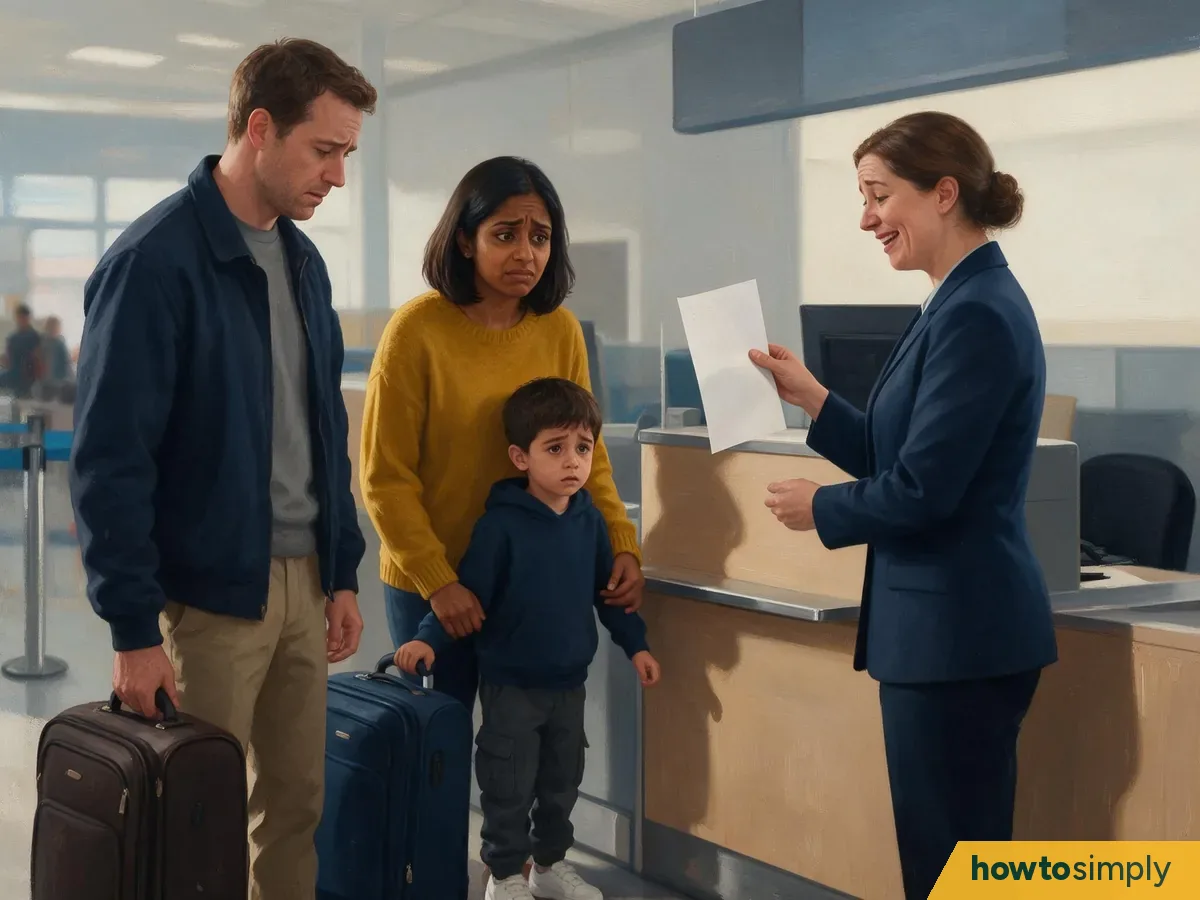
Illustration Report Fraud says some people only find out at the airport that they're not booked on the flight they paid for, and Action Fraud reported fake confirmation emails and booking references. ABTA says a genuine booking shows full flight details and a PNR (Passenger Name Record), the reference for your reservation, which you should check. Our tip: check it on the airline's own "manage booking" page, using an address you typed yourself.
Try saying (to the agent): "Before I pay the balance, can you send me the airline booking reference so I can check it with the airline?"
Hang up on the cold call that knows you've been searching
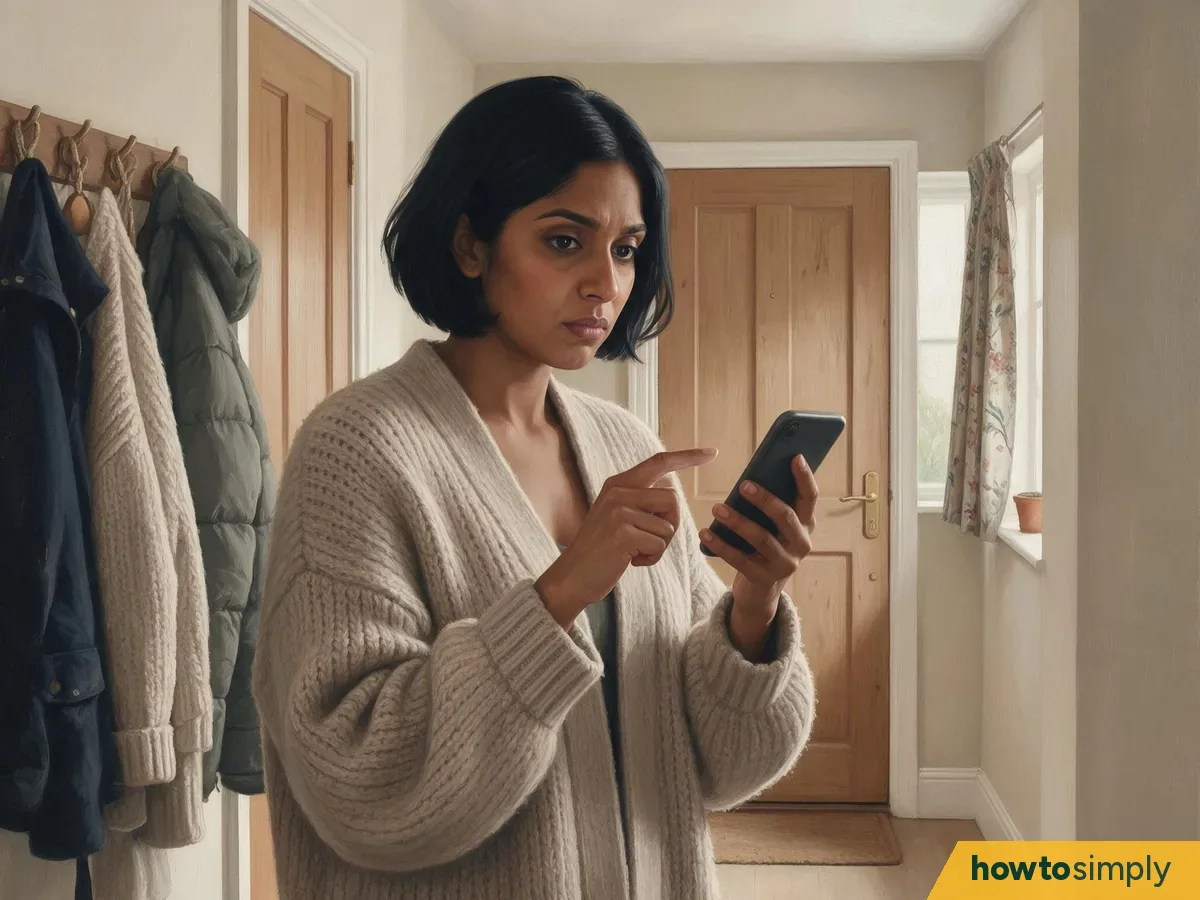
Illustration Action Fraud has warned about fraudsters cold calling people who had recently searched for flights, possibly because they typed their details into a bogus site, and offering a deliberately low quote. Never give card or personal details on a call you didn't start. Hang up and contact the company using details you found yourself.
Fake protection
Check the ATOL number yourself

Illustration Action Fraud reported fake websites using duplicate or made-up ATOL numbers. The Civil Aviation Authority (CAA) says you should get an ATOL certificate as soon as you pay anything towards an ATOL-protected trip, and its Check an ATOL tool confirms whether a business holds a licence. One thing to know: ATOL only applies if your travel company stops trading. It doesn't cover cancelled flights.
Verify the ABTA logo
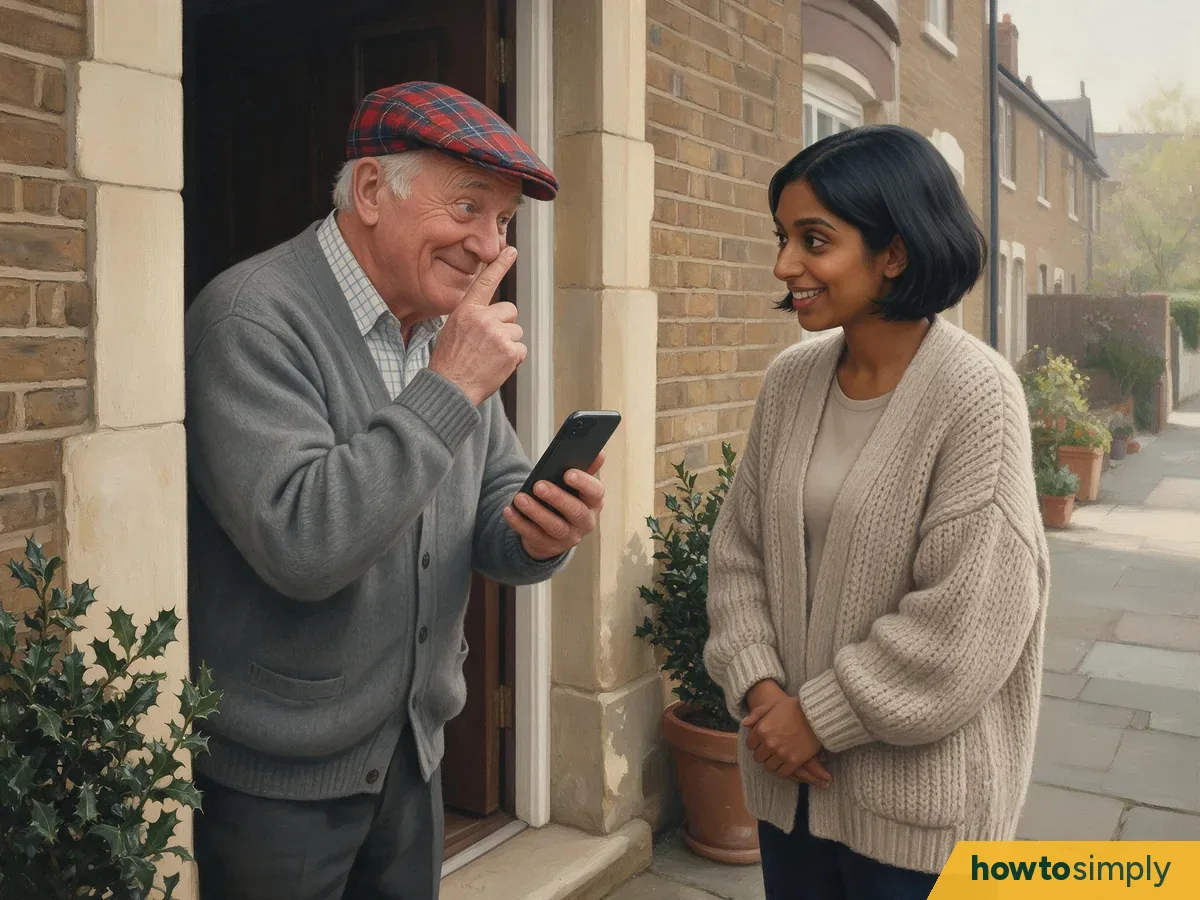
Illustration A logo is only a picture, and anyone can paste one onto a website. ABTA says to check membership on its own ABTA Member search before you book. Len from next door, who once lost money to a "timeshare buyer", has a rule: "If it takes ten seconds to check, check."
Turn down the "discount for bank transfer"
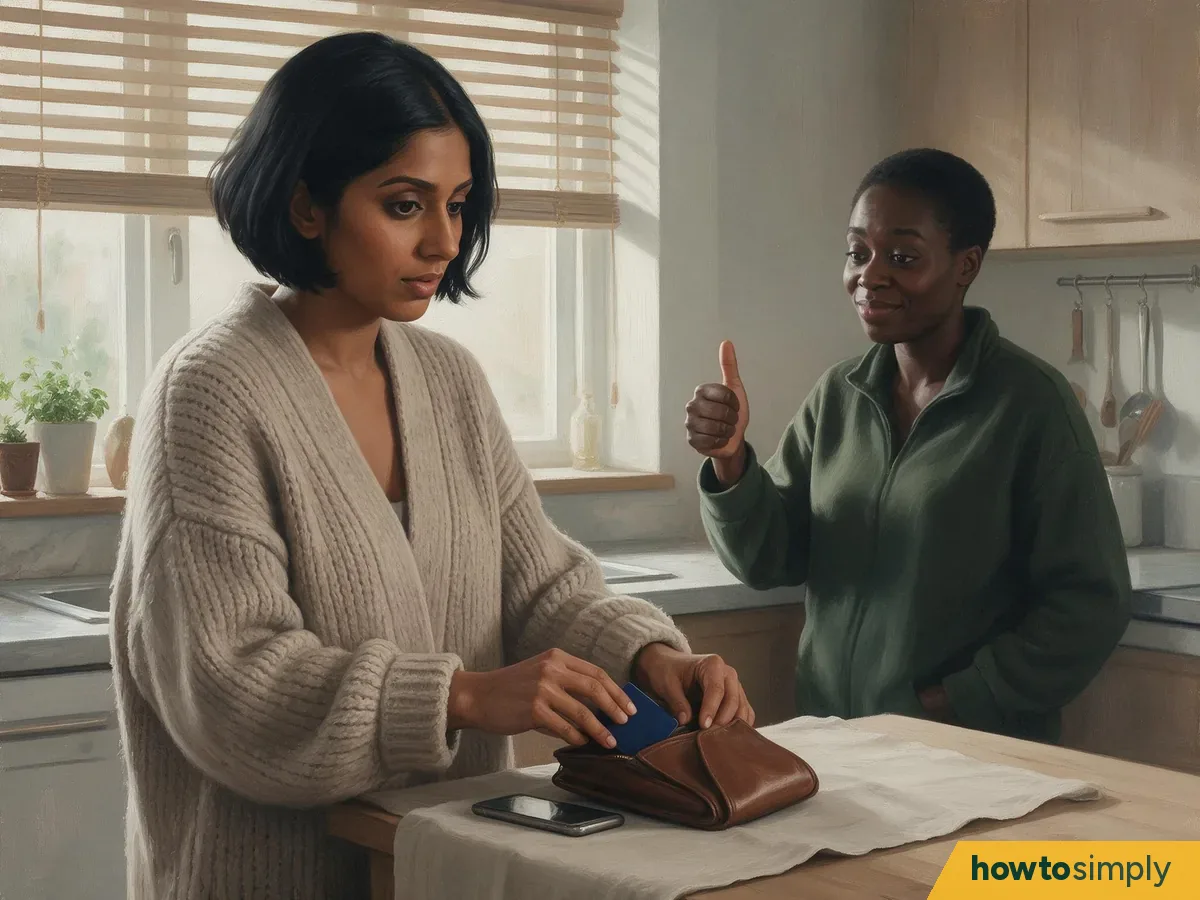
Illustration Report Fraud says being asked to pay by bank transfer or cash is a warning sign, because it's hard to trace and usually not refundable. ABTA says never pay directly into a private individual's bank account. Pay by credit card if you have one: Report Fraud says most major credit card providers protect online purchases. Back on the sofa, the 15% "discount" suddenly looked very expensive.
Keep messages and payments on the booking site

Illustration Get Safe Online advises keeping all messages and payments on platforms like Airbnb, because being tempted off the platform may be a sign of fraud. Our advice: if a "host" or "hotel" sends a link asking you to pay again or re-enter card details, don't use the link. Contact the property through the booking site or with details you already trust.
Paperwork and "helpful" strangers
Use the official passport and visa sites

Illustration ABTA warns that official-looking websites charge an extra fee for visas while adding nothing of value. Go to the official government site instead. For UK passports, ABTA says that's gov.uk/apply-renew-passport, and GOV.UK's foreign travel advice lists each country's entry requirements.
Say no to the "free bonus holiday"

Illustration Report Fraud describes fraudsters contacting timeshare owners to say they've been "awarded" a bonus holiday, claimable for an upfront fee, then pressuring them into upgrades that don't exist. Len read the brochure twice, frowned at it three times and put it in the recycling.
Ignore anyone offering to get your money back for a fee
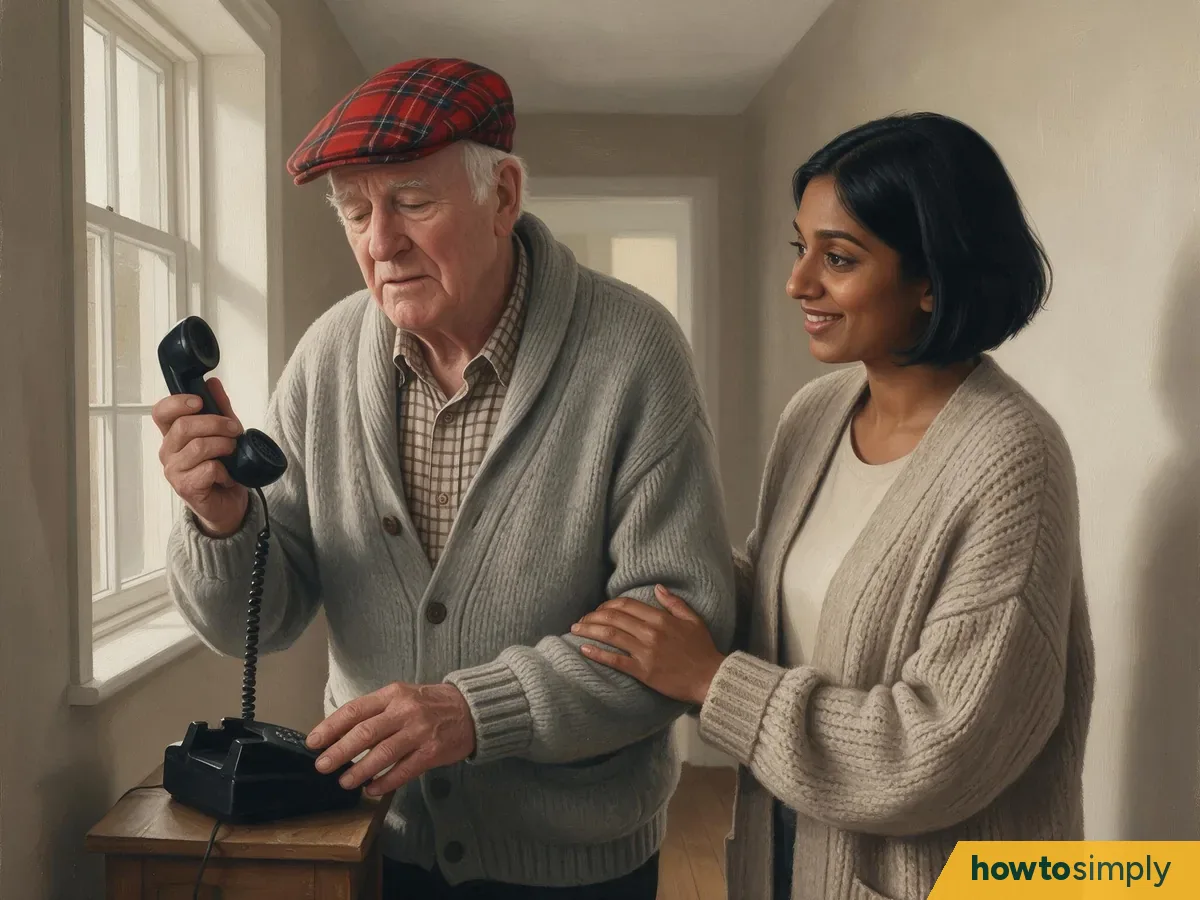
Illustration Report Fraud warns that people who've already been scammed may be contacted again by fraudsters who say they can recover the money, and says to hang up on these callers. If you're helping an older relative with this, our guide to protecting older parents from phone scams has the phone settings and family rules that help.
Try saying: "No thank you. I'll speak to my bank directly." Then actually do it, using the number on the back of your card.
Lock down your email

Illustration Action Fraud warned that if your email is hacked, a criminal can see your holiday booking details. Report Fraud's advice: protect your email with a strong password made of three random words, different from all your other passwords, and switch on 2-step verification wherever it's offered.
In the end, Priya and Grace booked a real villa, found independently, paid by credit card, with an ATOL certificate in the inbox. Len has asked to see the photos. He wants to check the pool exists.
Holiday scams at a glance
| Scam | Red flag | Quick check | Source |
|---|---|---|---|
| Fake listing | Stolen photos, no independent reviews | Find it on a map, phone the owner | Report Fraud, Get Safe Online |
| Social media deal | Unbelievably cheap | Search for the company yourself | Report Fraud |
| Cloned website | Web address slightly changed | Type the address you know | Action Fraud, ABTA |
| Fake flight booking | Confirmation only, no real reservation | Check the PNR with the airline | Report Fraud, ABTA |
| Fake ATOL or ABTA logo | Number or logo that doesn't check out | Check an ATOL, ABTA Member search | Action Fraud, CAA, ABTA |
| Bank transfer "discount" | Pay a person, today | Pay by credit card instead | Report Fraud, ABTA |
| Copycat visa or passport site | Extra fee for nothing | Use the official government site | ABTA |
| Timeshare "bonus holiday" | Upfront fee, pressure to upgrade | Don't pay, don't be rushed | Report Fraud |
| Recovery scam | "We can get your money back" | Hang up, call your bank | Report Fraud |
Source: Report Fraud, Holiday fraud, Timeshare and holiday club fraud and Bank account fraud; ATOL news, 24 February 2025 (2024 figures); Action Fraud campaign, May 2023; ABTA, How to avoid travel-related fraud; Civil Aviation Authority, What is ATOL?; Get Safe Online, Holiday (all read 11 November 2026).
Before-you-book checklist
- I've found the property or company independently, with a map, reviews and its own phone number.
- Its ABTA and ATOL details check out on ABTA's and the CAA's own websites.
- I'm paying by credit card, not by bank transfer to a person, and staying on the booking platform.
- My email has its own strong password and 2-step verification.
- I've bought travel insurance as soon as I booked, as GOV.UK advises, and read the FCDO travel advice for where I'm going.
If you think you've been scammed
- Call your bank or card provider straight away, using the number on your card or statement.
- In England, Wales and Northern Ireland, report it to Report Fraud at reportfraud.police.uk or on 0300 123 2040. In Scotland, call Police Scotland on 101.
- If the company claimed to be an ABTA member, tell ABTA too. To pass on information anonymously, ABTA points to Crimestoppers on 0800 555 111.
- Be wary of anyone who then offers to recover your money for a fee. That's a second scam.
Your turn: what's the most suspicious holiday "deal" you've ever been offered? A yacht for £40? A castle with "flexible" payment? Tell us in the comments (no personal details, please), so someone else can skip it.
Questions readers ask
How do I know if a holiday company is genuine?
Check its ABTA membership on ABTA's own Member search and, for trips with flights, its licence on the Civil Aviation Authority's Check an ATOL tool. Report Fraud also suggests looking for independent reviews and researching the company before you pay.
Is it safe to pay for a holiday by bank transfer?
It is a warning sign. Report Fraud says bank transfers and cash are hard to trace and usually not refundable, and ABTA says never to pay directly into a private individual's bank account. Use a credit card if you have one.
Does ATOL protect me if my flight is cancelled?
No. The Civil Aviation Authority says ATOL only applies if your travel company stops trading. You should get an ATOL certificate as soon as you pay anything towards an ATOL-protected trip.
Where do I report a holiday scam?
Tell your bank or card provider straight away. In England, Wales and Northern Ireland, report it to Report Fraud online or on 0300 123 2040. In Scotland, call Police Scotland on 101. ABTA says to tell it too if the company claimed to be a member.
How much do people lose to holiday fraud?
Report Fraud figures published in February 2025 show 6,066 reports and just over £11.1 million lost in 2024, an average of £1,844 per victim.
About this article
- Written by
- Abu Bakar Saadat
- Reviewed by
- Sonia Abu Bakar, MSc Botany. Checked this article on a private review copy and approved it on 12 November 2026.
- Pictures
- 14 illustrations drawn for this article, each marked Illustration (drawings, not photos).
- Sources
- 12 named sources, linked below.
- What this page adds
- A table of 13 holiday scams with the red flag and quick check for each, a before-you-book checklist, and what to do if you think you've been scammed.
Did this solve the problem?
What needs work?
What did you think?
Reaction counts are loading.
Sources
We use primary, official and specialist sources appropriate to the topic.
- Report Fraud: Holiday fraud
- Report Fraud: Timeshare and holiday club fraud
- Report Fraud: Bank account fraud
- ATOL: Don't let fraudsters trip you up this summer (24 February 2025)
- ABTA: Don't lose out before flying out (26 February 2024)
- Action Fraud: Don't get burnt before you're on the beach (May 2023)
- Action Fraud: Don't let flight ticket fraudsters take off with your cash
- ABTA: How to avoid travel-related fraud
- UK Civil Aviation Authority: What is ATOL?
- UK Civil Aviation Authority: Check an ATOL
- Get Safe Online: Booking holidays and travel safely online
- GOV.UK: Foreign travel insurance