Signs of controlling behaviour in a relationship, and what to do
Reviewed by Sonia Abu Bakar✓, MSc Botany
By Abu Bakar Saadat3 min readPublisher: Saadat Rafiq
Last updated: 1 November 2026References
 Illustration
On this page 6 sections
In short
Controlling behaviour is about power: checking your phone, cutting you off from friends, controlling money or what you wear. If that sounds familiar, or you're afraid of your partner, talk to a helpline confidentially. In an emergency, call 999, 911 or 112.
At a glance
- Key sign
- Feeling afraid, or changing what you do because of what your partner might do (NHS)
- Not only physical
- Put-downs, isolation, money control and monitoring are abuse too (NHS)
- UK helpline
- National Domestic Abuse Helpline 0808 2000 247, free, 24 hours
- US helpline
- love is respect 1-866-331-9474, or text LOVEIS to 22522
- Emergency
- 999 UK, 911 US, 112 EU
- Checked
- November 2026
If you're in danger now, call 999 in the UK, 911 in the US or 112 in the EU. If someone might check your phone, Women's Aid explains how to cover your tracks online.
Signs of controlling behaviour
The NHS says domestic abuse is "always about having power and control over you". It doesn't have to be physical. These are the signs it lists, grouped:
| Area | Does your partner ever... |
|---|---|
| Friends and family | Isolate you from family and friends, or stop you going to college or work? |
| Everyday choices | Tell you what to wear, who to see, where to go and what to think? |
| Money | Control your money, or not give you enough for food or other essentials? |
| Phone and online | Monitor your social media, read your emails or texts, share photos or videos of you without consent, or track your location? |
| Put-downs and blame | Belittle you, blame you for arguments, or deny or downplay what's happening? |
| Jealousy | Accuse you of flirting or having affairs, or make unreasonable demands for your attention? |
| Threats | Threaten to hurt you or themselves, destroy your things, stand over you, or follow you? |
The NHS adds two questions: have you ever felt afraid of your partner, and have you ever changed your behaviour because you're afraid of what they might do? If you answer yes to any of these, you might be in an abusive relationship. If what's happening isn't on the list, the NHS says that doesn't mean it isn't abuse.
Step by step
Compare it with a healthy relationship

Illustration Healthy relationships rest on good communication, healthy boundaries, mutual respect and support, and they give each other space and privacy (love is respect). Every couple argues sometimes. The difference is whether you can disagree, see friends and keep your own phone without being punished for it. Love is respect describes relationships on a spectrum from healthy, through unhealthy, to abusive.
Write down what happens
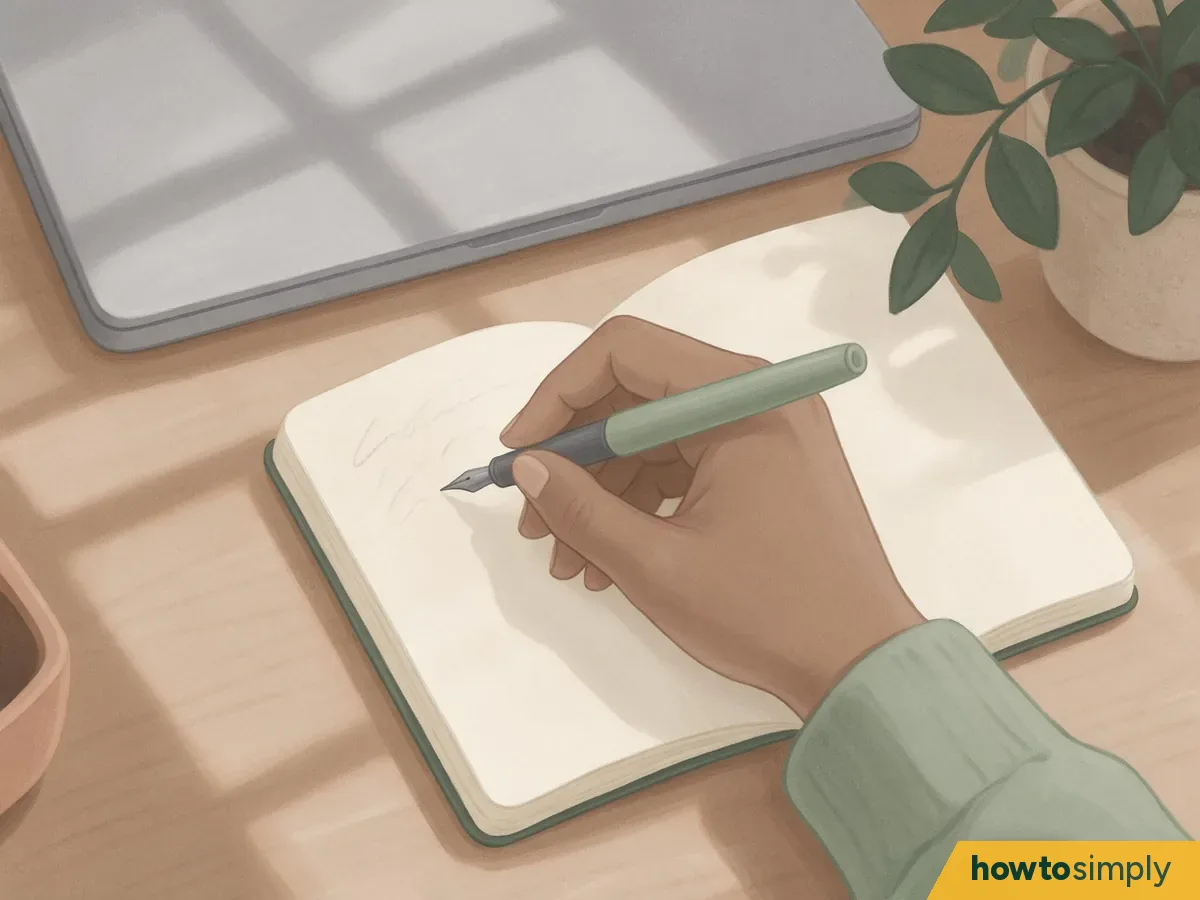
Illustration Patterns are easier to see on paper than in your head. Note what happened, when, and how it made you feel. Keep notes somewhere your partner can't see them, such as with a friend you trust (our suggestion, because controlling partners often check phones).
Talk to someone you trust, or a helpline

Illustration You don't have to wait for an emergency to get help (NHS). Helplines are free and confidential, and they won't tell you what to do:
- UK: National Domestic Abuse Helpline, run by Refuge, 0808 2000 247, free, day or night. Men: Respect Men's Advice Line, 0808 8010 327 (Monday to Friday, 10am to 8pm). LGBT+: Galop, 0800 999 5428. You can also talk to your GP.
- US: love is respect, call 1-866-331-9474, text LOVEIS to 22522, or chat on their website.
- Elsewhere: call your local emergency number if you're in danger.
If you decide to leave, plan first
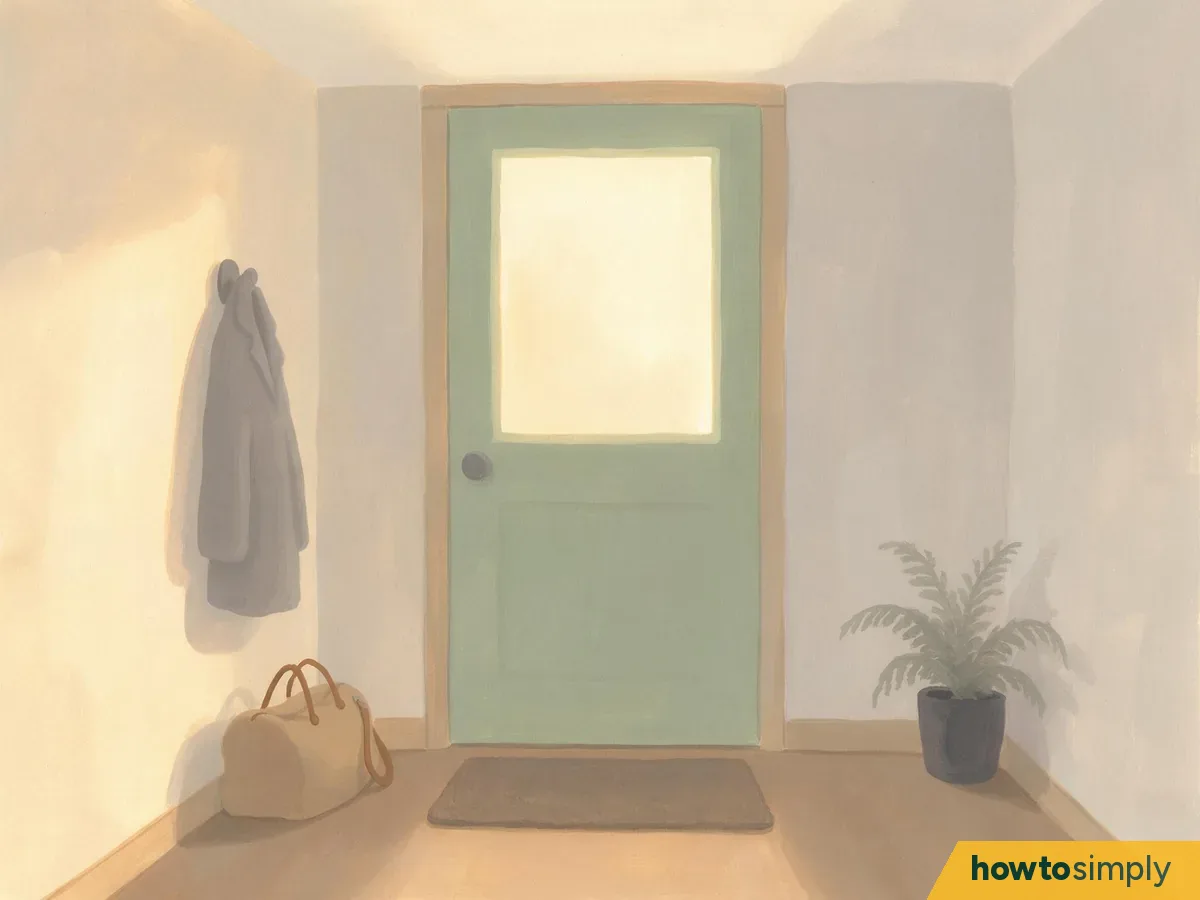
Illustration The NHS advises getting advice from a support organisation before you go, and being careful who you tell, so the other person doesn't know where you're going. Women's Aid has a guide to leaving a relationship safely that applies to women and men. Love is respect has an interactive safety plan.
If you're worried about a friend

The NHS suggests:
- Let them know you've noticed something is wrong, and find a safe, quiet time to talk.
- Listen, and don't blame them. Tell them nobody deserves to be treated this way.
- Don't push them to leave if they're not ready. That's their decision.
- Offer to go with them to a GP or hospital if they've been hurt, and help them report it if they choose to.
If this doesn't work
- You're not sure it's "bad enough": you don't need to be sure. Helplines talk to people who are unsure all the time.
- Your partner checks your phone: use a friend's phone or a public computer, and clear your history afterwards. In the UK, some pharmacies and banks offer Safe Spaces in their consultation rooms (NHS).
- You're worried you're the controlling one: in the UK, call the Respect Phoneline on 0808 802 4040 (NHS).
Questions readers ask
Is jealousy a sign of control?
Occasional jealousy is a normal feeling. It becomes controlling when it turns into rules: accusing you of flirting or affairs, checking your phone, or stopping you seeing people. The NHS lists these as signs of emotional abuse.
Can controlling behaviour happen without violence?
Yes. The NHS says domestic abuse includes emotional abuse, such as putting you down, isolating you from friends and family, or controlling your money. It says abuse is always about having power and control over you.
Can men be controlled by a partner?
Yes. The NHS says domestic abuse can happen to anyone and anybody can be an abuser. In the UK, men can call the Respect Men's Advice Line on 0808 8010 327.
What if I think I am the controlling one?
In the UK, the NHS points to the free Respect Phoneline on 0808 802 4040 for people worried they are behaving abusively.
Should I tell my partner I am leaving?
Be careful. The NHS advises getting advice from a support organisation first and being careful who you tell, so the person does not know where you are going.
Did this solve the problem?
What needs work?
What did you think?
Reaction counts are loading.
Spotted a mistake? If a step is unclear or a picture is inaccurate, tell us the step number and what needs correcting. Email us about this page or use the contact form. We read every report, and fixes are listed on What changed.
Liked this article?
Follow us for new articles and short how-to videos.
Sources
We use primary, official and specialist sources appropriate to the topic.