13 kitchen habits that cut food waste and save money
Reviewed by Sonia Abu Bakar✓, MSc Botany
By Abu Bakar Saadat5 min readPublisher: Saadat Rafiq
Last updated: 7 November 2026References
 Illustration
On this page 7 sections
In short
The sad bag of spinach. The bread with one green corner. The potatoes growing arms in the cupboard. Here are 13 habits that keep food out of the bin and money in your pocket.
At a glance
- Edible food binned in UK homes
- About 4.7 million tonnes a year (WRAP)
- Cost for a family of four
- About £1,000 a year
- Most wasted food
- Potatoes: 46% of those bought
- Fridge temperature
- 0 to 5°C (FSA)
- Leftovers
- Fridge within 1 to 2 hours, eat within 48 hours
- Checked
- November 2026
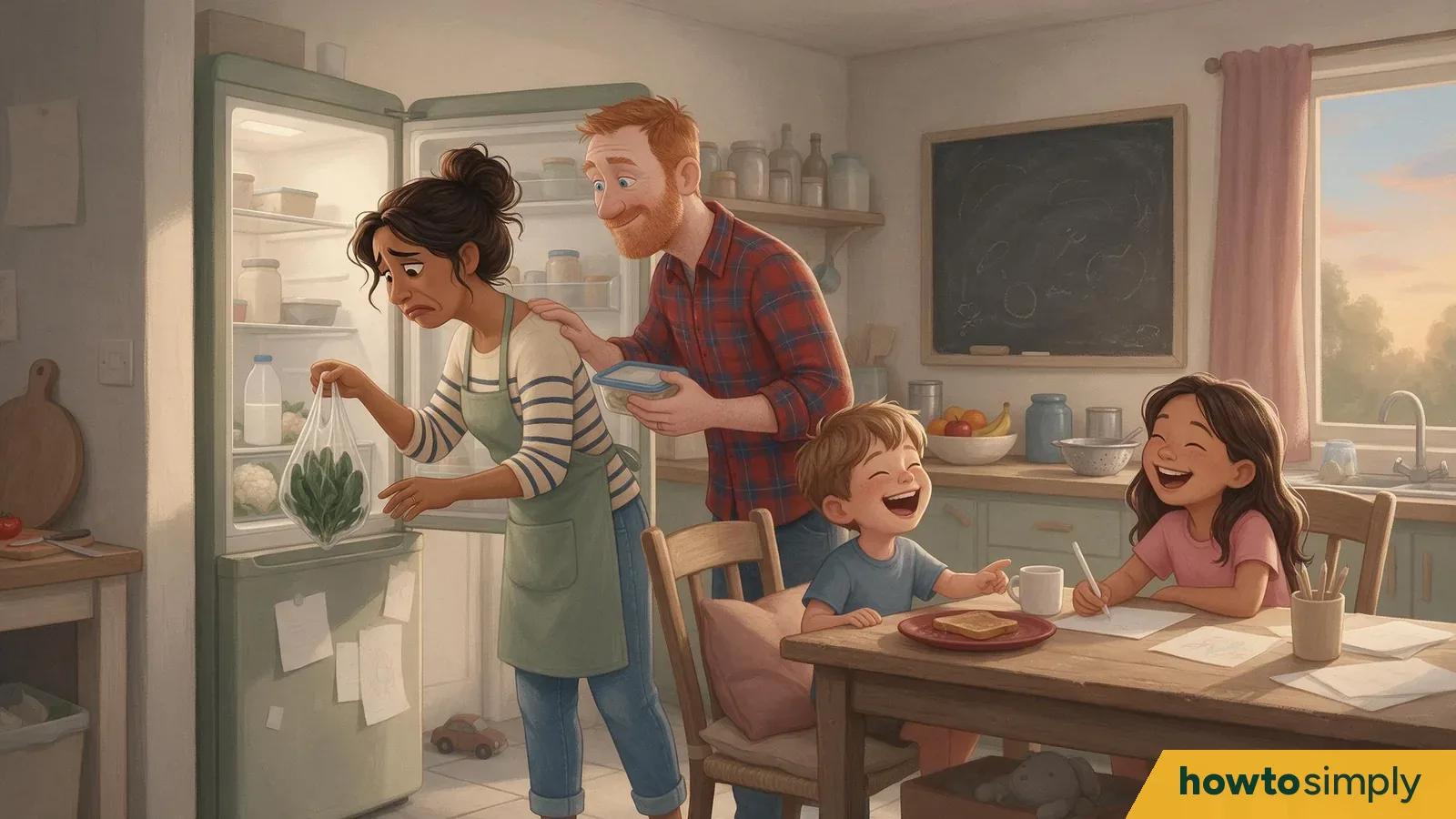
Sunday night. Nadia opens the fridge to plan the week and finds half a cucumber gone soft, a bag of spinach that's now mostly liquid, three yoghurts past their date and a mystery container nobody will admit to. Callum says "we'll be better next week". They said that last week.
It's not just them. WRAP, the UK charity behind Love Food Hate Waste, estimates that UK households throw away about 4.7 million tonnes of food that could have been eaten every year, worth around £17 billion. That's roughly £1,000 a year for a family of four. Here are 13 habits to win some of it back.
Shop smarter
1. Check the fridge before you shop
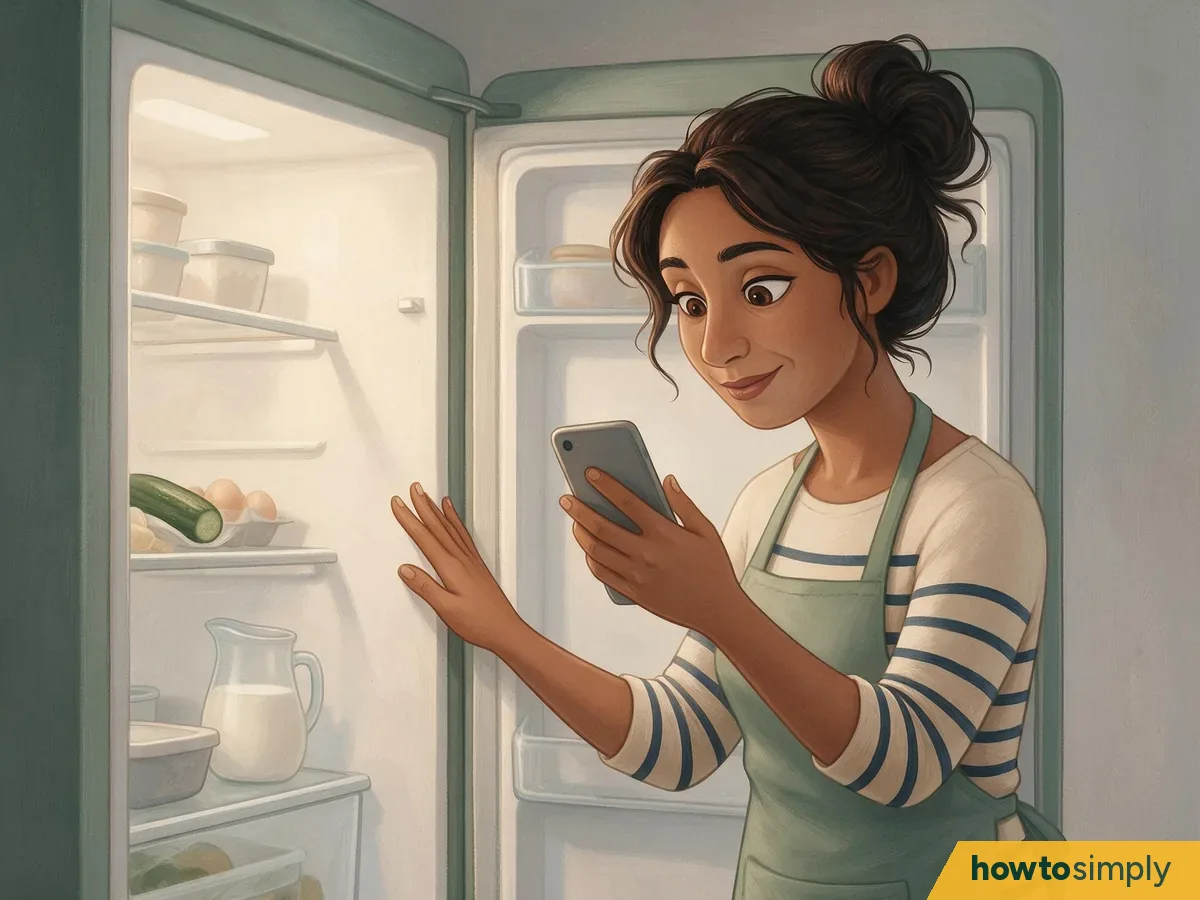
Take a quick photo of the fridge and cupboard before you leave. It's the cheapest shopping list you'll ever make, and it stops you buying a third jar of mustard.
2. Plan meals around what needs using up
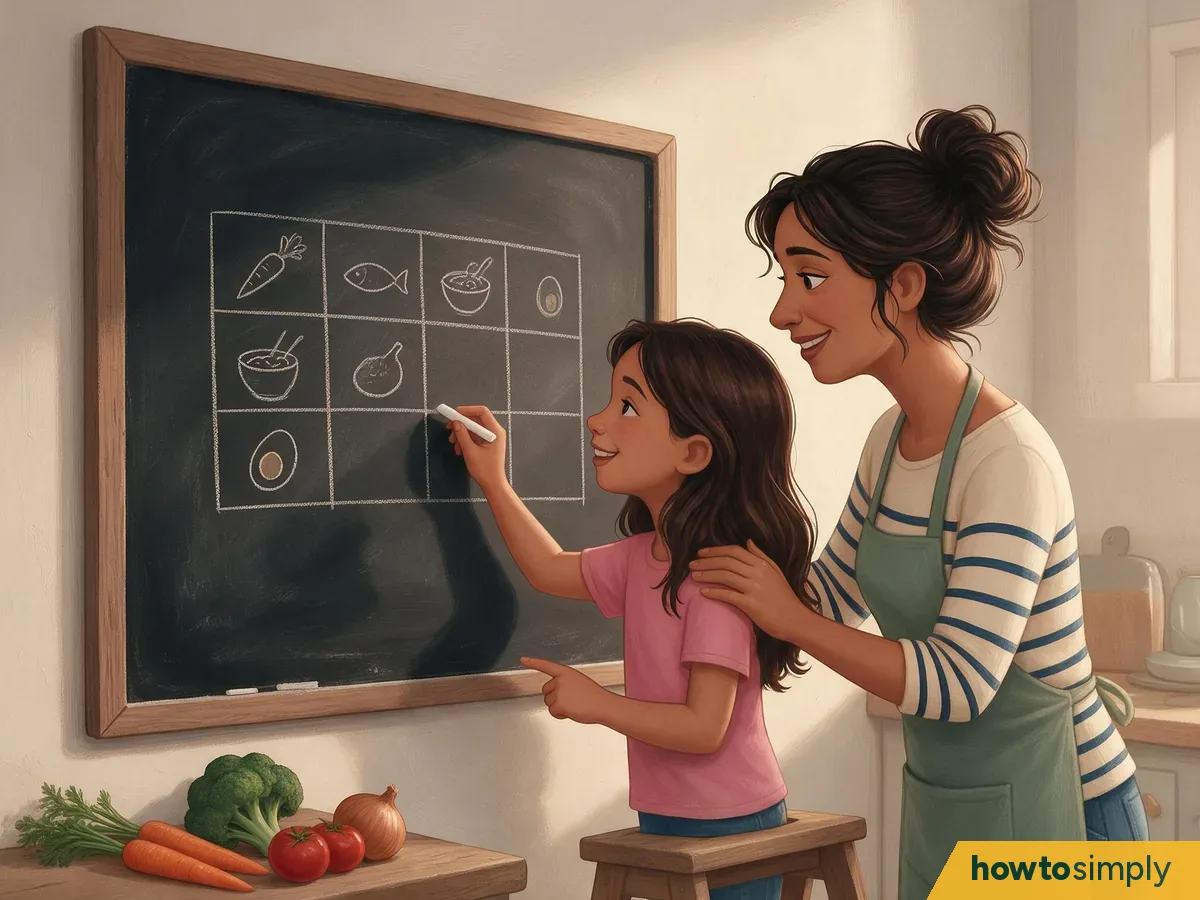
Start the weekly plan with whatever is closest to going off, then shop only for the gaps.
3. Buy loose fruit and veg when you can
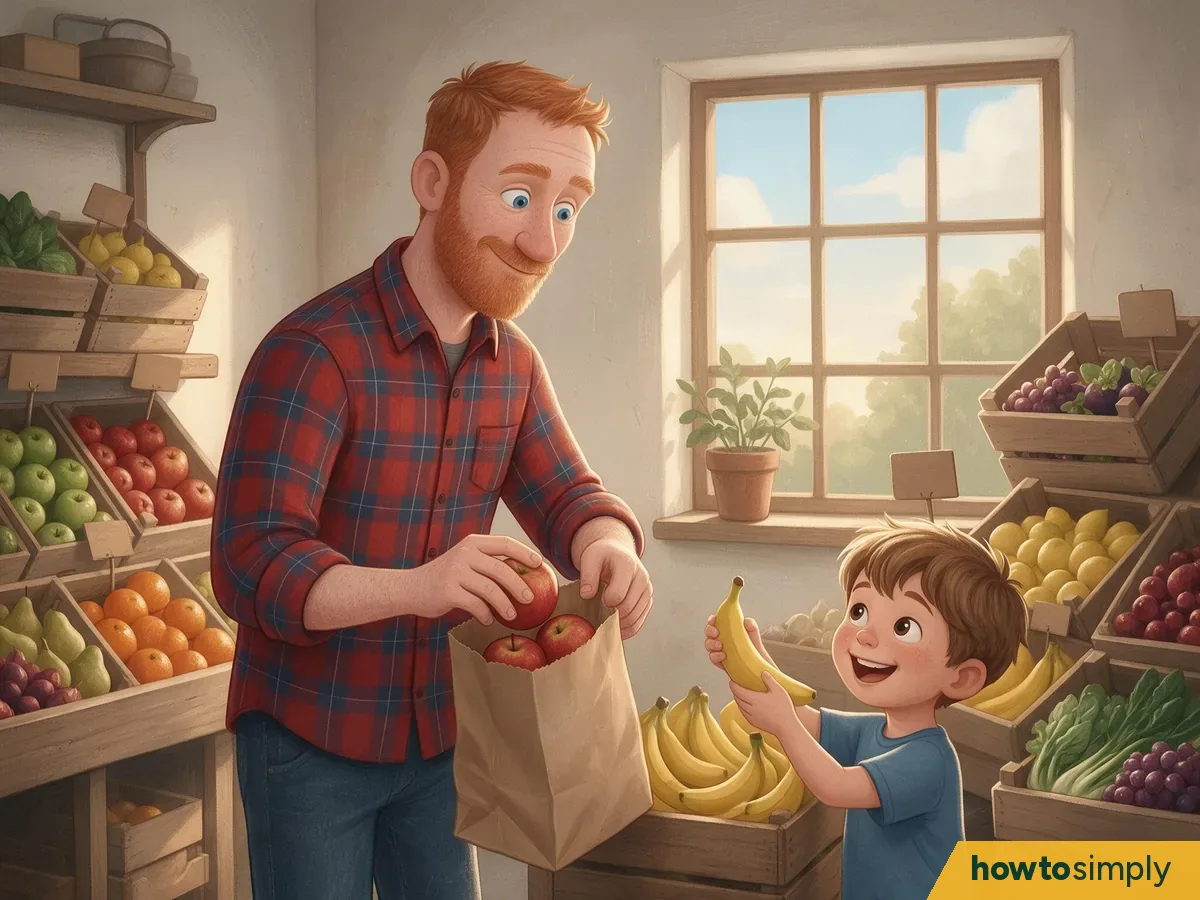
WRAP found that only 19% of fresh produce is sold loose by large UK retailers, so most of us buy the pack size we're given, not the amount we need. Buying loose lets you take four apples instead of nine. WRAP estimates 60,000 tonnes of food waste could be avoided if all apples, potatoes and bananas were sold loose.
4. Be wary of multibuys on things that go off
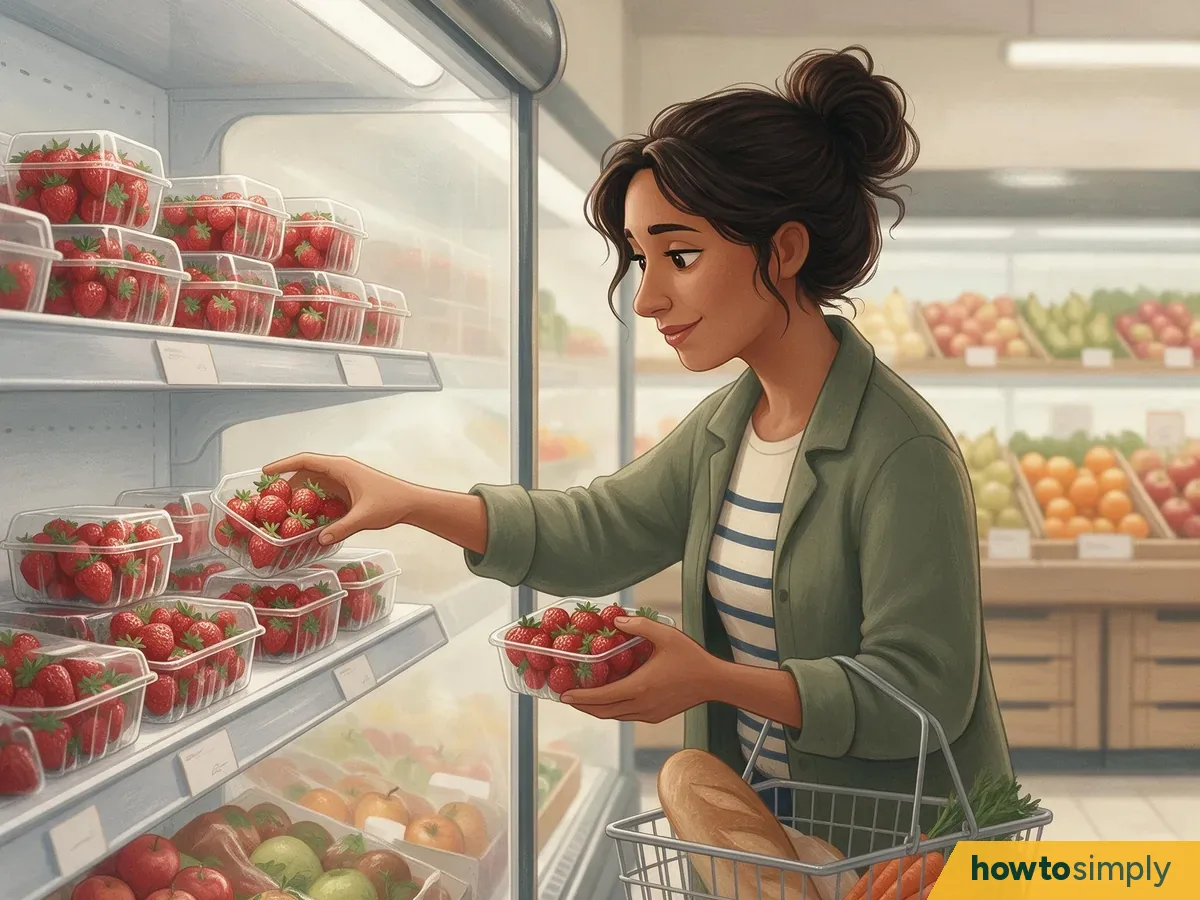
"3 for 2" on strawberries isn't a bargain if one punnet goes mouldy. WRAP has called for fewer in-store promotions that push people into buying more perishable food than they need.
Store it right
5. Store potatoes somewhere cool and dark, away from onions
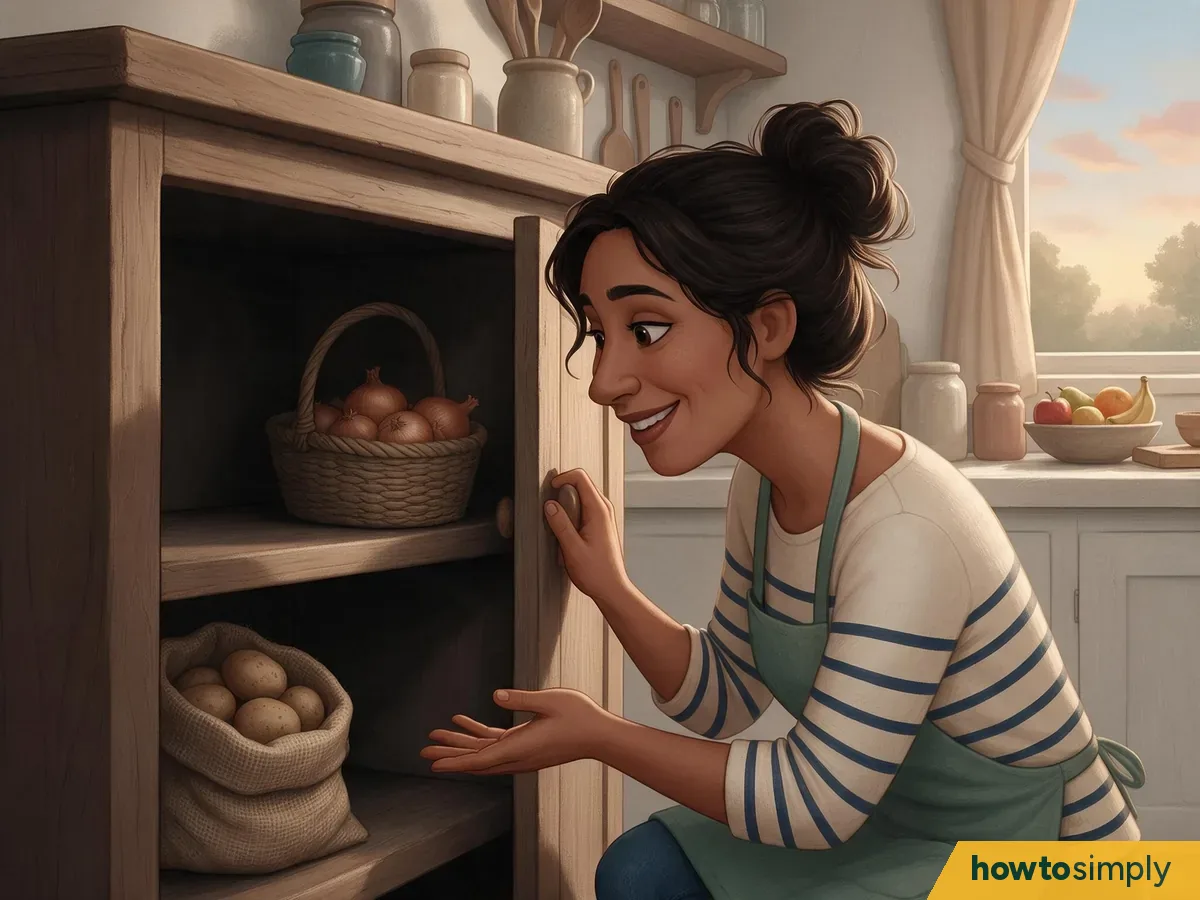
Potatoes are the UK's most wasted food. WRAP estimates about 510,000 tonnes are binned each year, 46% of all the potatoes we buy. Love Food Hate Waste suggests a cool, dry, dark place, ideally in a cloth bag and away from strong-smelling foods like onions. Buy what you'll use, and turn the rest into mash, soup or wedges.
6. Keep your fridge between 0 and 5°C
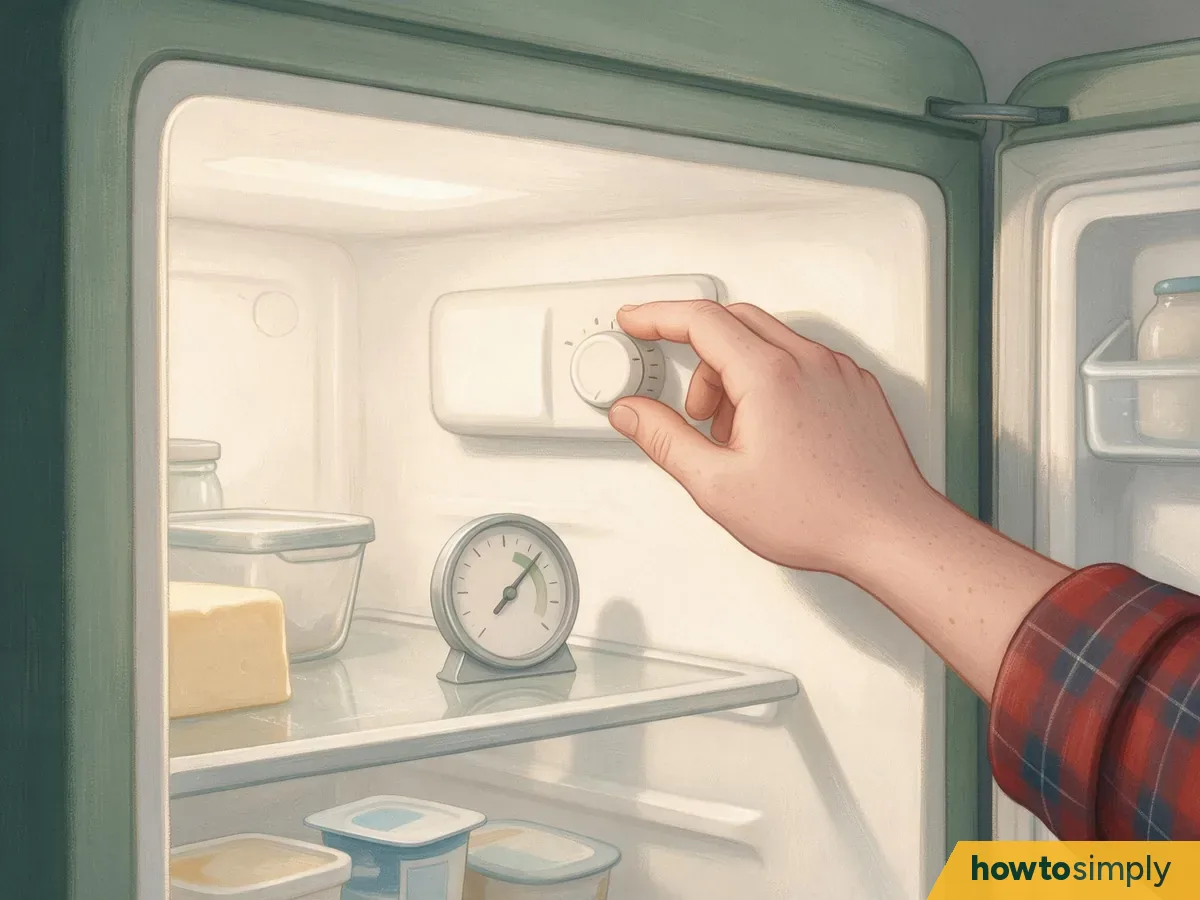
The Food Standards Agency (FSA) says your fridge should be between 0 and 5°C. A cheap fridge thermometer is the easiest way to check, and the FSA suggests checking about once a week. Don't leave the door open for long.
7. Learn "use by" vs "best before"
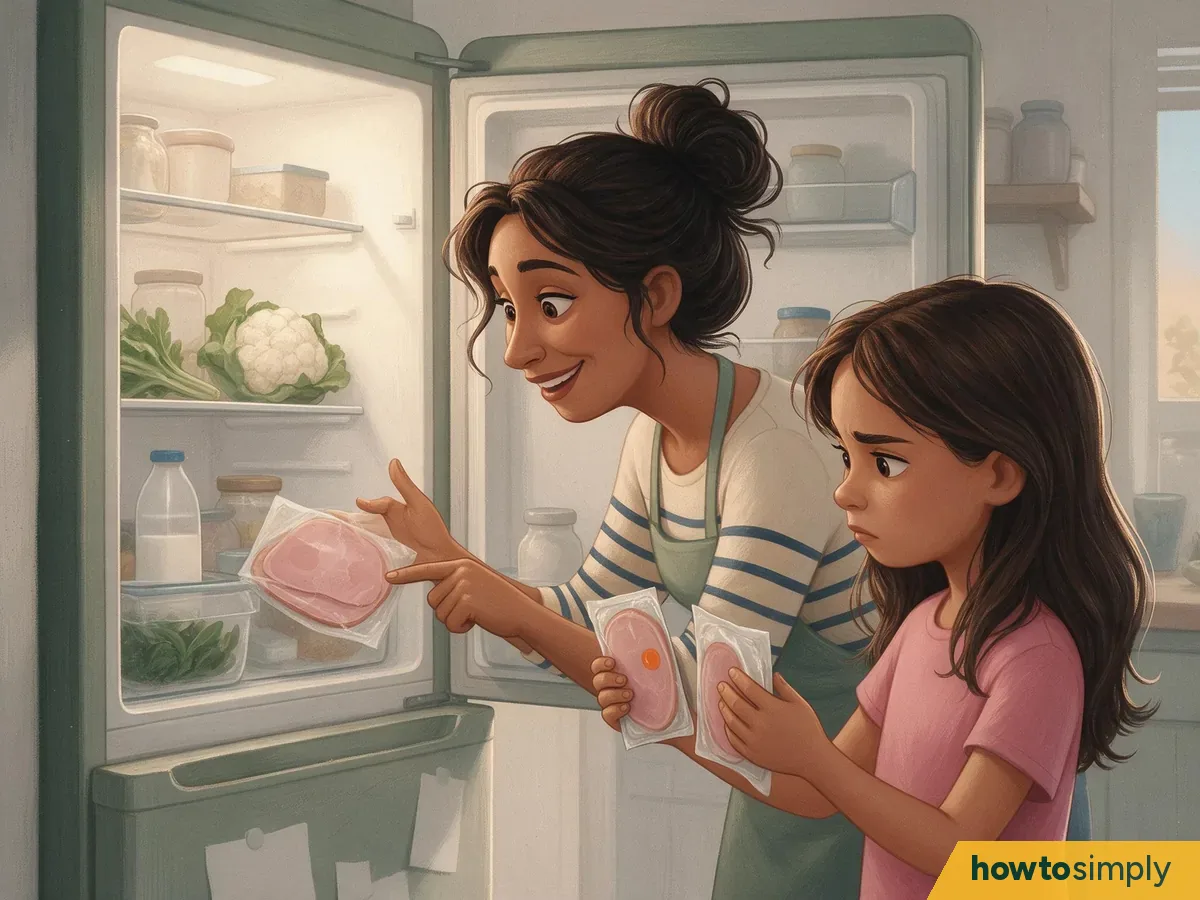
This one difference saves a lot of perfectly good food, and keeps you safe.
| Label | What it means | What to do |
|---|---|---|
| Use by | Safety. Found on food that goes off quickly, like meat and ready-to-eat salads | Don't eat it after this date, even if it looks and smells fine. You can cook or freeze it on or before the date |
| Best before | Quality. Found on things like pasta, rice, tins, frozen food and cheese | Usually still safe afterwards. Use your eyes, nose and taste to decide |
8. Use your freezer as a pause button
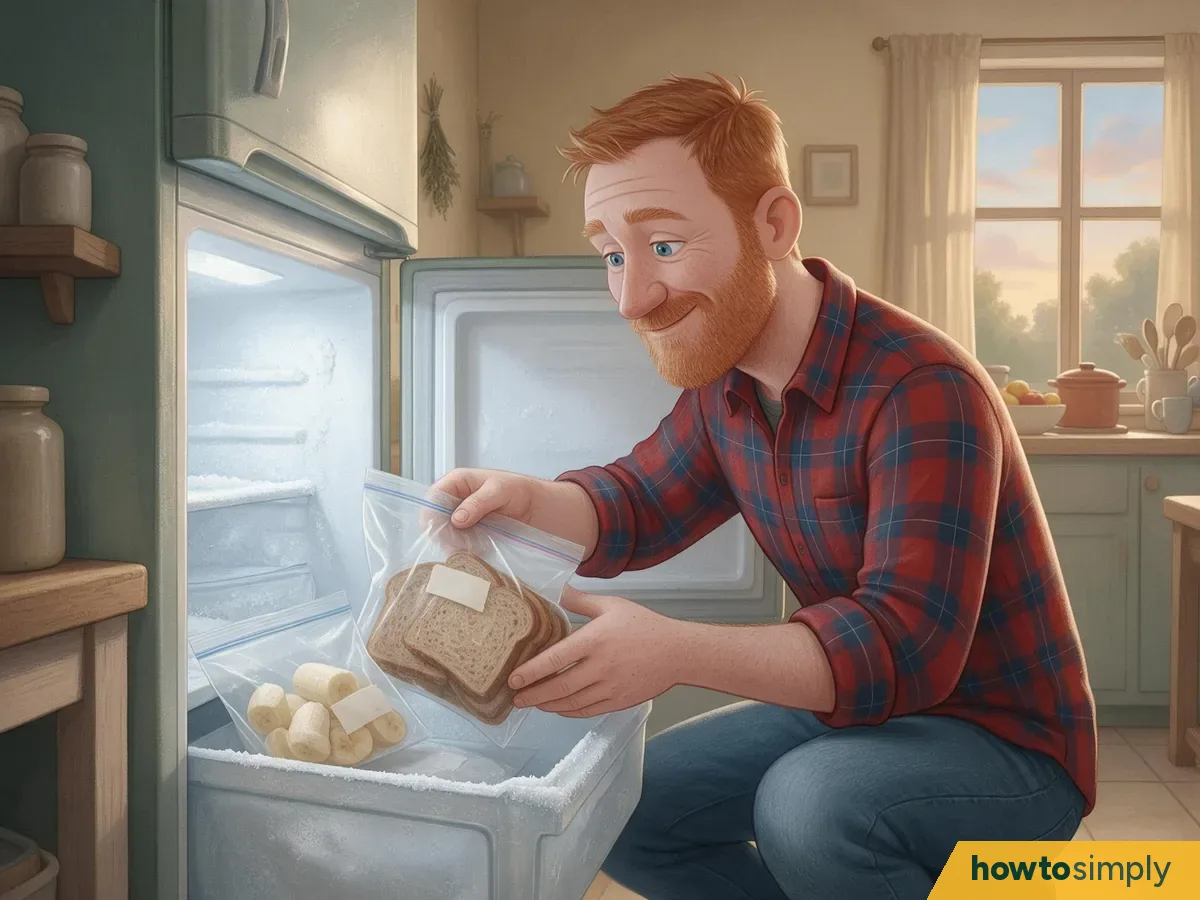
The FSA calls the freezer a pause button. Bread, ripe bananas, grated cheese and leftover sauces can all go in before they go off, not after. Keep the freezer around -18°C, label and date everything, and once something has fully defrosted, use it within 24 hours.
Cook and eat smarter
9. Have a "use it up" night every week
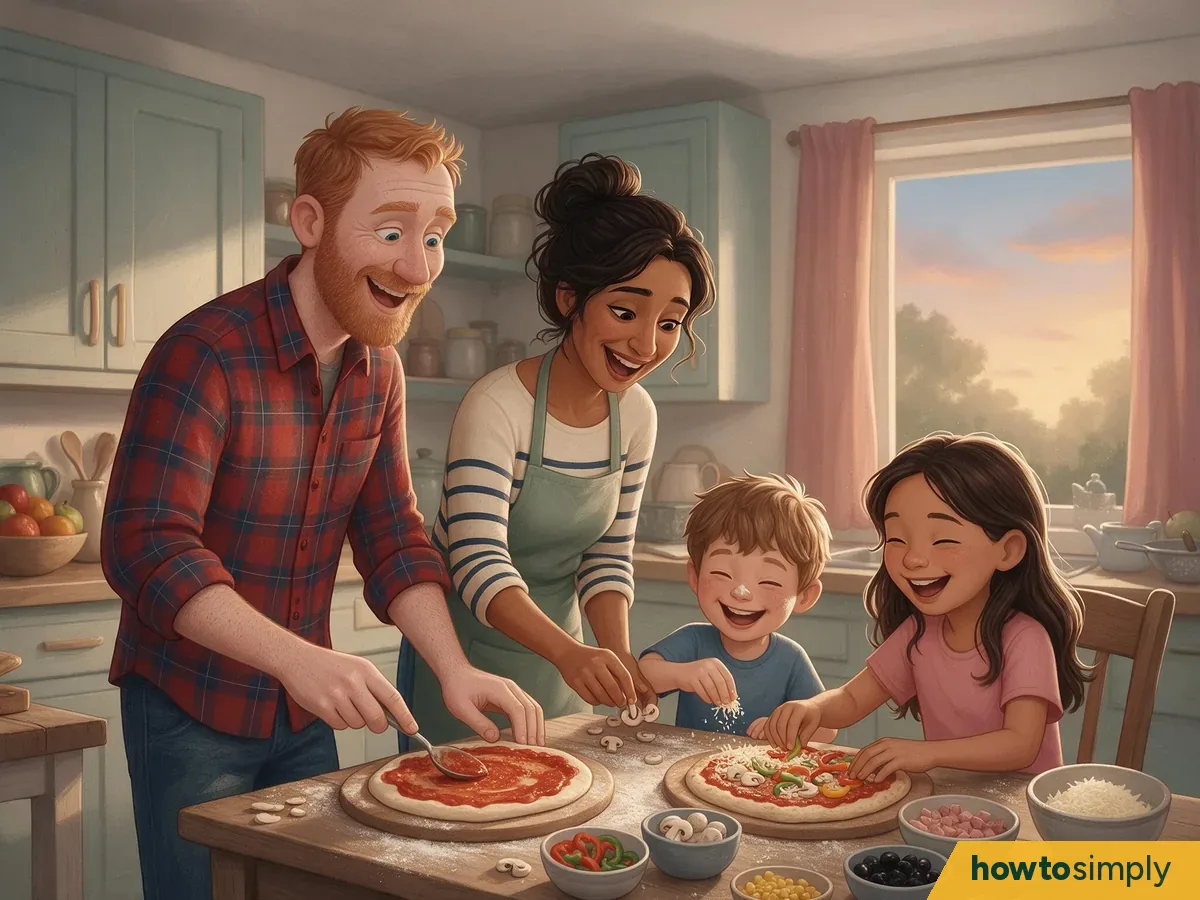
Friday becomes fridge-raid night: omelettes, fried rice, soup or "everything pizza". Kids love inventing names for it.
10. Cook the right amount
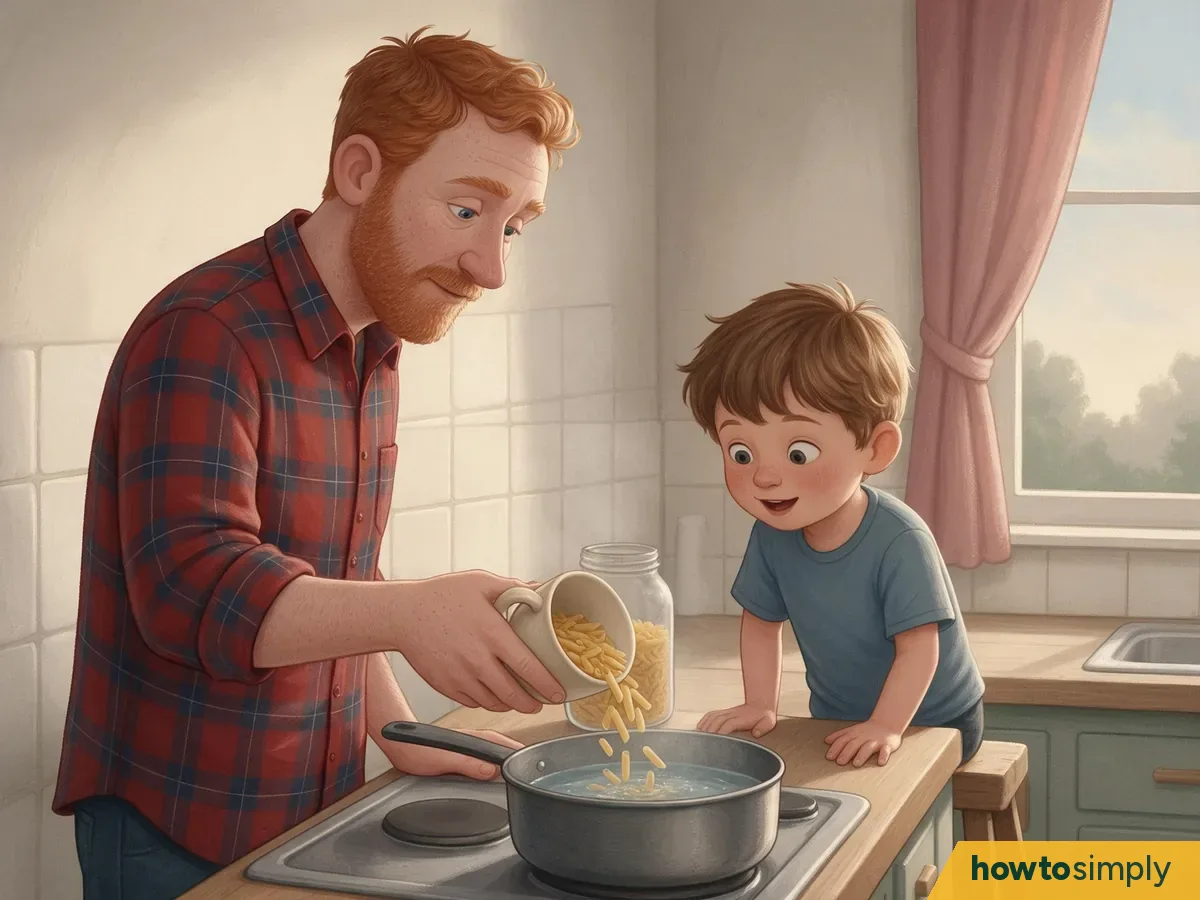
Use a mug or scales for rice and pasta portions. Leftovers are fine if you'll eat them, but a mountain of pasta that nobody wants on Tuesday isn't a plan.
11. Love your leftovers properly
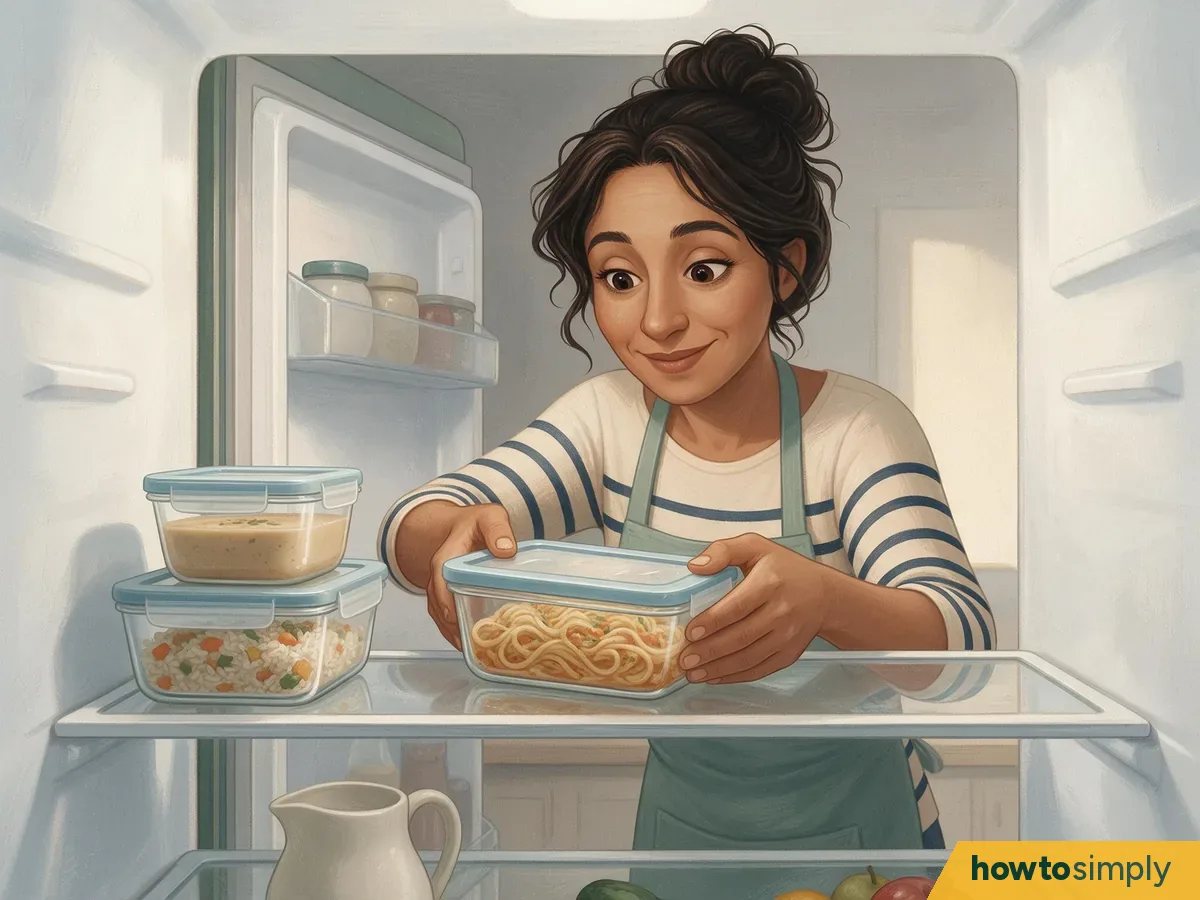
The FSA says to cool cooked food and get it into the fridge within one to two hours, then eat it within 48 hours or freeze it. Splitting big batches into smaller containers helps them cool faster. Put leftovers at eye level so they actually get eaten.
12. Plan for "displaced meals"
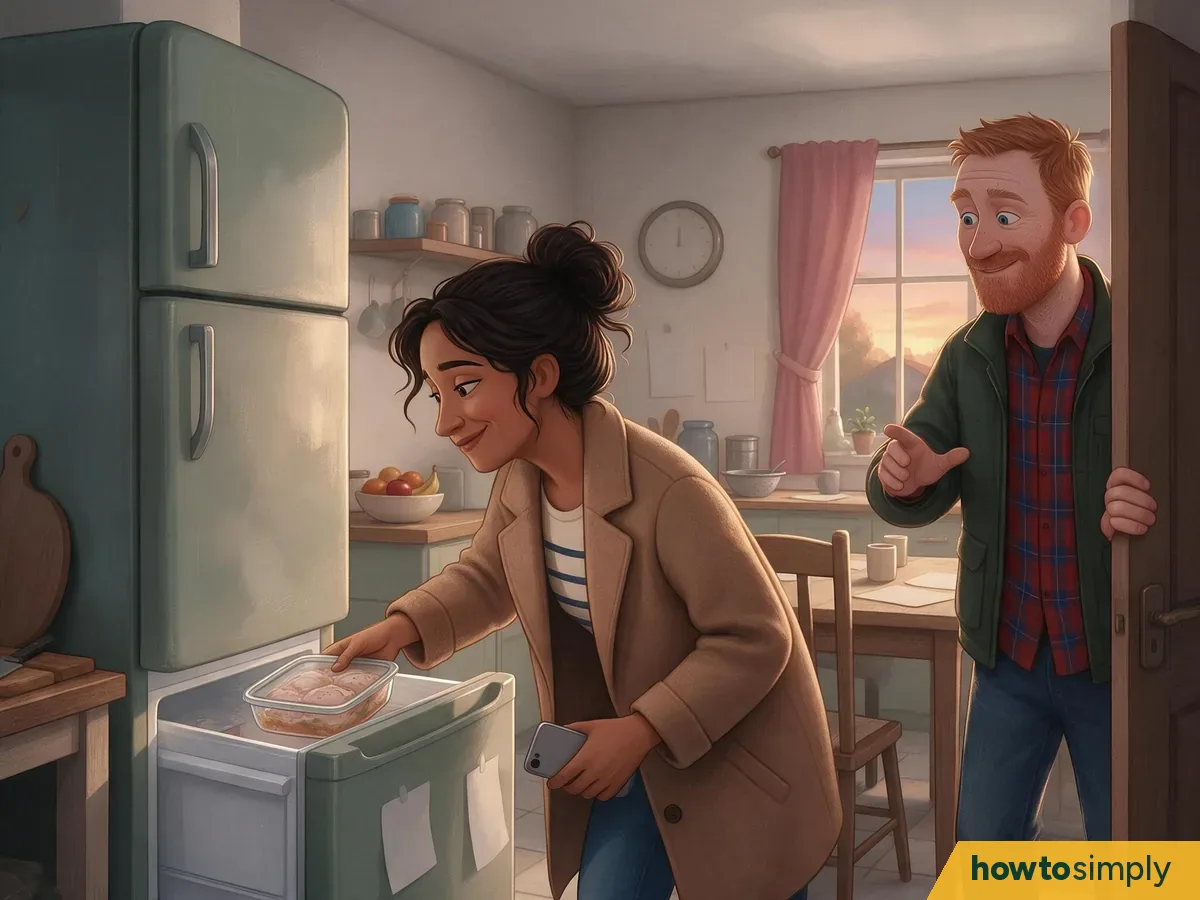
WRAP found that higher food waste is linked to "displaced meals", when plans change at the last minute and the food you meant to cook at home doesn't get eaten. Surprise dinner invite? Freeze what you'd planned to cook, as long as it's on or before its use-by date.
13. Caddy what's left
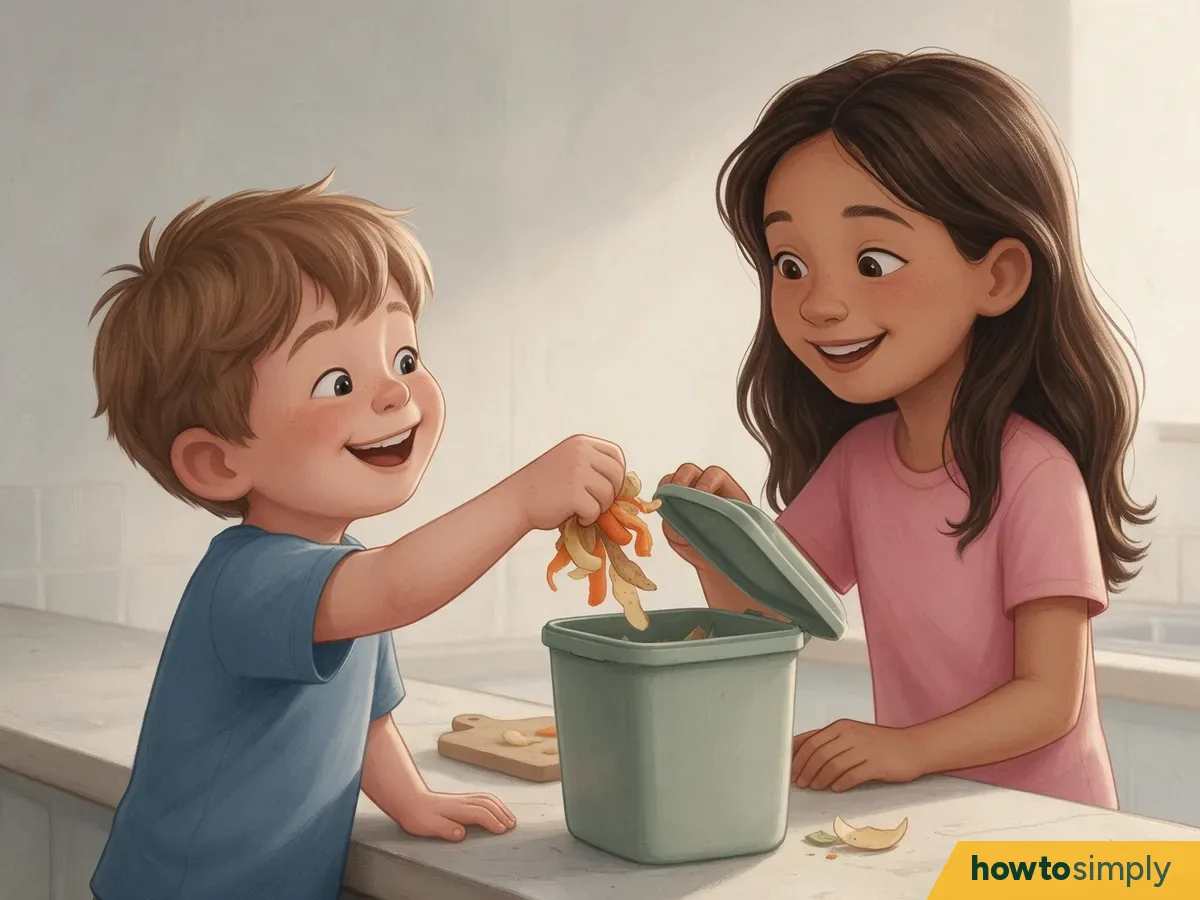
Peels, cores and eggshells still happen. Use your council's food-waste caddy if you have one: separate food-waste collections are rolling out across England. Empty it often and keep the lid shut, or you'll be reading our guide to getting rid of fruit flies.
Your food-waste check
- I checked the fridge before my last shop.
- I bought loose fruit and veg where I could.
- My fridge is between 0 and 5°C.
- I know the difference between "use by" and "best before".
- We have a weekly "use it up" night.
If this doesn't work
- Food still goes off before you get to it: shop smaller and more often, or swap some fresh veg for frozen, which you can use a little at a time.
- Not sure if something is still safe: if it's past its use-by date, throw it out. If you're unsure about leftovers, especially rice, chicken or food for babies, pregnant people or anyone vulnerable, don't risk it.
- You're struggling to afford food: in the UK, the Trussell network of food banks can help. In Germany, try your local Tafel.
Questions readers ask
How much food do UK households waste?
WRAP estimates that UK households throw away about 4.7 million tonnes of food that could have been eaten each year, worth around £17 billion. That is about £1,000 a year for a household of four.
What is the difference between use-by and best before?
A use-by date is about safety: do not eat the food after it unless you cooked or froze it on or before that date. A best before date is about quality: the food is usually still safe afterwards, so use sight, smell and taste to decide.
How long can I keep leftovers in the fridge?
The Food Standards Agency says to cool cooked food and put it in the fridge within one to two hours, then eat it within 48 hours or freeze it.
What temperature should my fridge be?
The Food Standards Agency says between 0 and 5°C, and your freezer around -18°C. A fridge thermometer is the easiest way to check, about once a week.
Did this solve the problem?
What needs work?
What did you think?
Reaction counts are loading.
Spotted a mistake? If a step is unclear or a picture is inaccurate, tell us the step number and what needs correcting. Email us about this page or use the contact form. We read every report, and fixes are listed on What changed.
Liked this article?
Follow us for new articles and short how-to videos.
Sources
We use primary, official and specialist sources appropriate to the topic.