How to budget for a dog: 13 costs to plan for
Reviewed by Dr Ramin Khan✓, veterinarian (DVM)
By Abu Bakar Saadat8 min readPublisher: Saadat Rafiq
Last updated: 11 November 2026References
 Illustration
On this page 8 sections
In short
The adoption fee is the cheap bit. From the microchip law to the kennel bill for your own holiday, here is how to plan for what a dog really costs, using the PDSA's own figures.
At a glance
- Lifetime minimum
- £6,200 to £18,800, depending on size, before vet bills (PDSA)
- Monthly minimum
- £69 small, £83 medium, £116 large (PDSA)
- Start-up kit
- About £415 to £560 (PDSA)
- Microchip
- By law by 8 weeks; fine up to £500 (GOV.UK)
- Surgery
- 2 in 3 UK pet owners couldn't cover an unexpected operation (PDSA, 2026)
- Checked
- November 2026
If you're dreaming about a dog and quietly wondering whether your bank account can keep up, that is a very sensible thing to wonder. Grab a cuppa and let's work it out together, so the only surprise your new friend brings is how much you love them.
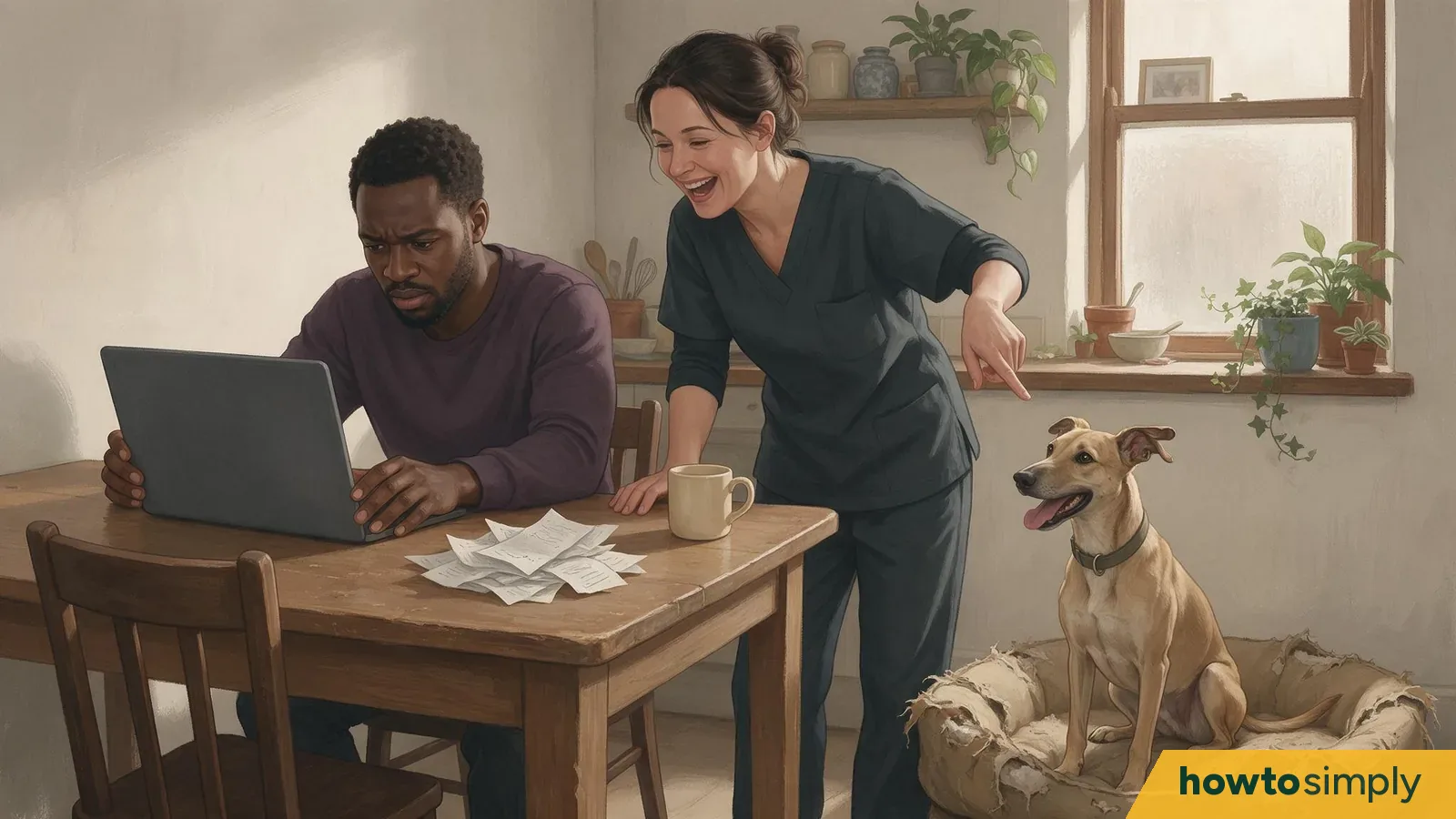
Tunde built the budget before they'd even met Biscuit: adoption fee, food, a bed, a lead. Neat columns, sensible totals. Three months later the spreadsheet had a second tab. Marta had named it "Things nobody told us". It began with "new bed (the first one got eaten)" and got longer from there.
The PDSA, the UK vet charity, says the cost of looking after a dog can soon add up, even without unexpected vet bills. Here are 13 costs to plan for, using the charities' own figures. All prices are UK estimates, not quotes, and they vary by area and breed.
Before they come home
Start with the lifetime cost, not the price tag
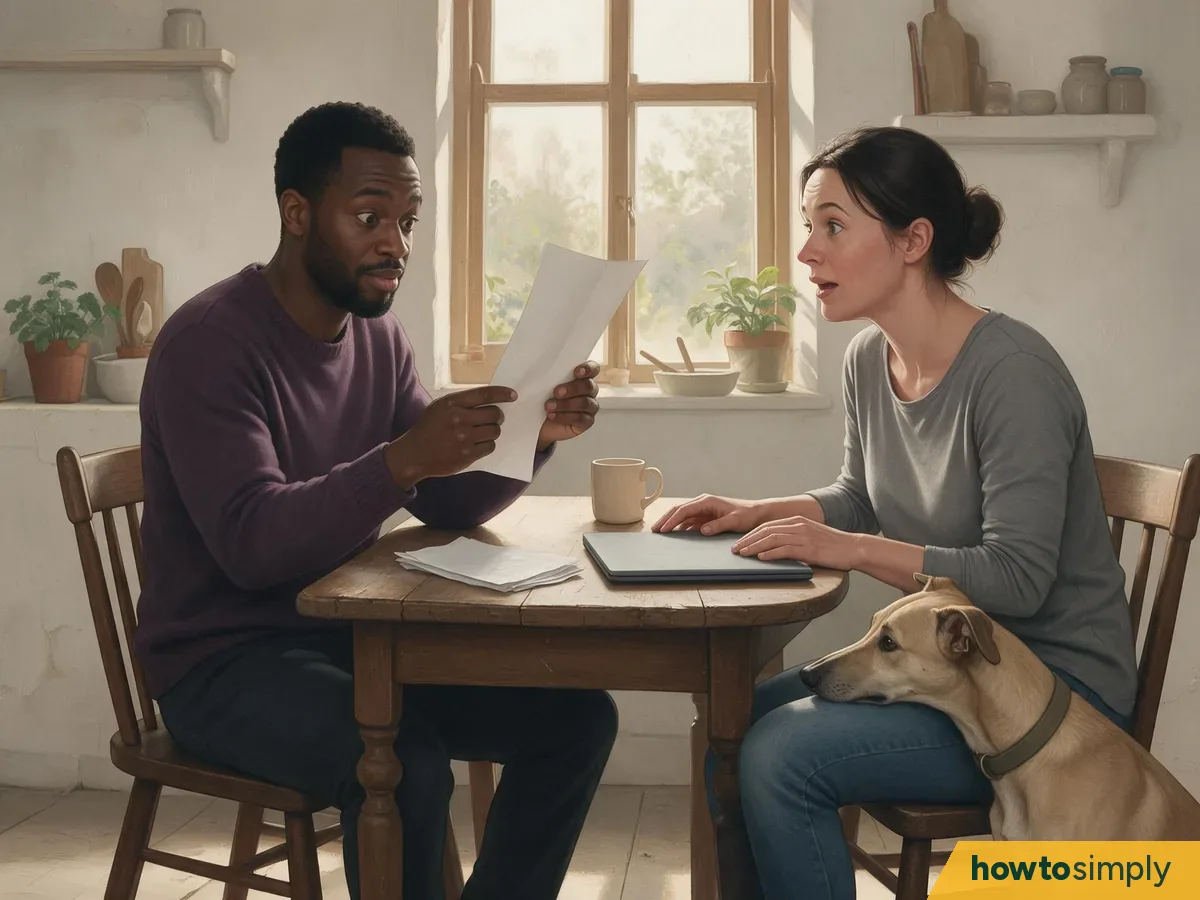
Illustration The PDSA estimates the minimum lifetime cost of a dog at £6,200 to £12,000 for small breeds, £9,000 to £14,000 for medium breeds and £8,200 to £18,800 for large breeds. Those figures, last worked out in 2024, don't include buying the dog or vet fees if they get ill or injured. So "at least" really does mean at least.
Price up the starter kit
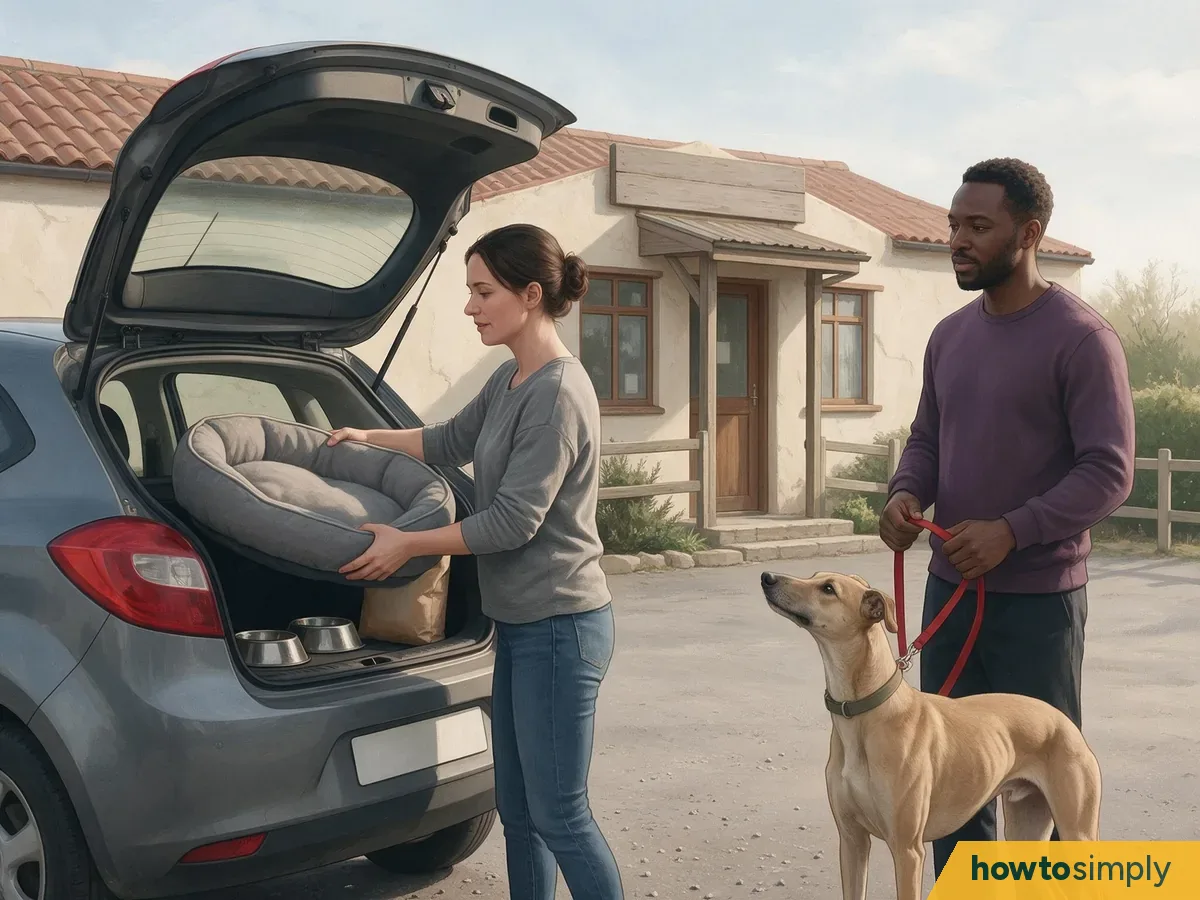
Illustration Before day one, the PDSA lists a bed, lead, collar and tag, food and water bowls, a doggy toothbrush and toothpaste, a grooming brush, toys, a car restraint, the first course of vaccinations, monthly wormers until six months old, and neutering. Its estimate: about £415 for a small dog, £531 for a medium dog and £560 for a large one. Adopting can cut this. Dogs Trust's adoption fee is £300 in England, Wales and Scotland (£287.50 in Northern Ireland), and its dogs go home health checked, vaccinated, wormed, microchipped and neutered (or with a neutering voucher), plus a collar, lead and several days' food.
Check the microchip, and keep it up to date
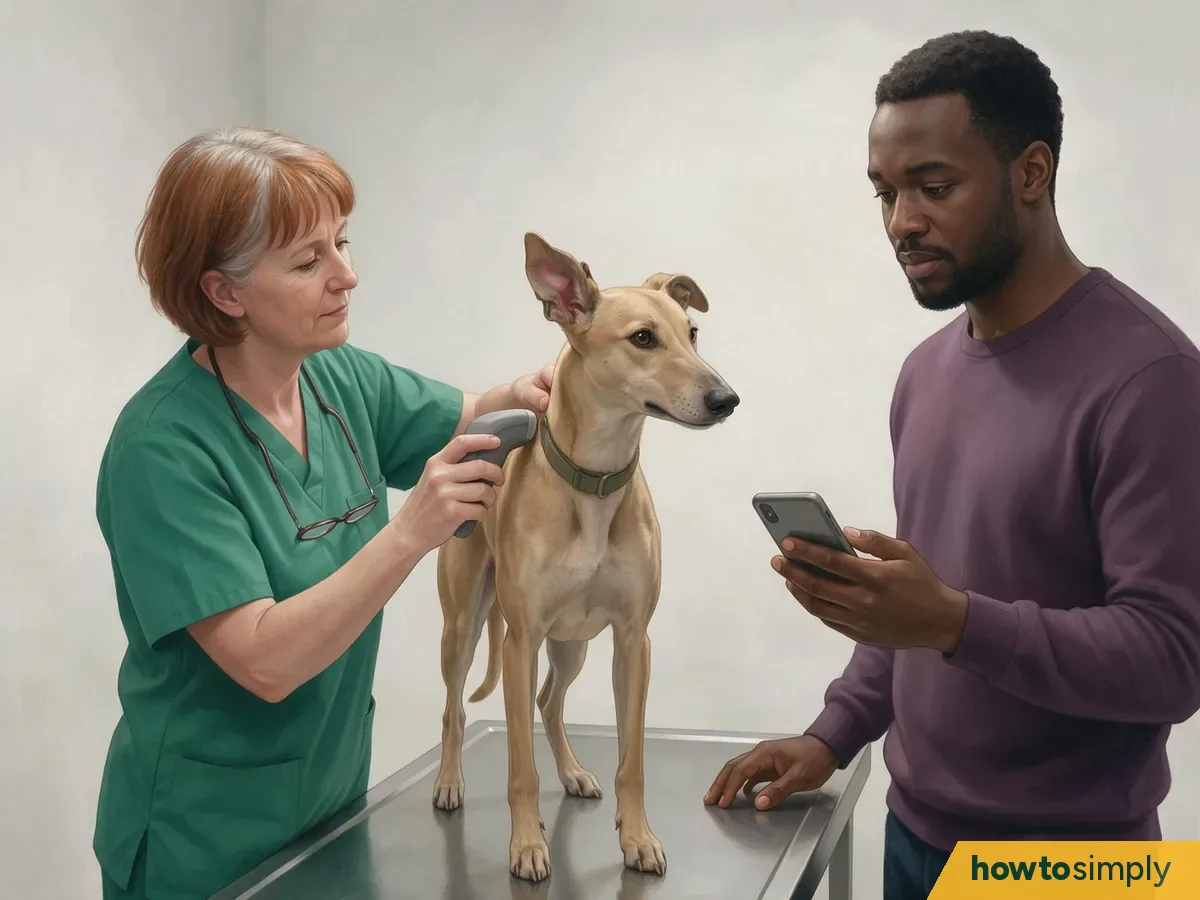
Illustration GOV.UK says all dogs in the UK must be microchipped and registered on an approved database by eight weeks old. You can be fined up to £500 if your dog isn't chipped, or isn't on one of the listed databases. Keeping your details up to date, for example when you move, is your job, and the database company may charge a fee for it. Your vet, council or rescue centre can fit a chip, but they might charge.
Try saying (to a seller): "Can I see the microchip certificate or vet records before we agree anything?"
Buy a name tag, because that's the law too
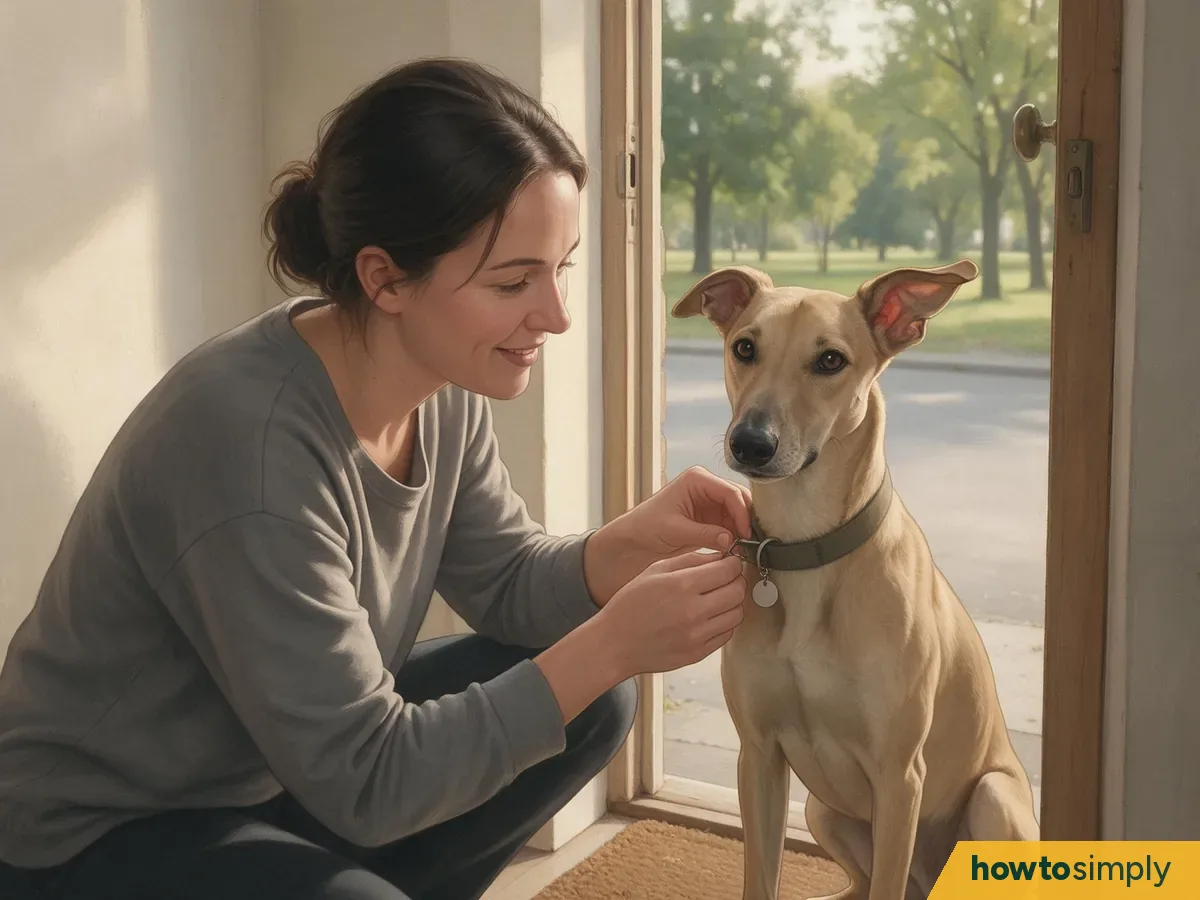
Illustration Even with a chip, GOV.UK says your dog must wear a collar and tag with your name and address in a public place. It costs very little, and it's the thing people forget until the dog slips out of the garden gate.
Every month
Budget for the monthly minimum
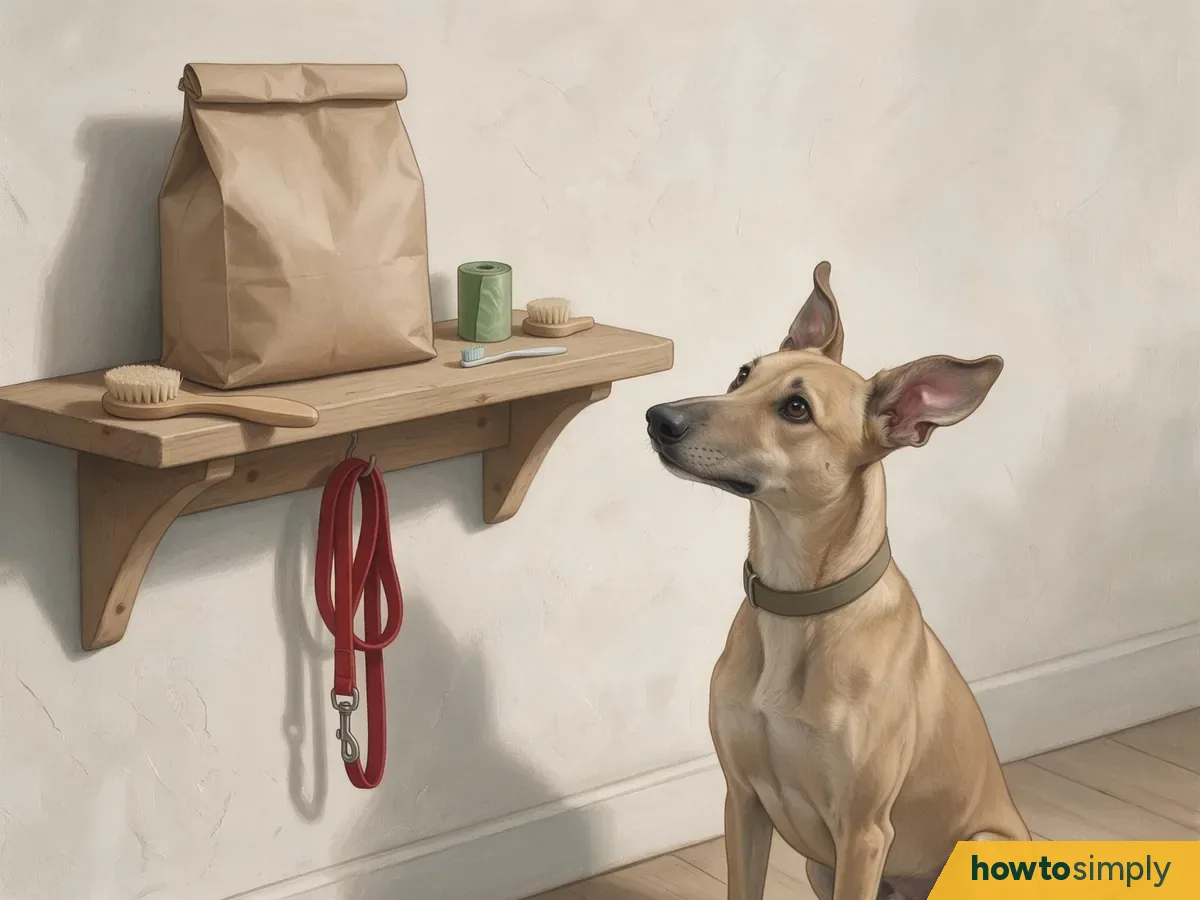
Illustration The PDSA's estimated minimum monthly cost is £69 for a small dog, £83 for a medium dog and £116 for a large one. That covers yearly health checks and boosters, flea and worm treatments, insurance, food, toys, poo bags and toothpaste. Expensive tastes, the dog's or yours, push it higher.
Plan for insurance after any free cover ends
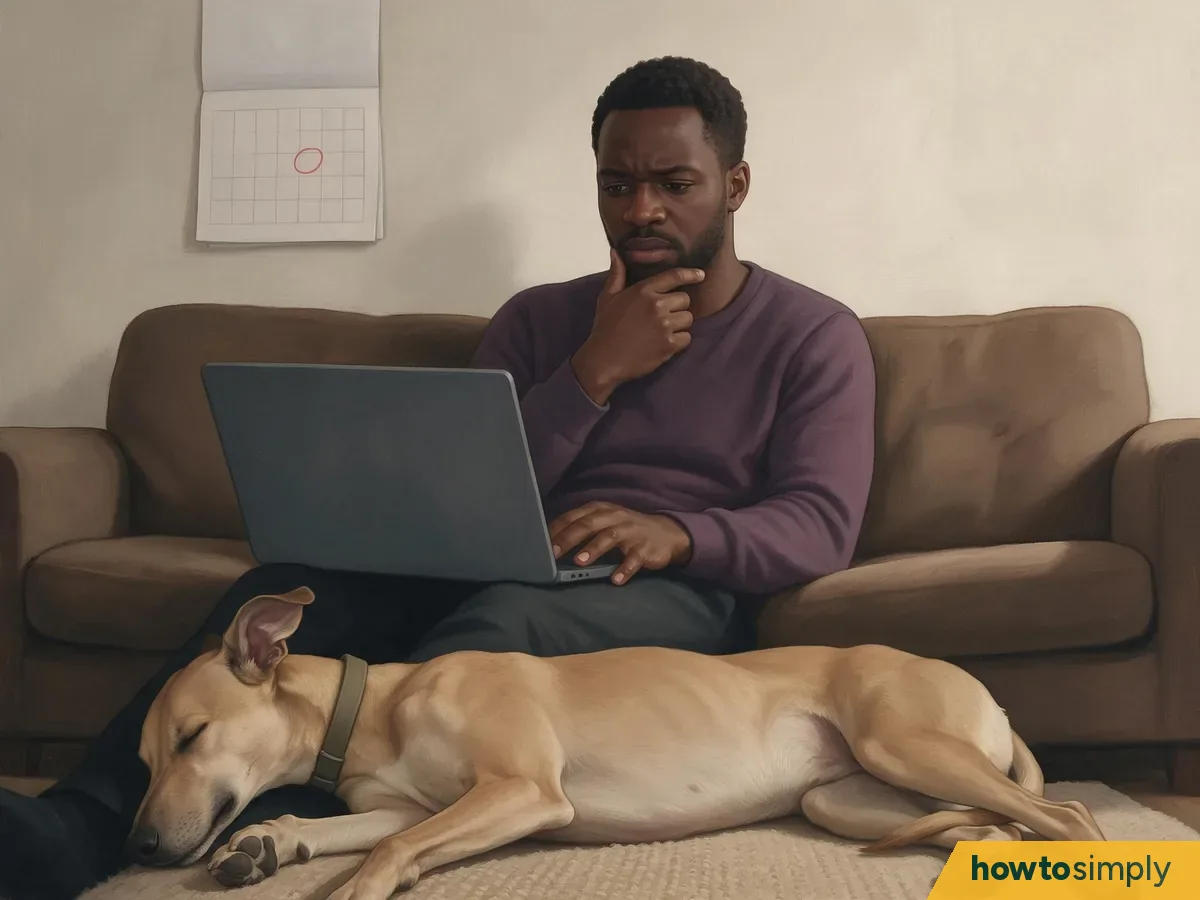
Illustration The PDSA's monthly figures include insurance, and it warns that if a dog has an accident or develops a health problem, the cost of caring for them can increase dramatically. Dogs Trust adopters get four weeks' free cover with Petplan. After that the premium is yours, so compare what each policy actually pays for before you choose.
Try saying (to an insurer): "Is this lifetime cover, and what's the most you'll pay for one condition each year?"
Expect to replace what they chew or wear out
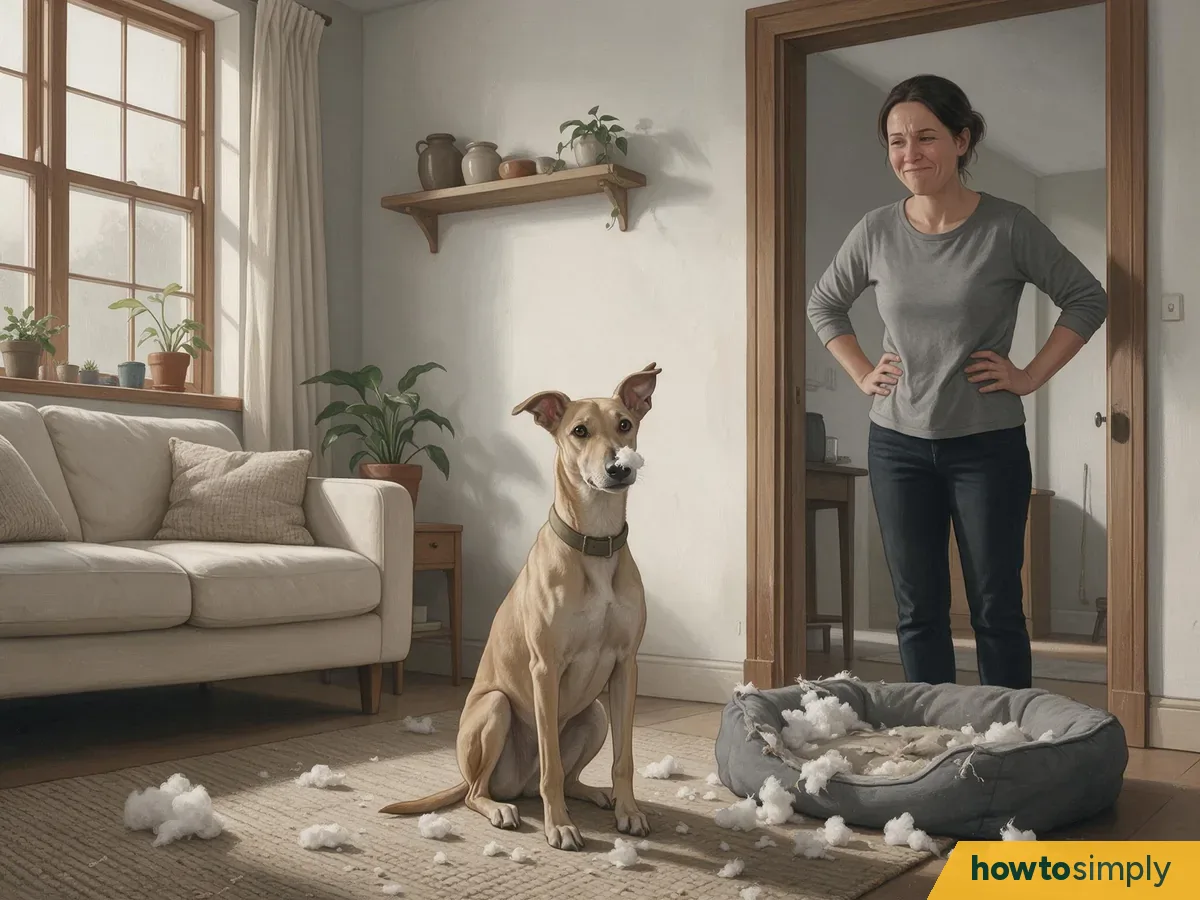
Illustration The PDSA points out that the things you buy at the start will need replacing as they wear out, which adds to the bill. Biscuit is on bed number three. Tunde has stopped buying the fluffy ones, and Biscuit has stopped pretending it wasn't him.
Allow for prices going up

Illustration The PDSA calls it "petflation": the cost of pet care started rising sharply from mid-2021, peaked in 2023, and is still going up, just more slowly. In its 2026 survey, 22% of UK pet owners said owning a pet costs more than they thought. Budget for prices rising, not staying put, and buying food in bigger bags can help, the PDSA says.
The costs most budgets miss
Plan for vet bills when they're ill or hurt
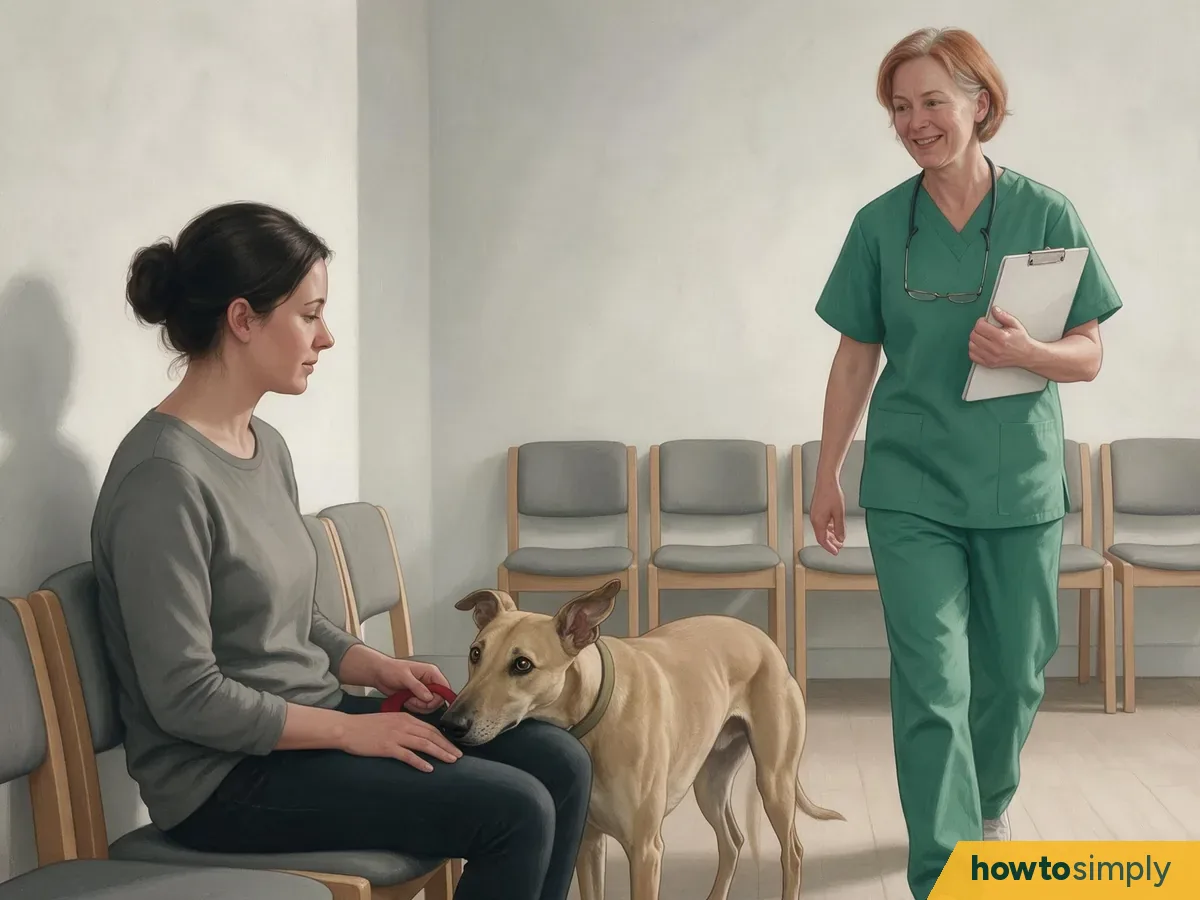
Illustration This is the big one, and the PDSA's lifetime estimate leaves it out completely. It also warns that purebred dogs can be at higher risk of certain health problems. In PDSA research published in April 2026, 2 in 3 UK pet owners said they couldn't cover the cost of an unexpected operation for their pet, and in its 2025 PAW Report 51% said they were worried about affording vet care. Spotting problems early helps, so keep our guide to the signs your dog is in pain handy.
Try saying (to the vet): "Before we go ahead, can you talk me through the options and roughly what each would cost?"
Price up kennels before you book a holiday
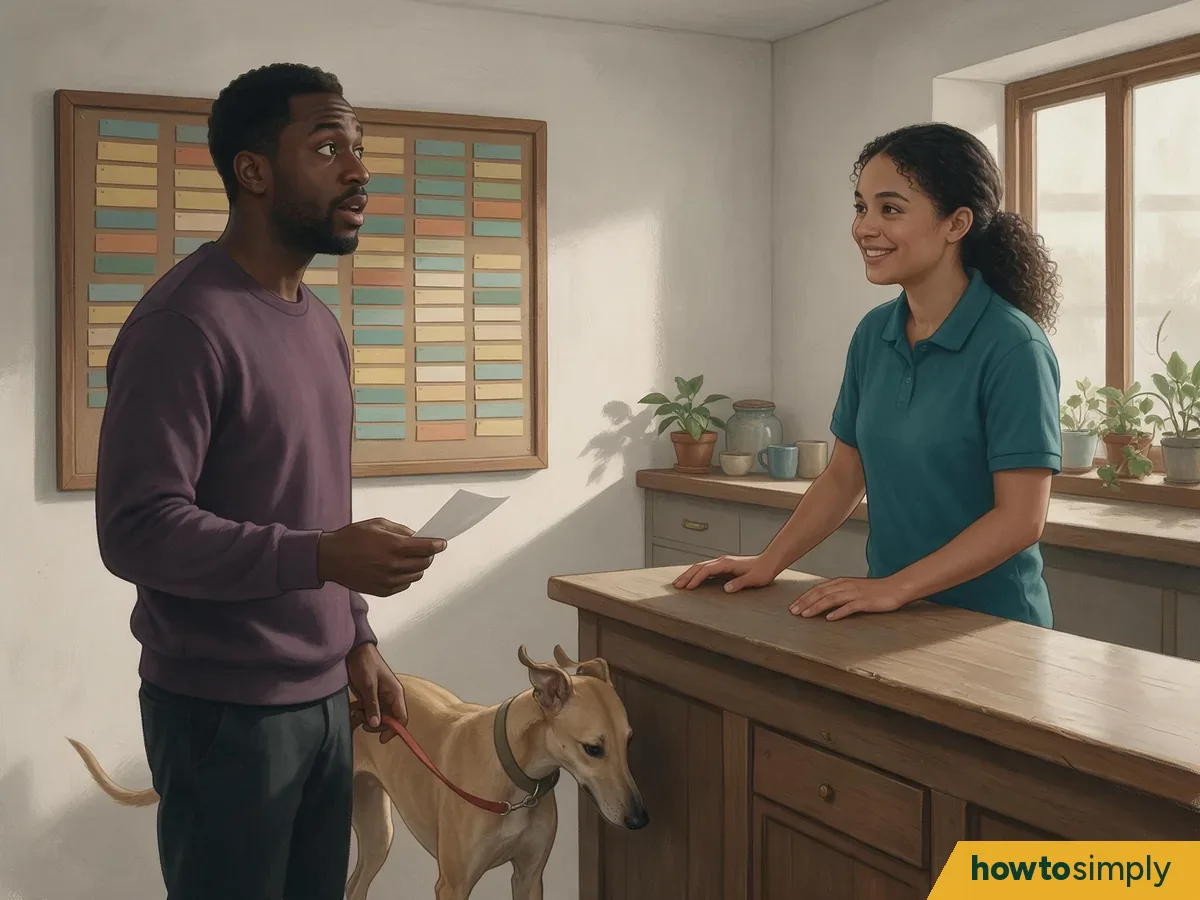
Illustration Day care, boarding kennels and dog sitters aren't in the PDSA's estimate either. Get a quote before you book a trip, not after. Tunde and Marta found out at the kennels' front desk, holding a printed boarding pass and wearing the same face Biscuit makes at the vet.
Budget for grooming
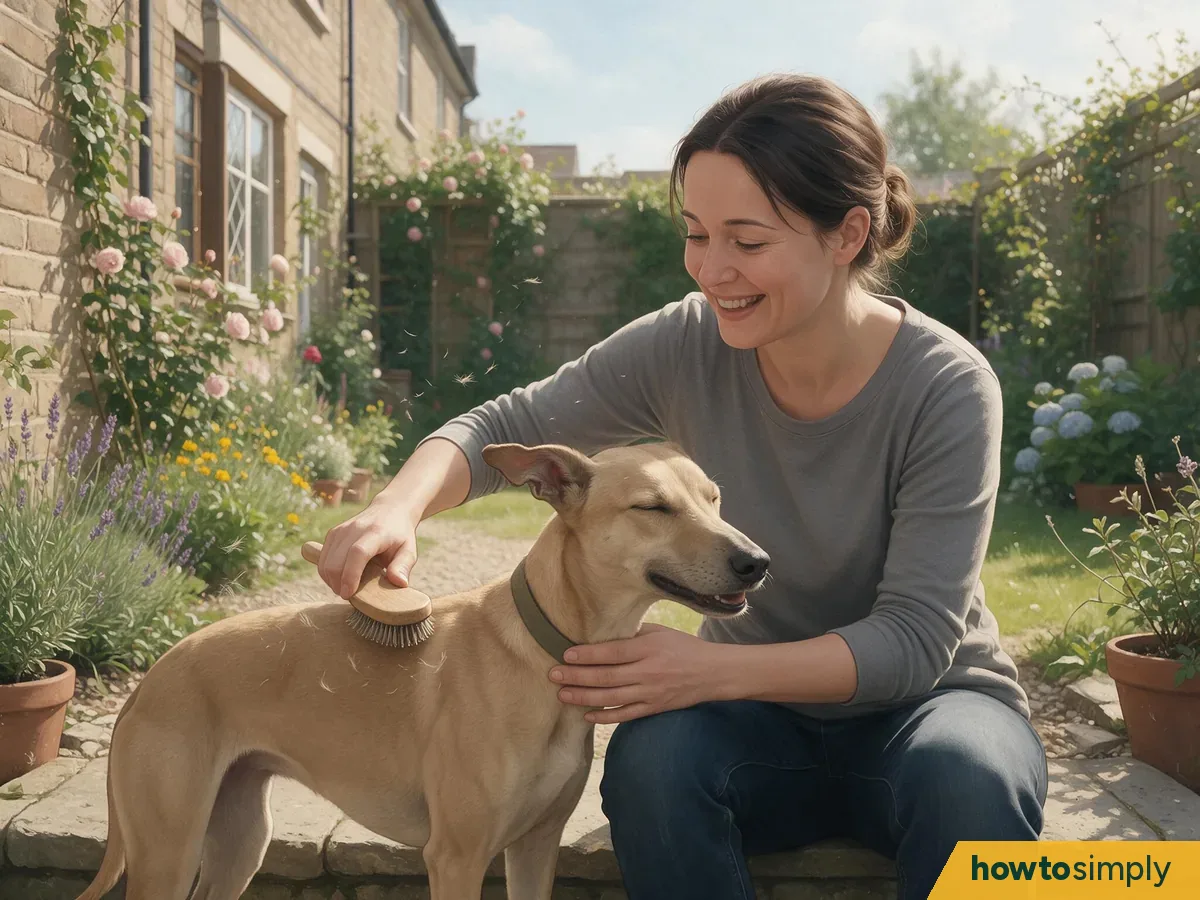
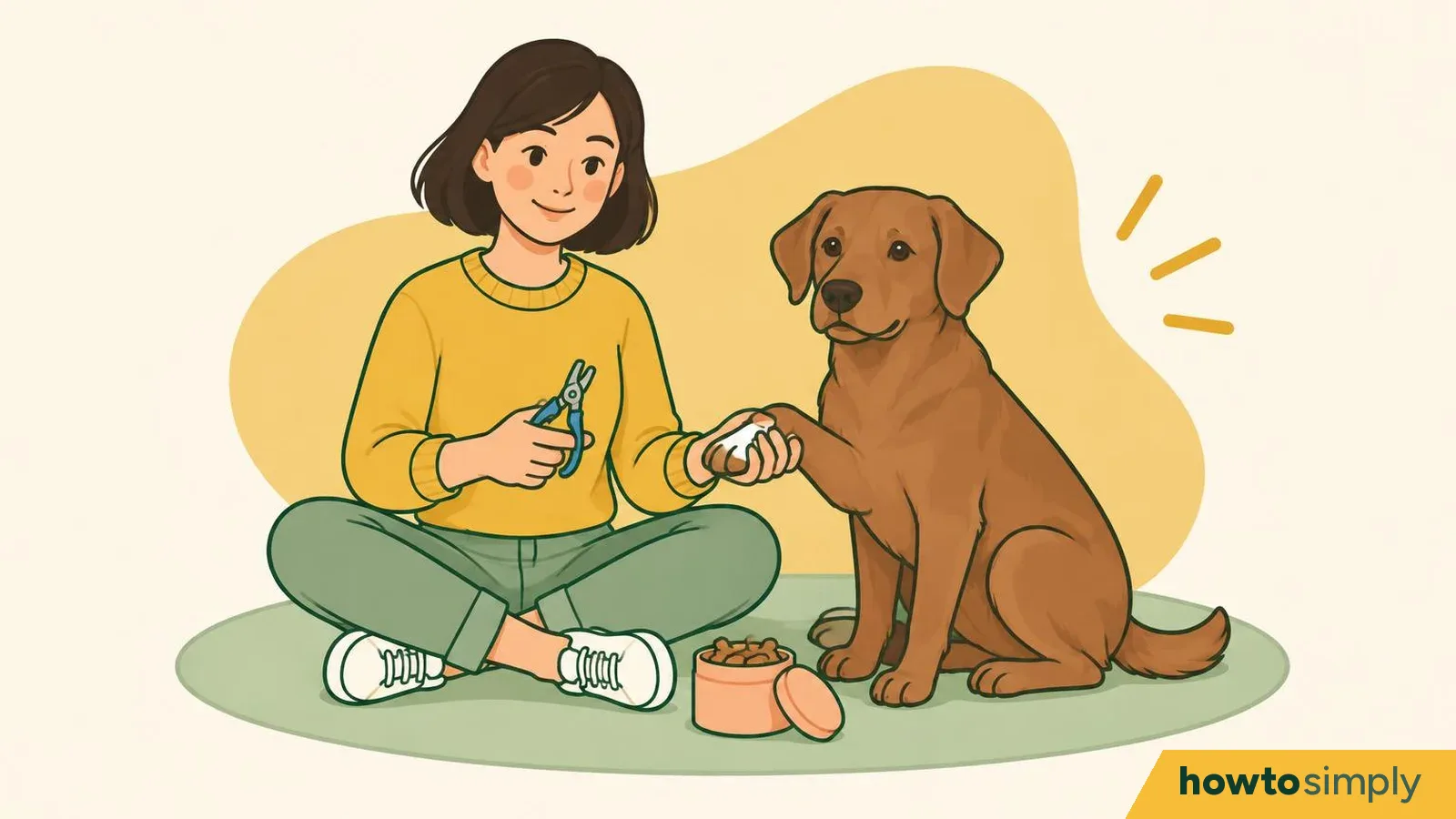
Illustration Grooming is another cost the PDSA leaves out. Learning to brush your dog at home can save money, it says, but if the fur needs trimming, use a qualified professional groomer. Long or curly coats may need regular trips. For the jobs you can do yourself, see how to brush your dog's teeth and how to trim your dog's nails safely.
Set money aside for training
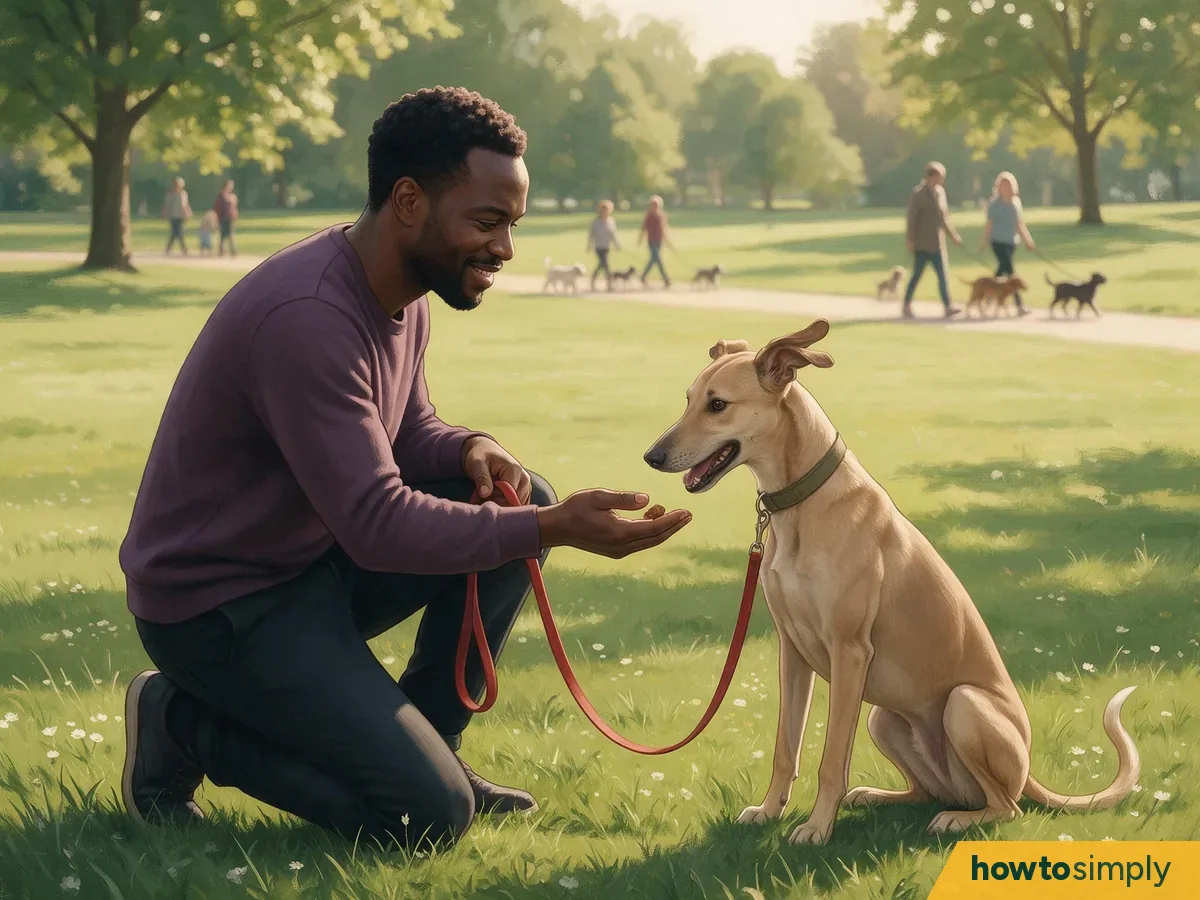
Illustration Training classes are left out of the PDSA's figures too, so add them if you'll need them. If you adopt from Dogs Trust, its behaviour support is free for the whole of your dog's life on 0300 303 3738. Biscuit now sits for a treat most of the time, which Tunde counts as a pass.
Start a "just in case" fund
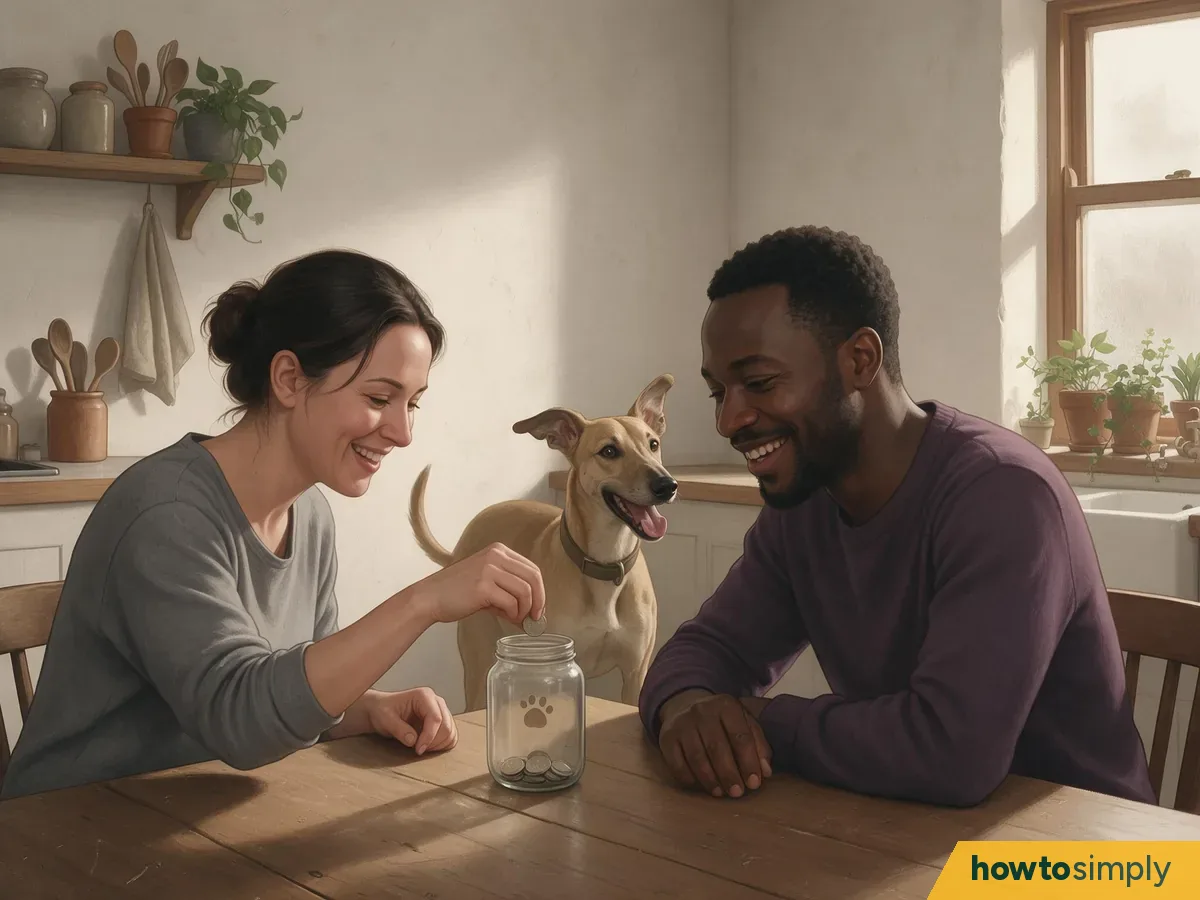
Illustration A prescription diet or other ongoing care will add to the bill, the PDSA notes. Putting a set amount aside every payday means a vet bill is a dent, not a crisis. If money does get tight, don't wait: talk to your vet, and check whether you qualify for free or low-cost care with the PDSA's eligibility checker.
Try saying (to your partner): "Shall we put a set amount into a Biscuit fund every payday, so a vet bill isn't a crisis?"
Biscuit swallowed a sock in month five. Dr Reid sorted it, the insurance paid out, and the Biscuit fund got its first test. Marta has since renamed the second tab: "Worth every penny".
Dog costs at a glance
| Cost | Small dog | Medium dog | Large dog |
|---|---|---|---|
| Starter kit (one-off) | £415 | £531 | £560 |
| Minimum per month | £69 | £83 | £116 |
| Minimum over their lifetime | £6,200 to £12,000 | £9,000 to £14,000 | £8,200 to £18,800 |
| Not included | Buying the dog, vet fees for illness or injury, special diets, day care, kennels, grooming, training | ||
| Microchip | Required by 8 weeks; fine up to £500 if not chipped or registered (GOV.UK) | ||
| Dogs Trust adoption fee | £300 in England, Wales and Scotland; £287.50 in Northern Ireland | ||
Source: PDSA, The cost of owning a dog (costs last calculated in 2024); GOV.UK, Get your dog or cat microchipped; Dogs Trust, Rehoming and How to adopt a dog (all read 11 November 2026). PDSA figures are estimated minimums, not quotes.
Dog budget checklist
- I've used the PDSA's lifetime and monthly figures for my dog's size.
- The microchip is registered to me, with my current address.
- My dog has a collar tag with my name and address.
- I know what my insurance does and doesn't cover.
- I've priced kennels or a sitter, and started a "just in case" fund.
If your dog is ill or you're struggling
- If your dog is ill, injured or in pain, call your vet straight away, or your nearest out-of-hours emergency vet.
- If you can't afford vet care, talk to your vet early and check the PDSA eligibility checker for free or low-cost treatment.
- If money worries are getting on top of you, Samaritans are on 116 123, free, day or night, in the UK and Ireland.
Your turn: which dog cost ambushed you? Grooming? A swallowed sock? Tell us in the comments, so the next new owner can budget for it.
Questions readers ask
How much does a dog cost per month in the UK?
The PDSA estimates a minimum of £69 a month for a small dog, £83 for a medium dog and £116 for a large dog. That covers health checks, boosters, flea and worm treatment, insurance, food, toys, poo bags and toothpaste, but not vet bills if they become ill.
How much does a dog cost over its lifetime?
The PDSA puts the minimum at £6,200 to £12,000 for a small dog, £9,000 to £14,000 for a medium dog and £8,200 to £18,800 for a large dog. Those figures leave out buying the dog, vet fees for illness or injury, grooming, training, kennels and special diets.
Is microchipping a dog a legal requirement?
Yes. GOV.UK says all dogs in the UK must be microchipped and registered on an approved database by eight weeks old, and you can be fined up to £500 if not. Your dog must also wear a collar and tag with your name and address in public.
Do I need pet insurance for a dog?
It is not a legal requirement, but the PDSA says the cost of caring for a dog can rise dramatically after an accident or illness, and its own figures include insurance in the monthly minimum. Check what each policy covers before you buy.
What if I can't afford my dog's vet bills?
Talk to your vet as early as you can. The PDSA offers free and low-cost vet care to eligible owners, and its website has an eligibility checker.
About this article
- Written by
- Abu Bakar Saadat
- Reviewed by
- Dr Ramin Khan, veterinarian (DVM). Checked this article on a private review copy and approved it on 12 November 2026.
- Pictures
- 14 illustrations drawn for this article, each marked Illustration (drawings, not photos).
- Sources
- 7 named sources, linked below.
Did this solve the problem?
What needs work?
What did you think?
Reaction counts are loading.
Sources
We use primary, official and specialist sources appropriate to the topic.
- PDSA: The cost of owning a dog
- GOV.UK: Get your dog or cat microchipped
- Dogs Trust: How to adopt a dog
- PDSA: Pet Health Inequality Report (April 2026)
- PDSA: PAW Report 2025 press release (6 November 2025)
- PDSA: Low-cost ways to care for your pet
- PDSA: Check if you are eligible for free or low-cost vet care