13 signs your cat is secretly stressed, and how to help
Reviewed by Dr Ramin Khan✓, veterinarian (DVM)
By Abu Bakar Saadat7 min readPublisher: Saadat Rafiq
Last updated: 9 November 2026References
 Illustration
On this page 9 sections
In short
Cats are brilliant at hiding how they feel, but the clues are there: a new hiding spot, a puddle on the bathmat, a cat who suddenly won't use the cat flap. Here are 13 signs to watch for, what to do about each, and the one toilet sign that's an emergency.
At a glance
- Emergency
- Straining to pee but passing nothing: call your vet now
- Stressed
- Flat ears, wide pupils, hiding or getting up high
- Relaxed
- Rounded ears, half-closed eyes, small pupils
- Resources
- One per cat, plus one spare
- First step
- A vet check, because many signs are medical too
- Checked
- November 2026
When your cat suddenly starts hiding, or leaves a puddle somewhere new, it is natural to worry and to wonder what has changed for them. Please don't blame yourself. This page helps you read the small signs and make home feel safe for your cat again.
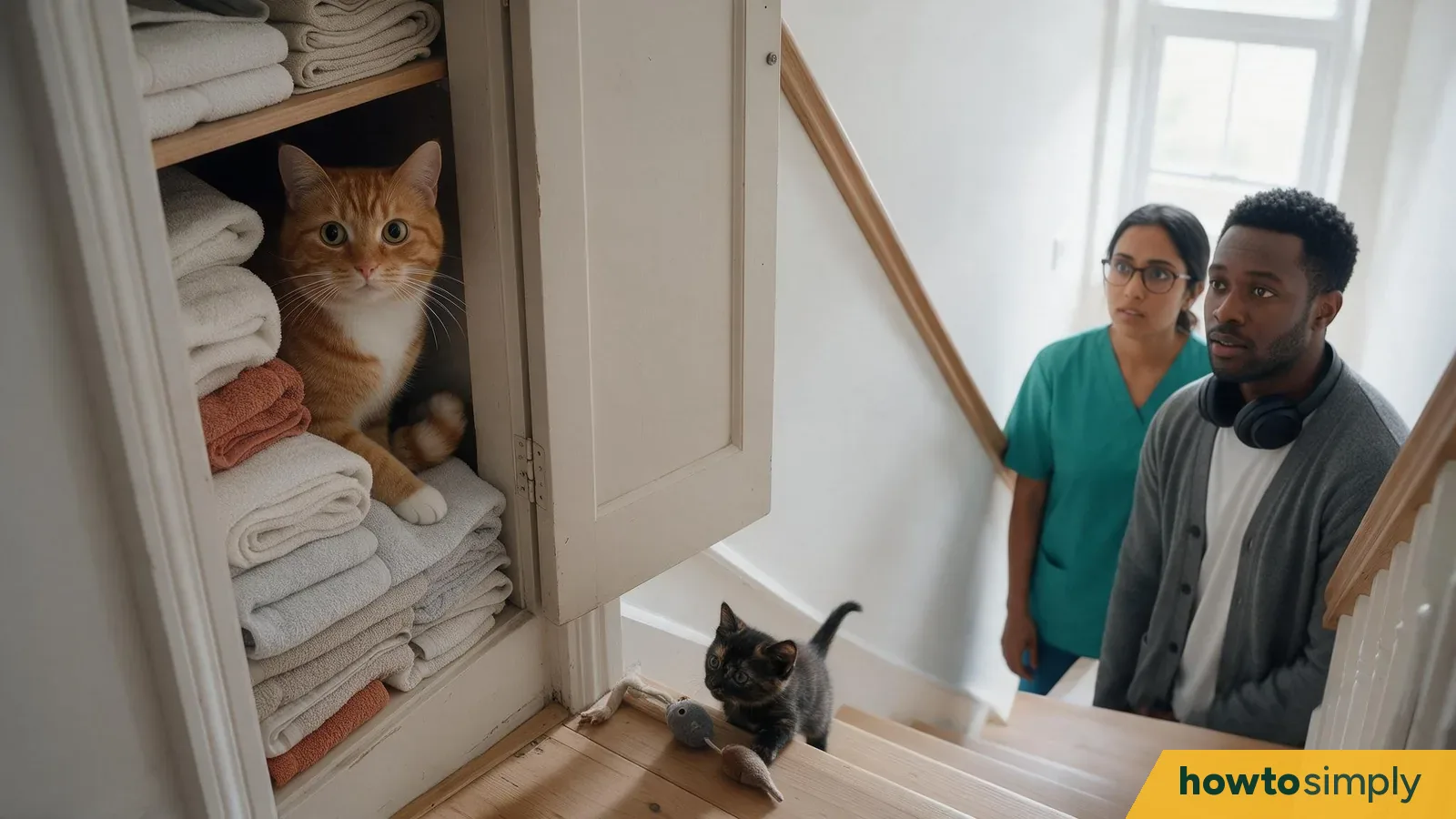
For five years Biscuit had a timetable. Breakfast at seven, the sunny windowsill until lunch, Kofi's lap during the evening news. Then two things happened in the same month: Priya started night shifts, and a tiny tortoiseshell kitten called Mango moved in.
Biscuit didn't yowl or sulk in an obvious way. He just started sleeping in the airing cupboard, which was easy to miss. Then Priya found a wet patch on the bathmat.
Cats Protection says cats can be great at hiding stress or pain. In the wild it stops them looking like an easy target. So the signs tend to be small. Honestly, noticing these little changes is the most useful thing you can do, and by reading this you are already doing it. Here are 13 to watch for, and what to do next.
Where they go, and where they don't
Hiding more than usual
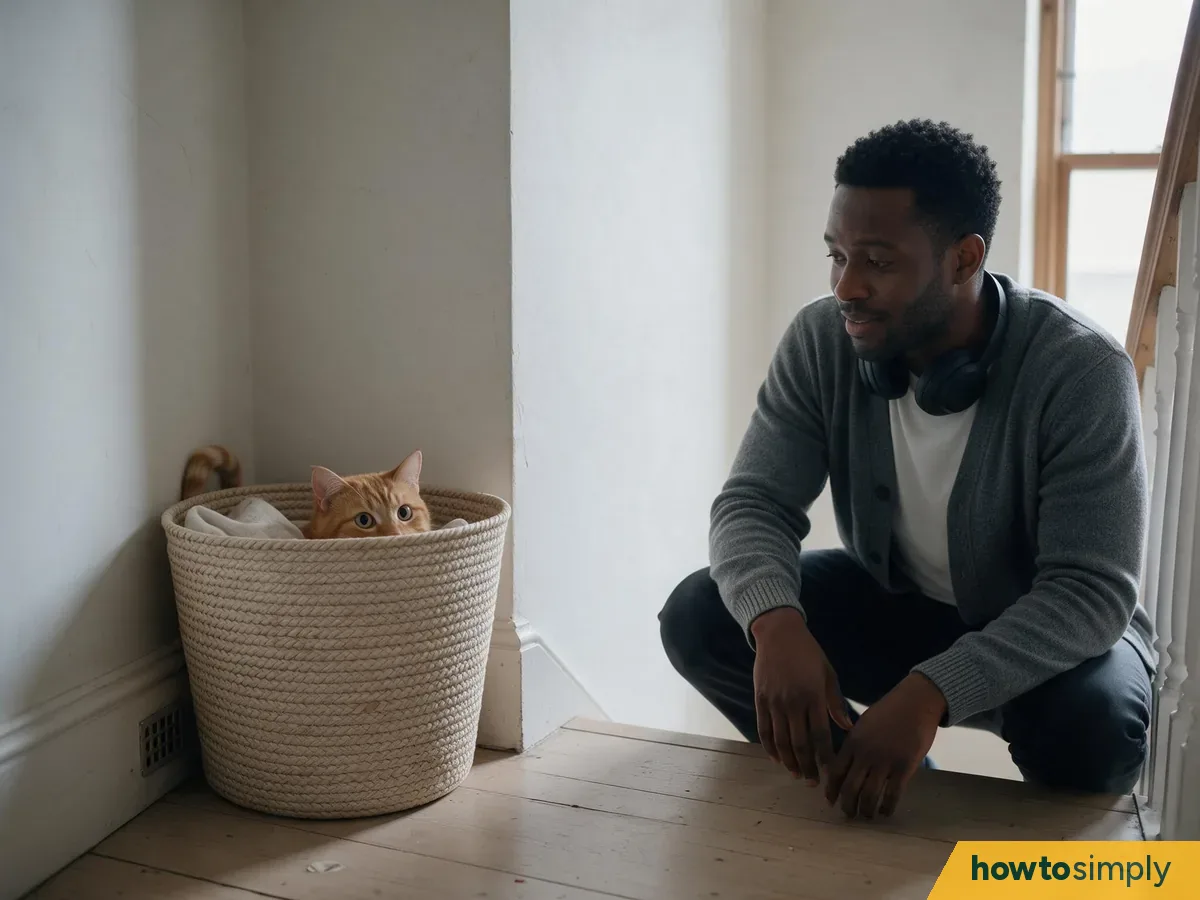
Illustration Hiding is normal for cats, Cats Protection says. It helps them feel safe. What matters is the change: a cat who suddenly spends long stretches tucked away may be stressed, or unwell.
Sleeping in a new spot, or sleeping much more
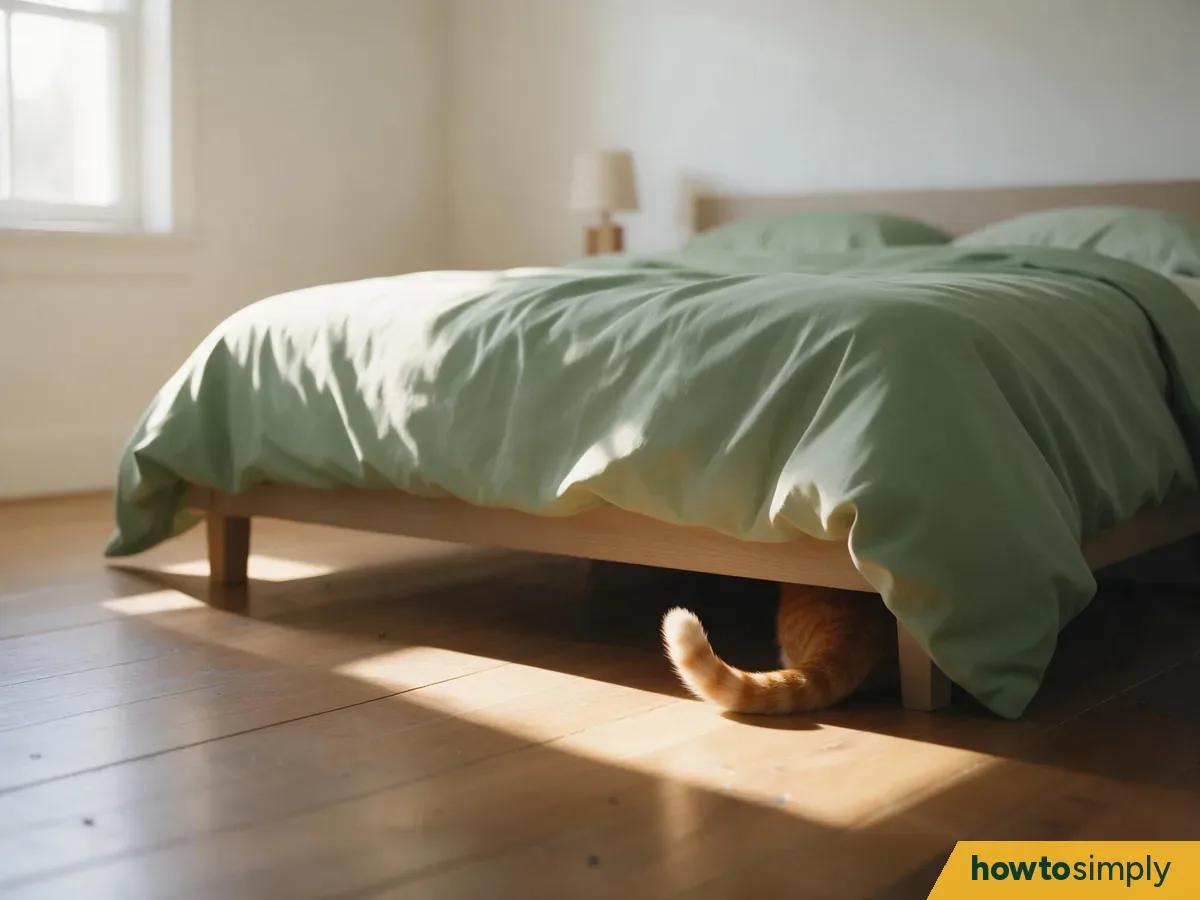
Illustration International Cat Care (iCatCare) gives the example of a cat who starts sleeping under the bed instead of on it. Sometimes, it says, the only sign is a cat sleeping a lot more than usual. Biscuit's airing cupboard counts.
Avoiding certain rooms, people or pets
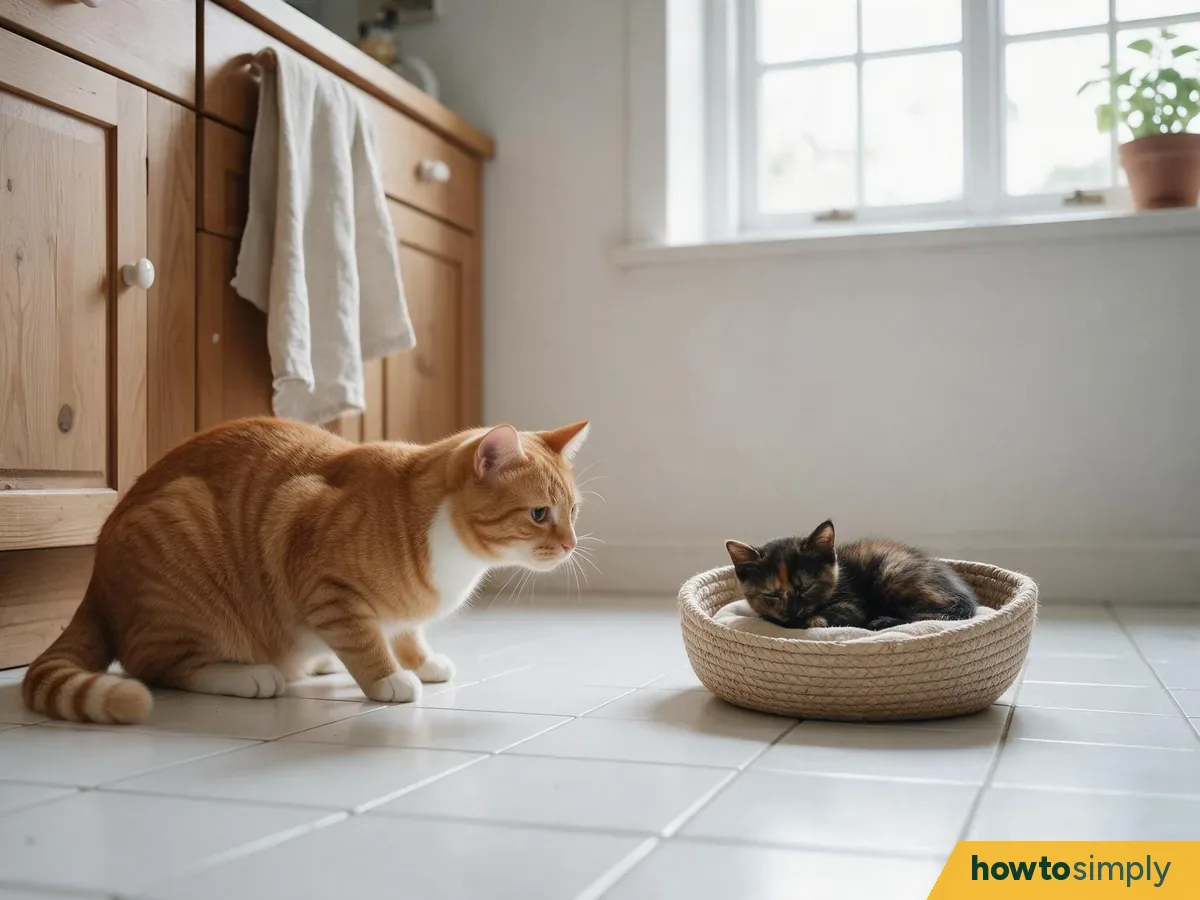
Illustration The PDSA lists avoiding places, other pets or people as a stress sign. iCatCare mentions a cat who stops using the stairs. Biscuit started keeping well away from Mango's basket.
Waiting by the cat flap instead of using it
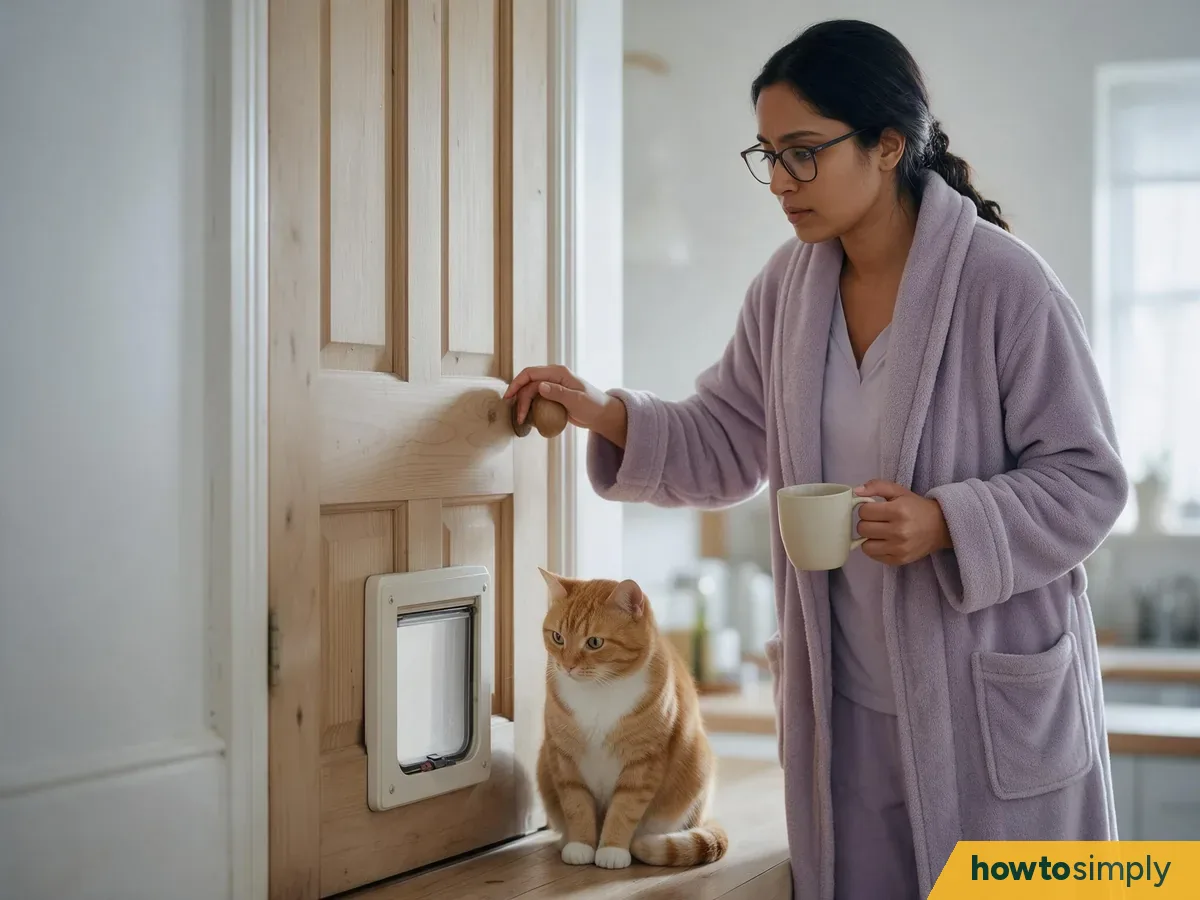
Illustration It isn't laziness. Cats Protection says a cat who sits by the flap and waits for you to open the door may be stressed about what's on the other side, and wants a better look first.
The litter tray and the food bowl
Peeing outside the litter tray
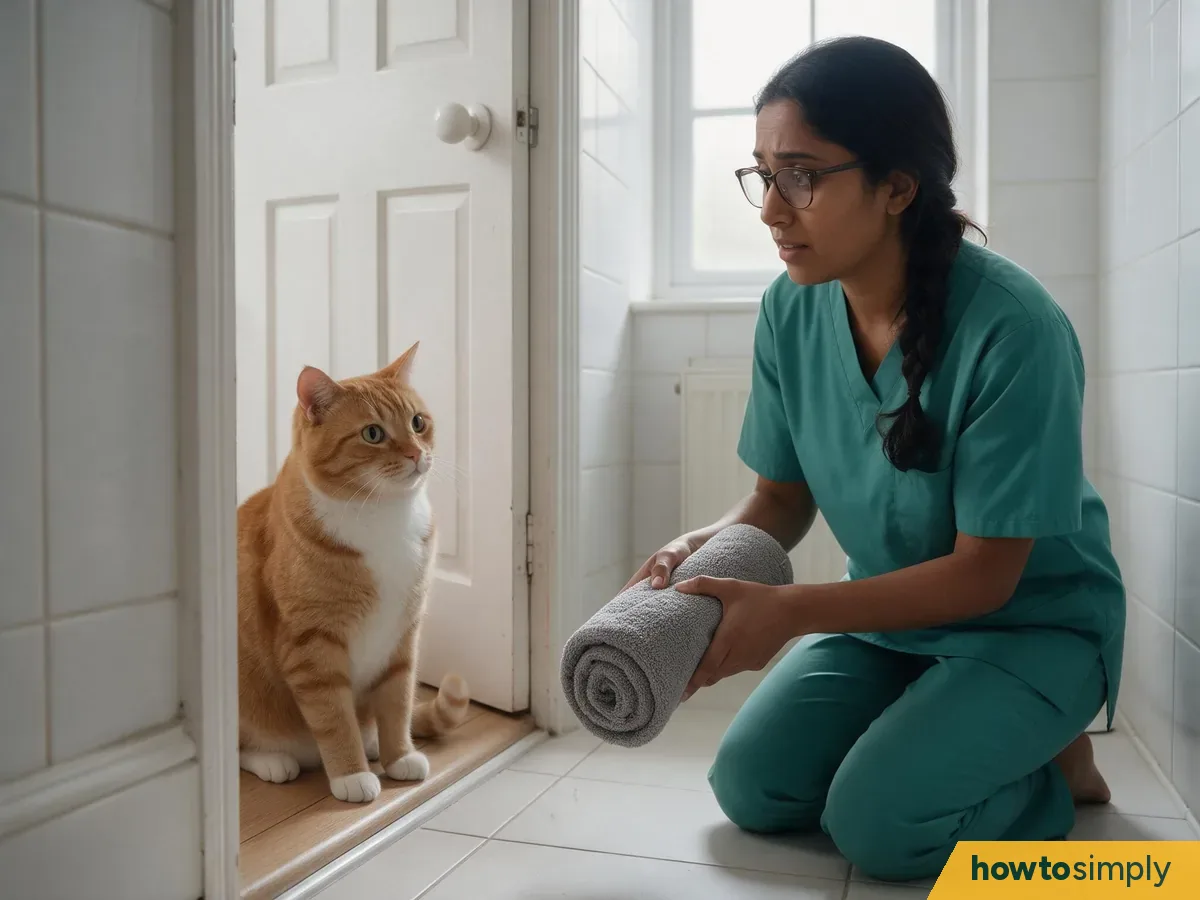
Illustration This is the one people most often misread as bad behaviour. Cats Protection says peeing on the floor is your cat telling you something is wrong, and punishing them only makes it worse. The cause could be stress, a health problem, or the tray itself. The PDSA says cats with stress-related cystitis often pee in the bath, the sink or on cold hard floors, so tell your vet. That is exactly what Biscuit's bathmat was about.
Spraying indoors
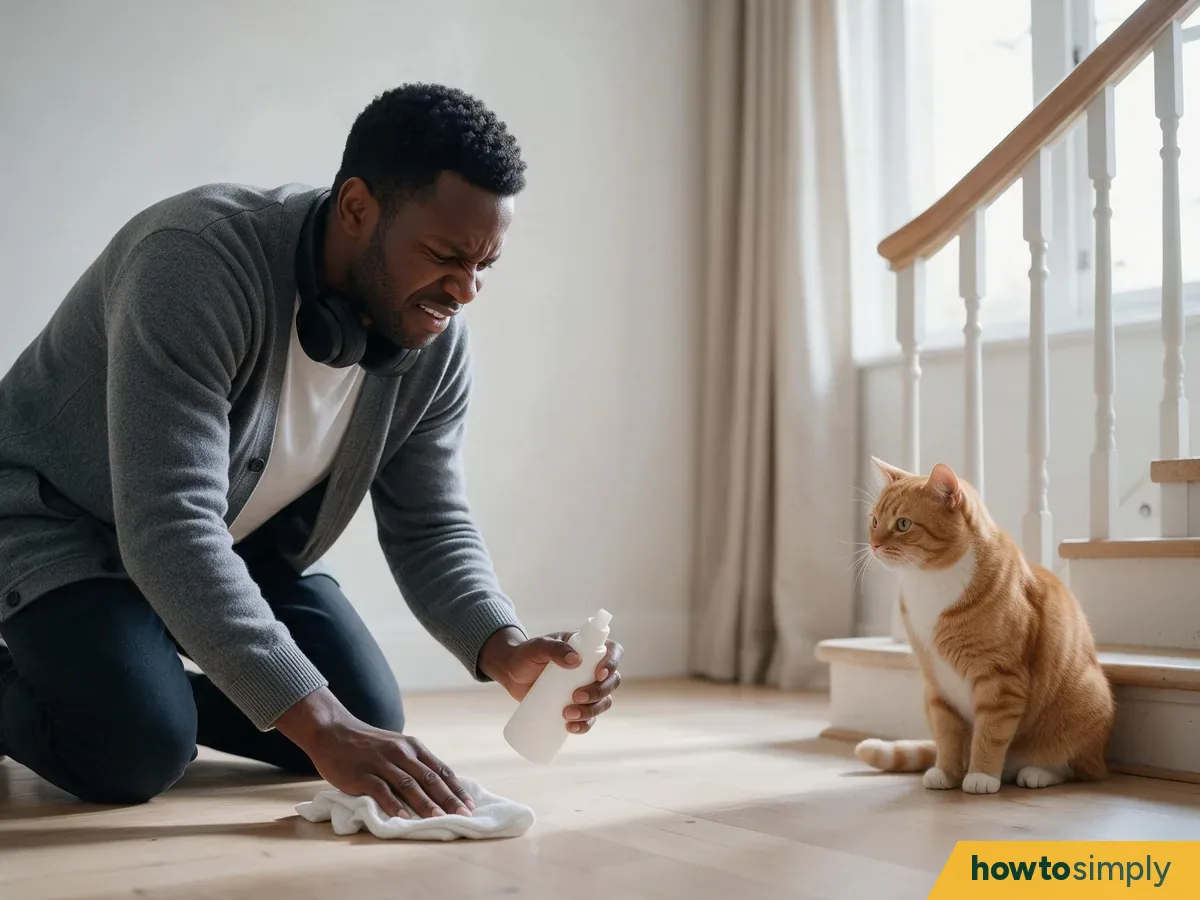
Illustration Spraying outdoors is normal territorial marking. Spraying inside means your cat doesn't feel secure, iCatCare says. A spraying cat usually backs up to a wall or other upright surface with its tail raised and quivering.
Eating less, or more
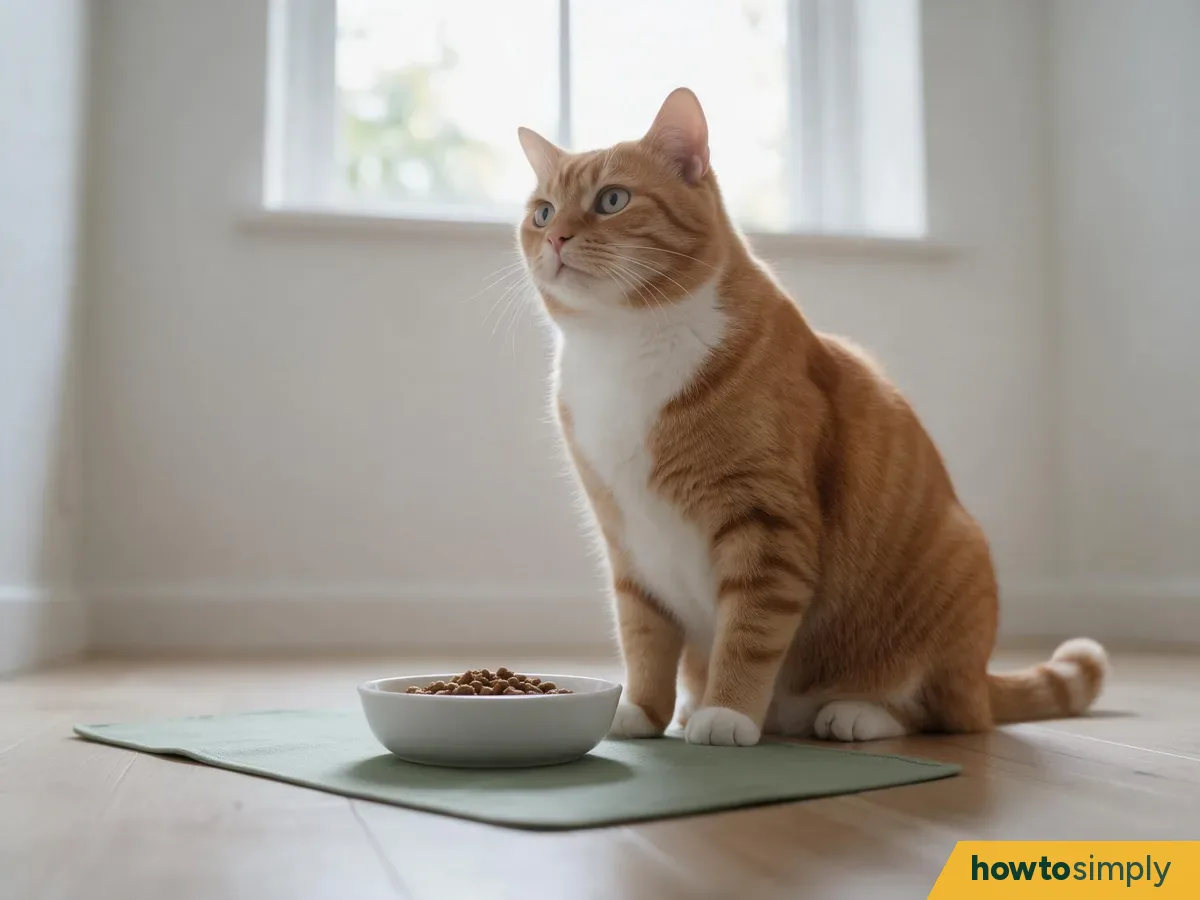
Illustration A change in appetite isn't fussiness or greed, Cats Protection says. Pain and stress can both change how much a cat eats. The PDSA also lists weight loss as a sign.
Their body and body language
Over-grooming or bald patches
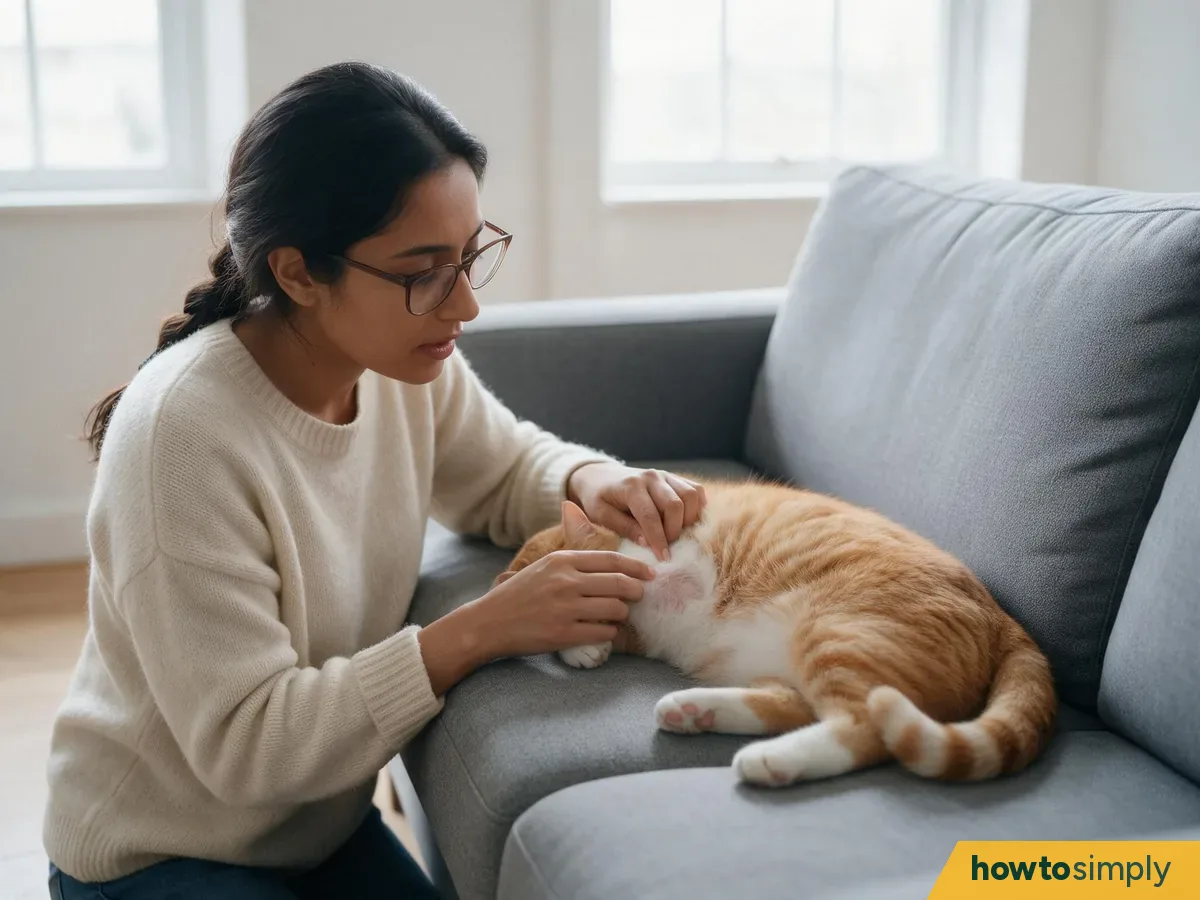
Illustration The PDSA lists over-grooming, hair loss, skin conditions and a poor coat among the signs of stress. With stress cystitis, it says, the over-grooming is usually on the tummy and between the back legs, so check there gently.
Licking their lips a lot
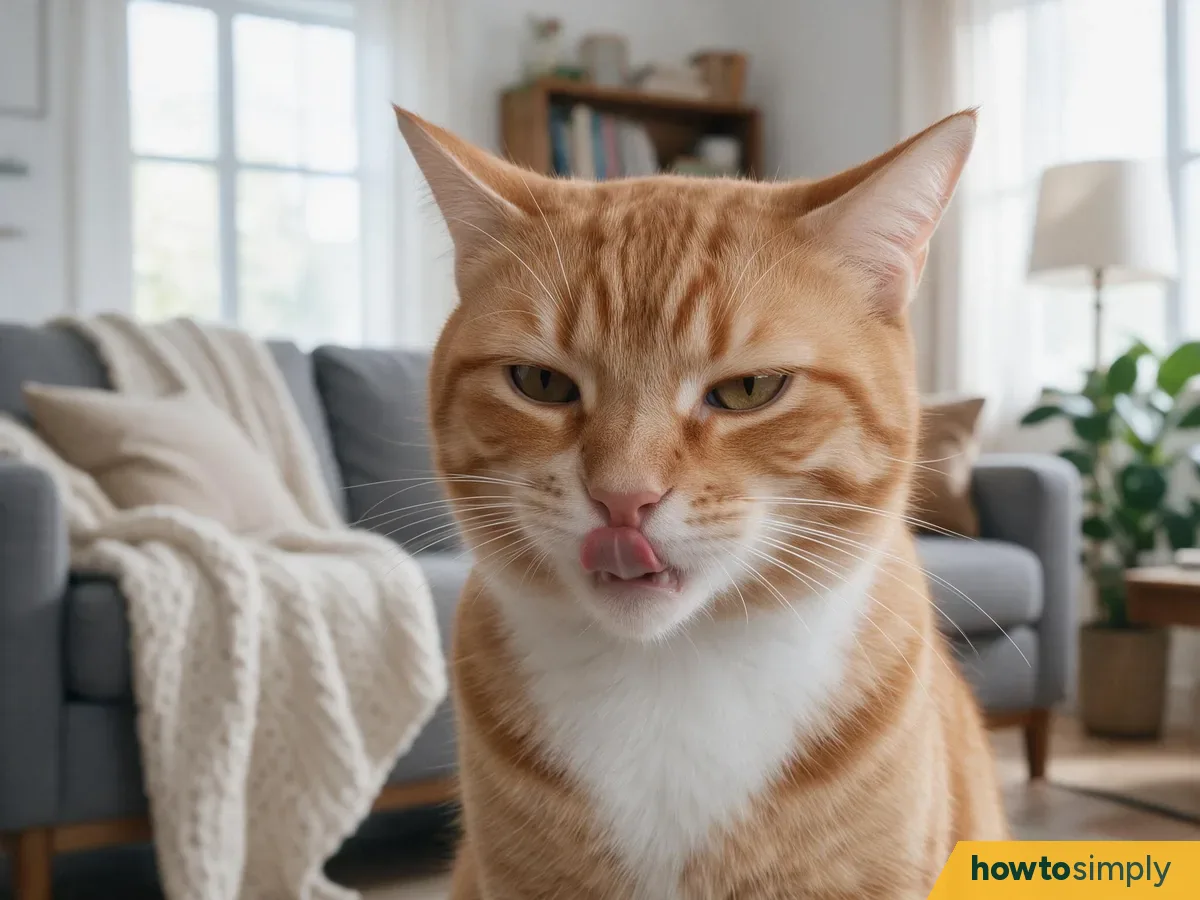
Illustration Some signs are so small we write them off as a quirk, Cats Protection says, and frequent lip licking is one of them. If it's new, mention it to your vet.
Flat ears and big pupils
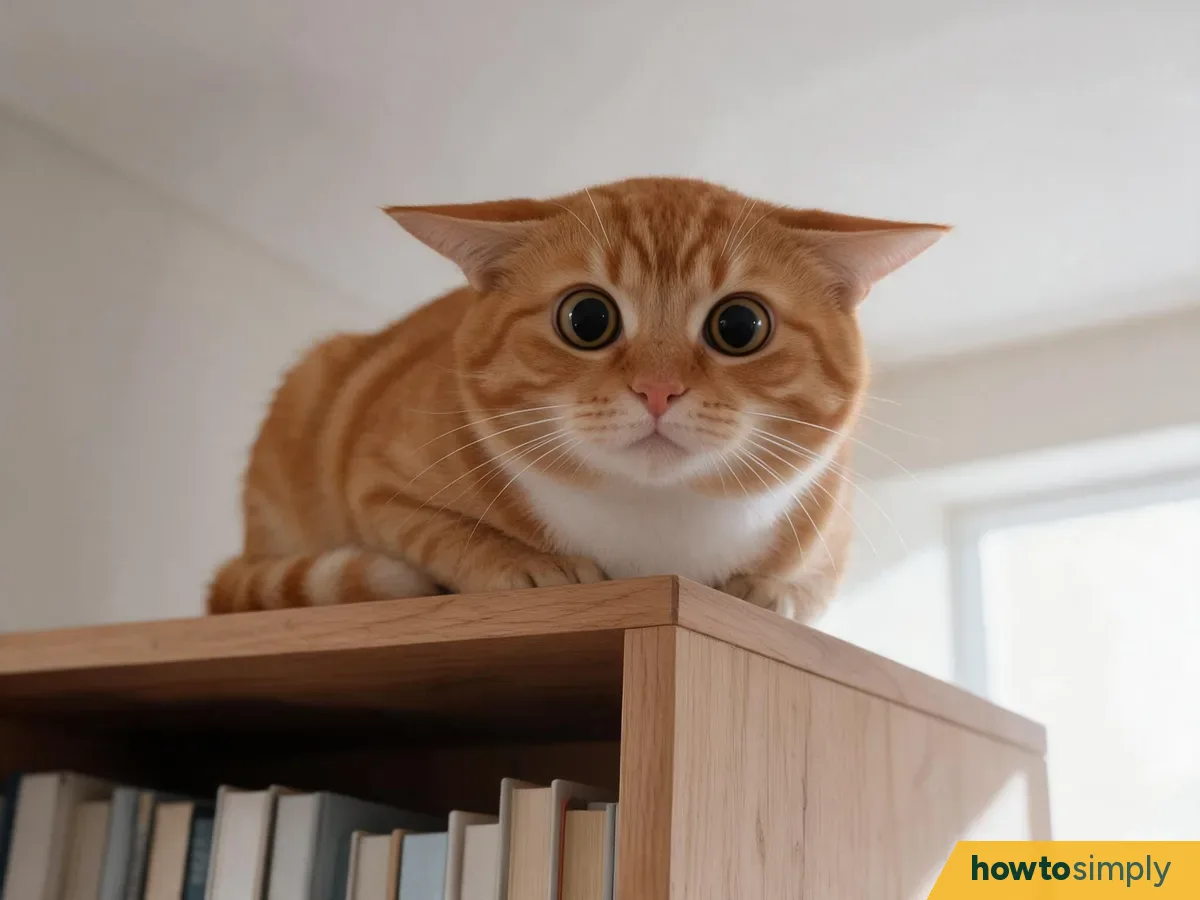
Illustration In Cats Protection's guide to cat body language, a stressed cat has flat ears and wide pupils, and may hide or get up high. The PDSA adds slinking low to the ground, crouching or arching. A relaxed cat looks very different: soft, rounded ears and half-closed eyes with small pupils.
More meowing or yowling
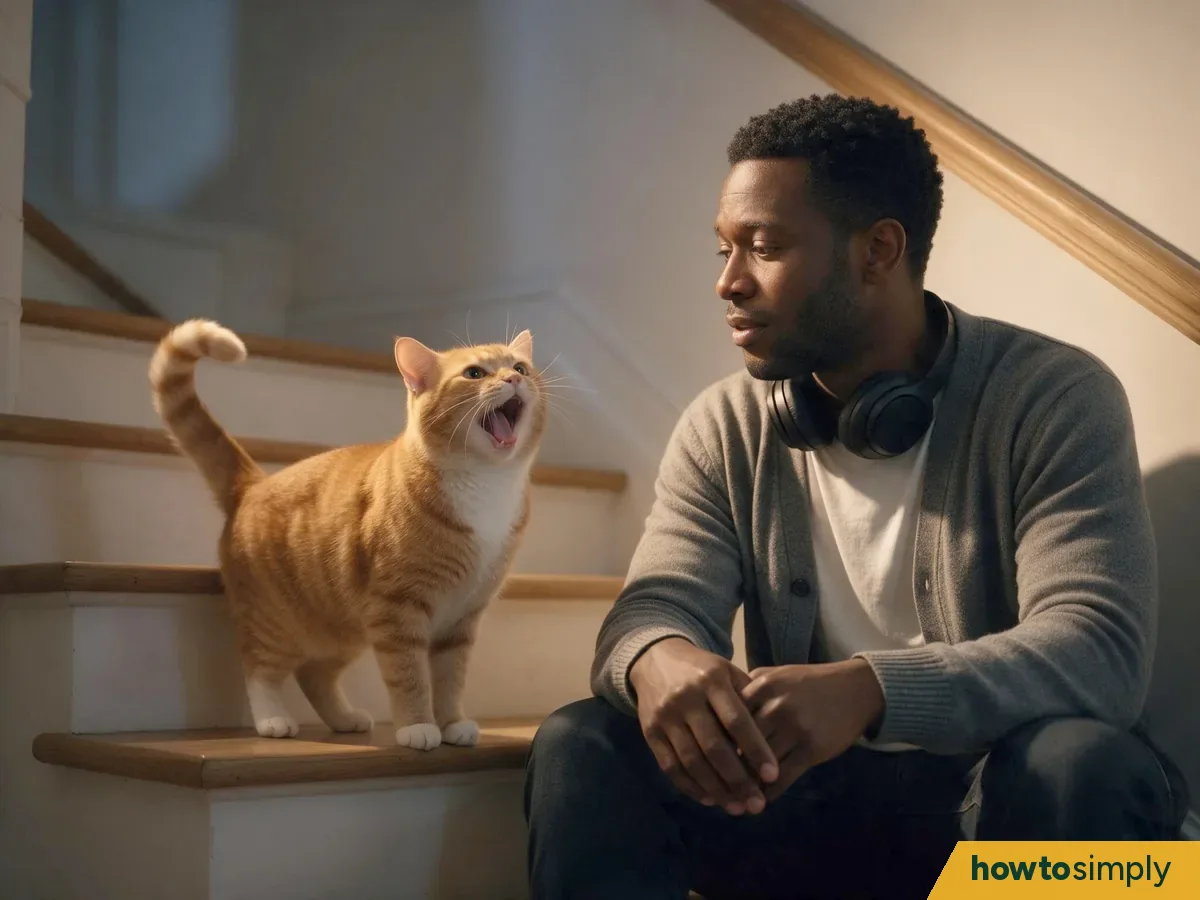
Illustration Meowing or yowling more than normal is on the PDSA's list, along with low energy and a playful cat who doesn't want to play any more.
Hissing or swiping at people they love
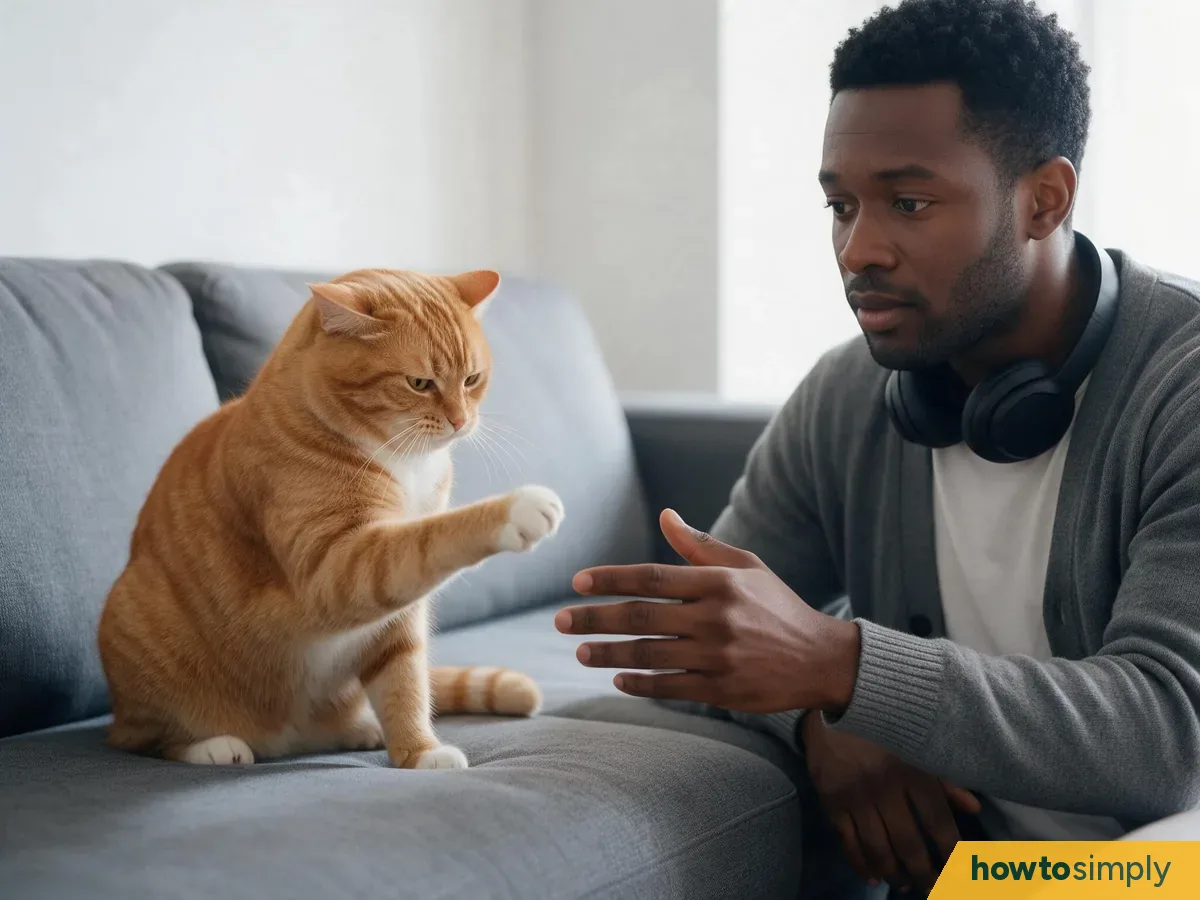
Illustration Cats usually prefer to run away and hide, Cats Protection says, so aggression is normally a last resort. Please don't take it personally; it is a sign of how your cat is feeling, not of how they feel about you. A cat who lashes out may be stressed or in pain, so take them to the vet.
What to do
See the vet first, then remove the stress
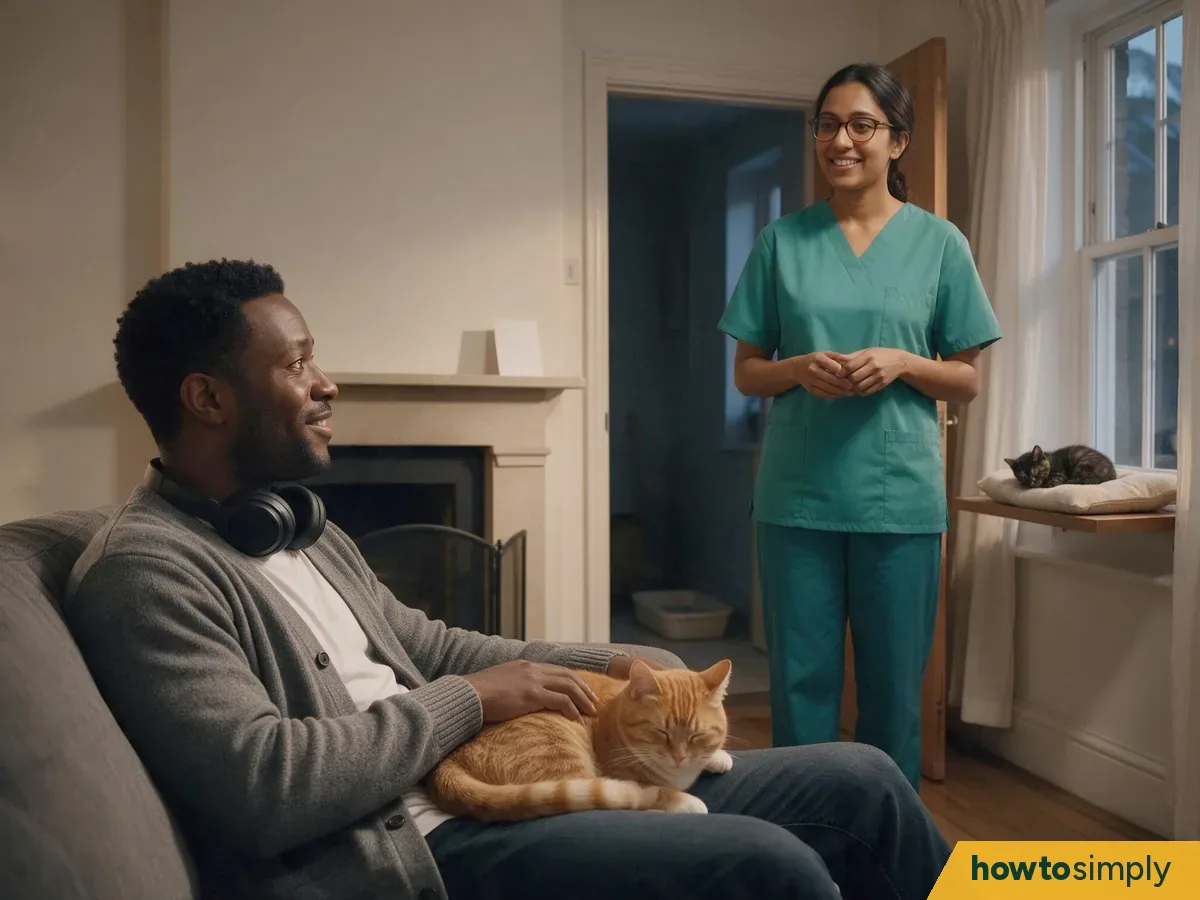
Illustration Many of these signs can be medical too, so the PDSA says to contact your vet first. iCatCare suggests filming the behaviour so your vet can see exactly what you mean.
Try saying (to the vet): "He's been hiding in the airing cupboard for three weeks, he's peed on the bathmat twice, and he's eating less. It started when we got a kitten and my shifts changed."
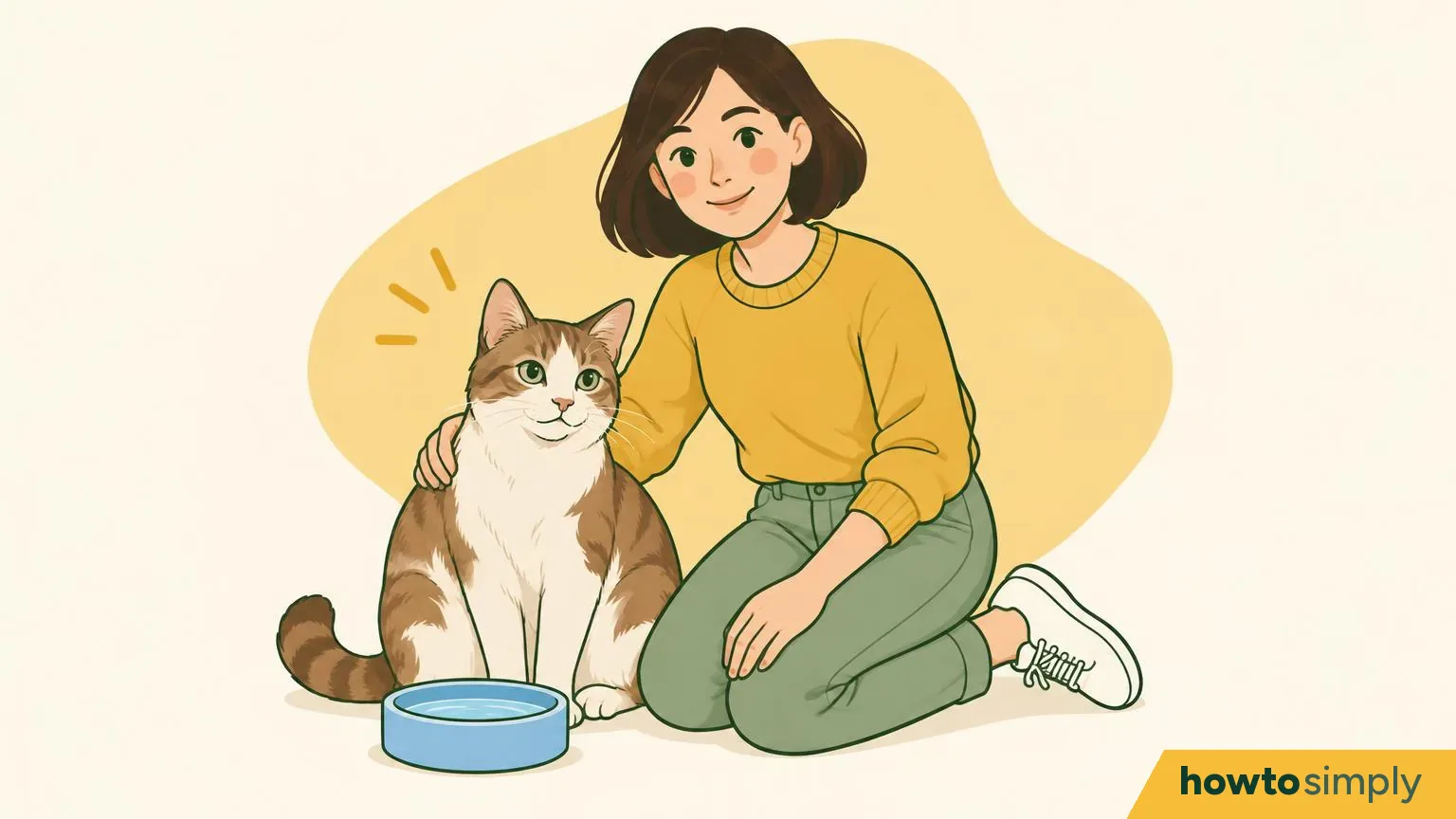
Then look at the cause. The reason this comes second is that a health problem needs ruling out first. The PDSA suggests keeping to a routine, plenty of hiding places (including high ones), and enough of everything. For more than one cat, that's one food bowl, water bowl, litter tray, scratching post and bed per cat, plus a spare, spread around the house. It also suggests washing bedding a bit at a time so something always smells familiar. A plug-in pheromone diffuser can help, Cats Protection says, but only alongside medical and behavioural advice. If the stress doesn't ease, ask your vet about a behaviourist registered with a regulated body such as the Animal Behaviour and Training Council (ABTC).
Try saying (to the family): "Mango gets her own bowl and tray upstairs. Biscuit keeps the windowsill. Nobody picks him up when he's in the cupboard."
The vet found nothing medically wrong with Biscuit. A second tray, a high shelf by the window and Kofi's lap at the same time every evening did the rest. Three weeks later, he was back on the sofa.
Stressed or relaxed? Read the face
| Cue | Stressed (Cats Protection, PDSA) | Relaxed (Cats Protection) |
|---|---|---|
| Ears | Flat or back | Relaxed, forward and rounded |
| Eyes | Wide open, big pupils | Shut or half closed, small pupils |
| Whiskers | Pointed forward or curving down | Relaxed and closer to the face |
| Where they are | Hiding, or up high (PDSA adds slinking low) | Their usual spots |
Sources: Cats Protection and PDSA.
Stress-spotting checklist
- I know my cat's normal: where they sleep, eat, go to the toilet and hide.
- I've noticed any new hiding, avoiding or cat-flap hesitation.
- I've checked the coat, tummy and litter tray for changes.
- I've booked a vet check and filmed the behaviour.
- There's enough of everything for every cat, plus a spare.
When to get help now
- Your cat is straining and repeatedly trying to pee but passing nothing: this is an emergency. The PDSA says to contact your vet immediately, or an out-of-hours emergency vet.
- Blood in the urine, or any change in toilet habits: contact your vet promptly. Stress can trigger painful bladder inflammation (feline idiopathic cystitis).
- Medicines: never give your cat anything your vet hasn't prescribed.
Your turn: what was the odd little thing that told you your cat wasn't OK? Tell us in the comments. It could help another owner spot it sooner.
Questions readers ask
How can I tell if my cat is stressed?
Look for a change from their normal: hiding more, avoiding a room or another pet, peeing outside the tray, eating less or more, over-grooming, or more meowing. Stressed body language includes flat ears, wide pupils and slinking low to the ground.
Why is my cat suddenly peeing outside the litter tray?
Cats Protection says it is your cat telling you something is wrong, not being naughty. The cause could be stress, a health problem or the tray itself. The PDSA says stress can trigger a painful bladder condition, so see your vet.
When is a cat's toilet problem an emergency?
If your cat is straining and repeatedly trying to pee but passing nothing. The PDSA says this is an emergency, so contact your vet immediately, or an out-of-hours vet at night.
Do pheromone diffusers help stressed cats?
They can help as one part of the plan. Cats Protection says a plug-in diffuser should be used together with medical and behavioural advice, not on its own.
How many litter trays do I need for two cats?
The PDSA suggests one per cat plus one spare, so three for two cats, spread around the house. The same goes for food and water bowls, beds and scratching posts.
Did this solve the problem?
What needs work?
What did you think?
Reaction counts are loading.
Sources
We use primary, official and specialist sources appropriate to the topic.