Bee or wasp sting: get the sting out, ease the swelling, spot an allergic reaction
Reviewed by Dr Sumbal Safi Ullah✓, MBBS
By Abu Bakar Saadat5 min readPublisher: Saadat Rafiq
Last updated: 28 October 2026References
 Illustration
On this page 8 sections
In short
Walk away, then scrape any sting out sideways with a fingernail or the edge of a bank card (not tweezers) and wash with soap and water. Hold a wrapped ice pack on it for at least 20 minutes. Call 999 for swelling of the lips or throat, or trouble breathing.
At a glance
- Sting left in?
- Scrape it out sideways; no tweezers (NHS)
- Then
- Wash with soap and water; cold compress for 20+ minutes (NHS)
- Don't
- Scratch it or use bicarbonate of soda (NHS)
- Call 999
- Swollen lips, mouth or throat, trouble breathing, fainting (NHS)
- Advice from
- NHS, nidirect, American Academy of Dermatology and CDC (NIOSH), read 28 October 2026
- Checked
- October 2026
Most bee and wasp stings are not serious and settle within a few days (NHS). A sting usually causes pain and a small, raised, swollen lump that may look red, which is harder to see on darker skin, and sometimes itching (NHS). The few minutes after a sting matter most: get away, get the sting out quickly, and keep an eye on the person for an allergic reaction.
What to do after a sting
Walk calmly away from the insects.
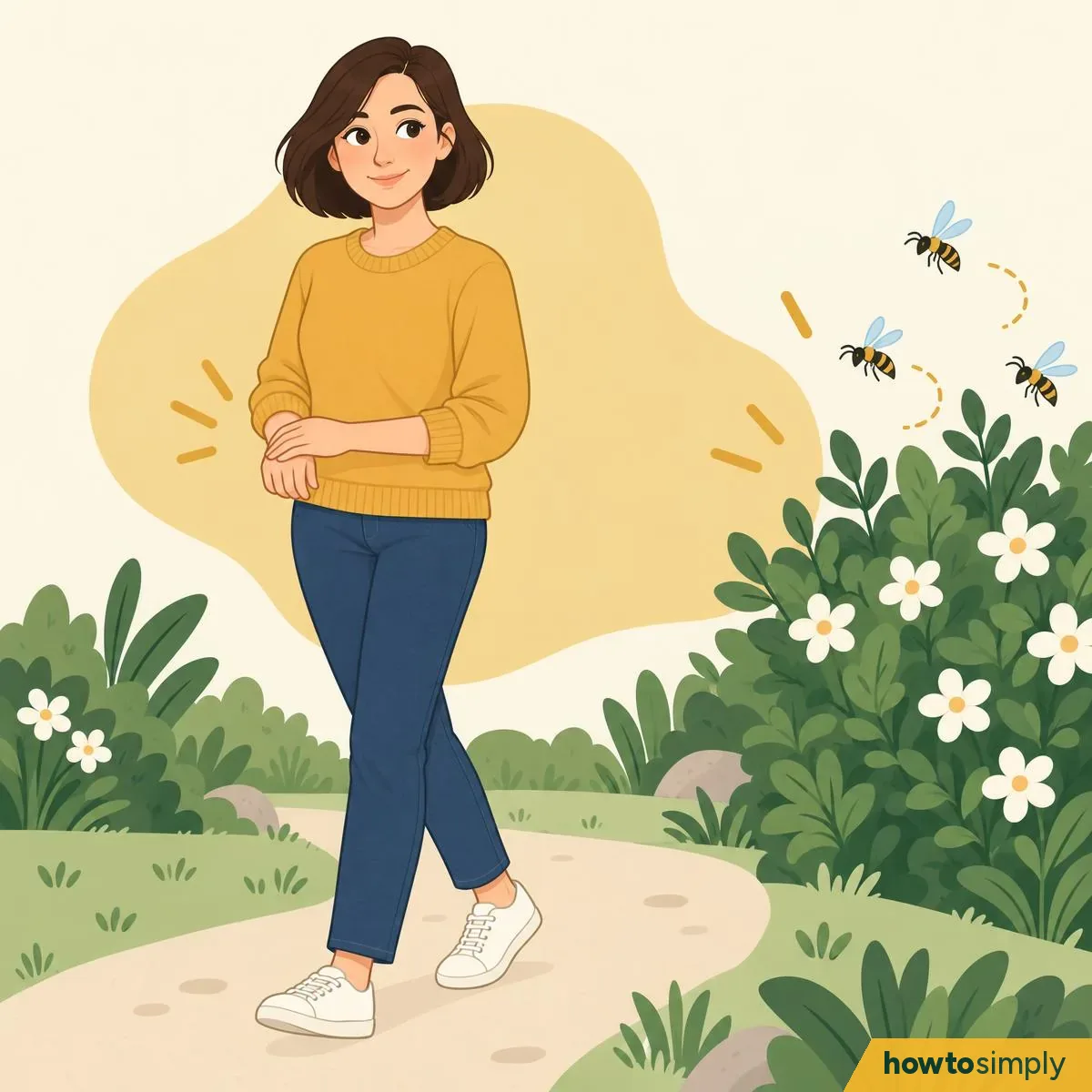
Illustration Bees usually sting once, but wasps and hornets can sting again (AAD). If several insects are attacking, the CDC says to run. A bee sting releases a chemical that may attract other bees (CDC). If you are helping someone else, stay with them so you can spot an allergic reaction (CDC).
You should see: no insects around you any more.
Careful: don't use tweezers or pinch the sting with your fingers. Squeezing it can push more venom into the skin (NHS, AAD).
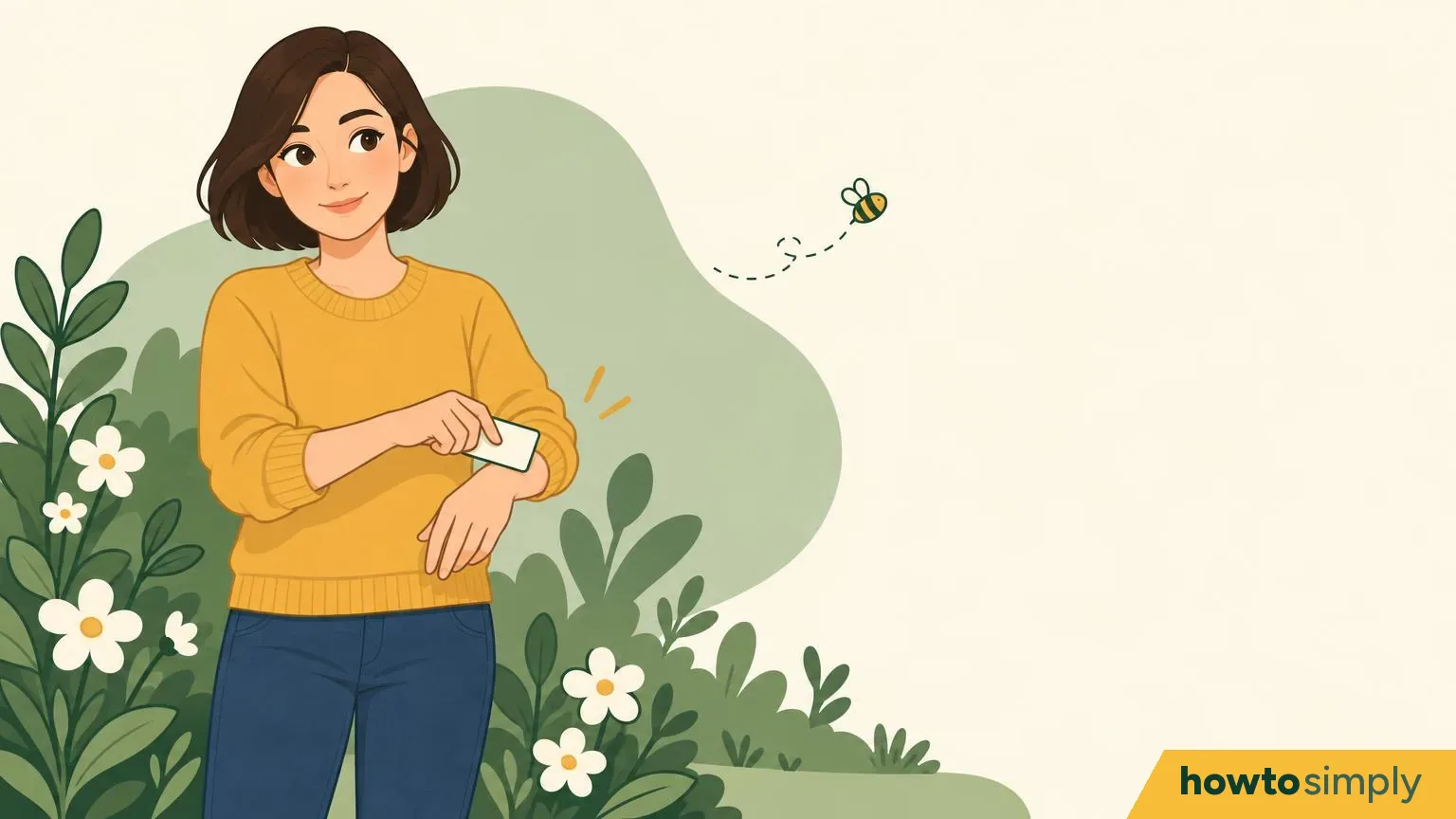
If the sting is still in the skin, scrape it out sideways.
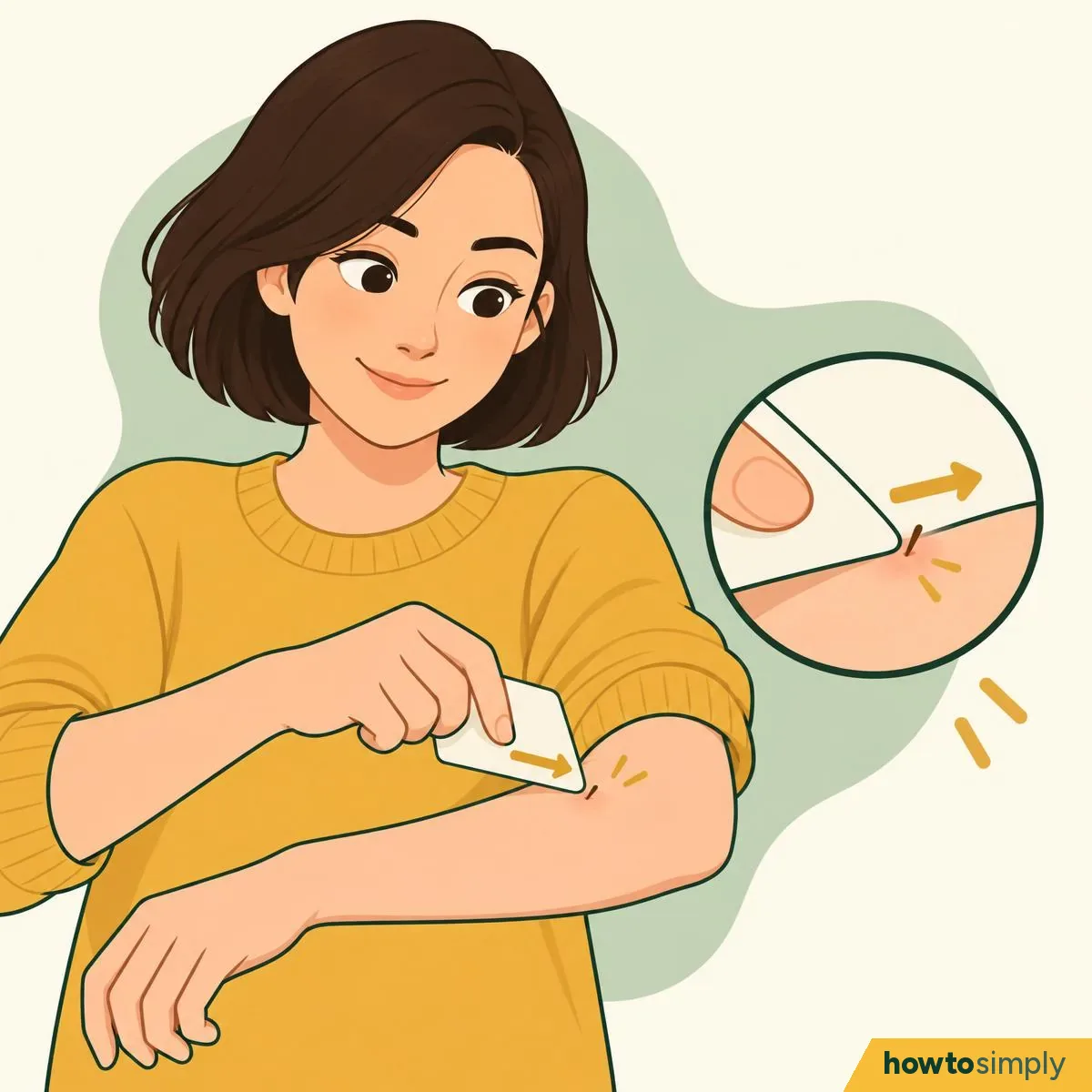
Illustration: scrape sideways, don't squeeze Do it quickly: the AAD says the longer the sting stays in the skin, the more venom it releases. Scrape across it with a fingernail or the edge of a bank card (NHS), or wipe it out with gauze (CDC). If you can't see anything in the skin, go straight to the next step.
You should see: nothing left sticking out of the skin, just a small mark where the sting went in (NHS).
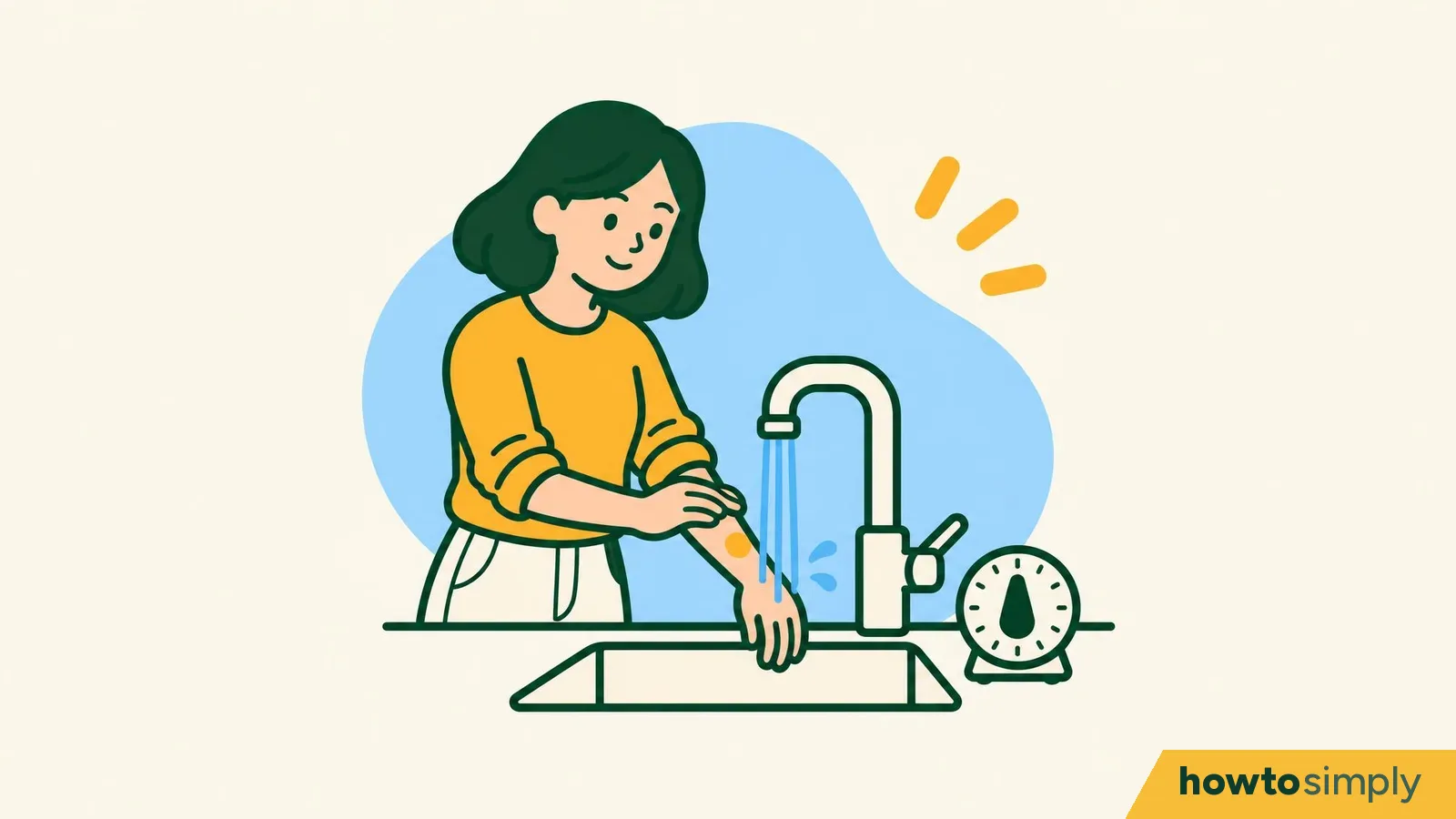
Wash the area with soap and water.
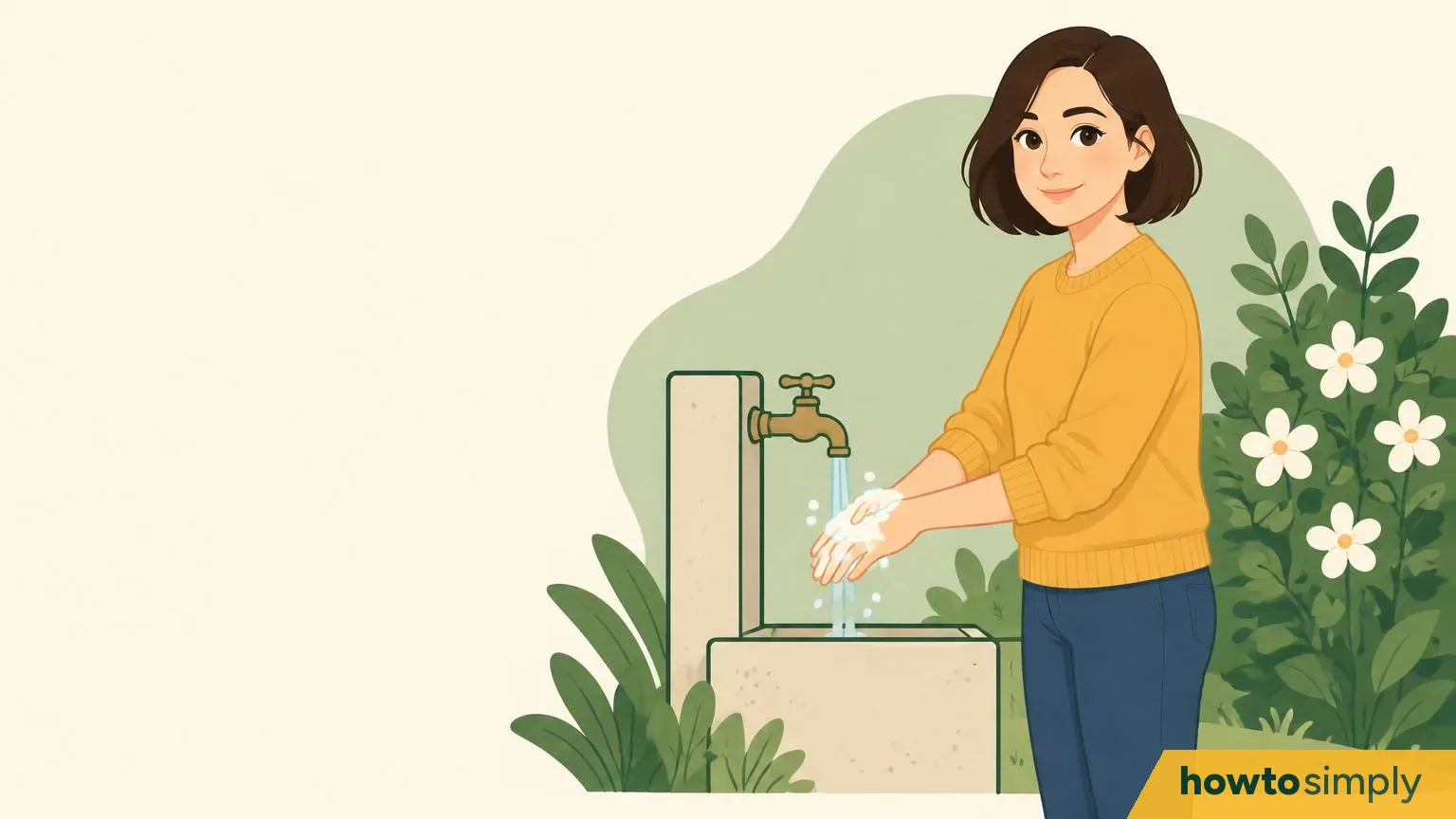
Illustration All three sources, the NHS, AAD and CDC, say to wash a sting with soap and water.
You should see: clean skin, ready for the cold compress.
Hold a cold compress on it for at least 20 minutes.
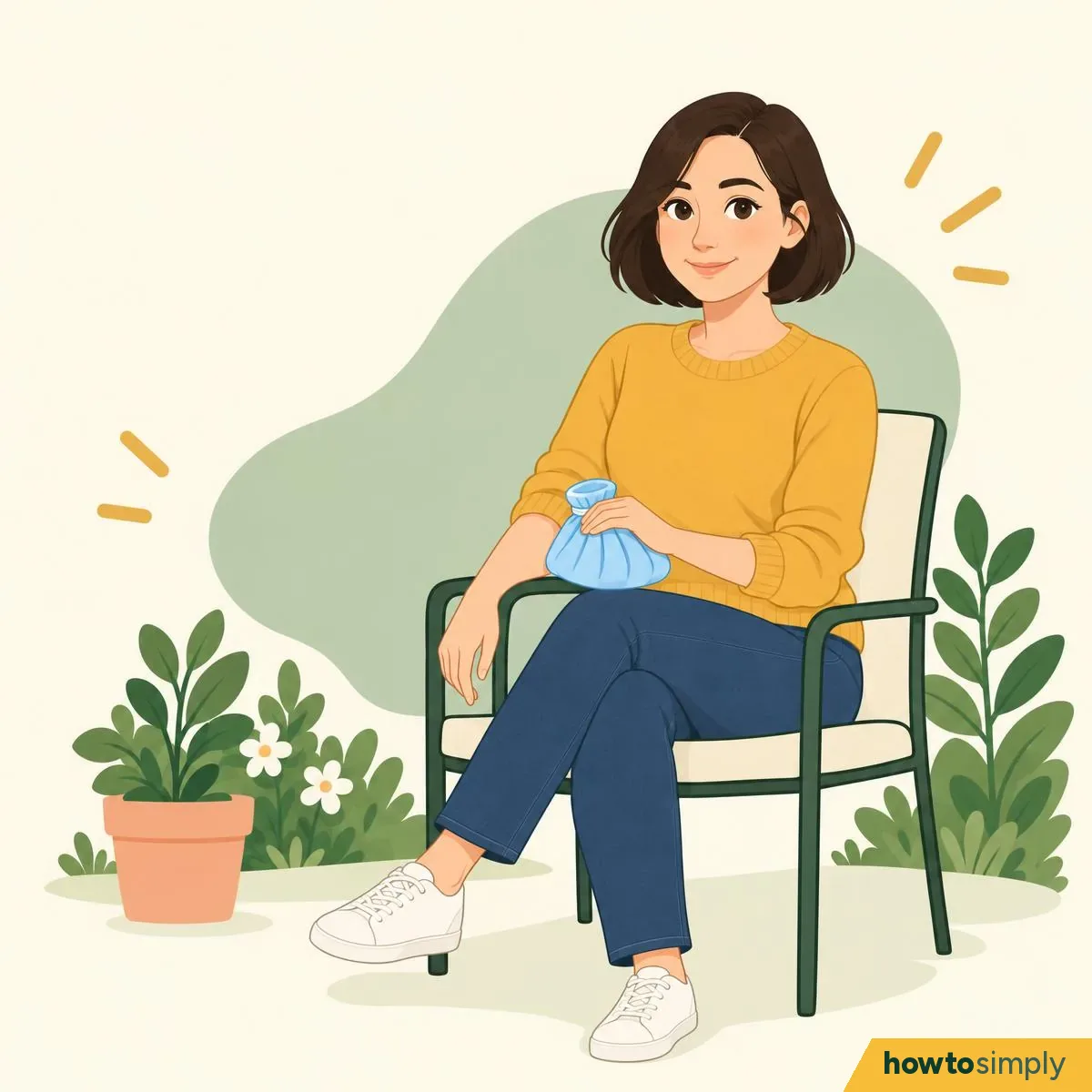
Illustration If it is swollen, use an ice pack wrapped in a cloth, or a cloth soaked in cold water, for at least 20 minutes (NHS). Raise the area if you can (NHS). The cold helps bring the swelling down (AAD, CDC).
You should see: the lump no bigger than before, and the pain starting to ease.
Leave it alone: don't scratch it.
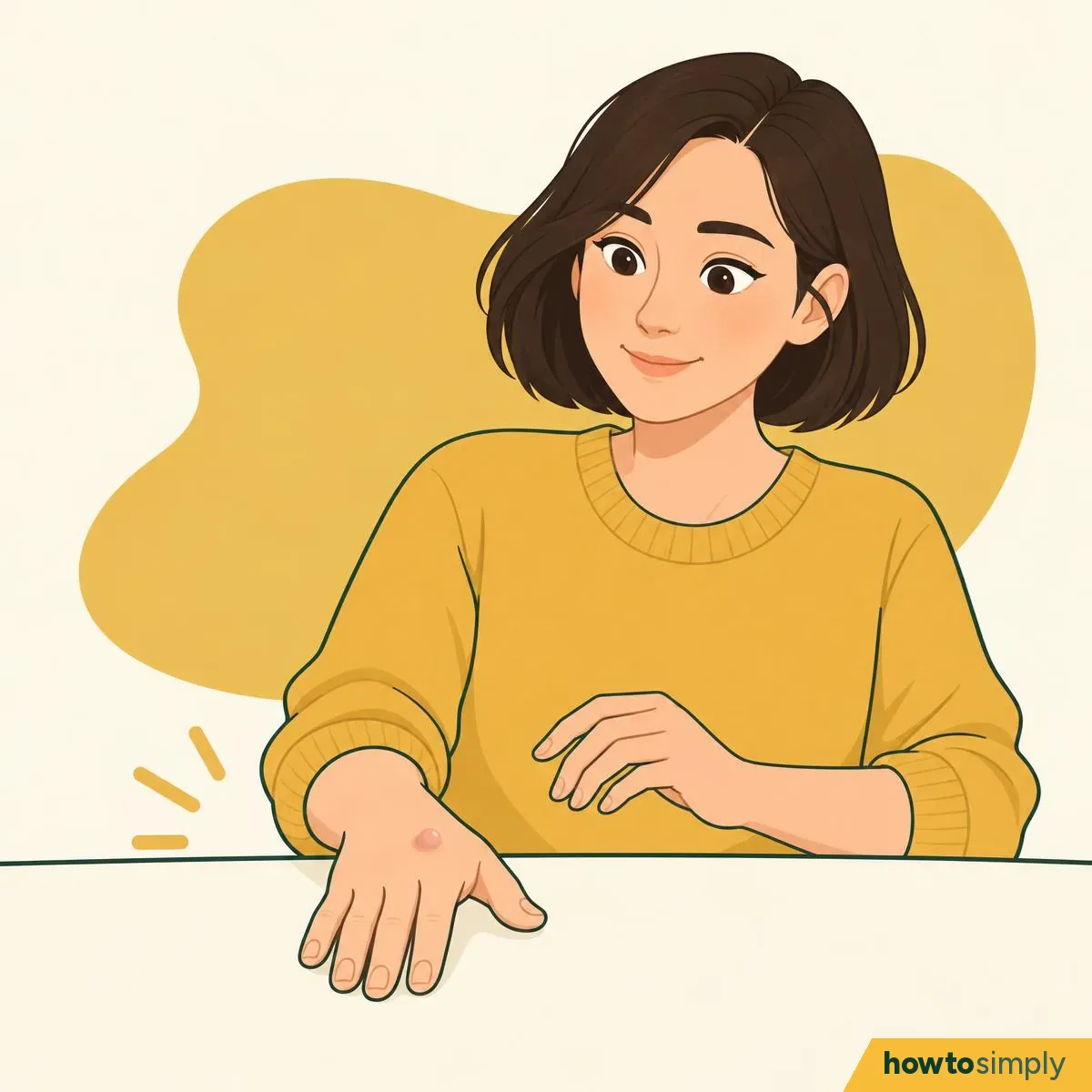
Illustration Scratching can lead to infection (NHS) and can make swelling and itching worse (CDC). Skip home remedies such as bicarbonate of soda (NHS). For pain or itching, a pharmacist can recommend a suitable painkiller, antihistamine or cream (NHS).
You should see: the skin intact, with no scratch marks.
Keep watching for signs of an allergic reaction.

Illustration Most people do not have a severe reaction, but anyone who has been stung should be watched for more serious symptoms (AAD). Swelling that spreads to other areas such as the face or neck needs emergency care straight away (AAD). Use the 999 list at the top of this page.
You should see: normal breathing, a normal voice and colour, and swelling that stays around the sting.
Is this normal? What you see and what to do
| What you see | What to do |
|---|---|
| Pain and a small raised lump, maybe red or itchy | Normal. Follow the steps above; it usually settles within days (NHS) |
| The sting feels hot, looks red, is painful or swollen, or leaks pus or fluid | See a pharmacist; they can supply antibiotics if it is infected (NHS) |
| It is getting worse or not improving, or you were stung more than once | Get an urgent GP appointment or contact NHS 111 (NHS) |
| A sting in the mouth or throat, or near the eyes | Contact NHS 111 or an urgent GP appointment (NHS); call 999 if the mouth or throat swells |
| Swelling spreading to the face or neck, or trouble breathing | Call 999 (NHS, AAD) |
How to tell it is settling
- Nothing is left in the skin.
- The swelling stays around the sting and gets smaller over the next days (NHS).
- Breathing, voice and colour are normal, with no swelling of the lips, mouth or throat.
- The skin isn't hot, red or leaking pus (NHS).
If something goes wrong
| What happens | What it means | What to do |
|---|---|---|
| You can't get the sting out by scraping | It may be embedded or already out | Don't dig with tweezers or a needle (NHS). If the area gets hot, red or swollen, see a pharmacist (NHS) |
| The itching keeps you awake | A common mild reaction (NHS) | Ask a pharmacist about an antihistamine or a cream (NHS) |
| A child under 1 was stung | Babies need checking (NHS) | See a GP; call 999 for any of the emergency signs |
| You feel dizzy or light-headed | It may be an allergic reaction (NHS) | Contact NHS 111 urgently; call 999 if breathing or the throat is affected (NHS) |
Questions readers ask
Do vinegar or bicarbonate of soda help a sting?
The NHS says not to use home remedies such as bicarbonate of soda. Cool it with a cold compress instead, and ask a pharmacist if it itches or swells a lot.
Can a wasp sting more than once?
Yes. The American Academy of Dermatology says bees usually sting once, but wasps and hornets can sting again, which is why you should calmly walk away first.
How long does a sting stay swollen?
The NHS says most stings settle within a few days. If it is getting worse or not improving, get an urgent GP appointment or contact NHS 111.
I had a bad reaction to a sting before. What should I do now?
Contact NHS 111 or your GP urgently after any new sting, even if you feel fine (NHS). The CDC advises people with a history of severe reactions to carry their prescribed adrenaline auto-injector and wear a medical ID. Ask your GP whether you need one.
Did this solve the problem?
What needs work?
What did you think?
Reaction counts are loading.
Spotted a mistake? If a step is unclear or a picture is inaccurate, tell us the step number and what needs correcting. Email us about this page or use the contact form. We read every report, and fixes are listed on What changed.
Liked this article?
Follow us for new articles and short how-to videos.
Sources
We use primary, official and specialist sources appropriate to the topic.