Toothache: what to do until you can see a dentist, and when it is an emergency
Take ibuprofen or paracetamol, rinse with warm salt water (adults), hold a cold pack to your jaw and eat soft food. Call a dentist if it lasts more than 2 days, and go to A&E if your neck or the area around your eye swells.
Co-authored by Dr Aaiman Umer✓, BDS
By Abu Bakar Saadat4 min readPublisher: Saadat Rafiq
Last updated: 31 October 2026References
 Illustration
At a glance
- First steps
- Painkiller, salt-water rinse (adults), cold pack, soft food
- See a dentist if
- Pain lasts over 2 days, or fever, swelling, pain when biting
- Emergency
- Swelling near the eye or neck, or trouble breathing, swallowing or speaking
- Pregnant?
- No ibuprofen or other NSAIDs, especially from 20 weeks, unless a doctor prescribes them (NHS, FDA)
- Not your GP
- GPs can't treat teeth (NHS)
- Advice from
- NHS, Cleveland Clinic, ADA, FDA and KZV Berlin, read 28-29 October 2026
- Checked
- October 2026
These steps ease the pain while you wait for an appointment. They don't fix the cause, so book a dentist too.
Step 1: take a painkiller
The NHS suggests ibuprofen or paracetamol (called acetaminophen in the US). For dental pain, the American Dental Association's 2024 guideline recommends an anti-inflammatory painkiller (NSAID) such as ibuprofen as the first choice, on its own or together with paracetamol, ahead of opioid painkillers. Follow the leaflet for how much to take, and ask a pharmacist which suits you, especially if you take other medicines. Children under 16 must not take aspirin (NHS). A pain-relieving mouth gel can also help.
If you're pregnant: don't take ibuprofen or other NSAIDs unless a doctor prescribes them, especially from 20 weeks of pregnancy, because they can affect the baby's kidneys and circulation (NHS, FDA). The NHS says paracetamol is the best painkiller to take in pregnancy.
Step 2: rinse with warm salt water
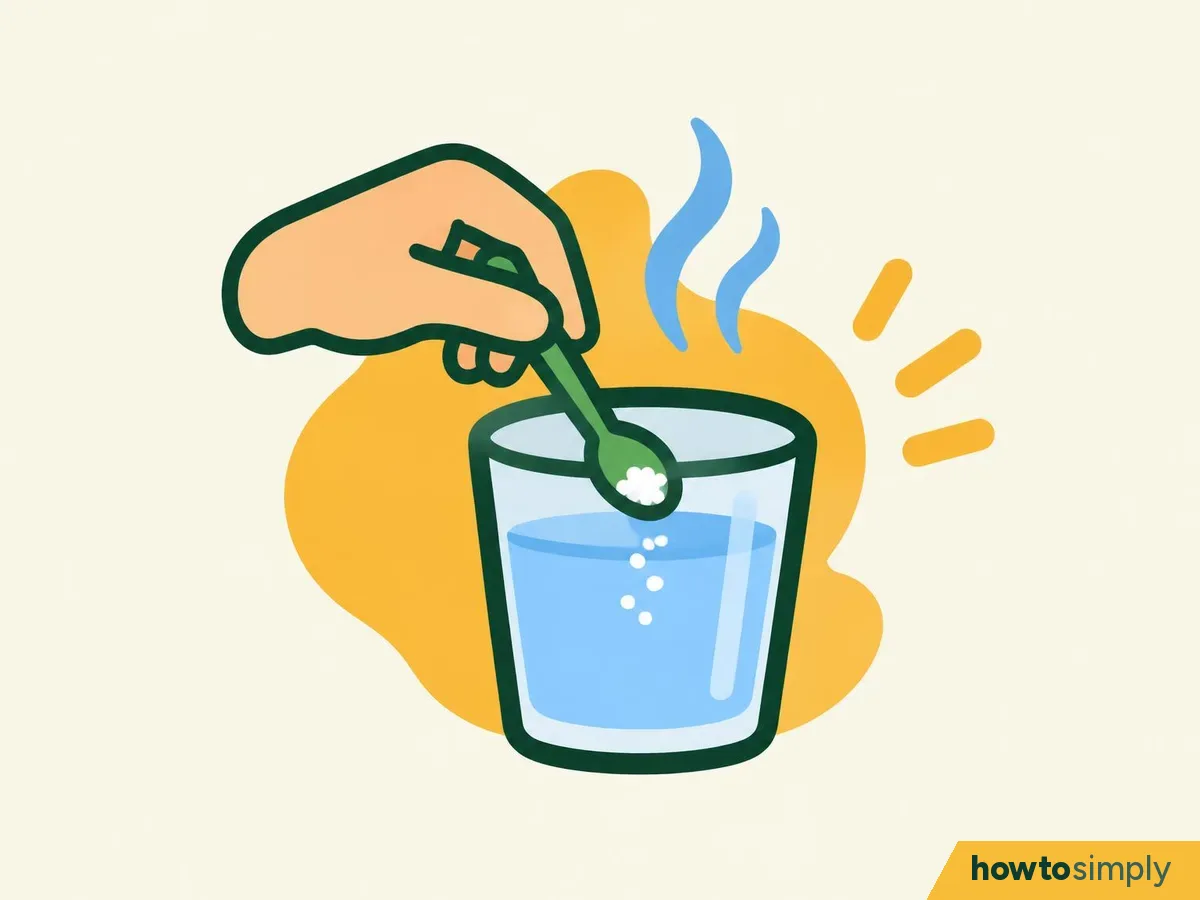
Cleveland Clinic's mix: half a teaspoon of salt in 8 ounces (about 240 ml) of warm water, swished for 30 seconds and spat out. The NHS says not to use salt-water rinses for children.
Step 3: hold a cold pack to your jaw
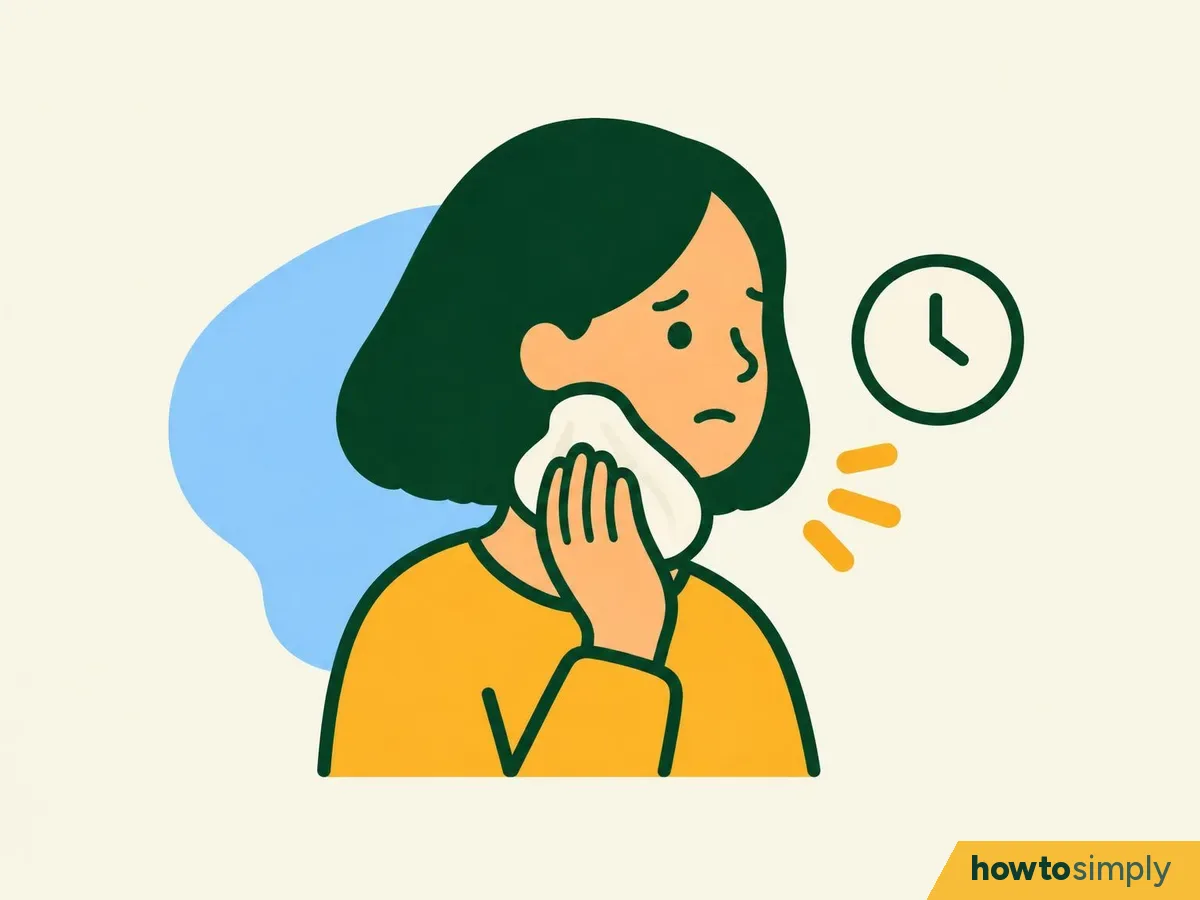
Hold it against the outside of your jaw for about 20 minutes, several times a day (Cleveland Clinic).
Step 4: eat soft food, skip the extremes
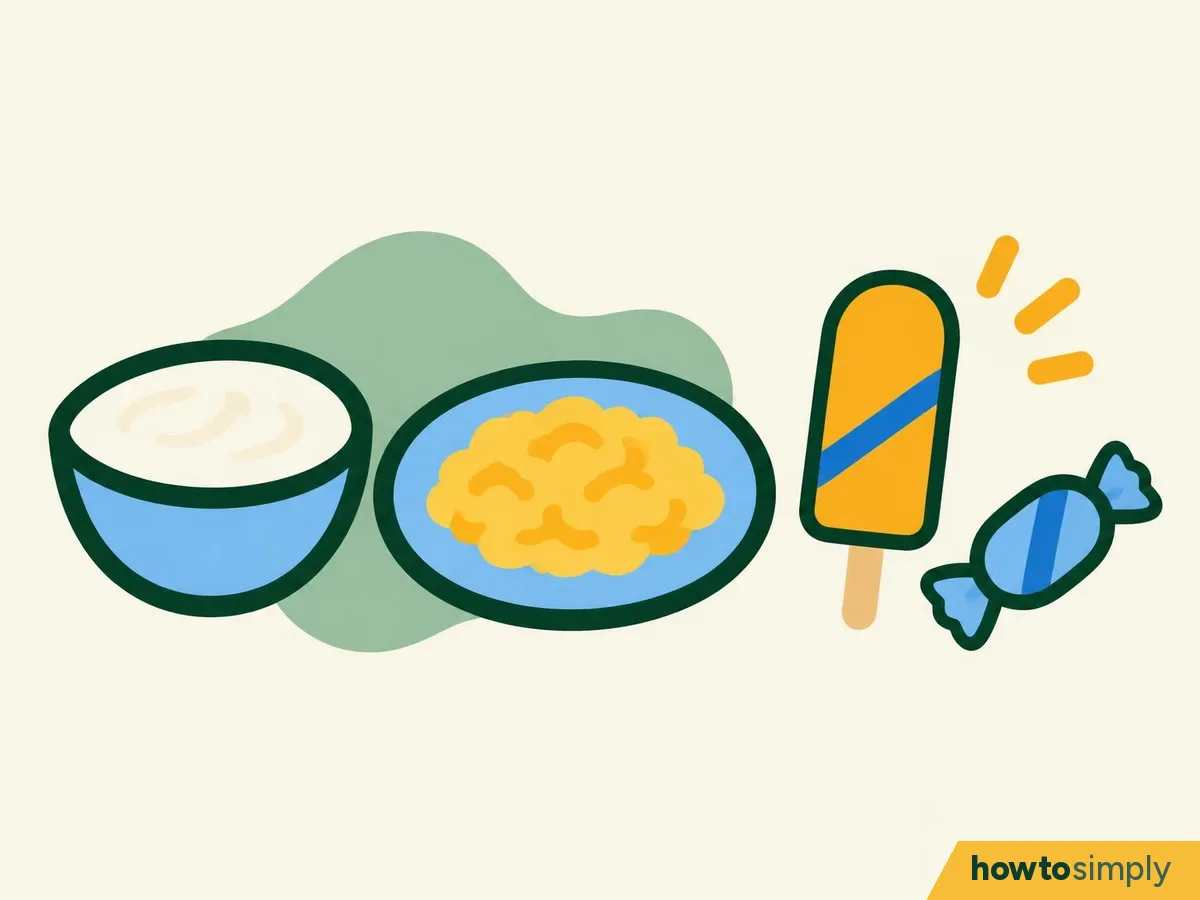
Soft foods like yoghurt or scrambled eggs are easiest. Avoid sweet, very hot or very cold food and drinks, and don't smoke (NHS).
Step 5: brush gently
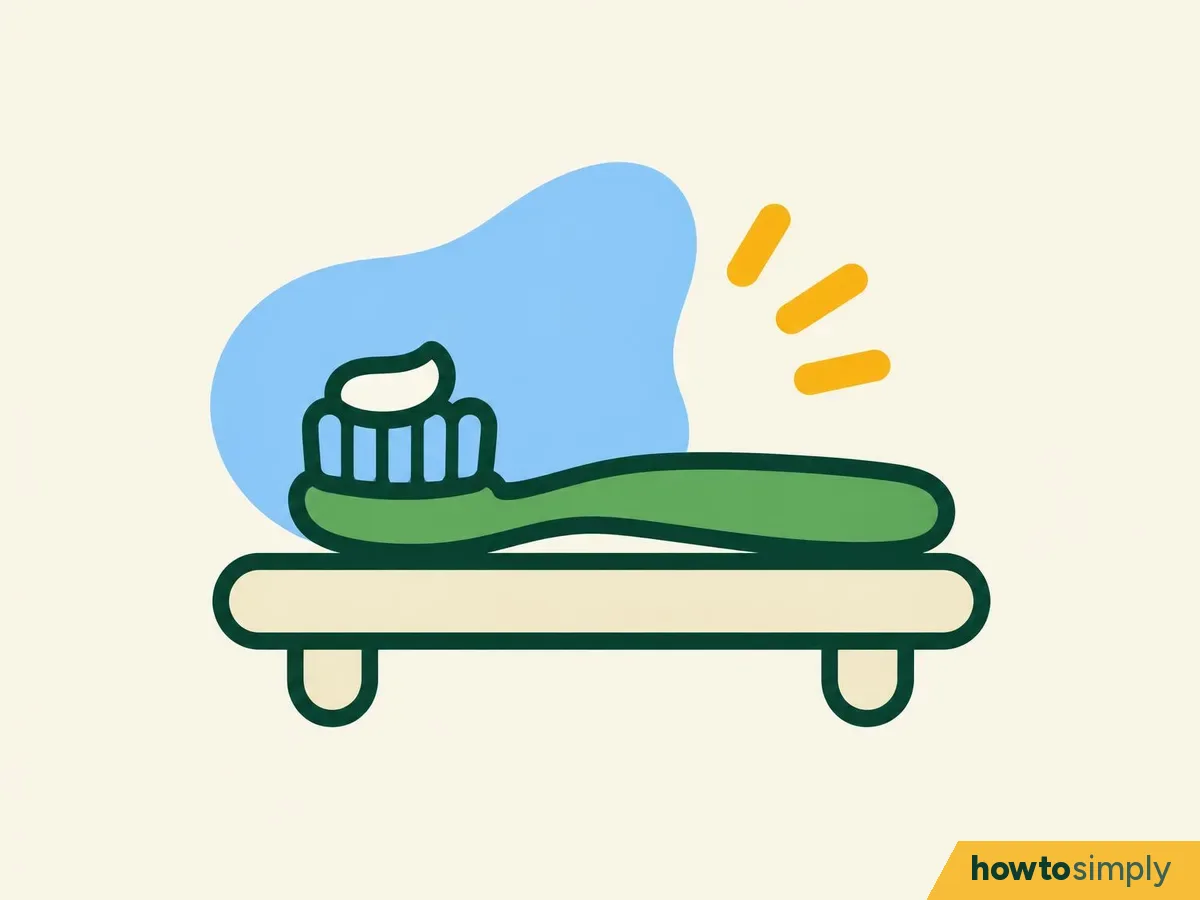
Use a soft toothbrush and don't floss around the sore tooth (NHS).
Step 6: call a dentist
See a dentist if the pain lasts more than 2 days or painkillers don't help, or straight away if you also have a high temperature, pain when biting, red gums, a bad taste, or a swollen cheek or jaw (NHS). Don't book your GP for it: GPs can't provide dental treatment (NHS).
| UK | Germany | US | |
|---|---|---|---|
| Normal hours | Your dentist (not your GP) | Your Zahnarzt | Your dentist |
| No dentist or out of hours | Call 111 (NHS) | The zahnärztlicher Notdienst run by your region's dental association (KZV). In Berlin: recorded line (030) 89004-333 or kzv-berlin.de | Call your dentist first; they can say whether you need to be seen now |
Go to A&E or the emergency room if
- the area around your eye or your neck is swollen, or swelling makes it hard to breathe, swallow or speak. Don't drive yourself: get someone to take you or call 999, 112 or 911 (NHS).
- you have a fever over 38.3°C (101°F), a knot on your jaw, bleeding that won't stop with pressure, or pain no medication eases (Cleveland Clinic).
What causes toothache
The steps above ease the pain but don't treat the cause, and only a dentist can find it. Common causes include tooth decay (a cavity), gum disease, a cracked or damaged tooth, a loose or broken filling, a dental abscess or another infection, and grinding your teeth (NHS, Cleveland Clinic).
Treatment depends on the cause. It can range from cleaning by a hygienist, or deep cleaning under the gums for serious gum disease (NHS), to a filling, a crown, root canal treatment or taking the tooth out (Cleveland Clinic). Regular check-ups and cleanings help a dentist find problems before they hurt (Cleveland Clinic).
Could it be an abscess?
A dental abscess needs urgent dental treatment, and the NHS says it will not go away on its own. Signs include intense pain in the tooth or gum, redness in the mouth or on the face, a bad taste, trouble opening your mouth or chewing, a swollen face or jaw, swollen glands in the neck and a high temperature (NHS).
Call 999 or go to A&E if you have a swollen or painful eye, sudden problems with your vision, a lot of swelling in your mouth, or you can't open your mouth (NHS).
Common mistakes
- Taking more painkillers than the leaflet says. The NHS says higher doses can be dangerous and won't work any better.
- Waiting for it to go away. The steps above ease pain but don't treat the cause, and an abscess won't heal without treatment (NHS).
- Booking a GP. GP surgeries can't provide dental treatment (NHS).
What an urgent NHS appointment costs (England)
An urgent NHS dental appointment costs £27.90 (NHS, last reviewed March 2025). It can include an examination, X-rays, a temporary filling, draining an abscess, starting root canal treatment and taking out up to 2 teeth. Further treatment afterwards may cost more (NHS).
NHS dental treatment is free if you're under 18, under 19 and in full-time education, pregnant, or have had a baby in the last 12 months. Some people on certain benefits, such as Universal Credit below an income limit, also get it free. If your income is low, the NHS Low Income Scheme may help with costs (NHS).
Help stop it coming back
- Brush twice a day for about 2 minutes, last thing at night and one other time (NHS).
- Adults should use a toothpaste with at least 1,350 ppm fluoride (NHS).
- Spit after brushing, but don't rinse: rinsing washes away the fluoride (NHS).
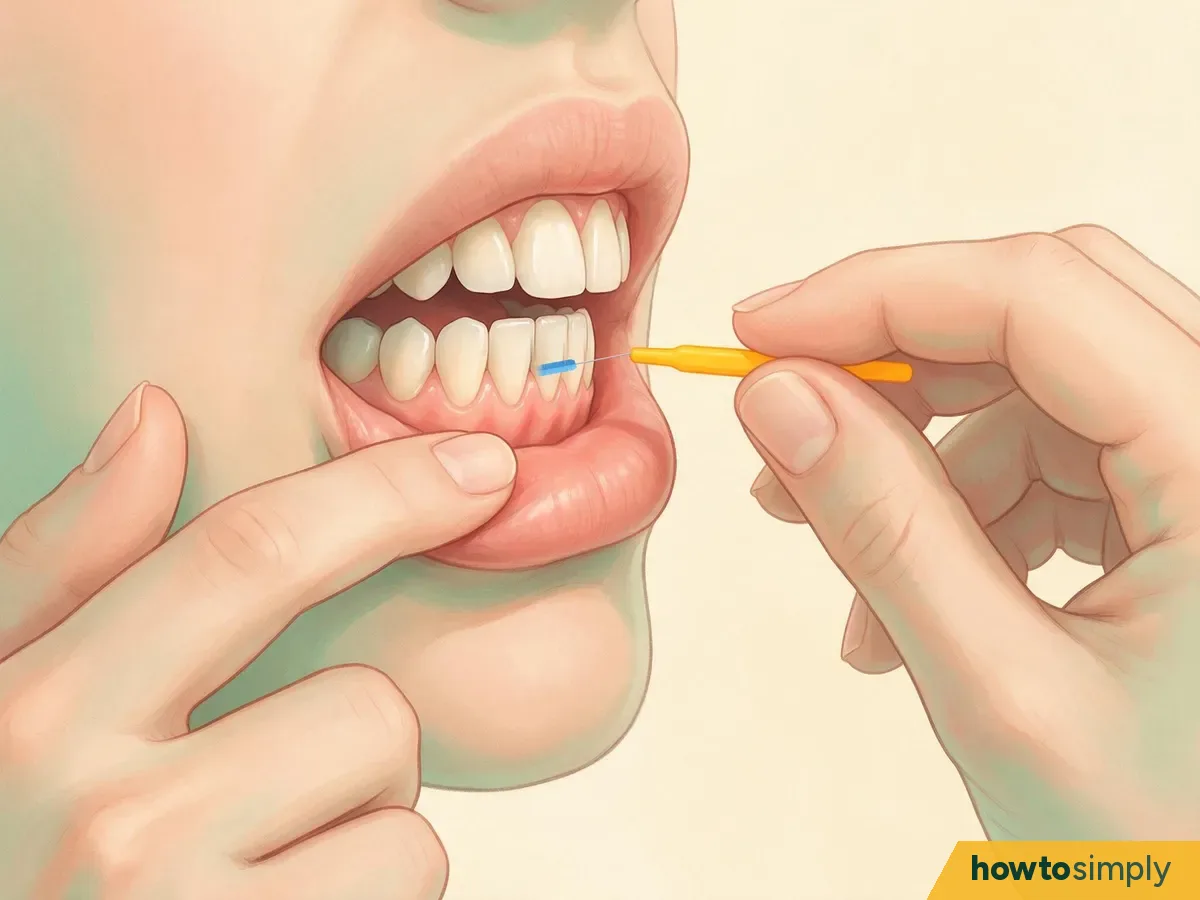
- Clean between your teeth with interdental brushes or single-tufted brushes. Avoid wooden toothpicks, which can damage the gums (NHS).
Questions readers ask
How long should I wait before seeing a dentist?
The NHS says to see a dentist if toothache lasts more than 2 days or doesn't ease with painkillers, and sooner if you have a high temperature, pain when biting, red gums, a bad taste, or a swollen cheek or jaw.
Can my GP or doctor treat toothache?
No. The NHS says GPs can't provide dental treatment, so contact a dentist. If you can't get an emergency appointment in England, call 111.
Can I give a child aspirin for toothache?
No. The NHS says children under 16 should not take aspirin. Ask a pharmacist which painkiller suits them.
When is toothache an emergency?
Go to A&E or the emergency room if the area around your eye or your neck swells, or if swelling makes it hard to breathe, swallow or speak (NHS). Cleveland Clinic also lists a fever over 38.3°C and pain that medication doesn't touch.
What did you think?
Reaction counts are loading.
Spotted a mistake? Menus change with updates, and we want every step to match your screen. Email us about this page or use the contact form. We read every report, and fixes are listed on What changed.
Liked this article?
Follow us for new articles and short how-to videos.
Sources
We use primary, official and specialist sources appropriate to the topic.
- NHS: Toothache (reviewed 1 July 2024)
- Cleveland Clinic: Toothache (updated 11 April 2023)
- NHS: Pregnancy, breastfeeding and fertility while taking ibuprofen
- NHS: Gum disease (reviewed 20 April 2026)
- American Dental Association: New guideline details acute pain management strategies for adolescent and adult dental patients (2024)
- US FDA: Avoid use of NSAIDs in pregnancy at 20 weeks or later (Drug Safety Communication, 15 October 2020)
- KZV Berlin: Zahnärztlicher Notdienst, 4th quarter 2026 (German, PDF)
- NHS: Dental abscess
- NHS: How much NHS dental treatment costs (reviewed 13 March 2025)
- NHS: Who can get free NHS dental treatment or help with dental costs
- NHS: How to keep your teeth clean