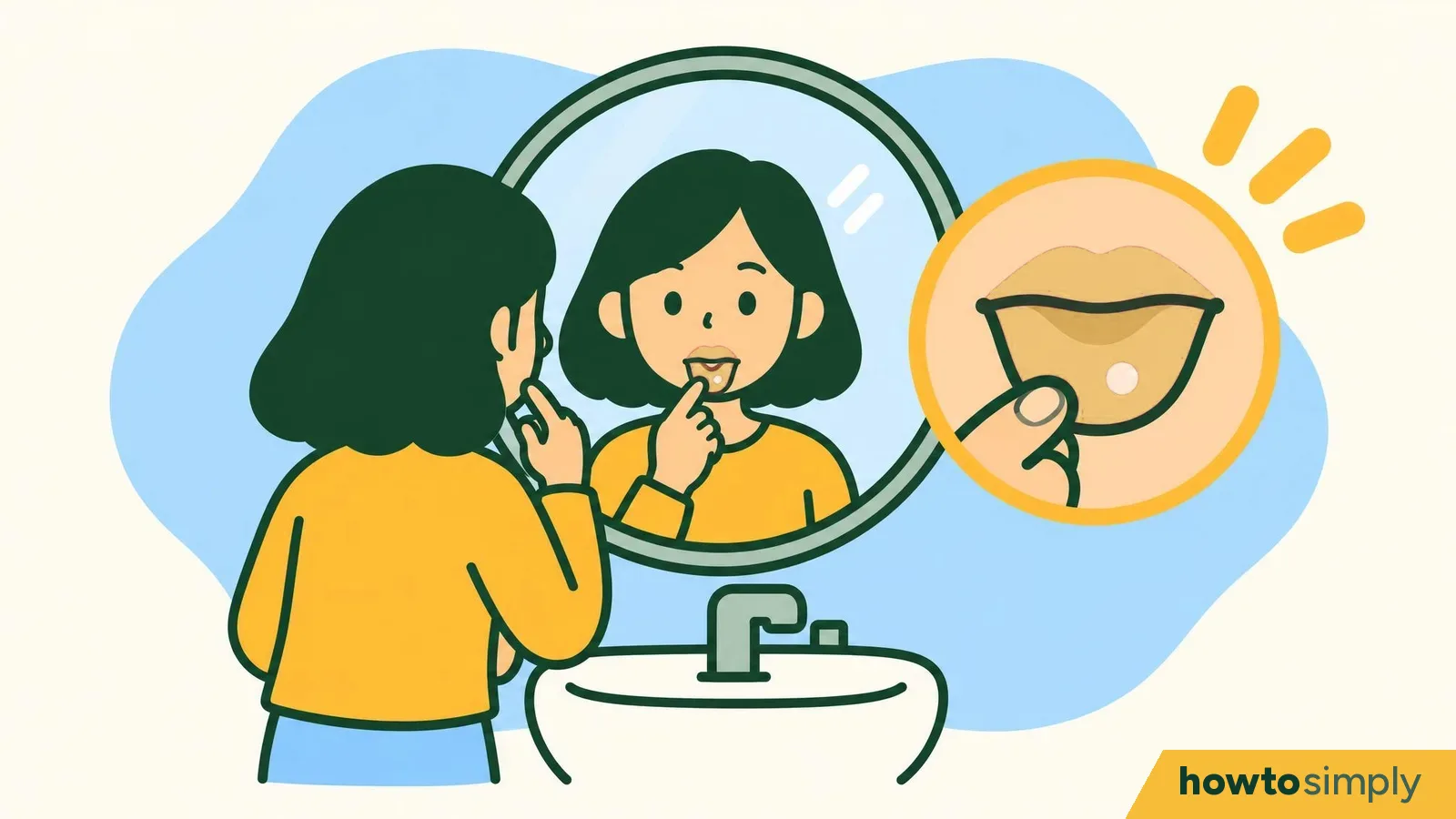
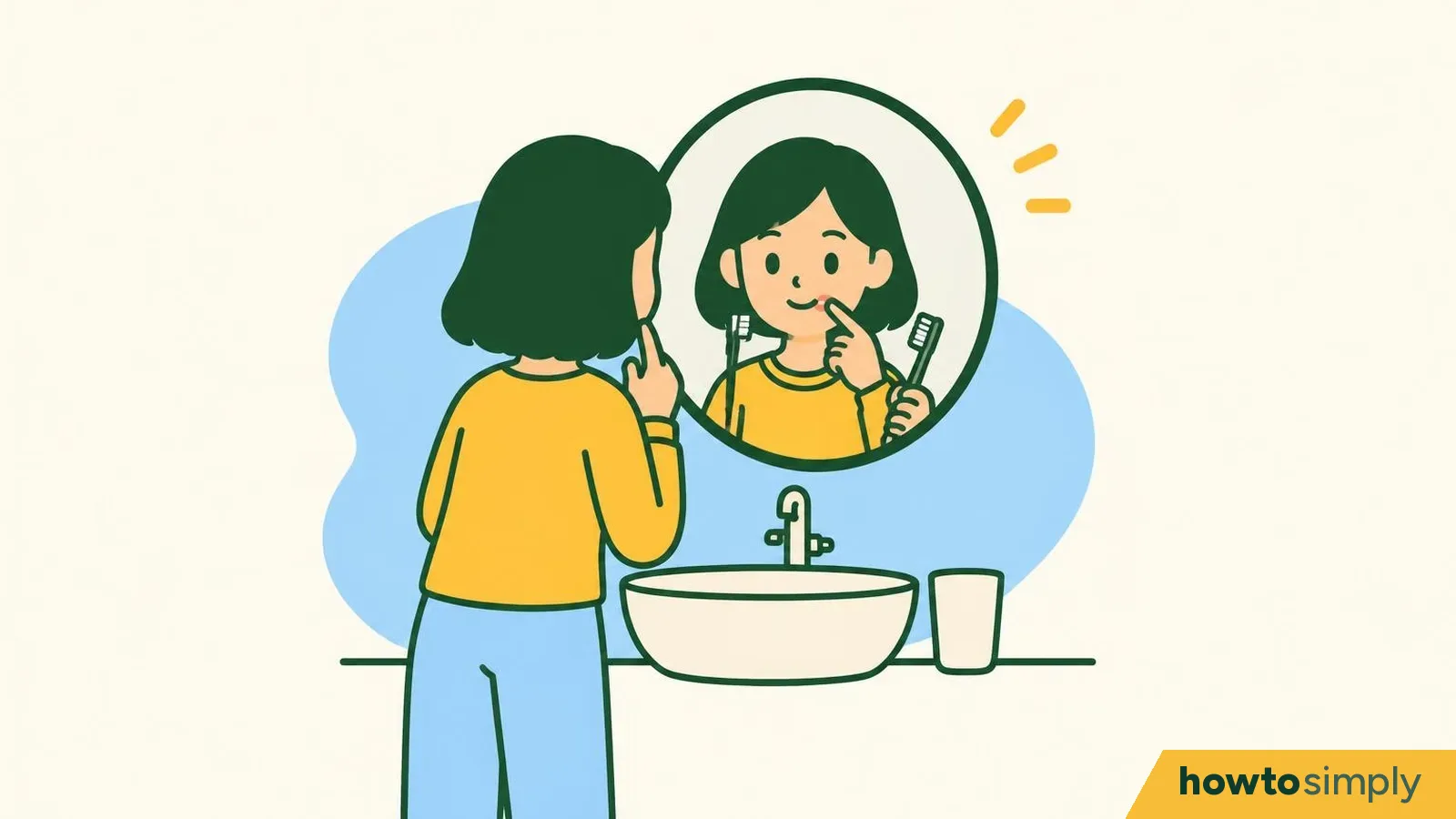
What to do about bleeding gums
Gums that bleed when you brush usually point to plaque at the gum line. Keep brushing gently twice a day, clean between your teeth every day, and book a dentist. Ask for an urgent appointment if a tooth is loose, your gums are very sore and swollen, or you find a lump.
Researched by Abu Bakar SaadatPublished 29 October 2026Last changed 17 November 2026Verified 17 November 2026Version 3See all changes
On this page 14 sections
Information, not professional advice.
Seeing pink in the sink when you brush can give you a real jolt. It's very common, and mild gum disease (gingivitis) can usually be turned around with brushing and flossing every day plus regular cleans from a dentist or hygienist. This guide shows you how, and when a dentist should take a look.
Ask for an urgent dentist appointment if your gums are very sore and swollen, a tooth is loose, or there are ulcers, red patches or a lump anywhere in your mouth or on your lip (NHS). In the UK, call 111 if you can't reach a dentist.
What do you want to do?
Your gums are bleeding now
Press, then spit, don't rinse. Start at Right now.
They bleed every time you brush
Gentle cleaning at the gum line. Go to Clean so they settle.
You're not sure if it's serious
Check the signs and book a dentist. Go to See a dentist.
Right now
Before you start
- Time: A few minutes twice a day for brushing, plus a daily clean between the teeth[1]. Expect 1 to 2 weeks before the bleeding eases after a professional clean[3].
- Who it's for: Gums that bleed when you brush, floss or bite into hard food[1].
- Not for: Heavy or long-lasting bleeding, bleeding that continues after treatment, or bleeding with other unexplained symptoms: contact your doctor[2].
Don't scrub harder.
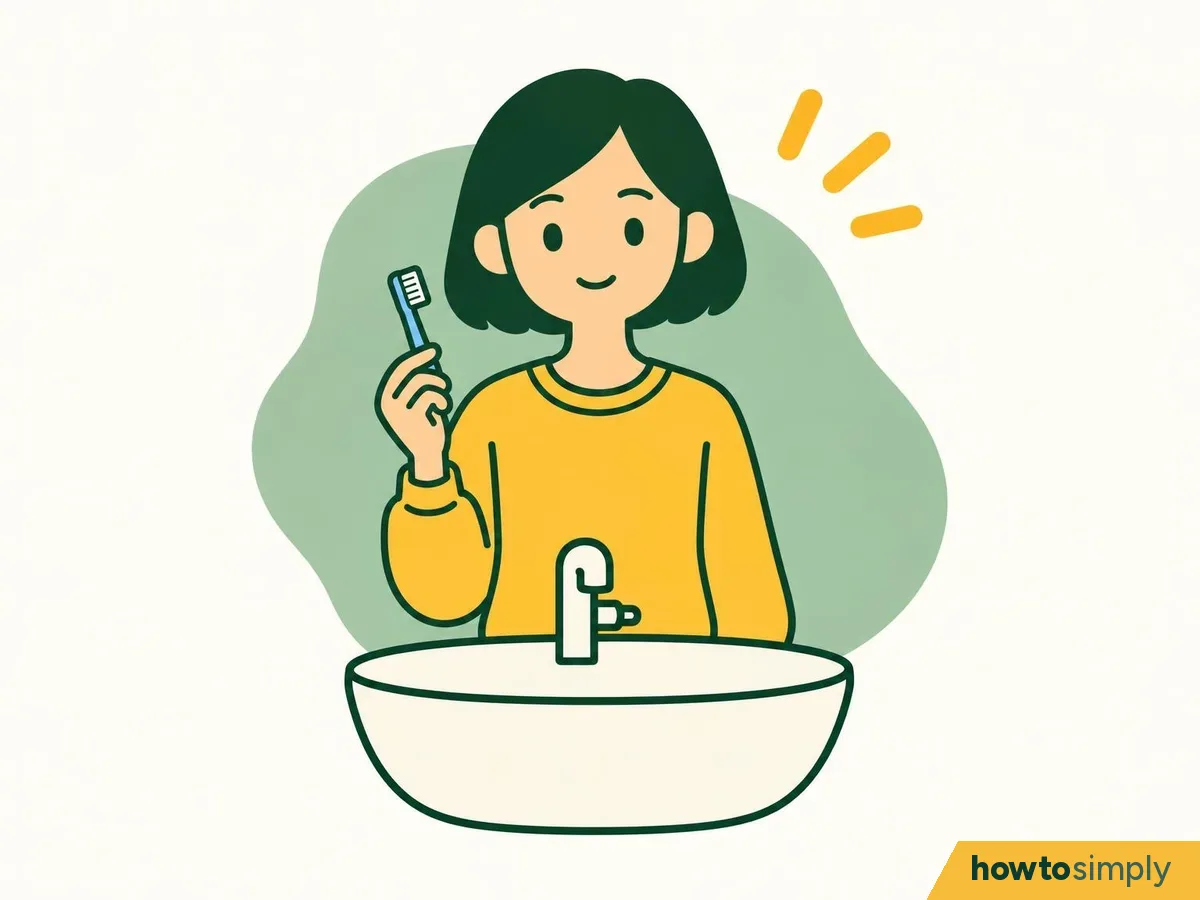
Illustration Brushing too hard is one cause of bleeding gums. Brush gently with a soft-bristled brush instead.
Source
MedlinePlus
If it keeps bleeding, press a pad of ice-cold gauze on the spot.

Illustration To stop gums bleeding, press a gauze pad soaked in ice water firmly against them.
Source
MedlinePlus
Spit out the toothpaste, but don't rinse.
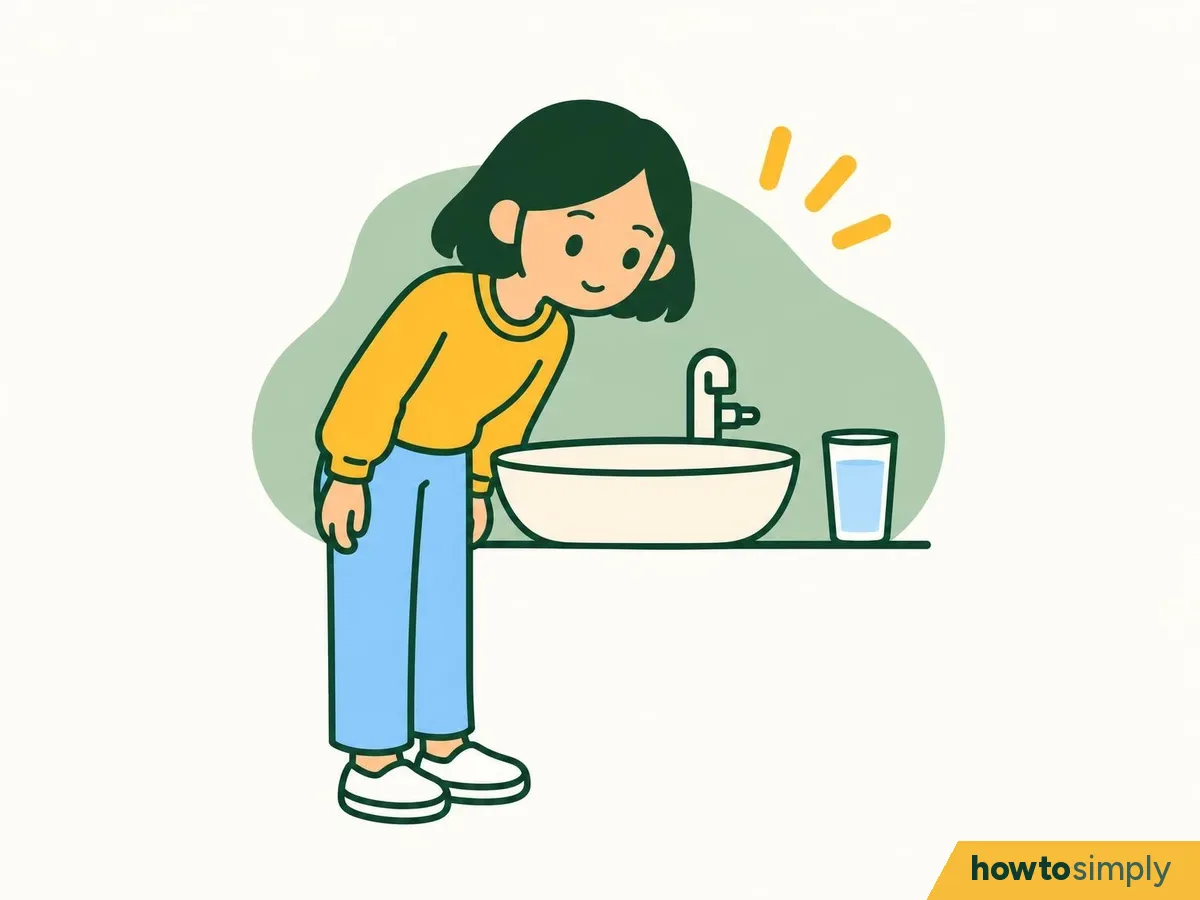
Illustration Spit after brushing, don't rinse, and don't use mouthwash straight after brushing.
Source
NHS
Clean so your gums settle
Brush twice a day or more, gently, with a soft brush.
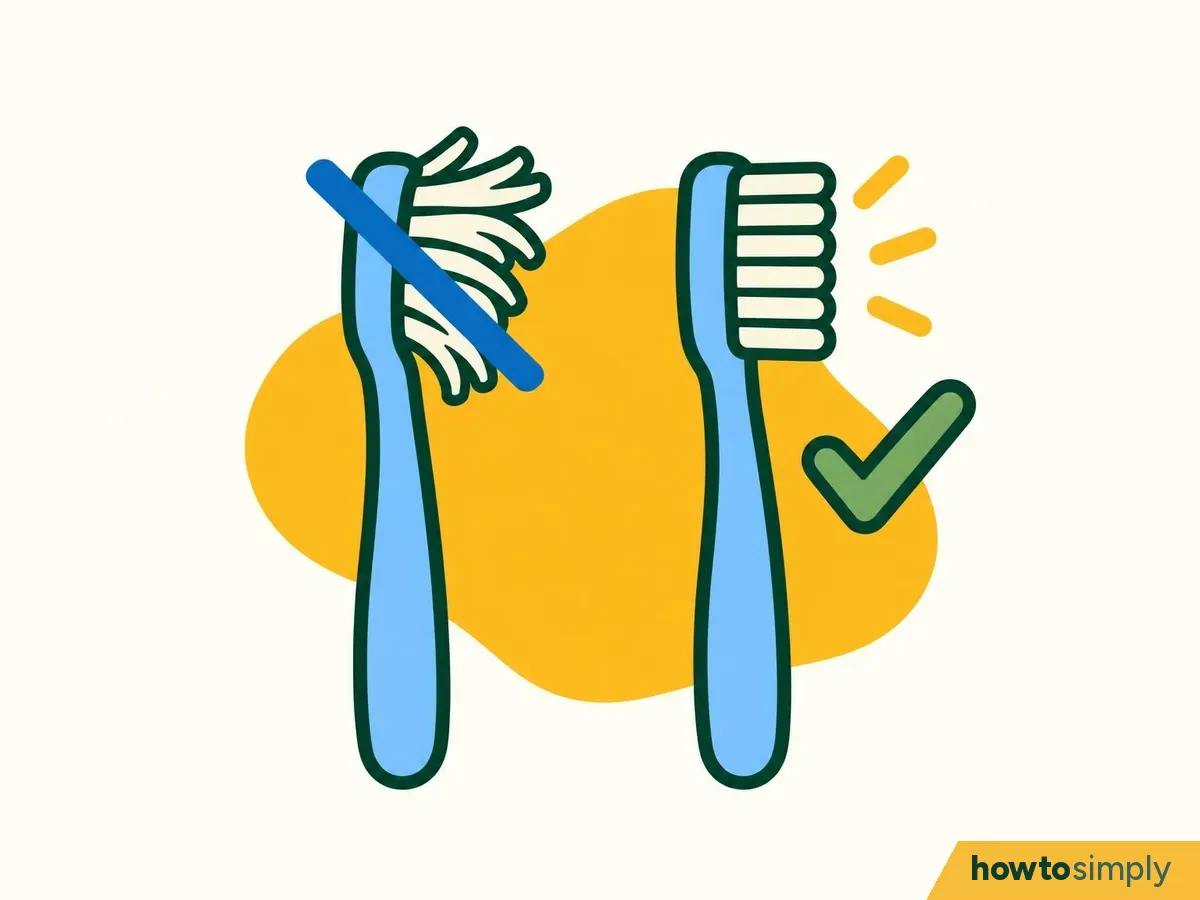
Illustration Brush gently with a soft-bristled brush at least twice a day, ideally after every meal. Use fluoride toothpaste. Pressing too hard won't clean better; it just makes sore gums sorer.
Source
MedlinePlus, NHS
Brush away the plaque at the gum line.
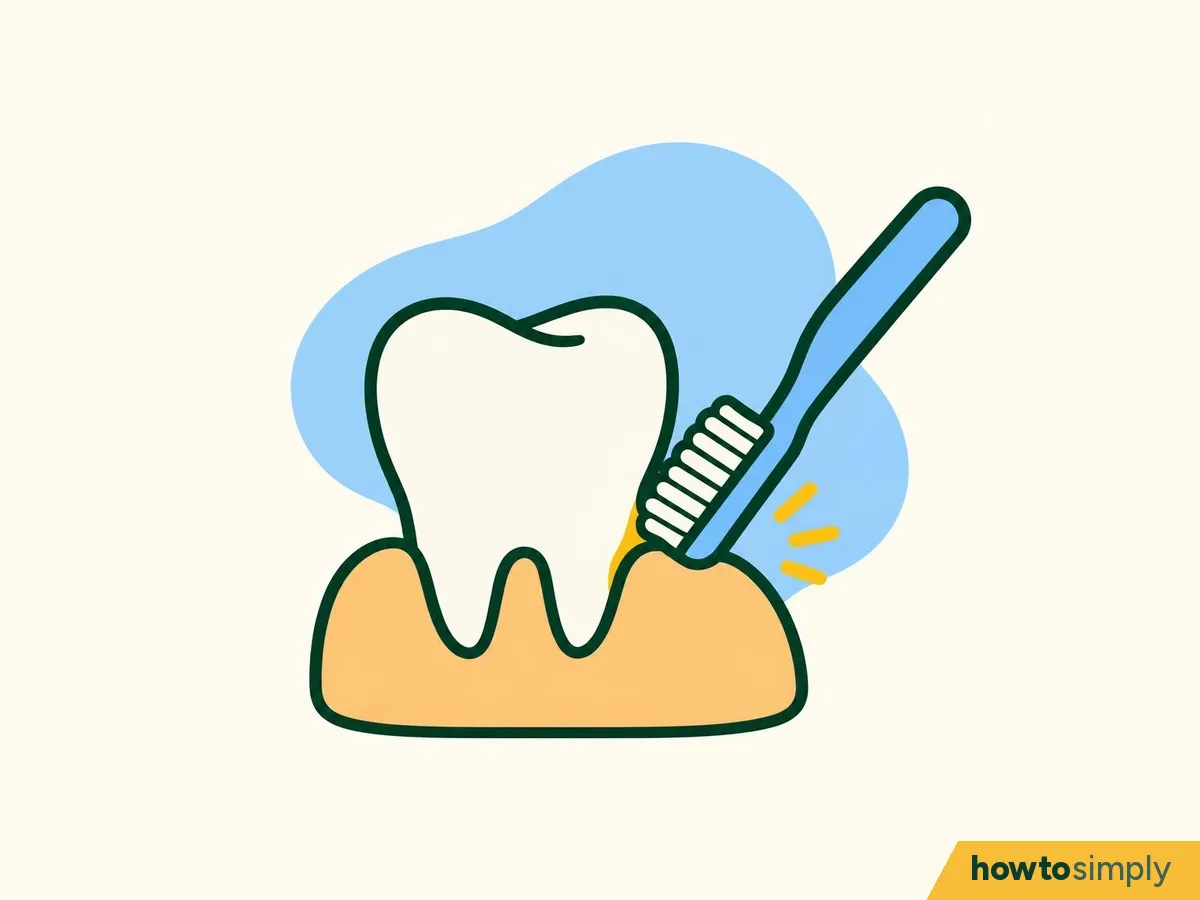
Illustration Plaque collects mainly where the teeth meet the gums, and plaque there is the main cause of bleeding. See how to brush and floss properly for the full method.
Source
gesund.bund.de, MedlinePlus
Clean between your teeth every day.
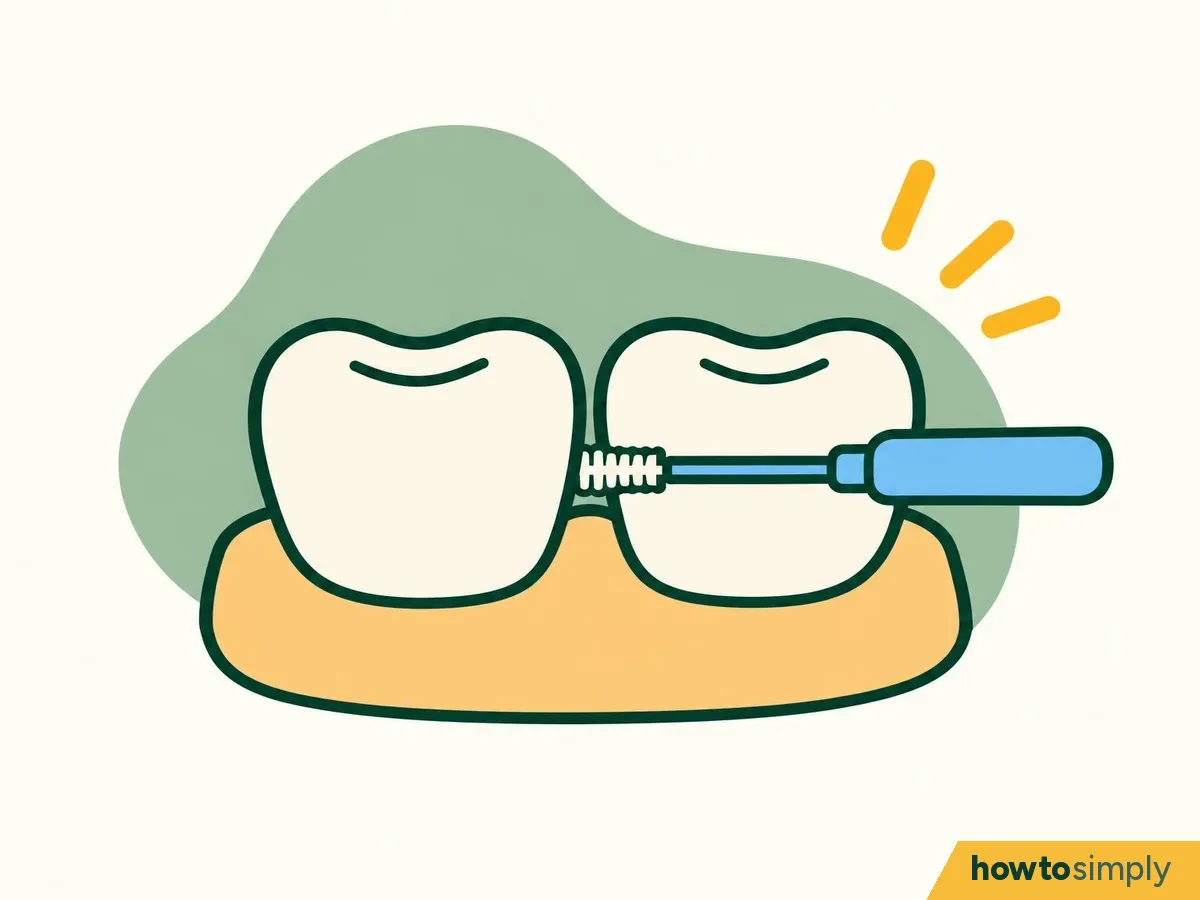
Illustration Use floss or interdental brushes every day. MedlinePlus says to floss at least once a day, and its bleeding-gums page suggests twice.
Source
NHS
Floss the way your dentist shows you, so you don't hurt your gums.
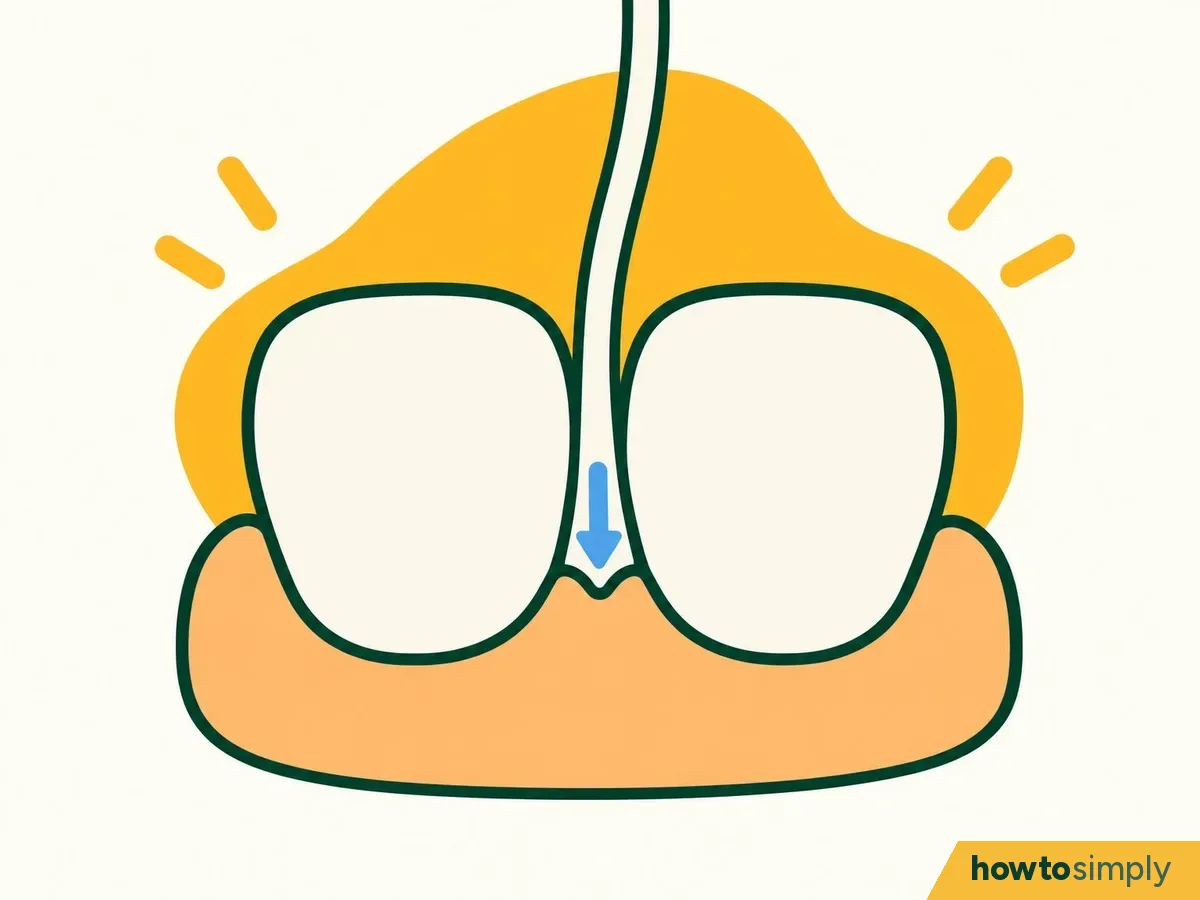
Illustration Flossing the wrong way can make gums bleed. Ask your dentist to show you how to brush and floss without hurting your gums, and stick to it.
Source
MedlinePlus
Keep it up every day, for life.
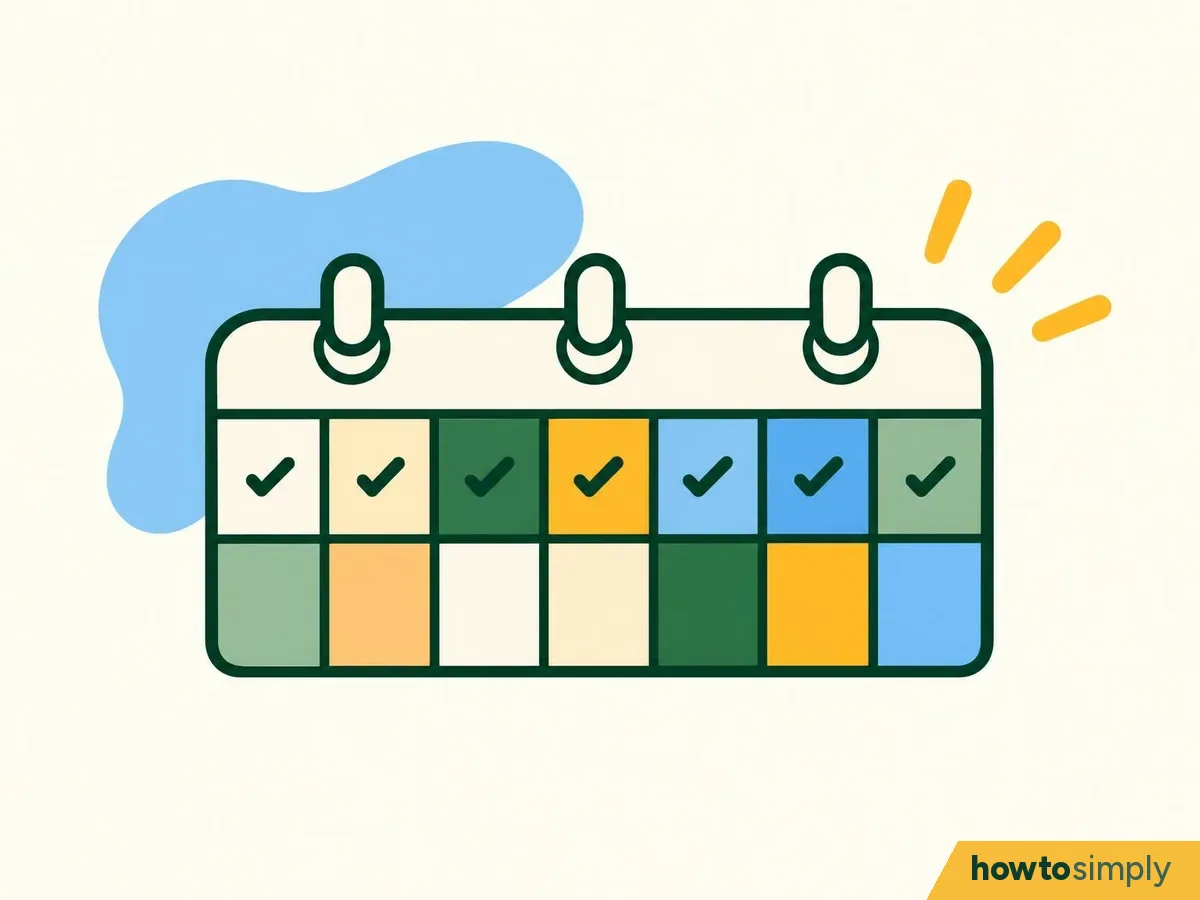
Illustration After a professional clean, and with good care at home, the bleeding and soreness should settle within 1 or 2 weeks. Without cleaning, plaque can irritate the gums again within a few days.
Source
MedlinePlus, gesund.bund.de
Habits that help
Don't smoke.
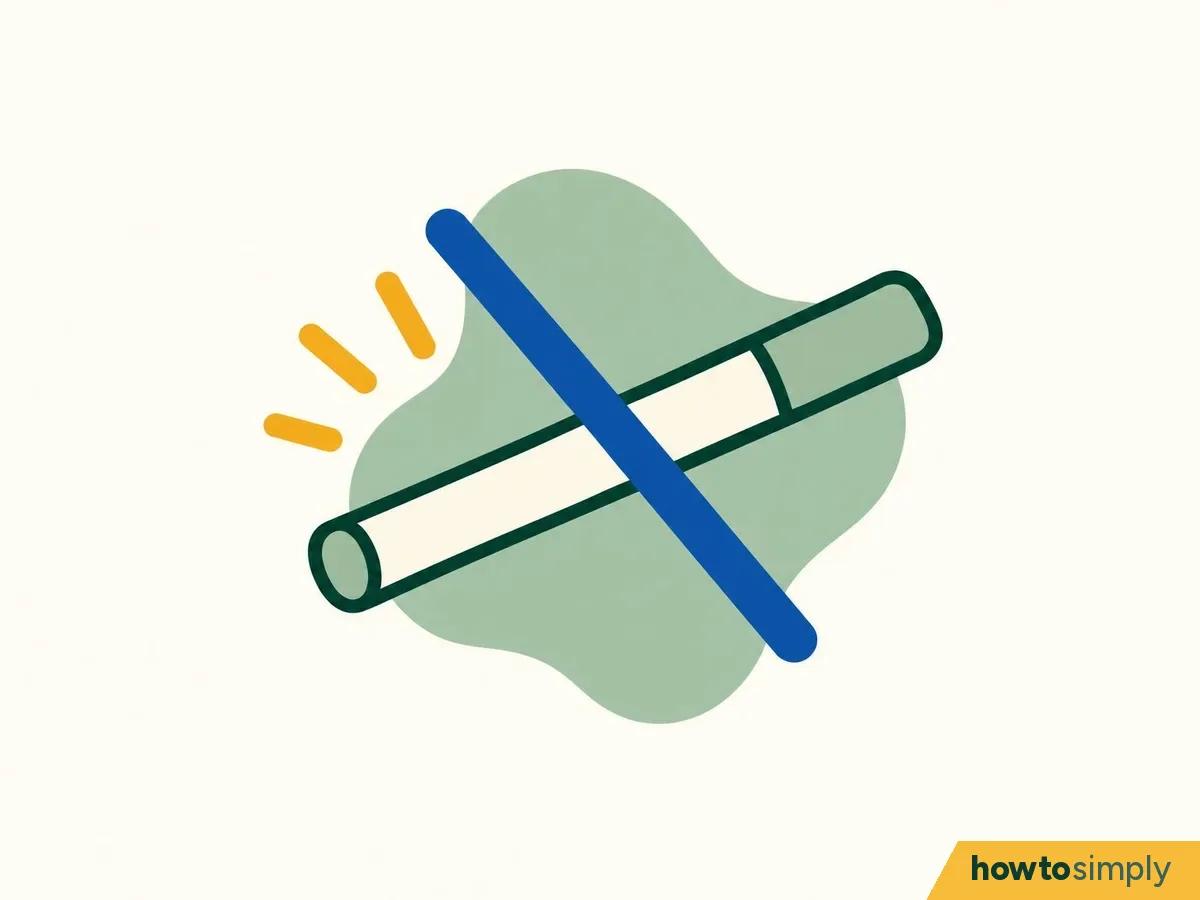
Illustration Tobacco makes bleeding gums worse and can hide other problems, and smoking is a risk for gum disease.
Source
NHS, MedlinePlus, gesund.bund.de
Cut down on snacking between meals.

Illustration MedlinePlus suggests a balanced diet, avoiding snacks between meals and cutting down on carbohydrates.
Check that dentures or braces aren't rubbing.
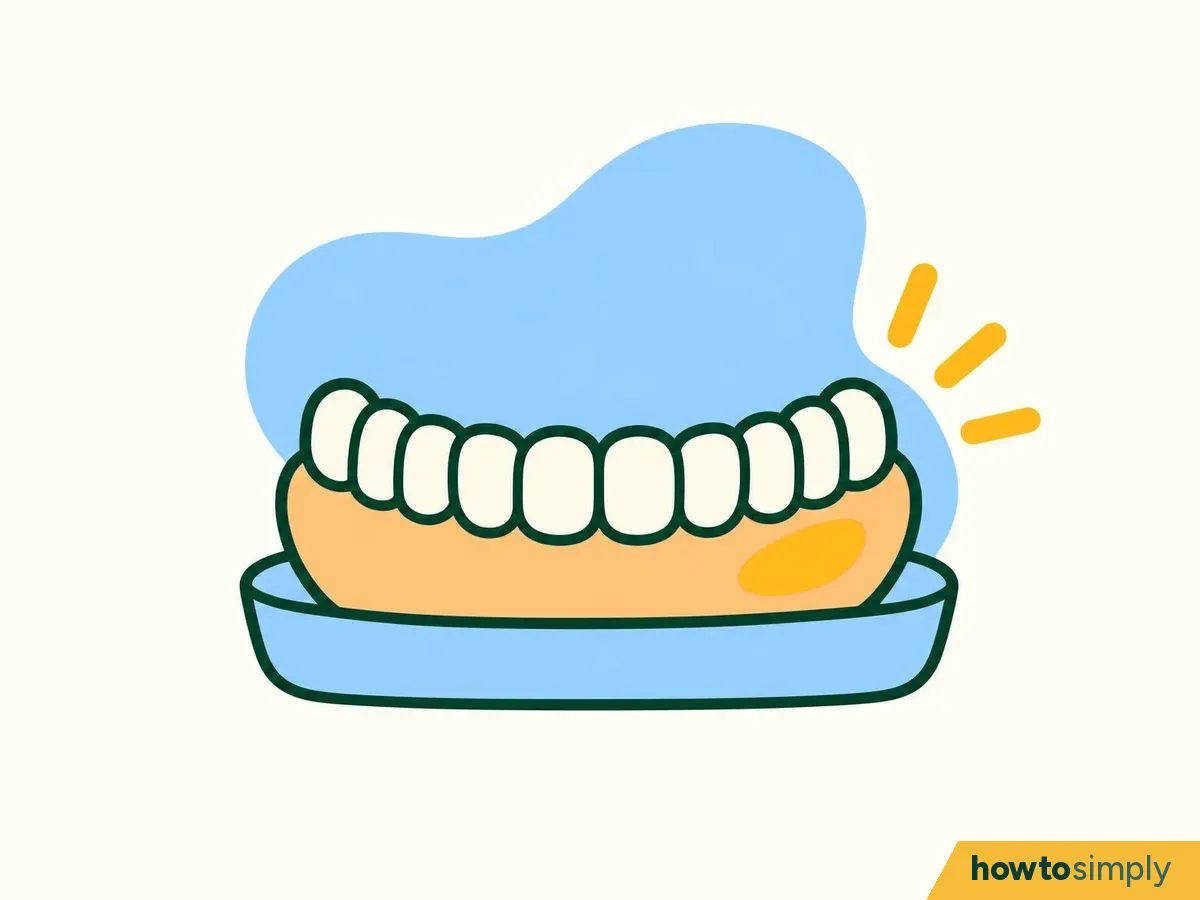
Illustration Badly fitting dentures or other dental appliances can make gums bleed. See your dentist if they don't fit well or cause sore spots.
Source
MedlinePlus
See a dentist
If your gums bleed, hurt or swell, book in with a dentist.
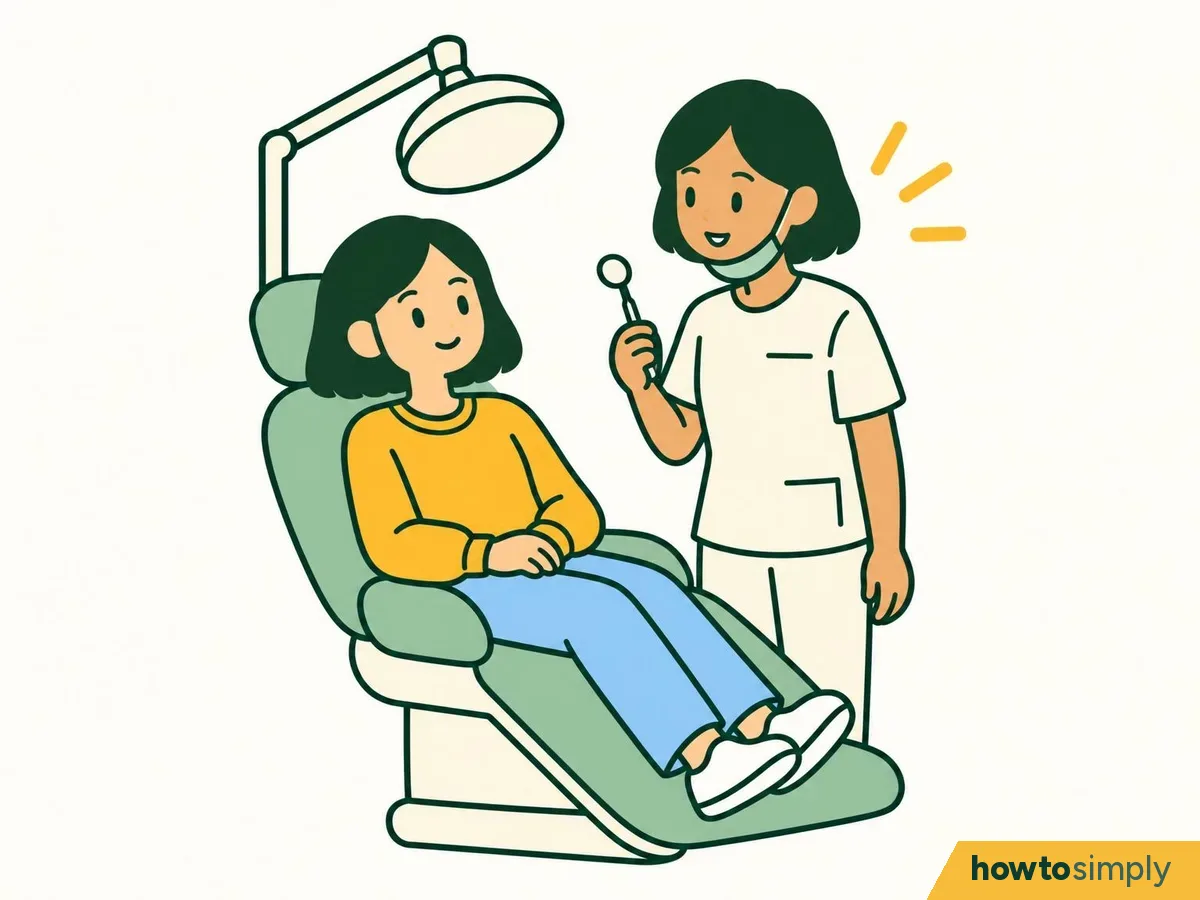
Illustration Book a dentist if brushing or biting into hard food makes your gums bleed, if they hurt and swell, or if you have bad breath. Do the same if your child's gums are sore and bleeding. Gum inflammation often doesn't hurt, so it can go unnoticed. It helps to write down when the bleeding happens before you go.
Source
NHS, gesund.bund.de
Go urgently if a tooth is loose or your gums are very swollen.
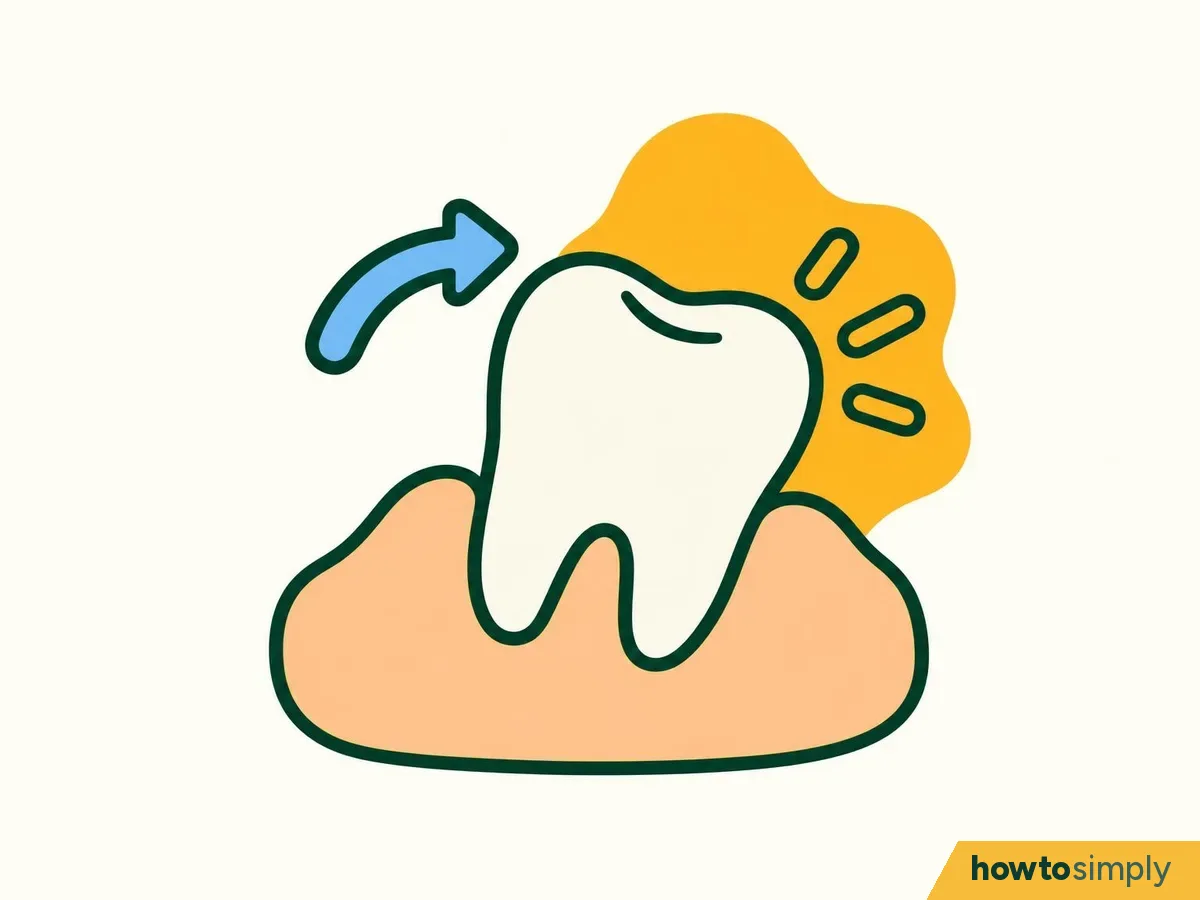
Illustration Ask for an urgent appointment if, along with gum disease, your gums are very sore and swollen, teeth are loose, or there are ulcers, red patches or a lump anywhere in your mouth or on your lip. MedlinePlus says see your provider if bleeding is heavy, goes on for a long time, continues after treatment, or comes with other unexplained symptoms.
Source
NHS
Tell your dentist about any medicines, but don't stop them.

Illustration Blood thinners are one cause of bleeding gums, and some medicines make gums grow so they're harder to clean. Always speak to your doctor before you stop or change any medicine.
Source
MedlinePlus, gesund.bund.de
Keep up regular check-ups and cleaning.
Illustration Tartar (hardened plaque) can only be removed at the dentist. Early gum disease is treated with cleaning advice and a clean by a hygienist. How often you go depends on where you live: see the table.
Source
gesund.bund.de, NHS
How to tell it's getting better
- The bleeding eases within 1 or 2 weeks of gentle daily cleaning and a professional clean.
- Your gums feel less tender.
- You brush twice a day and clean between your teeth every day.
If something isn't right
| What happens | What it means | What to do |
|---|---|---|
| Bleeding goes on for a long time, or continues after treatment | It should be checked | Contact your provider (MedlinePlus) |
| Bleeding is heavy, or comes with other symptoms you can't explain | There may be another cause | Contact your doctor (MedlinePlus) |
What each country says
| UK | Germany | US | |
|---|---|---|---|
| Check-ups | Book a dentist if it's been 2 years since your last check-up, or 1 year for under 18s (NHS) | Check-ups covered twice a year by statutory insurance (gesund.bund.de) | At least every 6 months for plaque removal (MedlinePlus) |
| Tartar and gum checks | Hygienist clean for early gum disease (NHS) | Tartar removal covered once a year; gum screening (PSI) every 2 years (gesund.bund.de) | Professional cleaning twice a year, more often for gum disease (MedlinePlus) |
| Free or covered | Free for under 18s, in pregnancy and for 1 year after birth, and on some benefits (NHS) | Statutory insurance covers the items above; professional cleaning is usually paid at least partly yourself (gesund.bund.de) | No cost details on the pages we used |
| Between teeth | Every day, floss or interdental brushes (NHS) | Interdental brushes or floss (gesund.bund.de) | Floss at least once a day (MedlinePlus) |
| Out of hours | Call your dentist, or 111 (NHS) | Not on the page we used | Not on the pages we used |
Got tooth pain too? See our guide to toothache until you can see a dentist.
When to get your gums checked, by source
| What you notice | NHS, UK [1] | MedlinePlus, US [2][3] | gesund.bund.de, Germany [5] |
|---|---|---|---|
| Gums bleed when you brush or eat hard food | See a dentist | Have a dentist remove plaque at least every 6 months[2] | Inflamed gums often don't hurt, so check-ups twice a year help find it |
| Red, swollen or sore gums | See a dentist | Contact your dentist, especially with no cleaning in the last 6 months[3] | Redness and swelling are signs of gum inflammation |
| Loose teeth, very swollen gums, ulcers, red patches or a lump | Urgent dentist appointment | Not on the pages we used | Loose or shifting teeth come with advanced gum disease |
| Heavy or long-lasting bleeding, or bleeding after treatment | Not on the page we used | Contact your provider[2] | Not on the page we used |
Graphic by howtosimply, from the sources below.
Questions
Can bleeding gums settle on their own?
gesund.bund.de says gum inflammation can go away even without treatment, but if it lasts it can spread into the tissue that holds the teeth, and that does not heal by itself[5]. The NHS says to get it checked by a dentist[1].
Why do I need a professional clean if I brush well?
Plaque that hardens into tartar can only be removed at a dental practice[5], and even careful brushing and flossing may not remove all the plaque[3].
Is dental care free for bleeding gums in the UK?
NHS dental treatment is free for under 18s, under 19s in full-time education, during pregnancy and for 12 months after a birth, and for people on some benefits. Others usually pay.[1]
Can my medicines make my gums bleed?
Blood thinners are one cause[2], and some medicines make the gums overgrow so they are harder to keep clean[5]. Never change or stop a medicine without speaking to your doctor first[2].
What is a gum check in Germany?
People with statutory insurance can have a periodontal screening (PSI) every 2 years, where the dentist uses a probe to check each tooth for gum pockets.[5]
Are bleeding gums serious?
They can be a sign of gum disease. Its mild form, gingivitis, can usually be turned around with brushing and flossing every day plus regular cleans from a dentist or dental hygienist (MedlinePlus). If it goes on, it can spread to the tissue that holds the teeth (gesund.bund.de), so get it checked.
Why do my gums bleed more in pregnancy?
Hormone changes in pregnancy make gums more sensitive (MedlinePlus, gesund.bund.de). In the UK, NHS dental care is free while you're pregnant and for 1 year after the birth.
Does mouthwash or salt water help?
Ask your dentist before using a rinse. MedlinePlus says your dentist may suggest a salt water rinse or a rinse made for gum problems; check with them first, as some rinses have alcohol in them. The NHS says not to use mouthwash straight after brushing.
The pictures on this page are illustrations, not photos.
How we know this: sources, checks and every change
Current advice
Brush gently twice a day, clean between your teeth daily, don't smoke, and see a dentist; go urgently for loose teeth, very swollen gums, ulcers, red patches or a lump.[1][2][5]
Information, not professional advice.
Latest update
17 November 2026. We re-read all five sources today. The advice has not changed. The NHS gum disease page is dated 20 April 2026, both MedlinePlus articles 5 February 2026, and the gesund.bund.de article 28 August 2024.
What changed in this version
- The page now opens with key facts, and adds a table of when to get your gums checked by source, where the sources agree and differ, and this record history.
Key facts
- The main cause of bleeding gums is plaque building up where the teeth meet the gums.[2][5]
- Mild gum disease (gingivitis) can usually be reversed with daily brushing and flossing plus regular cleans by a dentist or hygienist.[4]
- Bleeding and tenderness should ease within 1 or 2 weeks of a professional clean, with good care at home.[3]
- Brush gently with a soft brush at least twice a day, spit without rinsing, and clean between your teeth every day.[1][2]
- To stop gums bleeding, press a gauze pad soaked in ice water firmly on the spot.[2]
- Plaque left in place can inflame the gums within a few days, and once it hardens into tartar only a dental practice can remove it.[5]
- Ask for an urgent dentist appointment for very sore and swollen gums, loose teeth, ulcers or red patches, or a lump in the mouth or on the lip.[1]
- Brushing too hard, flossing the wrong way, badly fitting dentures, pregnancy hormones and blood thinners can all make gums bleed.[2]
What the sources agree on
- Plaque is the main cause of gum inflammation and bleeding.[1][2][3][5]
- Brush at least twice a day and clean between your teeth regularly.[1][2][3][5]
- Smoking raises the risk of gum disease or makes bleeding worse.[1][2][3][5]
- Pregnancy can make gums more prone to problems.[1][2][3][5]
- Professional cleaning is part of treatment, because home care can't remove everything.[1][3][5]
Where the sources differ, or nothing is confirmed
- How often to floss: the NHS and the MedlinePlus gingivitis page say every day or at least once a day[1][3]; the MedlinePlus bleeding gums page suggests twice a day[2].
- How often to see a dentist: the NHS says book in if it has been 2 years since your last check-up, or 1 year for under 18s[1]; MedlinePlus says at least every 6 months[2][3]; in Germany, statutory insurance covers check-ups twice a year[5].
- Mouthwash: the NHS says not straight after brushing[1]; MedlinePlus says your dentist may suggest a salt water rinse, a hydrogen peroxide rinse or a gum rinse, and to ask first as some contain alcohol[2].
- Not from a source: the tip to write down when the bleeding happens before your appointment is our own suggestion.
Record history
- Version 3. Converted to the record format: key facts, a table of when to get checked, agree and differ lists. All five sources re-read.
- Version 2. Released to readers after checking.
- Version 1. First version written with 17 illustrations, held back from readers while it was checked.
Sources
- NHS: Gum disease (reviewed 20 April 2026). Read 17 November 2026.
- MedlinePlus: Bleeding gums (reviewed 5 February 2026). Read 17 November 2026.
- MedlinePlus: Gingivitis (reviewed 5 February 2026). Read 17 November 2026.
- MedlinePlus: Gum disease. Read 17 November 2026.
- gesund.bund.de (Federal Ministry of Health, with IQWiG): Zahnfleischentzündung und Parodontitis (German, 28 August 2024). Read 17 November 2026.
Sources and method
- Researched by
- Abu Bakar Saadat
- Pictures
- 17 illustrations drawn for this article: drawings, not photos.
- Sources
- Steps checked against the 5 named sources linked below.
- What this page adds
- A close-up of angling the bristles at the gum line, a drawing of easing floss down without snapping it, and a UK, Germany and US table on check-ups and what is covered.
- What we checked
- On 17 November 2026 we re-read the NHS gum disease page, the three MedlinePlus pages and the gesund.bund.de article, and checked each step, number and table cell against them.
What to do next
Look after your teeth and gums Step 2 of 5
- Mouth ulcer: how to ease the pain and help it healWhat helps an ulcer heal, and when to see someone.
- Toothache: what to do until you can see a dentist, and when it is an emergencyWhat to do until you can see a dentist.
- Knocked-out tooth: what to do in the first hour to save itMinutes matter. Read it before it happens.
Did this solve the problem?
Where did you get stuck?
Get new guides by email
Our newest guides, sent to your inbox. Free, and you can unsubscribe in one click.
We'll email you to confirm. How we use your email
Follow howtosimply on Facebook
We share every new article on our Facebook page, so the next fix turns up in your feed.
Follow on FacebookWhat did you think?
Reaction counts are loading.