13 things to sort before your parents need care
Reviewed by Sonia Abu Bakar✓, MSc Botany
By Abu Bakar Saadat7 min readPublisher: Saadat Rafiq
Last updated: 8 November 2026References
 Illustration
On this page 8 sections
In short
A lasting power of attorney takes weeks to register, and your parent can only make one while they can still decide for themselves. Here is the paperwork, the free council assessments and the helplines to sort now, while it is still a calm conversation.
At a glance
- Registration time
- 8 to 10 weeks if there are no mistakes (GOV.UK)
- Fee
- £92 per LPA, £184 for both types
- Deadline
- Your parent must have mental capacity when they make it
- Council help
- A needs assessment is free and anyone can ask (NHS)
- OPG helpline
- 0300 456 0300
- Checked
- November 2026
It was a Tuesday when Ramesh missed the bottom stair. Nothing broken, thank goodness, but he spent three nights on a ward. On the second night, Meera rang the bank to move a bill payment he'd been fretting about. They told her, politely, that they could only speak to the account holder. Kusum, it turned out, had quietly been doing all the shopping, the pills and the stairs for months.
On the drive home, Meera said what everyone had been avoiding: "We need to sort this out before the next time."
Here are the 13 things the family did over the next two months, using official guidance from GOV.UK and the NHS. The lasting power of attorney rules apply in England and Wales, and the council care rules here are for England. Scotland and Northern Ireland have their own systems. This is general information, not legal advice.
The legal bit: lasting power of attorney
1. Know there are two kinds

A lasting power of attorney (LPA) lets someone, the "donor", appoint one or more people, the "attorneys", to make decisions for them. GOV.UK describes two types. A health and welfare LPA covers things like daily routine, medical care and moving into a care home. A property and financial affairs LPA covers bank accounts, bills, pensions and selling a home. Your parent can make one or both.
2. Do it while your parent can still decide

This is the hidden deadline, and nobody knows when it passes. The donor must be 18 or over and have mental capacity when they make the LPA. The health and welfare LPA can only be used once they can't decide for themselves. The property and finance one can be used as soon as it's registered, with their permission.
3. Choose the attorneys together, out loud

You can have more than one attorney, and GOV.UK says that if you do, you must decide whether they make decisions together or separately. Talk about who's good at what. Kusum picked Meera for money, because she has a spreadsheet for everything, and both children for health.
Try saying: "We're not planning for the worst, Dad. We're making sure it's your wishes we follow if you ever can't tell us."
4. Start now, because registration isn't instant

GOV.UK says registering an LPA with the Office of the Public Guardian (OPG) takes 8 to 10 weeks if there are no mistakes, and it's usually quicker if you make it and pay online. Until it's registered, nobody can use it.
5. Budget £92 per LPA

Applying to register costs £92, so £184 if you want both types. You can pay by card or cheque. If the donor earns less than £12,000 you can apply for a reduction, and they may be able to get an exemption if they're on certain benefits. If there's a mistake on the form, OPG may let you correct it and apply again within three months for £46.
6. Get the signatures exactly right

Everyone signs the same original document: the donor, the attorneys, the witnesses and a "certificate provider", who confirms the donor understands the LPA and is making it by choice. No copies and no digital signatures. Witnesses must be 18 or over, and an attorney can't witness the donor's signature. Ramesh signed first, at the kitchen table, with his good pen. Mr Hughes from next door was the witness.
7. Tell the "people to notify"

If the LPA names people to be told about it, send each of them form LP3 before you register. They then have three weeks to raise any concerns with OPG. If you use the online service, it fills in the LP3 forms for you.
Stuck? The OPG helpline is 0300 456 0300 (Monday, Tuesday, Thursday and Friday 9am to 5pm, Wednesday 10am to 5pm).
Getting help from the council
8. Ask for a free needs assessment
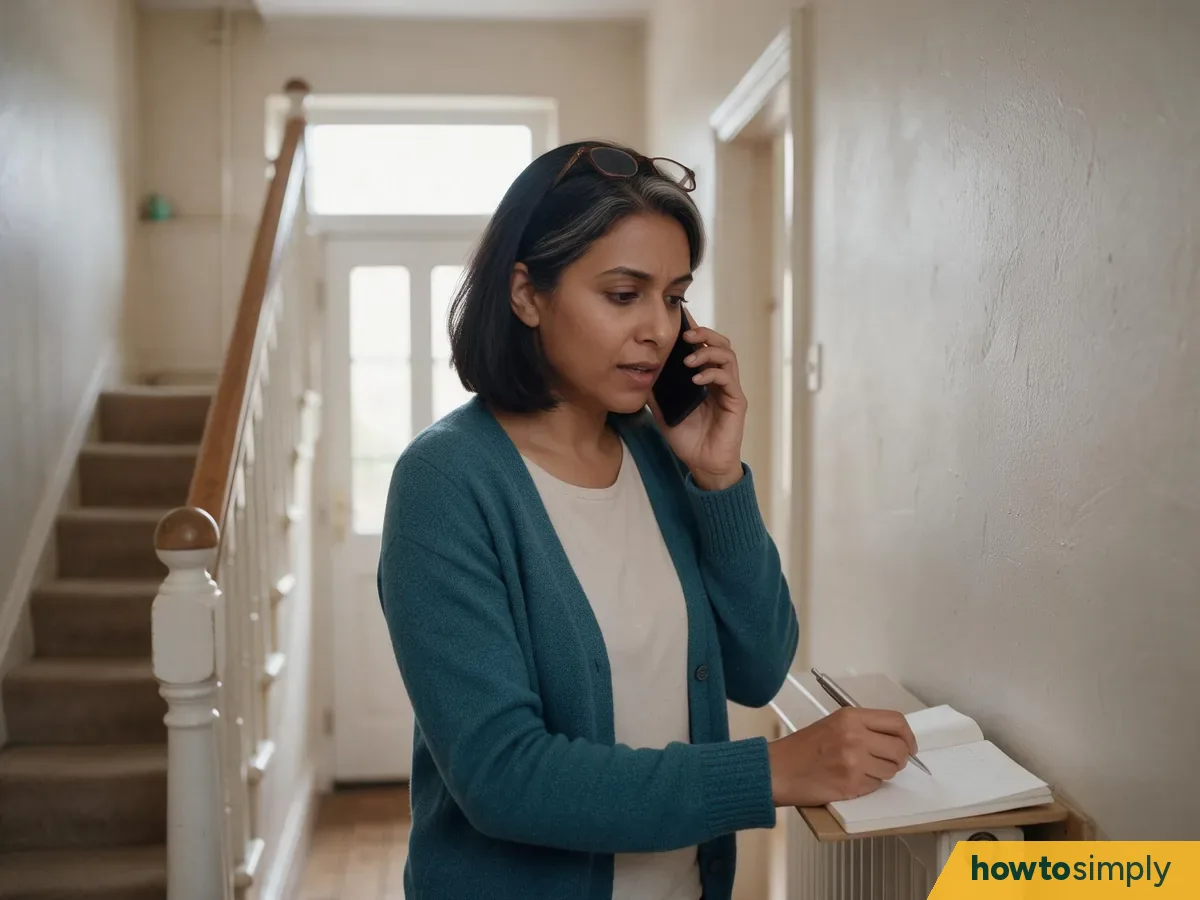
The NHS says that if someone needs help coping day to day, the first step is a needs assessment from the local council. It's free, anyone can ask for one, and you can request it by phone or online. It's the way in to things like a personal alarm, grab rails, a paid carer or day centres.
9. Don't let your parent play it down

The NHS advises giving as much detail as you can about every everyday task your parent struggles with, even small ones like turning taps on and off, because leaving things out might reduce the care recommended. Have a relative there to take notes.
Ramesh told the assessor he was "absolutely fine". Kusum, without looking up from her crossword, said: "Tell her about the bath."
10. Expect a means test
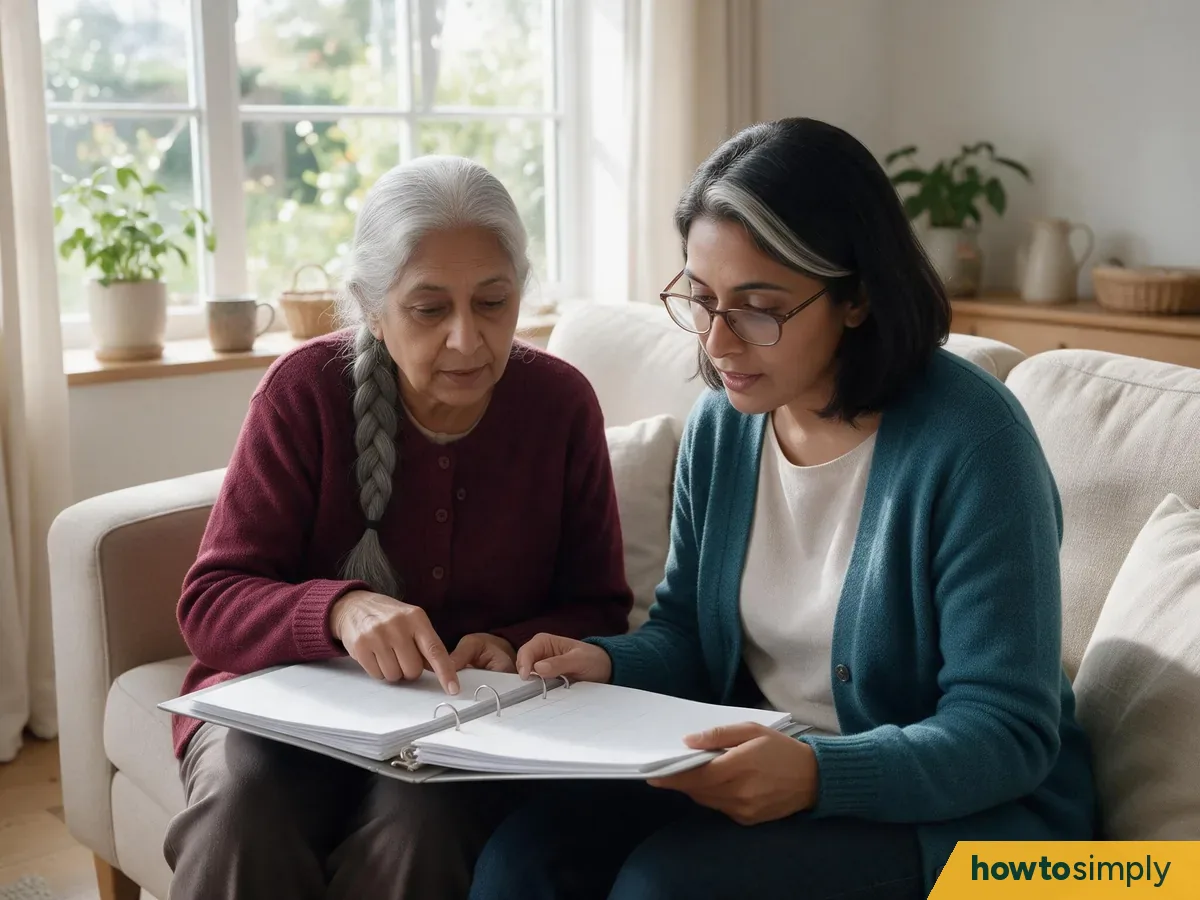
The NHS says people are generally expected to pay towards social care. If the assessment finds your parent needs help, a financial assessment, or means test, follows to see whether the council will pay towards it. Better to find out now than in a crisis.
Looking after the carer
11. Get a carer's assessment, too
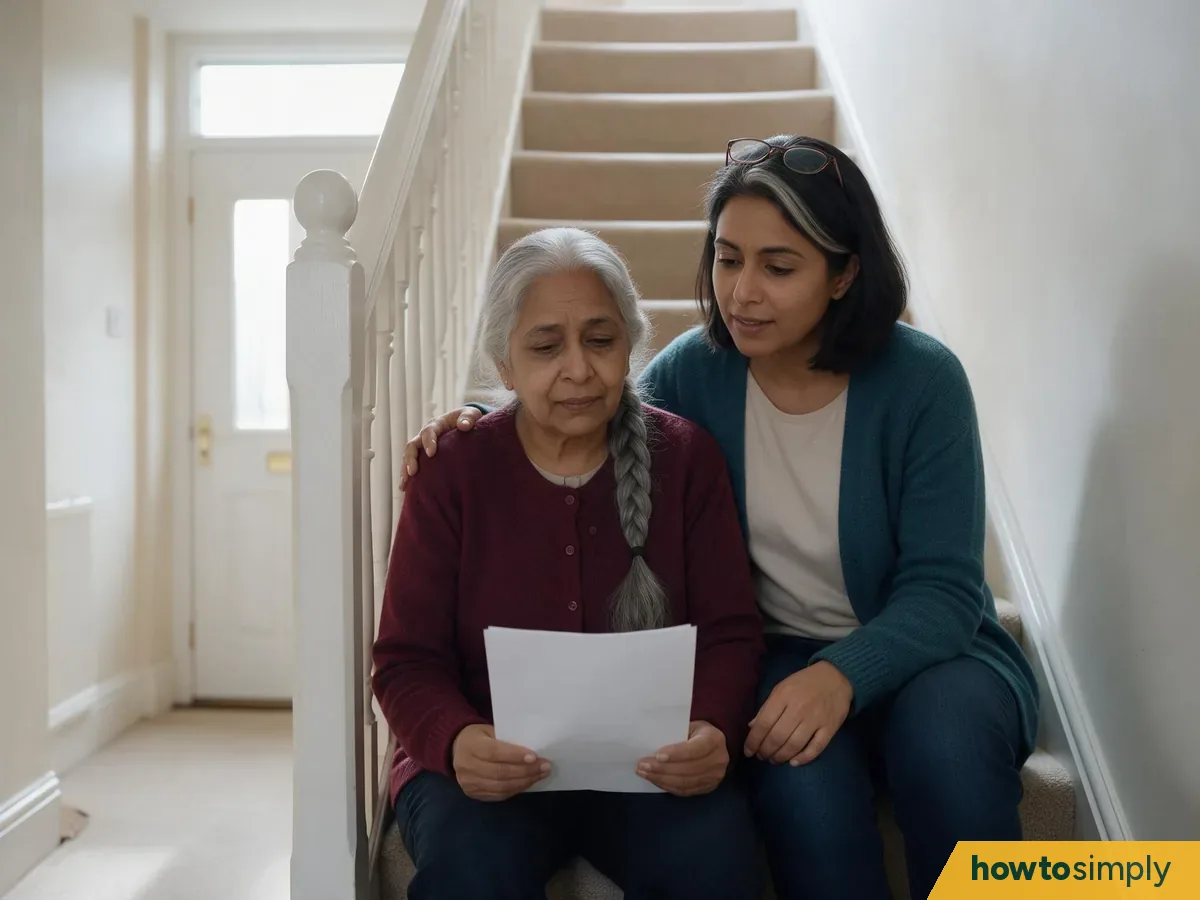
If you regularly help someone because they're older, ill or disabled, you're a carer. That includes shopping, lifts to appointments and sitting with them. The NHS says a carer's assessment is free for anyone over 18. It's separate from the needs assessment, but you can ask for both at the same time. It might recommend things like a break from caring, help with housework or a local support group.
Kusum had never thought of herself as a carer. She is one.
12. Save the helplines now

The Age UK Advice Line is free on 0800 678 1602, 8am to 7pm, 365 days a year, for older people and their families, friends and carers. The NHS also lists Carers UK (0808 808 7777) and Independent Age (0800 319 6789). Nikhil, Meera's brother in Manchester, put all three in the family group chat.
13. Know you can push back

If you disagree with an assessment, the NHS says to complain to the council first, then to the Local Government and Social Care Ombudsman. And if your parent doesn't qualify for help, the council should still give free advice about support in your community. Ask if it doesn't.
LPAs and council help at a glance
| What | Key fact | Who says so |
|---|---|---|
| Health and welfare LPA | Only used when your parent can't make their own decisions | GOV.UK |
| Property and financial affairs LPA | Can be used as soon as it's registered, with your parent's permission | GOV.UK |
| Registration time | 8 to 10 weeks if there are no mistakes | GOV.UK |
| Registration fee | £92 per LPA, £184 for both (reductions if income is under £12,000) | GOV.UK |
| Fixing a mistake | Reapply within 3 months for £46, depending on the mistake | GOV.UK |
| People to notify | 3 weeks to raise concerns after getting form LP3 | GOV.UK |
| Needs assessment | Free, and anyone can ask the council for one | NHS |
| Carer's assessment | Free for anyone over 18, and can be done with the needs assessment | NHS |
Source: GOV.UK, Make, register or end a lasting power of attorney (read 8 November 2026); NHS, Getting a care needs assessment and Carer's assessments (read 8 November 2026).
Before-the-crisis checklist
- We've talked about both types of LPA and who the attorneys will be.
- The forms are signed on one original, and registration (£92 each) is under way.
- We've asked the council for a needs assessment and listed every small struggle.
- The main family carer has asked for a carer's assessment.
- The Age UK, Carers UK and OPG numbers are saved in everyone's phone.
If it's urgent
- If someone has had a fall and is badly hurt, can't get up or is struggling to breathe, call 999.
- If you're worried an older person is being abused or neglected, contact the adult social services or safeguarding team at their local council. Call 999 if they're in danger.
- If you're worried about how an attorney is acting, you can report a concern to the Office of the Public Guardian on GOV.UK.
- Caring can be lonely. If you're struggling to cope, Samaritans are free, any time, on 116 123.
Your turn: what's the one conversation you wish your family had had before a parent got ill? Tell us in the comments. Someone's dreading theirs this weekend.
Questions readers ask
Can I make a lasting power of attorney for my parent?
No. Your parent, the "donor", has to make it and must have mental capacity when they do. You can help, though. GOV.UK says a family member, friend or solicitor can use the online service or fill in the paper forms for them, and you can be named as an attorney.
How long does it take to register a lasting power of attorney?
GOV.UK says registering with the Office of the Public Guardian takes 8 to 10 weeks if there are no mistakes, and it is usually quicker if you make it and pay online. It cannot be used until it is registered.
How much does a lasting power of attorney cost?
Applying to register costs £92 per LPA, so £184 for both types. You can apply for a reduction if the donor earns less than £12,000, and possibly an exemption if they get certain benefits.
What happens if my parent loses capacity before making one?
Then they cannot make an LPA, which is why the timing matters. In England and Wales, a relative or friend can instead apply to the Court of Protection to become their deputy, which GOV.UK explains on its "Become a deputy" page. Ask the Office of the Public Guardian on 0300 456 0300 if you are unsure.
Do we have to pay for council care?
Often, at least in part. The NHS says people are generally expected to pay towards social care. If a needs assessment finds your parent needs help, a financial assessment (a means test) follows to see whether the council will pay towards it.
Did this solve the problem?
What needs work?
What did you think?
Reaction counts are loading.
Sources
We use primary, official and specialist sources appropriate to the topic.
- GOV.UK: Make, register or end a lasting power of attorney
- GOV.UK: Make a lasting power of attorney
- GOV.UK: Register a lasting power of attorney
- GOV.UK: Deputies, make decisions for someone who lacks capacity
- GOV.UK: Report a concern about an attorney, deputy or guardian
- NHS: Getting a care needs assessment
- NHS: Carer's assessments
- NHS Safeguarding: How to raise a safeguarding concern
- Age UK: Our services
- Samaritans: Contact us