How to help a child who is being bullied: 13 steps
By howtosimply staff8 min read
Last updated: 13 November 2026References
 Illustration
On this page 9 sections
In short
The pencil case keeps going "missing". The tummy ache only happens on school days. If you think your child is being bullied, here is how to spot it, talk about it, get the school to act and know when it is a police matter.
At a glance
- No single sign
- A cluster of signs is worth a calm conversation (NSPCC)
- First contact
- Class teacher, form tutor or head of year (NSPCC)
- The law in England
- State schools must have a behaviour policy that tackles bullying (GOV.UK)
- Online bullying
- Record dates and times; don't delete messages (GOV.UK)
- Children
- Childline 0800 1111, free and confidential, any time
- Checked
- November 2026
If you've got that knot in your stomach because something isn't right with your child at school, you are not overreacting, and you're not on your own. Take a breath with me. We'll go through it together, from the first quiet chat in the car to getting the school to act.
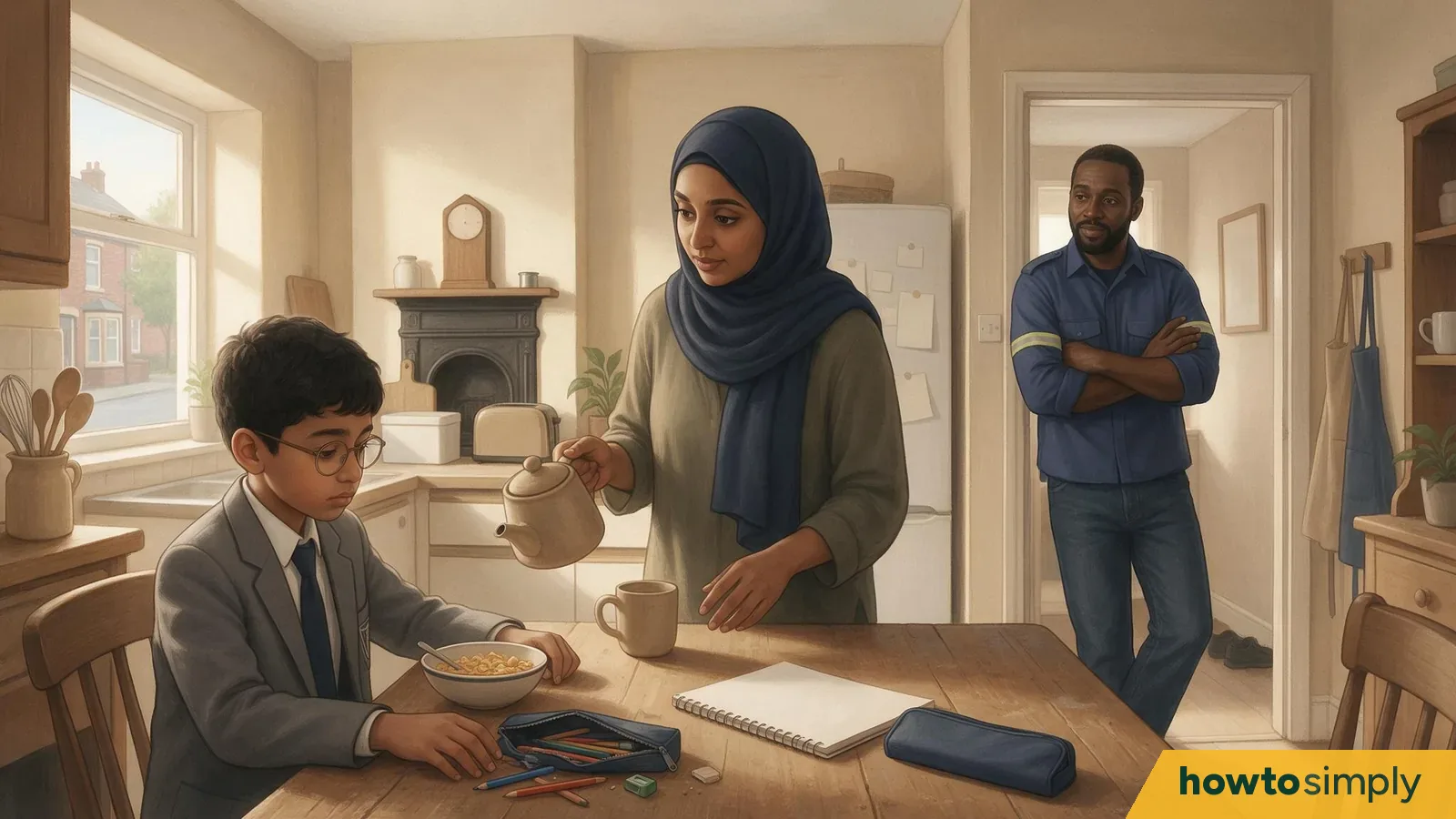
Zayan's new pencil case went "missing" in week three of Year 7. The replacement came home with the zip snapped. Then came the Monday-morning tummy aches, a sudden need for £5 "for a school trip" that didn't exist, and the comic strips he stopped drawing. Amira kept telling herself it was the big jump to secondary school. Leon, his stepdad, wasn't so sure.
The NSPCC says no single sign will tell you for certain that a child is being bullied. But a few of them together are worth acting on. Here are 13 steps, roughly in the order you'll need them. The legal points are for England; the rules are different in Scotland, Wales and Northern Ireland.
Spot what's going on
Learn the signs
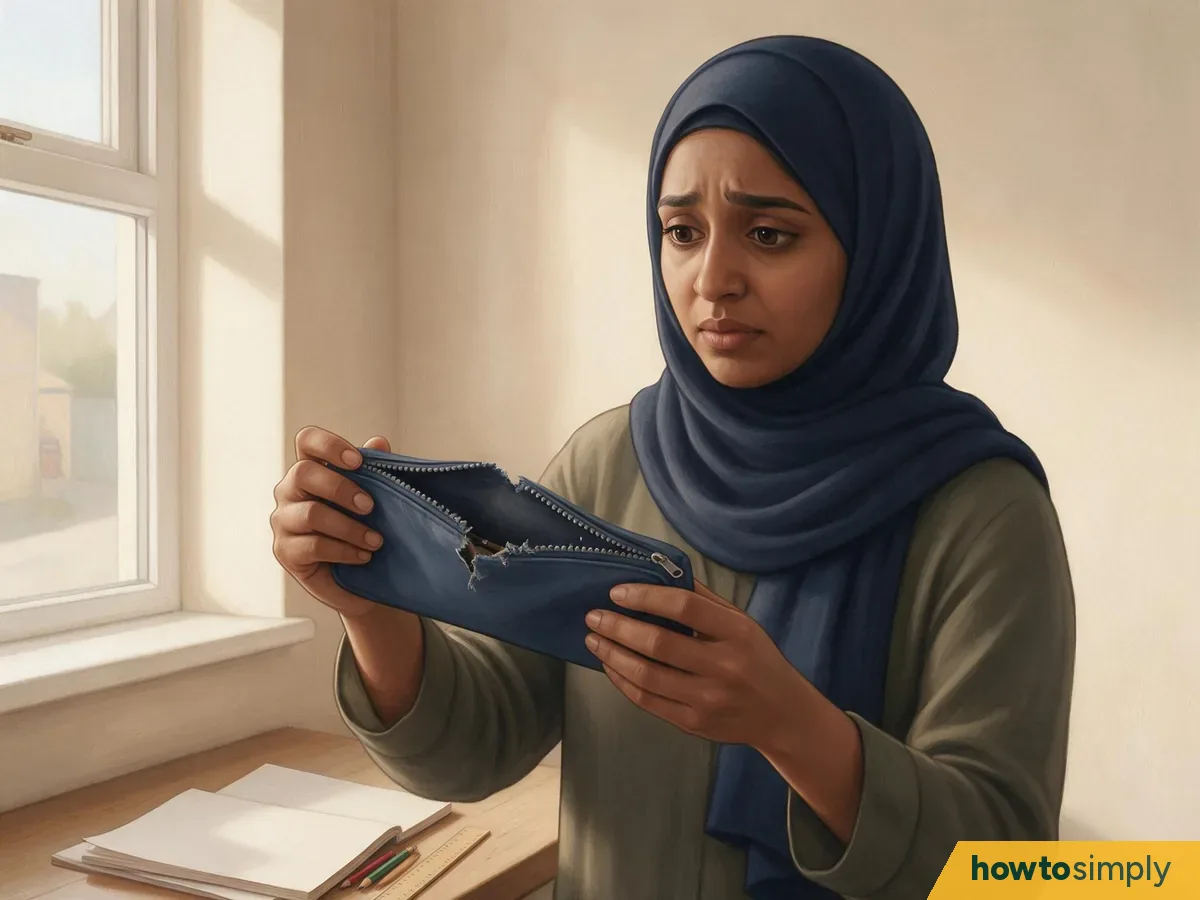
Illustration The NSPCC's list includes belongings getting "lost" or damaged, unexplained bruises, being afraid to go to school or mysteriously "ill" each morning, a dip in schoolwork or homework not handed in, asking for (or stealing) money, becoming nervous, losing confidence or withdrawn, changes in eating or sleeping, and bullying others. One sign on its own may mean nothing. Three in a month deserves a conversation.
Notice who's missing from their life
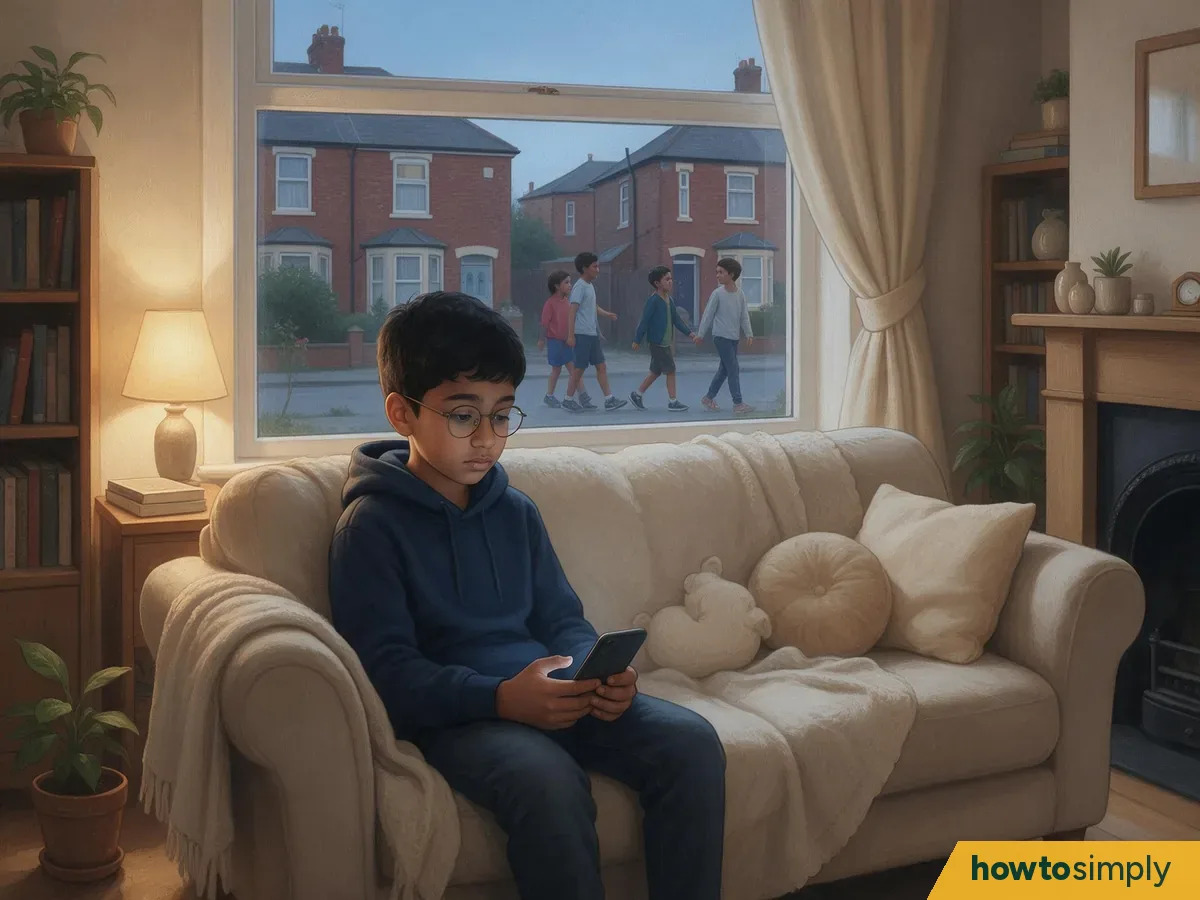
Illustration The NSPCC says children who are bullied tend to have fewer friendships. If the group chat has gone quiet, nobody calls round any more and weekends are suddenly empty, pay attention.
Talk about it
Pick your moment, ideally side by side
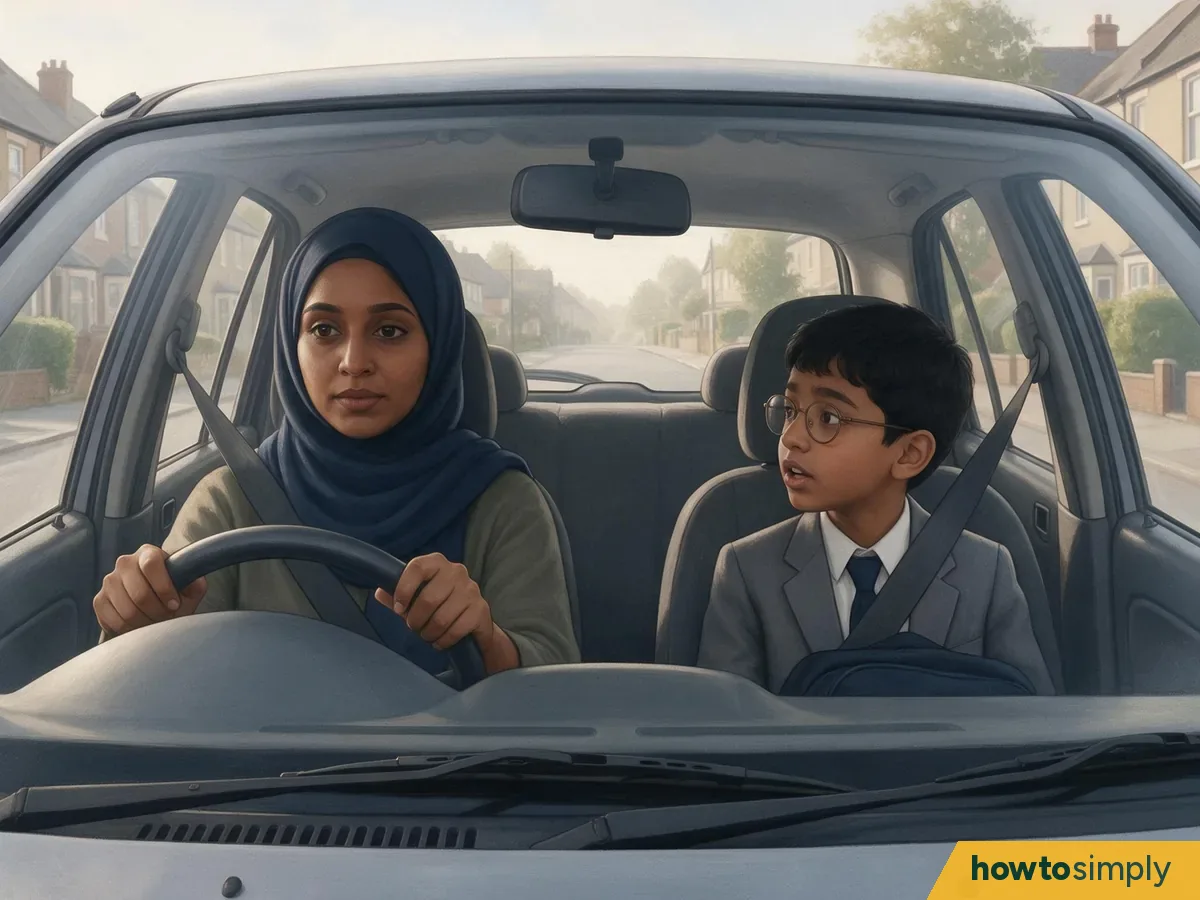
Illustration The NSPCC suggests choosing a time when you can give your full attention, and says some children find it easier to talk in the car, when you're not looking straight at them. Amira's best chance turned out to be the school run. Children will tell you almost anything once you're stuck behind a bin lorry.
Try saying: "Your pencil case has had a rough month. Is anything going on at school that's making things hard?"
Stay calm, even if you want to storm the school gates
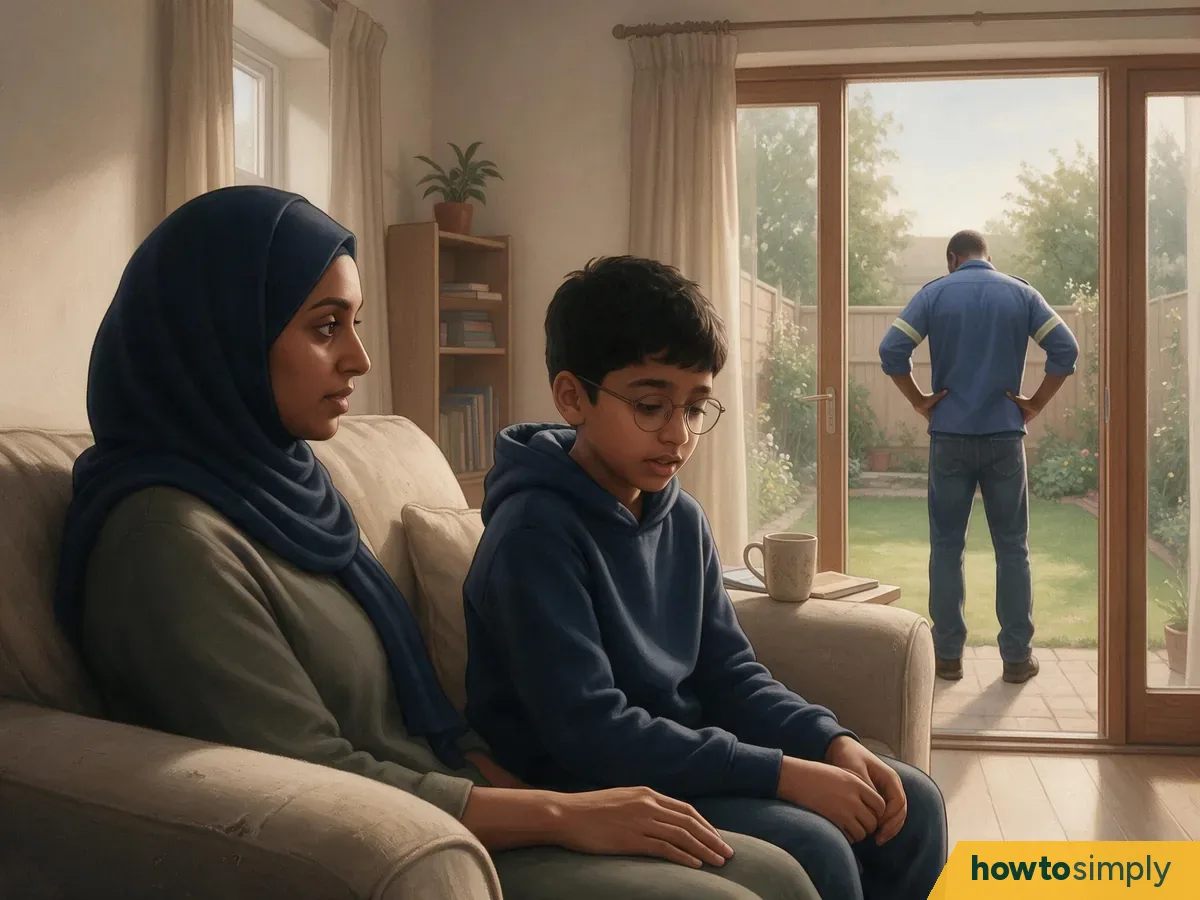
Illustration The NSPCC says to remain calm even if you're upset or angry, because your child may already feel scared or embarrassed. The Anti-Bullying Alliance puts it simply: don't panic, listen and reassure. If you explode, your child may decide telling you was a mistake. Leon did his fuming in the garden, which the roses did not enjoy.
Tell them it's not their fault, and promise no surprises

Illustration The Anti-Bullying Alliance advises telling your child that coming to you was the right thing to do, that the bullying is not their fault, and that you won't take any action without discussing it with them first. That last promise matters. It keeps them telling you things.
Try saying: "Thank you for telling me. None of this is your fault. I won't do anything behind your back. We'll decide together."
Ask what they want to happen, and talk them out of hitting back
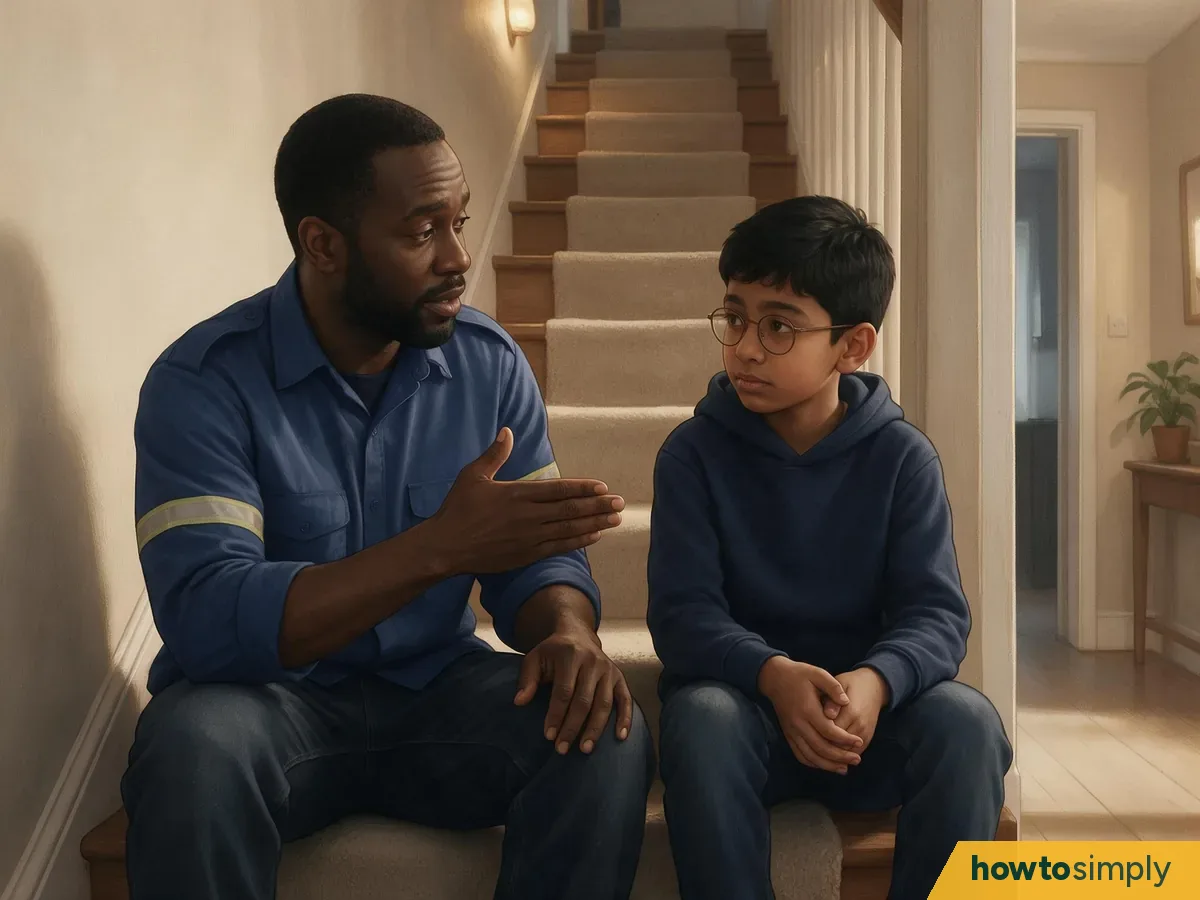
Illustration The Alliance suggests finding out what your child wants to happen next and helping them see their choices. It also warns against encouraging retaliation: a child who hits back may get hurt even further and find that they are labelled as the problem. Walking away and getting help is the strong move, and Leon told Zayan exactly that.
Get the school to act
Read the school's behaviour and anti-bullying policy

Illustration GOV.UK says that by law all state schools in England must have a behaviour policy that includes measures to prevent all forms of bullying, and that teachers, pupils and parents must be told what it is. The NSPCC suggests asking for the anti-bullying policy, behaviour policy and complaints procedure. They're often on the school website, so you can read them before the meeting.
Start a diary today
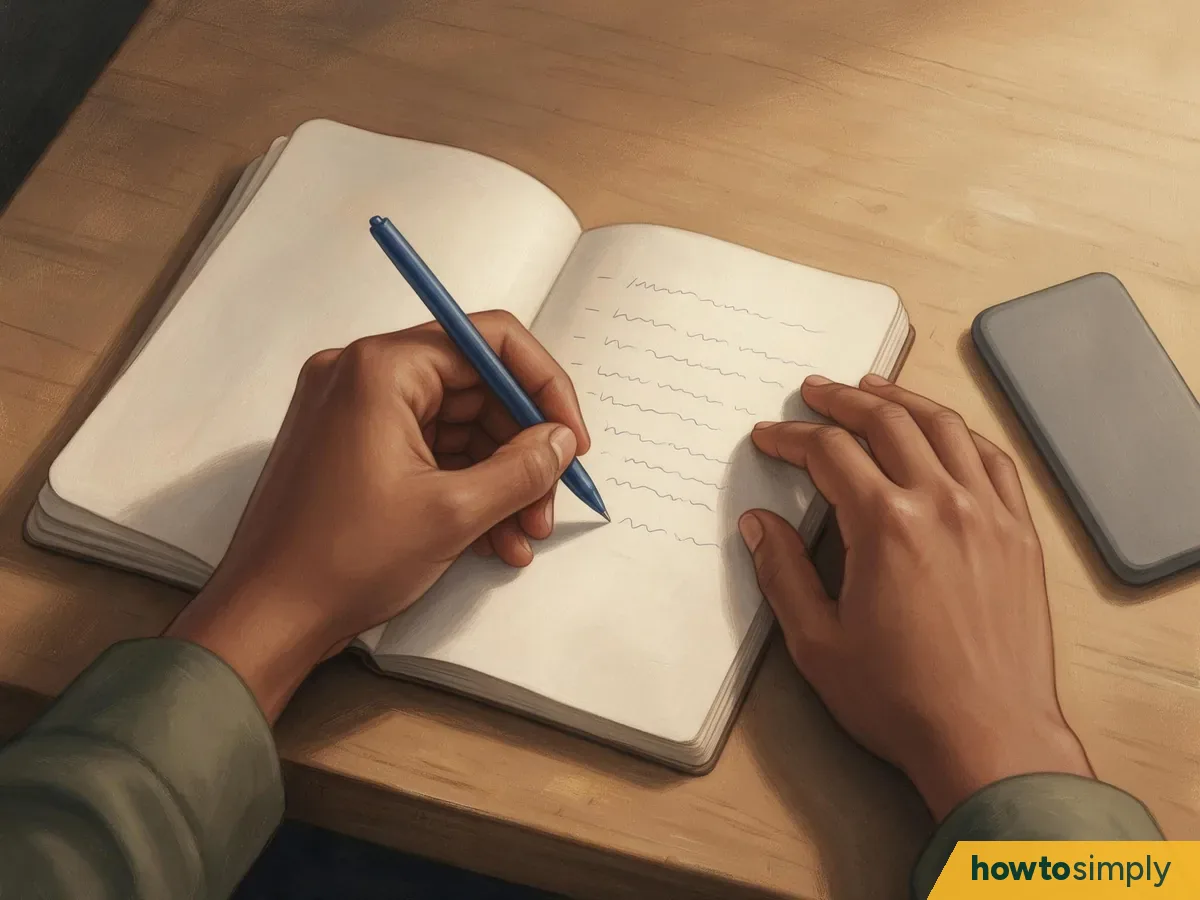
Illustration The Anti-Bullying Alliance recommends keeping a diary of events to share with the school. The NSPCC suggests noting the date, place and rough time of each incident, photos of any damaged belongings, and any letters or emails with the school. For online bullying, GOV.UK says to record the date and time of messages and not to delete any. Not sure how to save them? See how to take a screenshot on an iPhone or on a Samsung Galaxy.
Book a meeting, and leave with a plan
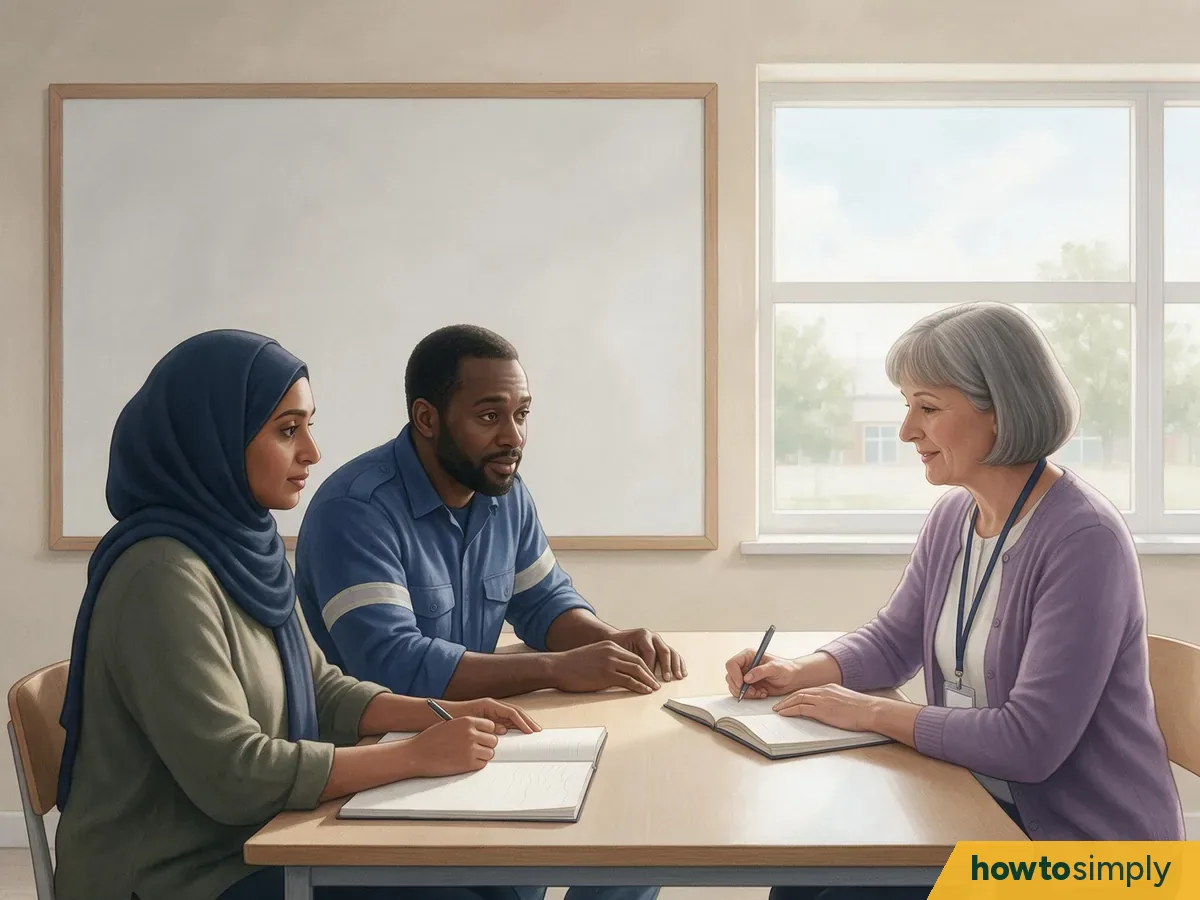
Illustration The NSPCC says the first person to contact is usually the class teacher, form tutor, head of year or house tutor. Its meeting checklist: take a notebook and someone for support if it helps, bring your evidence, explain how the bullying is affecting your child, agree what the school will do, set a date to check progress, and agree a key person your child can go to with new worries.
Try saying (to the school): "Can we agree what happens next, who Zayan goes to if it happens again, and when we'll talk next?"
If it doesn't stop, put it in writing
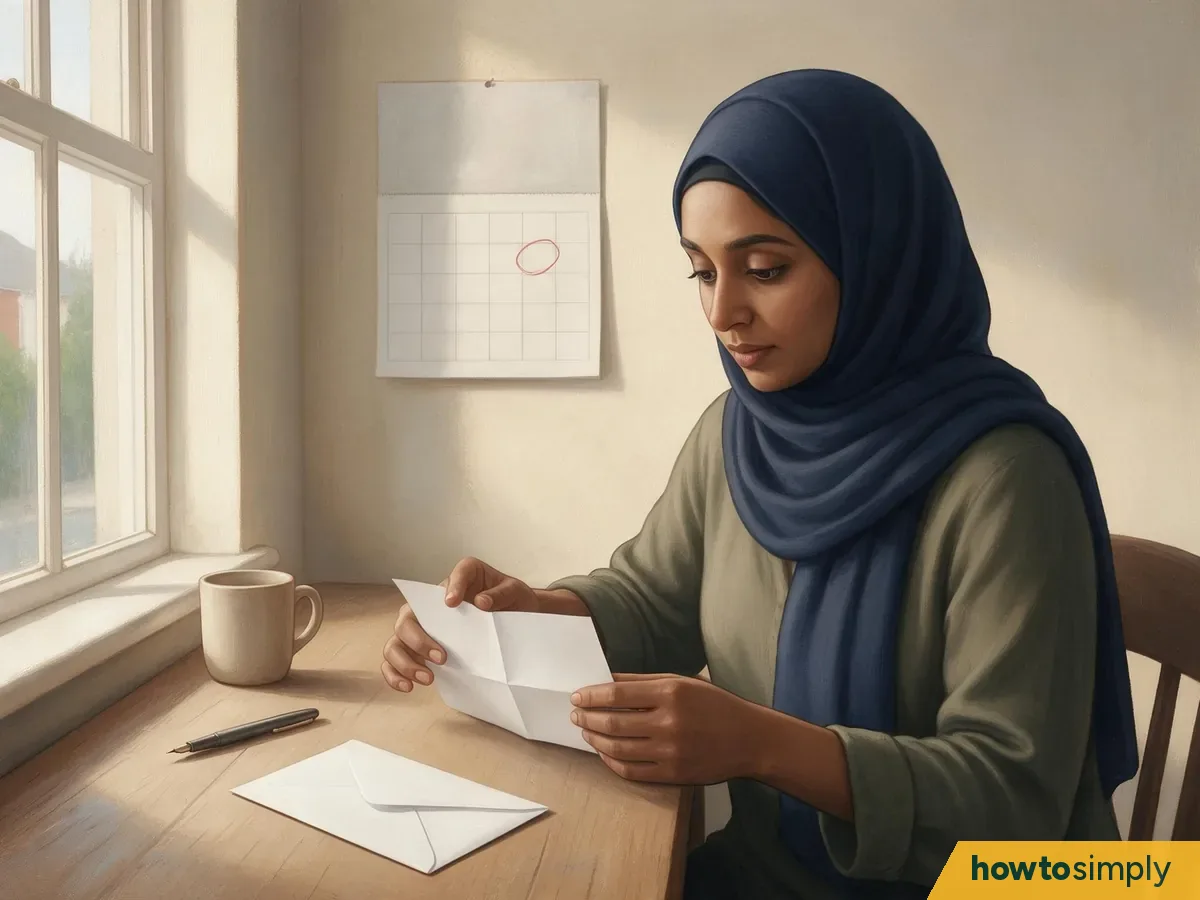
Illustration If the bullying continues, the NSPCC suggests asking for another meeting, then following the school's complaints policy, which can mean a letter to the headteacher. At a state school, the next step is the chair of governors, then the local authority. At an academy or free school, the school should set up a hearing with a panel of at least three people who weren't involved. GOV.UK confirms you can complain about a school that hasn't dealt with your concerns.
Beyond the school gates
Help them block and report, instead of taking the phone
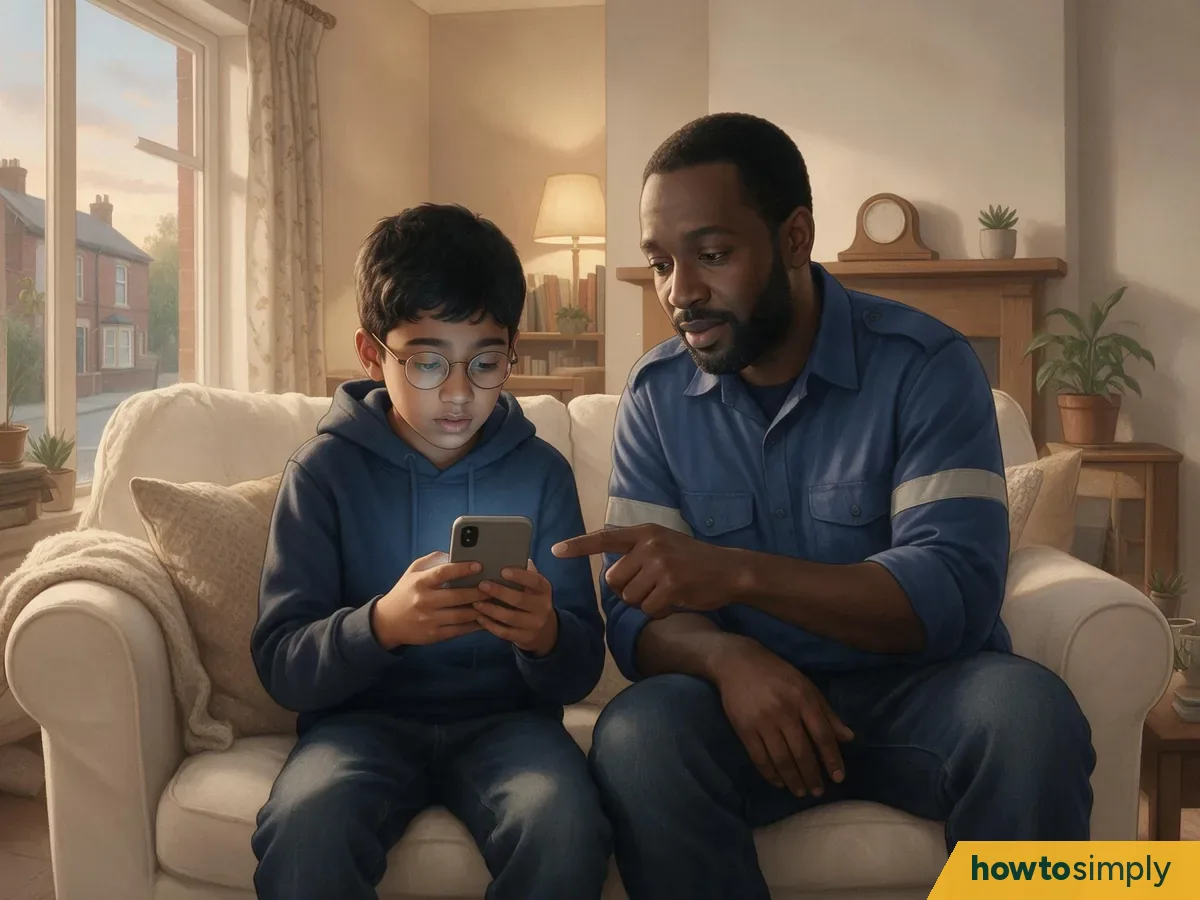
Illustration Taking away a child's phone or internet access is unlikely to solve online bullying, the NSPCC says, and they may just go online somewhere else or in secret. Instead, have open conversations, review privacy settings together, make sure your child knows how to block anyone who posts upsetting things, and report the account to the platform.
Know when it's a police matter
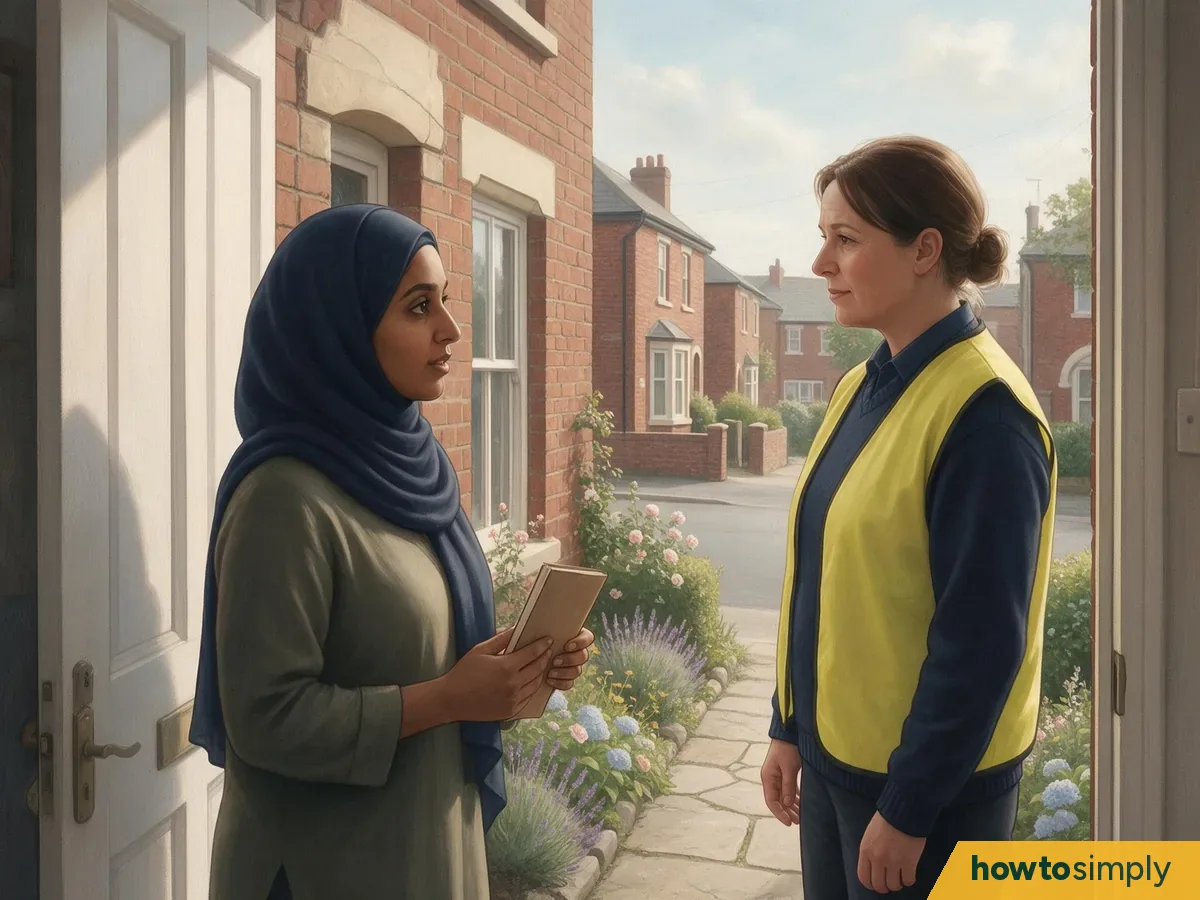
Illustration GOV.UK says some bullying is illegal and should be reported to the police, including violence or assault, theft, repeated harassment or intimidation (such as threats and abusive calls, emails or texts) and hate crimes. It's usually a good idea to speak to the school first. Call 999 if anyone is in immediate danger. GOV.UK also says state school headteachers have the legal power to deal with bullying off the premises, for example on public transport or in a town centre.
Rebuild their confidence, and get support for you
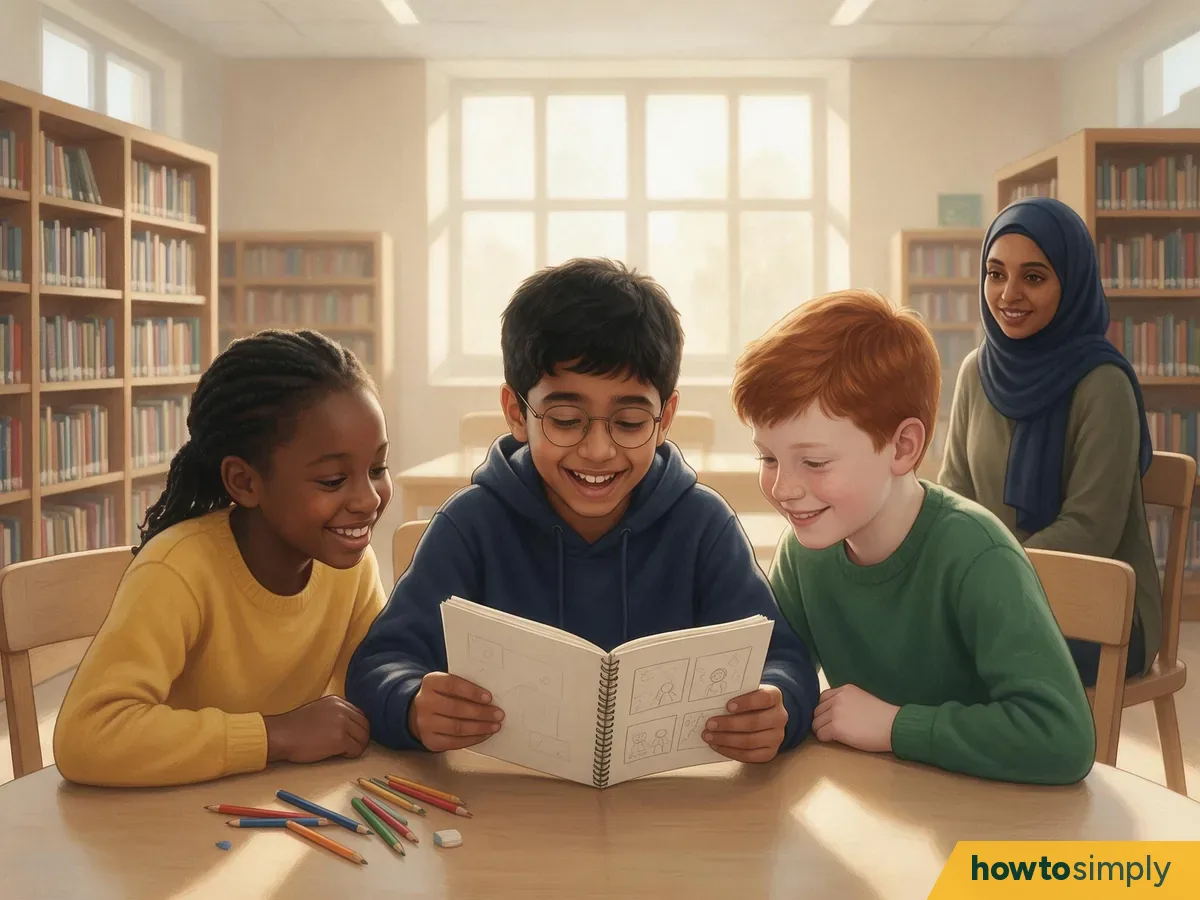
Illustration The NSPCC suggests reminding your child that they're loved and valued and helping them find things that make them feel good, such as music, sport or clubs. It notes that many libraries run free activities. Children can call Childline free on 0800 1111, any time, without giving their real name. Worried adults can call the NSPCC Helpline on 0808 800 5000 (10am to 4pm, Monday to Friday).
Mrs Clarke moved Zayan's seat, spoke to the boys involved and checked in with him every Friday. He joined the library's drawing club. Last week a new comic strip appeared on the fridge. The hero wears round glasses.
Bullying at a glance
| Question | What the advice says | Source |
|---|---|---|
| Is one sign enough? | No single sign is certain; look for several together | NSPCC |
| How do I react? | Stay calm, listen, reassure; it is not their fault | NSPCC, Anti-Bullying Alliance |
| Should they hit back? | No: they may get hurt further or be labelled the problem | Anti-Bullying Alliance |
| Who do I contact first? | Class teacher, form tutor, head of year or house tutor | NSPCC |
| Does the school need a policy? | Yes, every state school in England, and parents must be told what it is | GOV.UK |
| What do I record? | Date, place and rough time; photos of damage; contact with the school | NSPCC |
| Online messages | Record dates and times; don't delete anything | GOV.UK |
| Take the phone away? | Unlikely to help; block and report instead | NSPCC |
| If the school doesn't act | Complaints procedure, head, then chair of governors (state school) | NSPCC, GOV.UK |
| Police matter | Assault, theft, repeated harassment or intimidation, hate crime; 999 in danger | GOV.UK |
Source: NSPCC, Bullying and cyberbullying and How can I help my child if they are being bullied?; Anti-Bullying Alliance, How can I help my child if they are being bullied?; GOV.UK, Bullying at school (all read 11 November 2026). Law points apply to England.
Bullying action checklist
- I've noted which signs I've seen, and when.
- I've told my child it's not their fault, and that I won't act without them.
- I've read the school's behaviour and anti-bullying policy.
- My diary has dates, places and screenshots.
- We have a follow-up date and a named adult at school.
If your child is in danger
- If anyone is in immediate danger, call 999.
- Children and young people can call Childline on 0800 1111 (free, confidential, any time) or text SHOUT to 85258.
- Parents and carers can call the NSPCC Helpline on 0808 800 5000 (10am to 4pm, Monday to Friday), the YoungMinds parents' helpline on 0808 802 5544 (9.30am to 4pm, Monday to Friday) or Family Lives on 0808 800 2222.
- If your child talks about hurting themselves, speak to your GP, and Samaritans are on 116 123, free, day or night.
Your turn: what finally got your child to tell you what was happening? Share it in the comments. It might help another parent start that conversation tonight.
Questions readers ask
What are the signs my child is being bullied?
The NSPCC lists belongings getting "lost" or damaged, unexplained bruises, being afraid to go to school or mysteriously "ill" each morning, a dip in schoolwork, asking for or stealing money, becoming nervous or withdrawn, changes in eating or sleeping, and bullying others. No single sign is certain.
Who should I contact at school first?
The NSPCC says the first person to contact is usually the class teacher, form tutor, head of year or house tutor. Ask for the anti-bullying policy, behaviour policy and complaints procedure, which are often on the school website.
Does a school have to deal with bullying?
In England, GOV.UK says by law all state schools must have a behaviour policy that includes measures to prevent all forms of bullying, and teachers, pupils and parents must be told what it is. If the school does not deal with your concerns, you can complain.
When should I go to the police about bullying?
GOV.UK says some bullying is a crime, including violence or assault, theft, repeated harassment or intimidation, and hate crimes. It is usually a good idea to speak to the school first, but call 999 if anyone is in immediate danger.
Should I take my child's phone away if they are bullied online?
The NSPCC says removing a phone or internet access is unlikely to solve it, and children may just go online somewhere else or in secret. Help them save evidence, block the account and report it to the platform instead.
About this article
- Written by
- howtosimply staff
- Pictures
- 14 illustrations drawn for this article, each marked Illustration (drawings, not photos).
- Sources
- 5 named sources, linked below.
Did this solve the problem?
What needs work?
What did you think?
Reaction counts are loading.
Sources
We use primary, official and specialist sources appropriate to the topic.