Seven quick questions on two winter worries: a beeping carbon monoxide alarm and a frozen pipe. Answers from NFPA, CPSC, Kidde, FireAngel, Thames Water, the American Red Cross and NI Water, as cited on our pages.
Fun with friends? Share it:WhatsApp
All the questions
- Your carbon monoxide alarm gives four loud beeps, a pause, then four more. What do you do?
- Press the button and go back to bed
- Look for the faulty appliance
- Get everyone outside, then call for help from there
- Change the battery
- One short chirp every 30 to 60 seconds usually means…
- Carbon monoxide
- The battery is low
- Smoke
- A gas leak
- Fact or fiction: if nobody feels ill, the alarm must be wrong.
- Fact
- Fiction: CO can poison people before they notice
- Your alarm still chirps after a new battery. What does NFPA say that usually means?
- It needs a second battery
- It has reached the end of its life: replace the alarm
- It is detecting steam
- Nothing, ignore it
- In freezing weather your kitchen tap only trickles. In the UK, what does Thames Water say to do first?
- Pour boiling water on the pipe
- Turn off the stop valve, then open the tap
- Leave the house
- Call the fire brigade
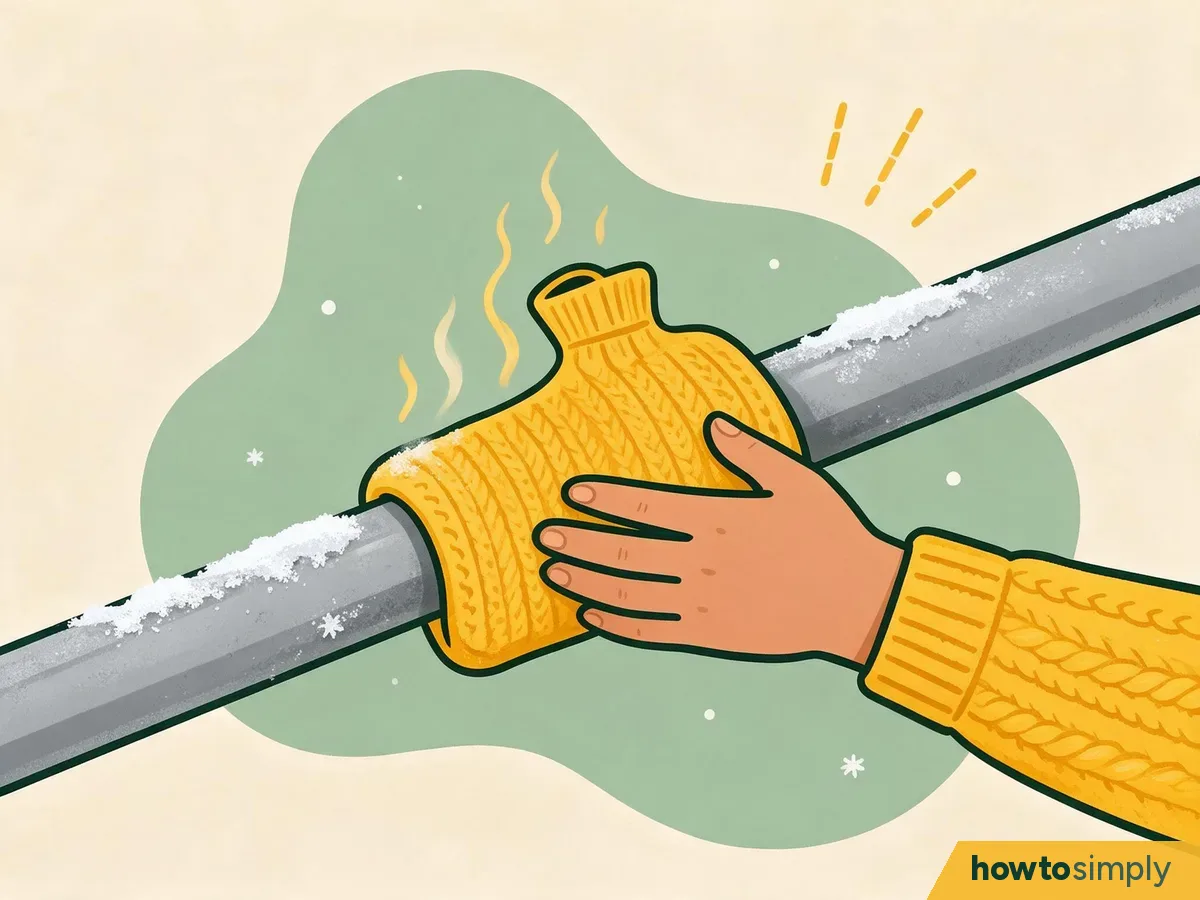
- Which of these is never safe for thawing a frozen pipe?
- A wrapped hot water bottle
- Warm towels
- A blowtorch or any open flame
- A hair dryer on its lowest setting
- Insulating the loft cold water tank: where should the insulation go?
- Underneath only
- Top and sides, not underneath
- Nowhere, tanks must stay bare
- Only on the lid
More quizzes
 Health habits
Small first aid: burns and blocked ears
7 questions · about 4 min Health habits
Tired eyes? The screen habits quiz
6 questions · about 3 min Health habits
Brush, floss, spit: the teeth and gums quiz
7 questions · about 4 min Life & family
Who does the hidden housework?
5 questions · about 3 min Life in Germany
Maths homework, the German way
6 questions · about 3 min Money
Guess the price: the iPhone 18 Pro world tour
6 questions · about 3 minLearn more: 3 tips
- A CO alarm doesn't replace a smoke alarm, and the other way round (NFPA, VdF NRW). A combined alarm does both jobs in one unit. Source: NFPA: Educational Messages Desk Reference, 2026 edition, chapter 3 (PDF); Verband der Feuerwehren in NRW: Fachempfehlung Gefährdung durch Kohlenstoffmonoxid, Fassung Bevölkerung (German, 2 April 2012, PDF)
- CPSC doesn't recommend putting a CO alarm in the kitchen or right above a fuel-burning appliance. Follow your alarm's manual for the exact spot. Source: CPSC: Carbon Monoxide Questions and Answers
- Going away in winter? The American Red Cross says not to set the heating below 55°F (about 13°C). Source: American Red Cross: Frozen pipes
You might also like
Sources
Every answer comes from our own pages and the sources they cite:
- NFPA: Learn the sounds of your smoke and CO alarms (2021, PDF)
- CPSC: Carbon Monoxide Questions and Answers
- Kidde: Why is my carbon monoxide alarm beeping or chirping?
- FireAngel: Why your CO alarm is beeping (updated 26 October 2026)
- Verband der Feuerwehren in NRW: Fachempfehlung Gefährdung durch Kohlenstoffmonoxid, Fassung Bevölkerung (German, 2 April 2012, PDF)
- NFPA: Educational Messages Desk Reference, 2026 edition, chapter 3 (PDF)
- Thames Water: Frozen or burst pipes
- American Red Cross: Frozen pipes
- Northern Ireland Water: Winter Proof Your Home
Did you enjoy this quiz?