How to reduce household expenses
Track one month of spending first, then work through each bill: cancel unused subscriptions, remove bank and late fees, ask providers for cheaper plans, compare insurance before renewal, cut energy waste, plan meals, and move whatever you save straight into savings or debt.
Researched by Abu Bakar SaadatPublished 19 November 2026Last changed 19 November 2026Verified 17 November 2026Version 1See all changes

On this page 9 sections
Information, not professional advice. For help with your own situation, talk to a free, non-profit adviser.
Step by step
Hi, and welcome to howtosimply. When money seems tighter than ever, the biggest challenge is figuring out exactly where to begin. The key isn't giving up everything you enjoy. Instead, focus on identifying the money being lost, often without you even realising it: an underused membership, a price plan you've never adjusted, a late fee, warming an empty space. This guide provides step-by-step guidance from one expense category to another.
Before you start
- You'll need: last month's bank and credit card statements, your most recent bills, and somewhere to write the totals (paper or a spreadsheet).
- Time: one month of tracking first. After that, each bill is one review; the one-bill-a-week route below spreads them over four weeks. Our sources don't time the calls.
- This guide is for: anyone who pays household bills and wants them lower without giving up everything they enjoy.
- Good to know: the energy figures below are from US government guidance and the help schemes differ by country. We haven't checked UK, German or Pakistani schemes.
- Meet with the people who share the household expenses. Changes generally work best when there is agreement among household members.
- Not every idea here will fit your home. Consider only those that you can realistically keep up.
Spend one full month tracking all of your expenses

Illustration Document every single payment made from all accounts during a one-month period. These should include relatively minor transactions. Organise your payments into categories (e.g., housing, utilities, phone and internet, groceries, transport, insurance and subscriptions). You cannot cut items unless you know the exact amounts you are spending on them.
Check: every payment on the month's statements sits in a category, and the categories add up to what left your accounts.
Cancel unused memberships and subscriptions

Illustration Review your bank and credit card statements to locate recurring charges. Unused gym memberships, unused store memberships and low-use streaming services are the simplest ways to get your money back. Once you cancel these services, confirm in your next billing cycle that they were successfully cancelled.
Check: the next statement shows no charge from anything you cancelled.
Remove fees

Illustration Determine if you're paying a monthly fee for your bank account, cash machine (ATM) fees or overdraft fees. Find out if you're paying an annual fee for your credit card. Ask your bank or card issuer about a no-fee or lower-fee account or card. Pay bills on time to avoid unnecessary late fees. If a bill's due date consistently comes before your next payday, ask the biller for a later due date.
Check: next month's statement has no monthly account, cash machine, overdraft or late fees.
Request cheaper options from each provider

Illustration Contact your phone, internet and TV providers and ask about the lower-cost plans they currently offer. Also ask about prepaid or fixed-rate phone plans. Consider cancelling low-use services entirely.
Compare prices for insurance before renewal
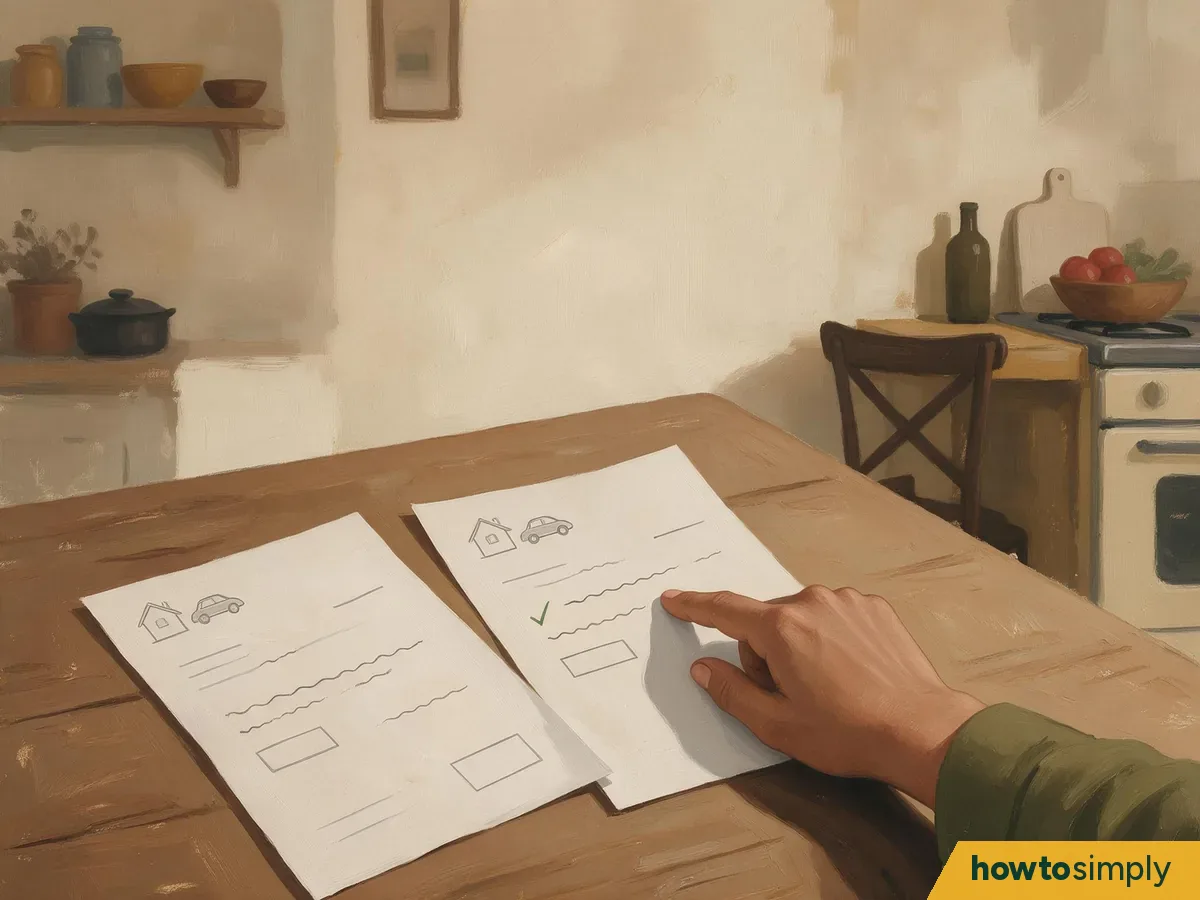
Illustration Compare pricing for the same cover from different insurers before your renewal date. Ask your current insurer whether you get a discount for keeping both home and car policies with their company. A higher excess (deductible) on a car policy reduces the premium, but only choose this if you would be able to afford the excess after a claim.
Check: before the renewal date you have prices for the same cover from more than one insurer.
Reduce household energy use
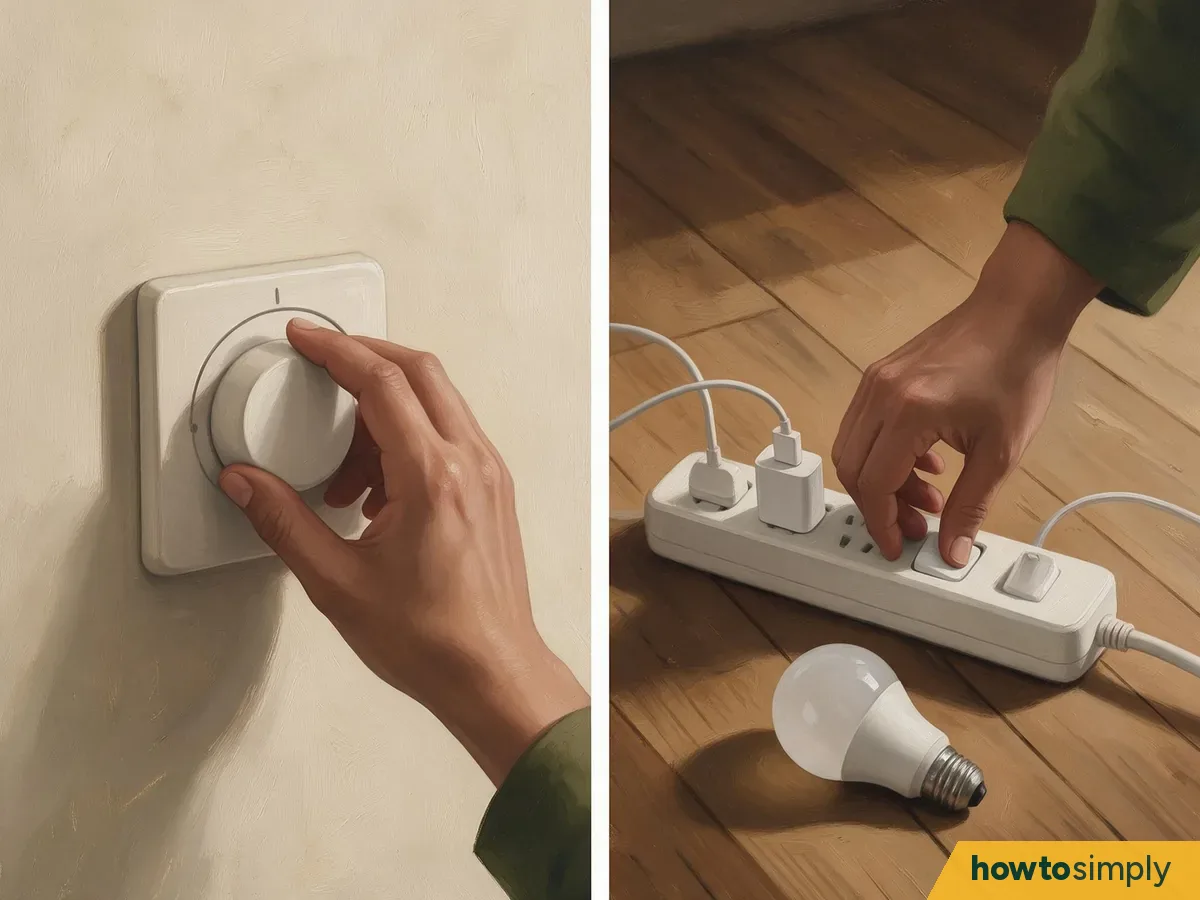
Illustration Lower the thermostat slightly during winter and raise it slightly during summer. Seal gaps and draughts around doors and windows. Unplug chargers and appliances you are not using, or switch them off at a power strip. Replace old bulbs with LED bulbs as they burn out. Wash clothing in warm or cold water and wash full loads of laundry. Repair dripping taps.
Check: if you heat with a heat pump, read its manual before you turn the temperature down a long way; the US Department of Energy says large setbacks don't suit every heat pump.
Seek help with energy bills

Illustration Ask your energy supplier or local council whether you qualify for help with energy bills. They may be able to help with weatherproofing programmes or discounted rates.
Plan your meals and food shopping
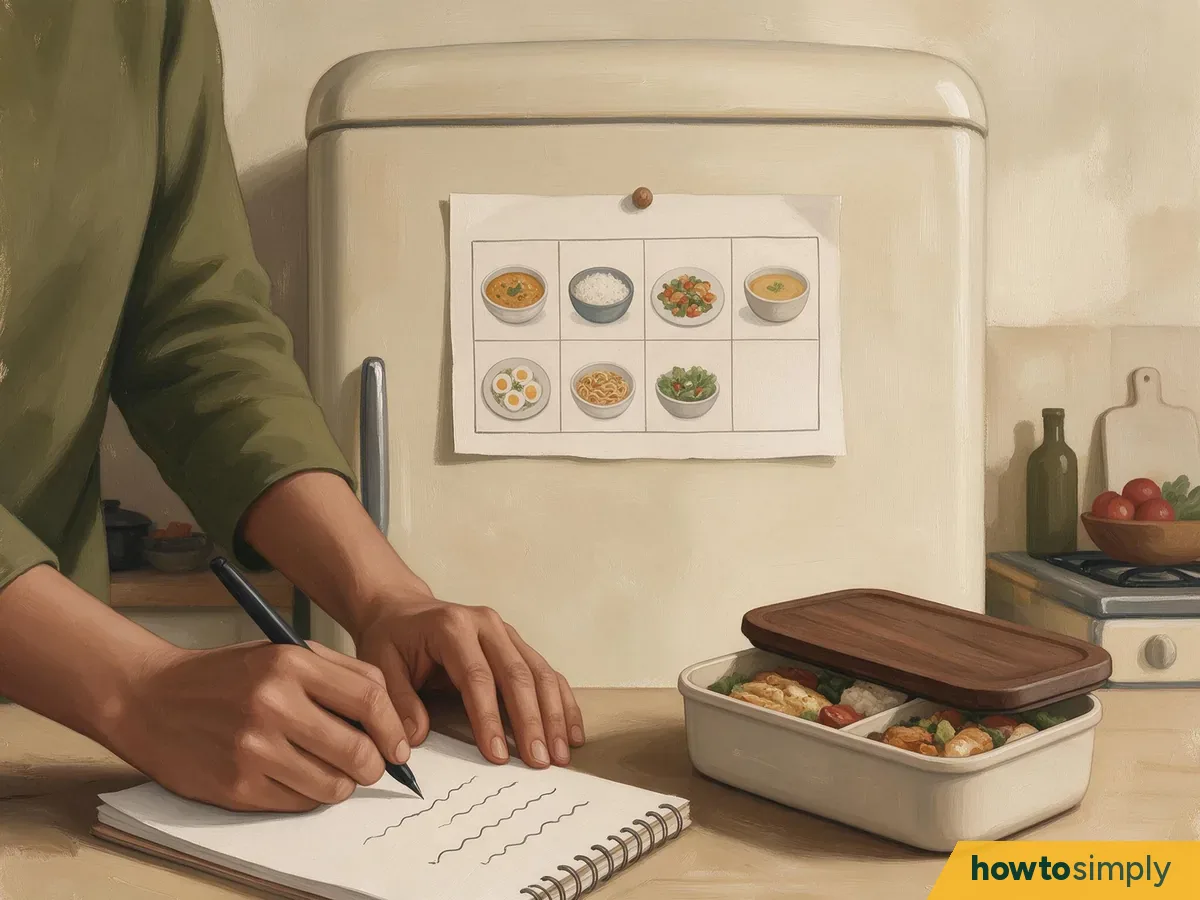
Illustration Create a meal plan for the upcoming week. List the food you already have. Create a grocery shopping list. Limit grocery shopping to once a week. Compare the unit prices of similar products on the shelf tags. Store food properly to cut spoilage and waste. Take lunch to work instead of buying it.
Look after your car
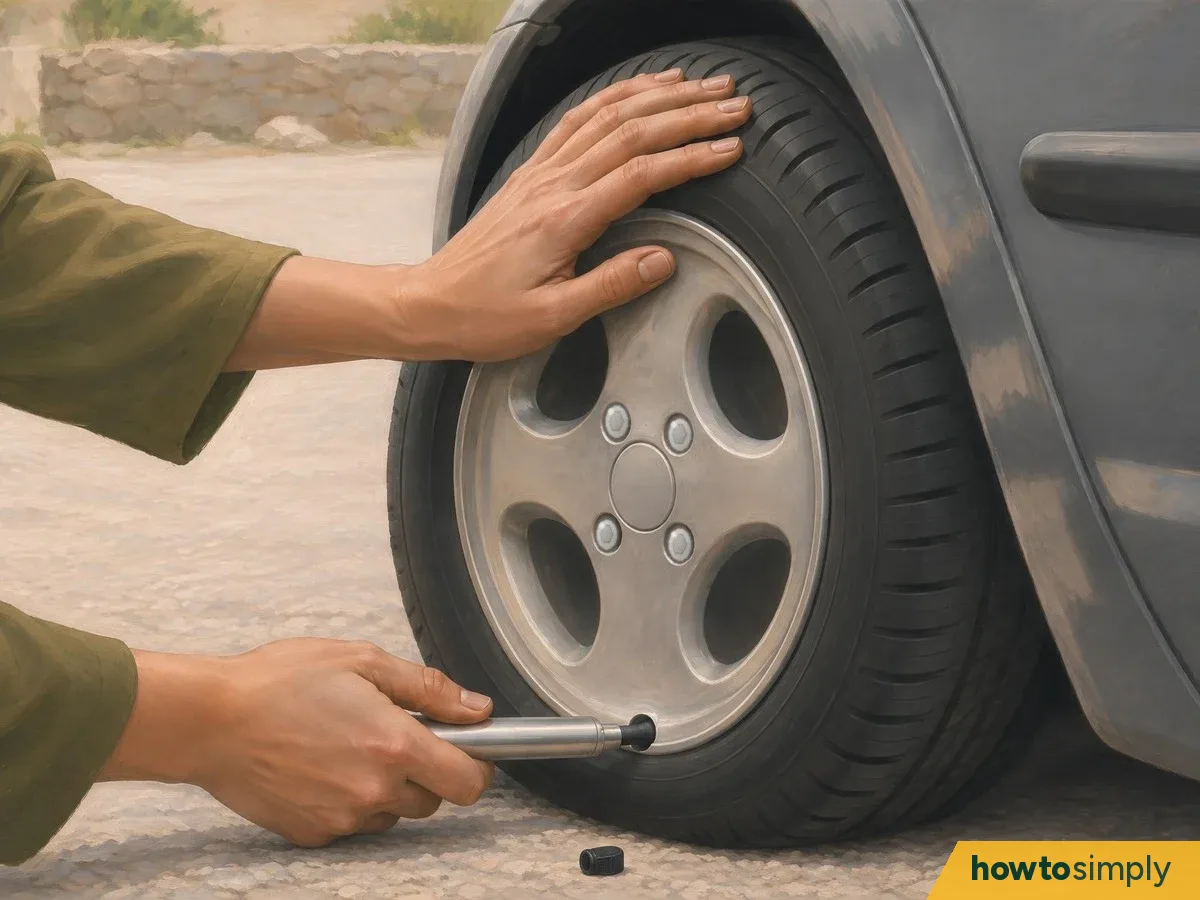
Illustration Avoid late fees by renewing your licence and vehicle registration on time. Regular tyre pressure checks and oil changes help prevent expensive repairs, as minor issues can turn into significant damage over time.
Assess your progress every month

Illustration At the end of each month, review your statements and assess which cost-saving measures were successful and which ones slipped. Move the money you saved towards savings goals or debts straight away. Don't let it get spent on something else.
How to tell it worked
Put this month's totals next to your tracking month, category by category. The categories you worked on should be lower, every cancelled charge should be gone, and the difference should already be sitting in savings or paying down a debt. If a category went up, that is the one to look at first next month.
Quick checklist
- Track one month and sort it into categories
- Cancel unused subscriptions; check the next statement
- Remove bank, card and late fees
- Ask phone, internet and TV providers for cheaper plans
- Compare insurance before renewal
- Cut energy waste; ask about help with bills
- Meal plan and shop with a list
- Renew car paperwork on time; keep up maintenance
- Review each month; move the savings
Bill-by-bill checklist
| Bill | What to check | What to ask or do |
|---|---|---|
| Bank and cards | Monthly, cash machine, overdraft and annual fees | Ask for a no-fee or lower-fee account or card |
| Phone | Your plan versus what you actually use | Ask for a cheaper plan; consider prepaid or fixed-price plans |
| Internet and TV | Channels and speed you don't use | Ask for lower-cost plans; cancel what you don't watch |
| Streaming and memberships | How often you used each one last month | Cancel the ones you rarely use |
| Insurance | Renewal date and current price | Compare other insurers; ask about home and car together |
| Energy | Heating and cooling settings, draughts, standby power | Adjust the thermostat, seal draughts, unplug; ask about help schemes |
| Food | Takeaways, bought lunches, food thrown away | Meal plan, list, unit prices, take lunch |
| Bills in general | Late fees and due dates | Pay on time; ask to move due dates nearer payday |
What the energy changes can save (US Department of Energy figures)
These figures come from US government energy guidance. Your savings depend on your home, your heating system and local prices.
| Change | Estimated saving |
|---|---|
| Turn the thermostat down 7 to 10°F (about 4 to 5.5°C) for 8 hours a day in winter | Up to 10% a year on heating and cooling |
| Seal air leaks around doors, windows and other gaps | 10% to 20% on heating and cooling bills |
| Stop electronics drawing power when switched off | Standby power can add 5% to 10% to a monthly electricity bill |
| Swap an old incandescent bulb for an LED | Up to 90% less energy; the bulb lasts 15 to 25 times longer |
| Wash in warm water instead of hot | Roughly halves the energy each load uses; a cold wash saves even more |
| Fix a tap dripping once a second | Up to $35 a year |
If something goes wrong
Common mistakes
- Failing to track expenses before making cuts. You'll end up cutting things you value and missing hidden expenses that continuously drain your accounts.
- Cancelling a subscription or membership without checking the next statement. Confirm that the recurring charge has stopped.
- Raising insurance excess (deductible) too high. A lower premium does not mean you can afford the higher excess when you make a claim.
- Turning down a heat pump without checking its manual. Large setbacks are not suitable for all heat pumps. Check the owner's manual before making any changes.
- Failing to move savings into savings or debt repayment. Savings usually disappear quickly when they are spent on other purchases.
- You've cut back and still can't cover your bills. Talk to the companies you owe about your options, such as a new due date, and ask whether you qualify for assistance or a discounted rate.
- A provider won't offer a cheaper plan. Check what other providers charge for the same service and decide whether switching is worth it.
- Your household won't stick to the cuts. Choose fewer changes and agree on them together, then review them at the end of the month.
Other ways and adjustments
One bill a week. If reviewing all of your finances at once seems overwhelming, try taking one bill each week. In week one, address your subscriptions. In week two, evaluate your phone and internet services. In week three, review your insurance policies. Evaluate your energy use in week four. After a month, you will have reviewed each of your bills without needing a full weekend devoted to the task.
- Sharing a home: talk the options through with everyone who pays, as the CFPB suggests, and agree which changes you will all keep.
- Groceries for a family: buying in bulk with family or friends can help, but only if the cost per serving really is lower (CFPB).
- Clothes and furniture: the CFPB suggests buying second-hand or on sale.
- Short on time: start with subscriptions and fees, which don't change your routine.
Questions
Where should I start if I have little time?
Start by tracking your spending [1][4]. Subscriptions and fees are our suggested first cuts because they don't change your routine; the CFPB lists both among its strategies [1].
Is a higher car insurance excess worth it?
The CFPB says a higher deductible lowers the premium. Only choose one you could afford to pay after a claim.[1]
Does washing in cold water really save money?
The Department of Energy says warm instead of hot can cut a load's energy use in half, and cold saves more. It also says to wash full loads.[2]
How can I spend less on groceries?
Plan a weekly menu, check what you have, list by store layout, shop no more than once a week, compare unit prices and store food to cut waste.[3]
Related guides
I hope this helps you keep a little more of your money each month. If it did, please give us a like or follow us on our social platforms. Your support gives our authors real encouragement.
The pictures on this page are illustrations, not photos.
How we know this: sources, checks and every change
Current advice
Track a month of spending, then cut fees, unused subscriptions, energy waste and food waste, and ask each provider for a cheaper plan.
Information, not professional advice. For help with your own situation, talk to a free, non-profit adviser.
Latest update
17 November 2026. We re-opened the sources; the advice on this page matches them.
What changed in this version
- First version of this article: numbered sources, key facts, what the sources agree on and where they differ, and this record history.
Key facts
- Track your spending before you cut anything.[1][4]
- Check for account maintenance, cash machine, overdraft and annual card fees, and ask about no-fee or lower-fee options.[1]
- If a due date falls before payday, you can ask the company for a new due date that matches your income.[1]
- Turning the thermostat down 7 to 10°F (about 4 to 5.5°C) for 8 hours a day can save up to 10% a year on heating and cooling, according to US energy guidance.[2]
- Sealing air leaks can save 10% to 20% on heating and cooling bills.[2]
- Electronics left drawing power when switched off can add 5% to 10% to a monthly electricity bill.[2]
- Plan a weekly menu, shop with a list no more than once a week and compare unit prices.[3]
What the sources agree on
Where the sources differ, or nothing is confirmed
- Savings figures are US government estimates. Your result depends on your home, heating system and local prices.
- Help schemes: the CFPB mentions US energy assistance and discounted phone rates. We have not checked equivalents in other countries, so none are named.
- Heat pumps: the Department of Energy says large thermostat setbacks don't suit every heat pump, so check the manual first.[2]
Record history
- Version 1. First published.
No source has changed its advice since we first read it, so there is no "advice that changed" list yet.
Sources
- US Consumer Financial Protection Bureau: Your Money, Your Goals, cutting expenses tool (2018). Read 14 November 2026 and again on 17 November 2026.
- US Department of Energy: Energy Saver Guide (2022). Read 14 November 2026 and again on 17 November 2026.
- NDSU Extension Food Wi$e: Tips to save you money at the grocery store. Read 14 November 2026 and again on 17 November 2026.
- consumer.gov (US Federal Trade Commission): Making a budget. Read 14 November 2026 and again on 17 November 2026.
Sources and method
- Researched by
- Abu Bakar Saadat
- Tested by our team
- No. We have no record of anyone on our team trying these steps, so treat them as researched instructions from the sources above.
- What we checked
- We read four US government and university sources on 14 November 2026 (the CFPB cutting-expenses tool, the US Department of Energy's Energy Saver Guide, NDSU Extension's grocery tips and consumer.gov's budget page) and opened them again on 17 November 2026, re-checking every energy figure against the DOE guide. The Celsius values are our conversions of its Fahrenheit figures. We have not checked help schemes outside the US, so none are named.
- Pictures
- 11 illustrations drawn for this article, each marked Illustration (drawings, not photos). The table under "What the energy changes can save (US Department of Energy figures)" is ours, drawn from the sources.
Did this solve the problem?
Where did you get stuck?
What did you think?
Reaction counts are loading.