How to fold clothes to save space
Fold clothes as soon as they're dry, then fold each piece into a small block and stand it upright in the drawer so you can see everything. Store knits folded, not on hangers, roll socks and underwear, keep the heaviest things at the bottom of any stack, and change where you fold now and then so creases don't set.
Researched by Abu Bakar SaadatPublished 28 October 2026Last changed 17 November 2026Verified 17 November 2026Version 6See all changes
On this page 11 sections
Rummaging through a stuffed drawer for that one top every morning, and then finding it creased, is a small frustration that adds up when it happens daily. A few simple folds, practised on tonight's washing, will solve it, and the drawer will have more room once you've done it.
Clothes crease when they sit in a laundry basket before being put away (Beko), and when a garment is folded the same way again and again (FabricLink). This guide folds each garment so it stands upright on its edge, which KonMari says stops wrinkles and makes the most of your space. Shirts and hoodies get their own folds further down.
Fold, roll or hang?
Jumpers, knits, stretchy tops
Fold. Fold knitwear gently and keep it in drawers.
T-shirts, casual trousers, jeans
Fold in half or in thirds and stand on edge (steps below).
Socks, underwear
Roll them to save space and cut down on wrinkles.
Shirts, blouses, tailored jackets, coats
Hang shirts and blouses as soon as they come out of the dryer; hang woven wool garments on shaped or padded hangers.
How to fold clothes for a drawer
Fold clothes as soon as they come out of the dryer.
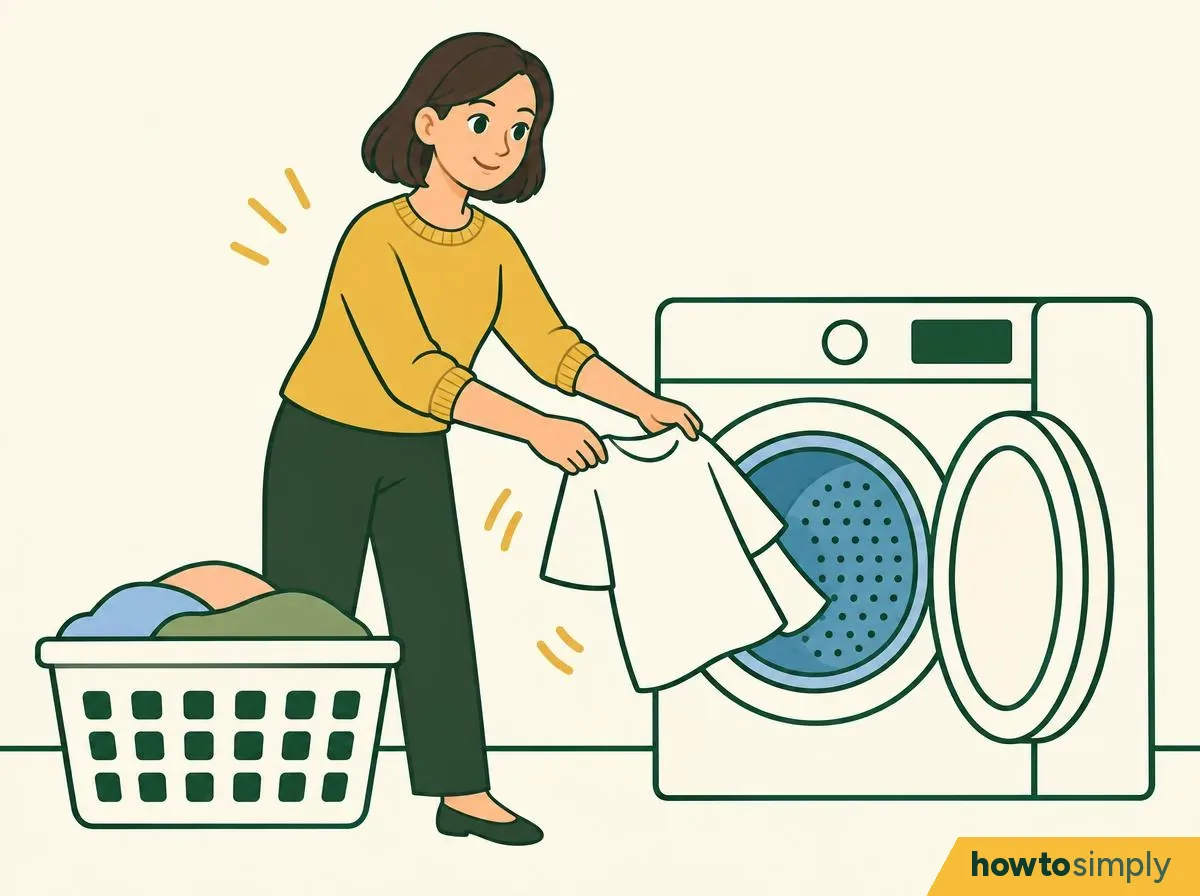
Illustration Give each item a firm shake to release lint and creases, and fold it as it comes out, rather than piling everything into a basket. If your habit is to leave clean washing in the basket for a few days, the creases are quietly setting in while it waits. Over-drying also sets creases, so stop the dryer once the load is dry enough.
You should see: a garment that hangs straight when you hold it up by the shoulders.
Source
Beko
Lay it face down and close every button and zip.
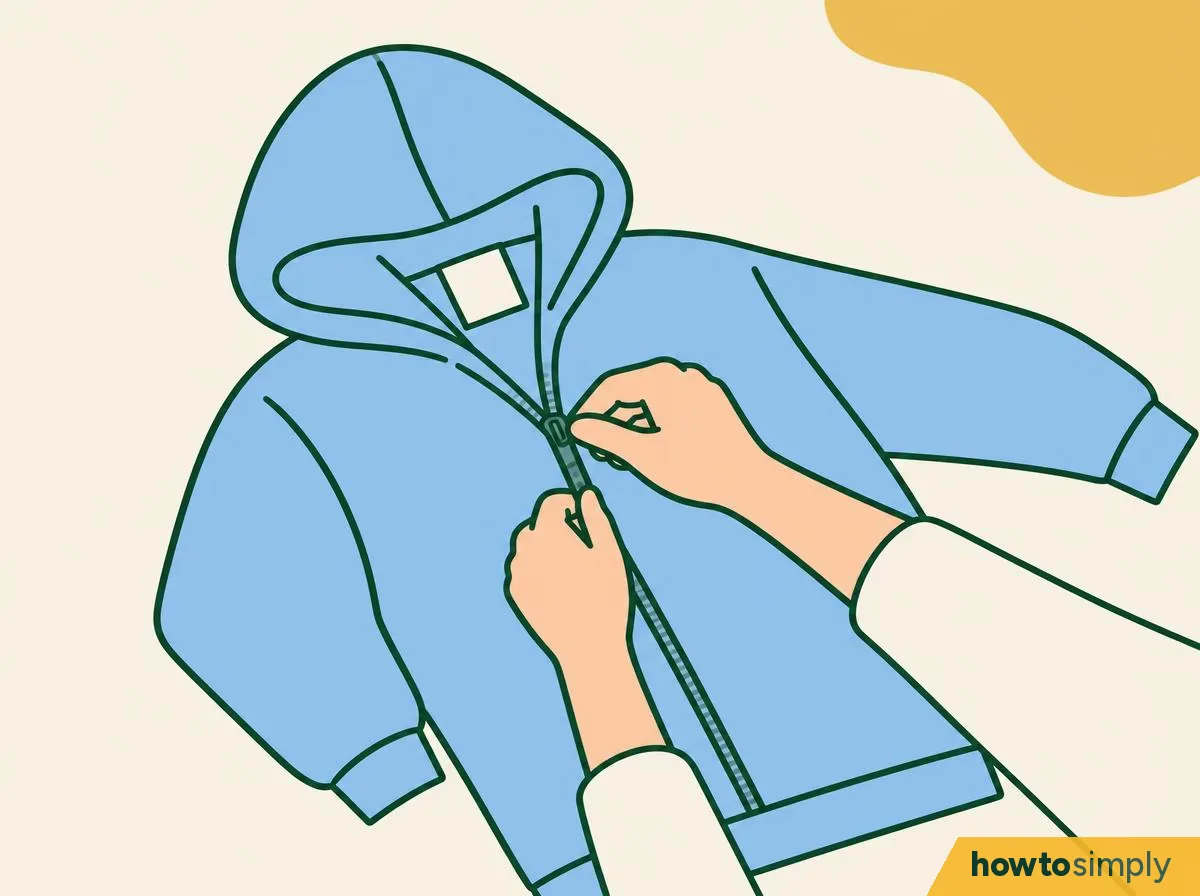
Illustration Empty the pockets and remove belts and accessories to avoid sagging and bulging, and close zips and buttons (Woolmark). Smooth the garment flat with your hands, pulling seams, collars and cuffs straight.
You should see: the item lying flat, with straight side seams and no wrinkles under your hand.
Source
Woolmark, Beko
Fold the sides in to make a long rectangle.
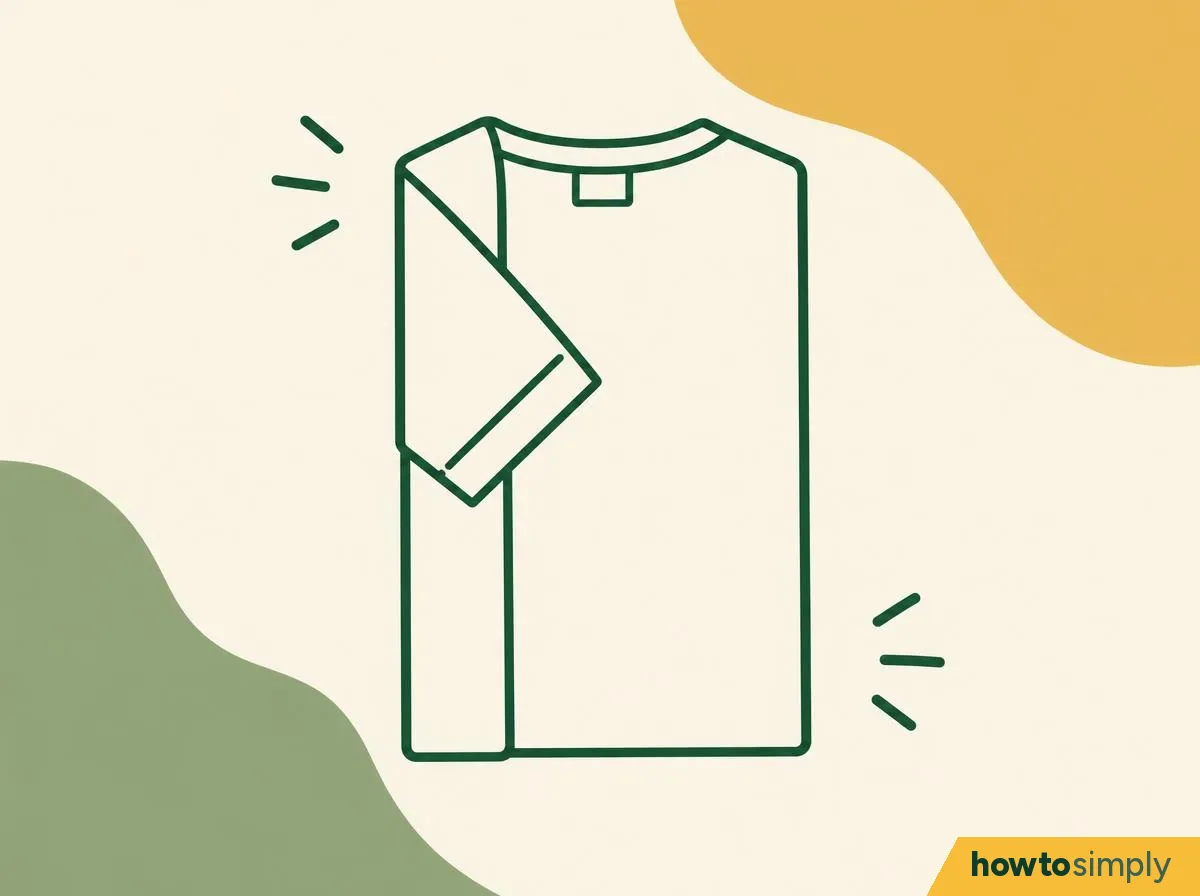
Illustration Aim for a long rectangle a little narrower than your drawer is tall.
T-shirt: fold one side in towards the centre, then fold the other side in the same way (KonMari).
Long-sleeved top: fold one side in, fold the sleeve so it fits inside the width of the rectangle, then fold it back down so it lies flush with the outer edge. Do the same on the other side (KonMari).
Trousers: lay them flat and fold them in half lengthways, so one leg lies exactly on top of the other. In the next step they fold up towards the waistband like everything else (KonMari).
You should see: a neat rectangle with straight edges and nothing hanging over.
Fold it up in half or thirds.
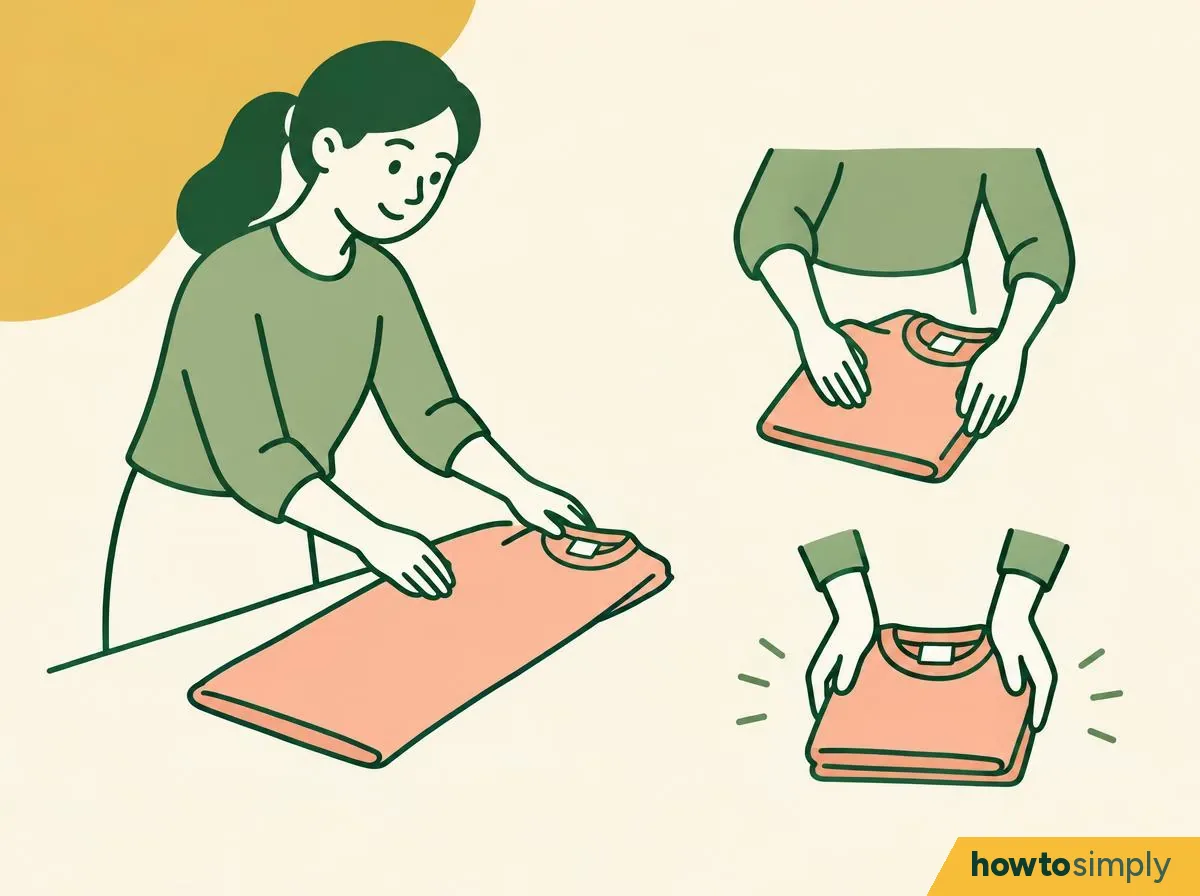
Illustration Fold the rectangle up from the hem (or the trouser cuffs), and on this first fold leave a small gap rather than taking the hem right up to the collar or waistband; KonMari's guide puts it plainly: "It's all about the gap". Then fold it in half or in thirds (KonMari). Measuring your drawer's depth once and folding everything to fit it is our own layout suggestion, not a rule from the sources, but one size of block for every item makes a drawer much easier to fill evenly.
Tuck sheets of white tissue paper into the folds so creases don't set in (FabricLink).
You should see: a small block that stands up on its own on the table.
Source
FabricLink
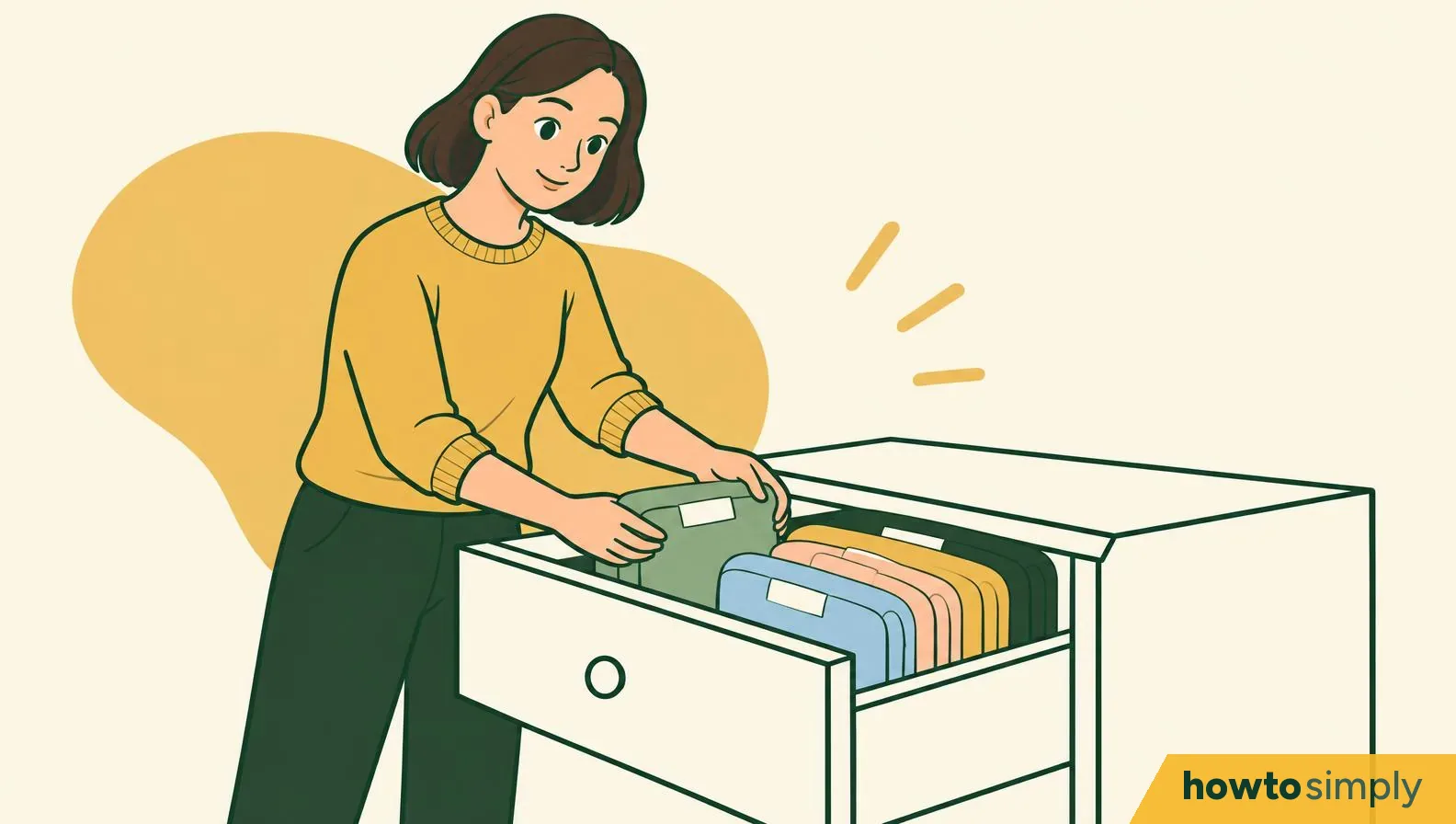
Stand the blocks upright in the drawer.

Illustration Standing clothes upright rather than stacking them prevents wrinkles and saves space (KonMari). If you stack instead, put the heaviest items at the bottom and don't stack clothes that crease easily.
You should see: every item visible from above, with a little room left at the end of each row.
Source
FabricLink
Careful: don't put knits on hangers for storage. Store them folded or flat.
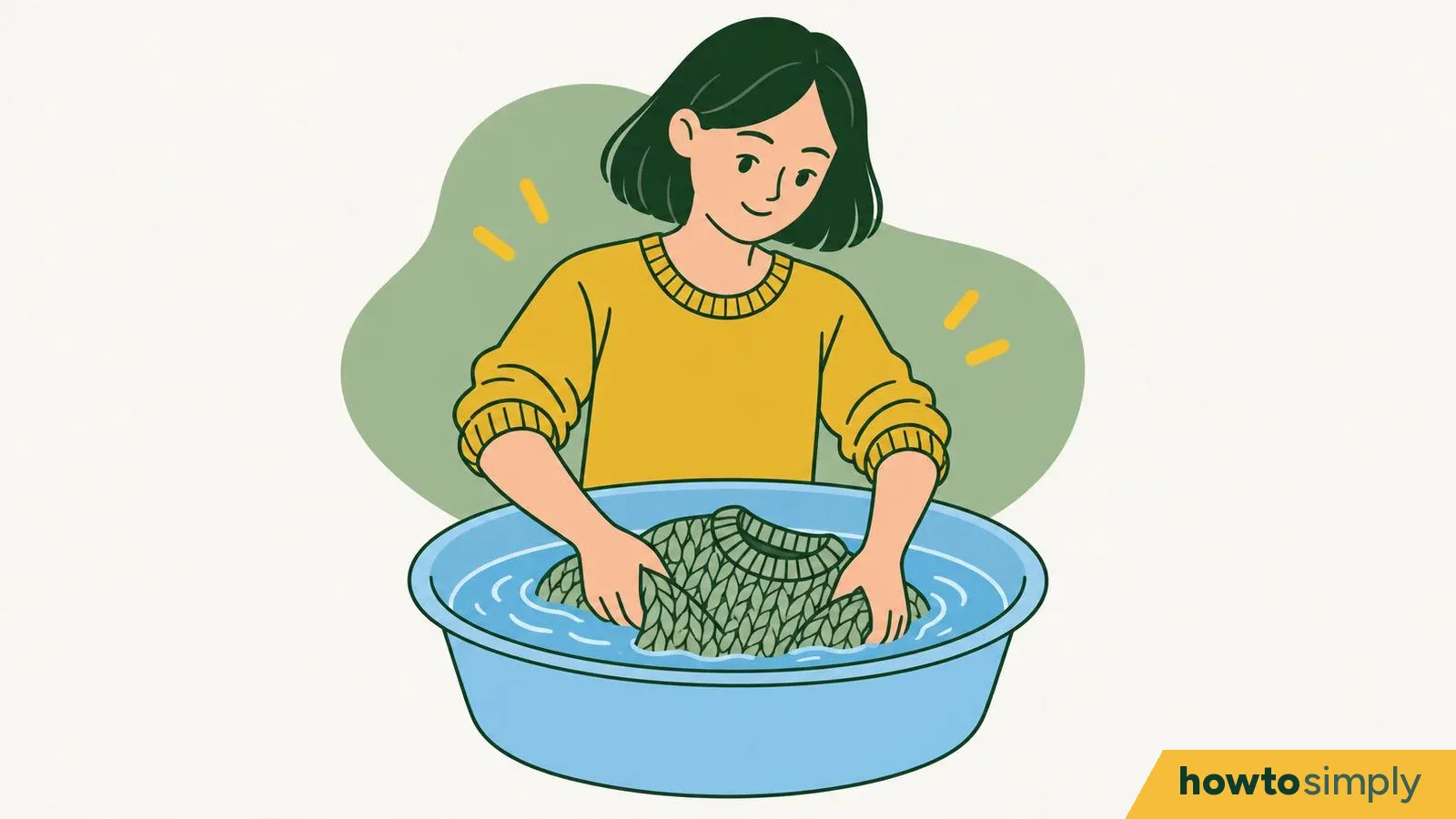
Fold jumpers gently.
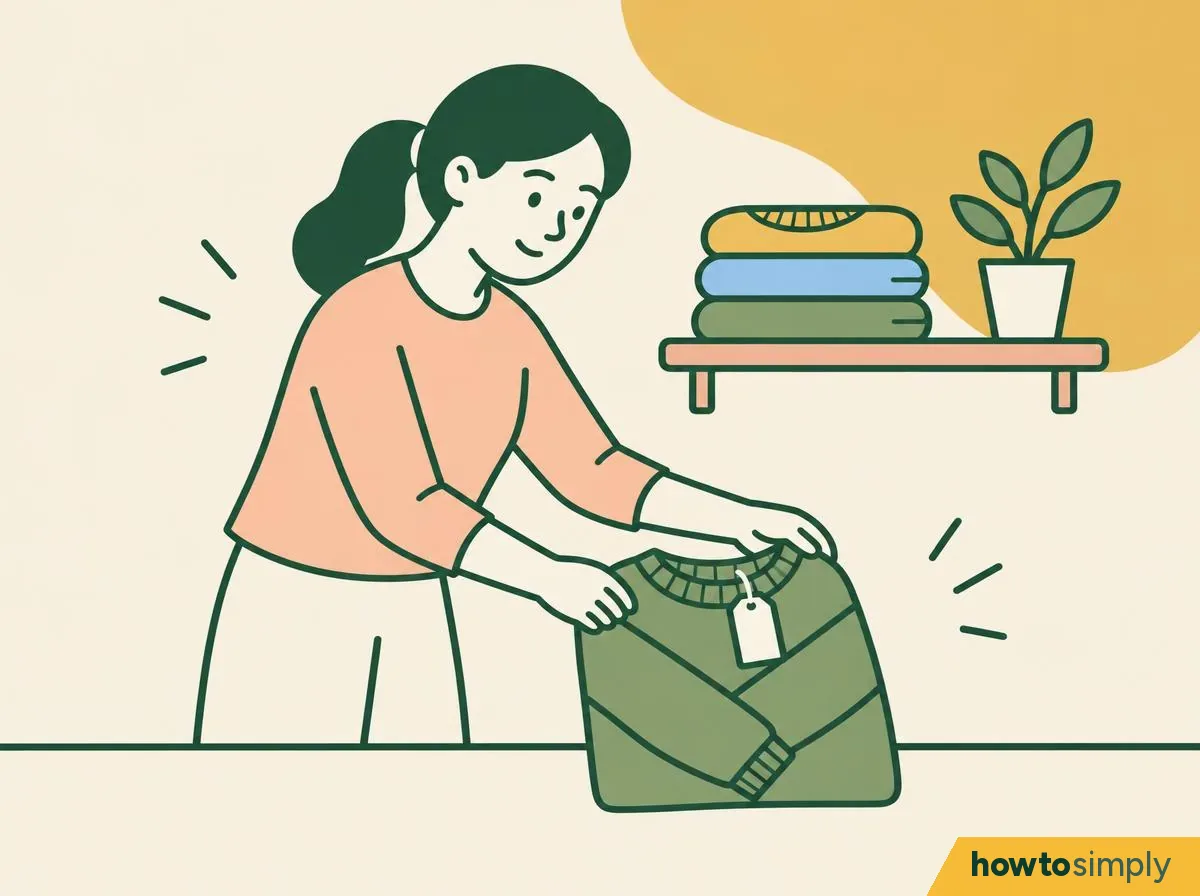
Illustration Lay the jumper face down, cross the sleeves over the back and fold it in half. Fold gently rather than tightly. Keep bulky knits on a shelf or at the top of a stack so nothing heavy flattens them.
Let wool rest for 24 hours between wears so the fibres recover their shape.
You should see: a soft, loose fold with no sharp line across the front.
Source
Woolmark, University of Kentucky Extension
Roll socks and underwear.
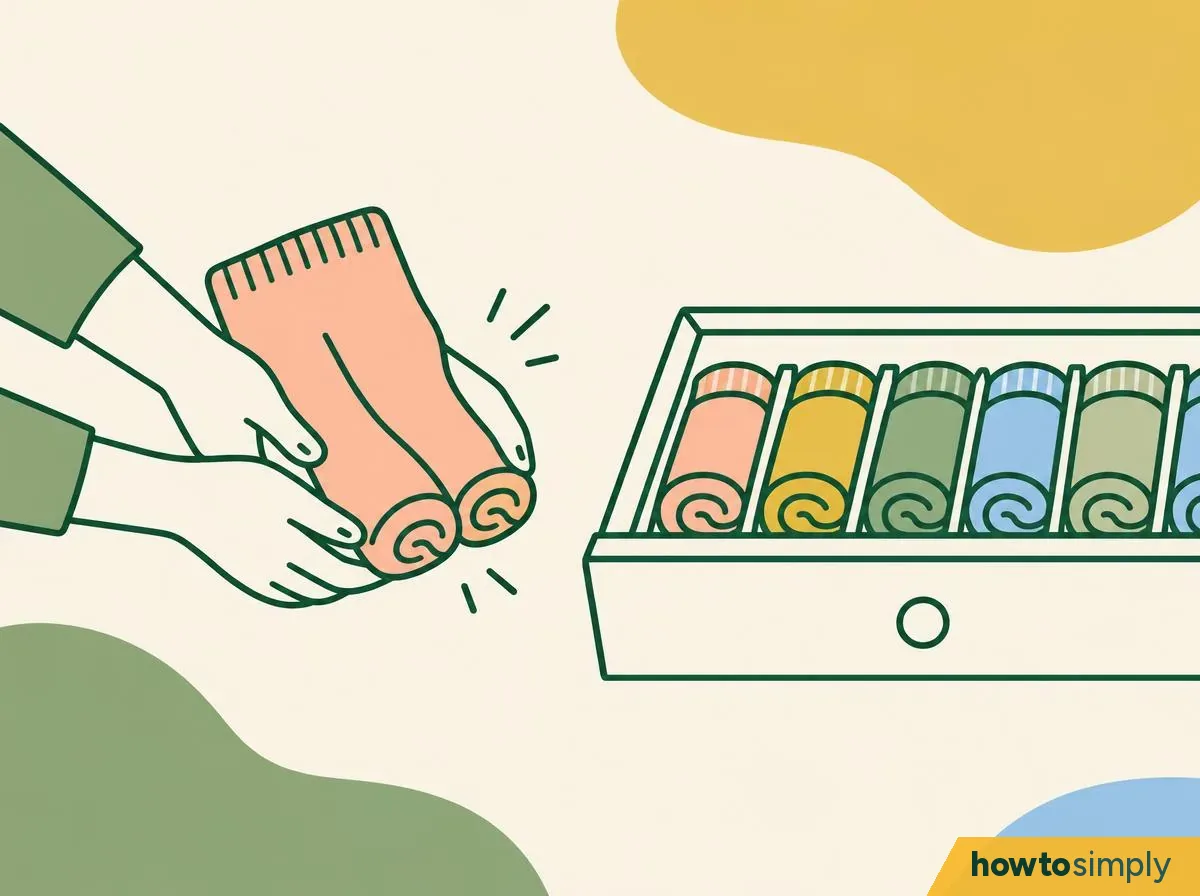
Illustration Rolling small items saves space and reduces wrinkles. Lay a pair of socks together and roll from the toe. Underwear rolls up the same way.
You should see: a row of small rolls that fill gaps between the folded blocks.
Source
FabricLink
Shirts, hoodies and towels: folds of their own
These don't suit the basic fold, so each one gets a few extra moves.
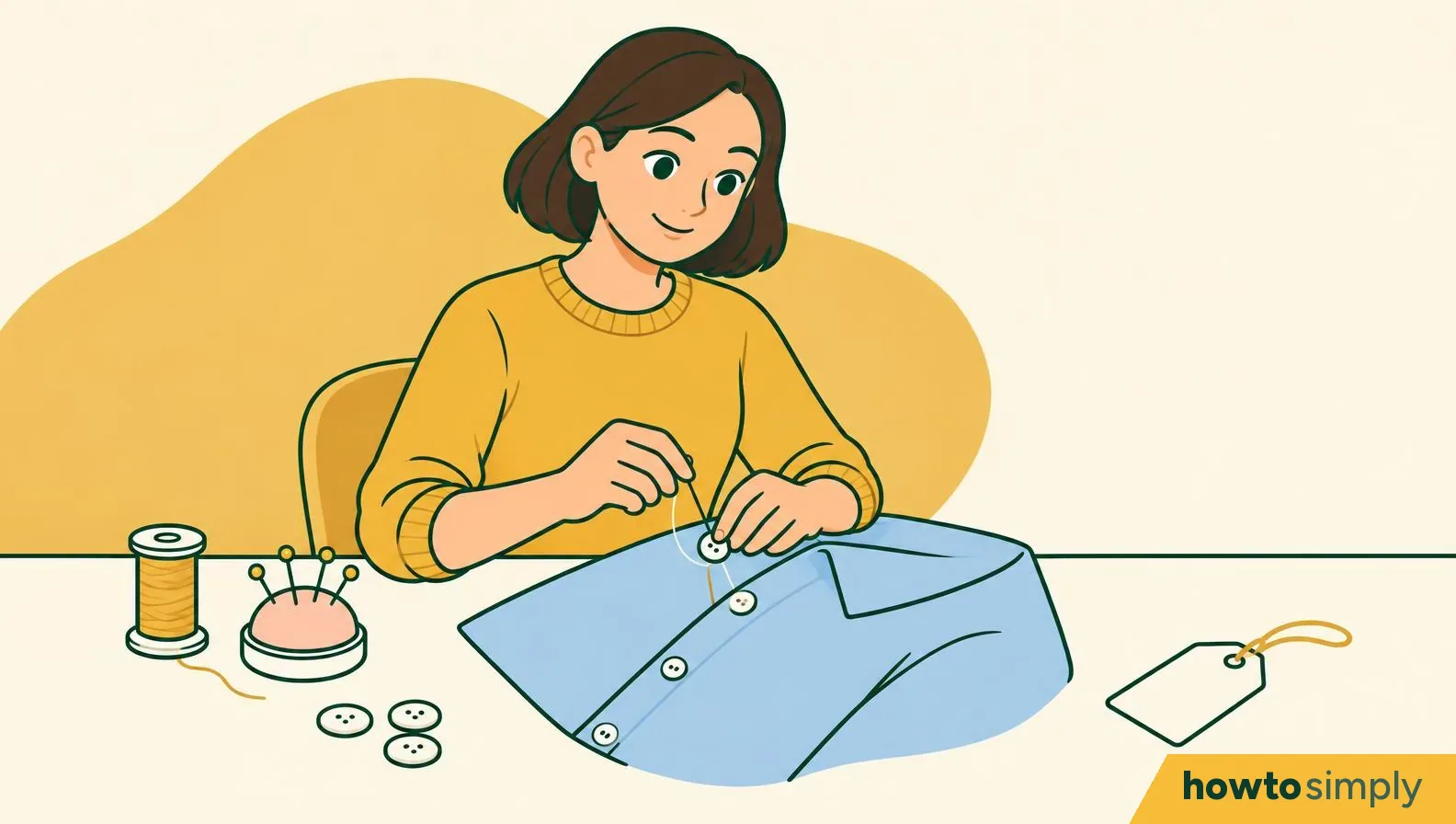
A button shirt, when it has to go in a drawer. Fasten every button, collar and cuffs included, and lay the shirt face down. Fold one side in by about a third, then fold the sleeve back along itself until it no longer hangs over the edge. Repeat on the other side. Turn the tail up, then fold the shirt in half so the hem meets the shoulders just below the collar. For soft, fine shirts, roll from the hem to the collar instead, which saves space too.
You should see: a tidy square with the collar on top.
Source: Paul Fredrick
A hoodie. Lay it face down and smooth it out. Cross each sleeve towards the middle of the back, bring the bottom half up over the top, and turn the outer edges in towards the centre. Fold the body up towards the hood, then open the hood and pull it over the folded body, so the whole hoodie tucks inside its own hood and holds its shape in the drawer.
You should see: one soft parcel wrapped in the hood, with nothing hanging loose.
Source: Nike
A bath towel. Spread it out with the long side facing you and fold it in half, left edge to right. Give it a quarter turn and fold it in thirds, one side to just past the middle and the other side over it, then fold it in half from the bottom. Smooth it with your hands after each fold to get rid of creases. Stack towels neatly on top of each other with the folded edge facing out (Housekeep).
You should see: a firm, flat rectangle about a third as wide as the towel.
Source: Housekeep
How to tell it worked
- Every item is visible when you open the drawer.
- The drawer shuts without squashing the clothes, so it isn't overfull.
- Clothes come out with just their fold lines, not a criss-cross of creases.
- Knitwear lies folded in a drawer or on a shelf, not on a hanger.
If something goes wrong
| What happens | What it means | What to do |
|---|---|---|
| Clothes are creased before you fold them | They sat in the basket too long, or were over-dried | Hang in a steamy bathroom, or tumble 5 minutes with a damp towel and hang at once |
| A sharp line won't come out | The fold has set in one place | Next time, use tissue in the fold and vary where you fold |
| Items on the bottom are flattened and creased | The pile is too heavy | Heaviest items at the bottom; don't stack clothes that crease easily |
| Musty smell or spots in storage | Clothes went away damp, or air can't circulate | Store only fully dry clothes and don't seal them in plastic bags |
| Moths in stored wool | Food stains and body oils attract moths | Store wool clean, in airtight bags or containers for long-term storage |
Sources: Beko, FabricLink, University of Kentucky Extension, Woolmark.
Before storing clothes for a season, check how to wash them first: see how to wash a wool jumper and how to read care labels.
How to fold each garment: what the sources say
| Garment | Fold, roll or hang | How |
|---|---|---|
| T-shirt | Fold, stand upright[8] | Each side to the centre, in half lengthways leaving a small gap, then in half or thirds[8] |
| Long-sleeved top or jumper | Fold, don't hang[1][2] | One side in, sleeve folded to fit inside the width and back flush with the edge, then the other side; in half lengthways with a gap, then in half or thirds[8] |
| Trousers and shorts | Fold, stand upright[8] | Legs folded together, up towards the waistband leaving a gap, then in half or thirds[8] |
| Button-up dress shirt | Fold; roll a soft, fine one[5] | Buttoned up, face down, a third in from each side with the sleeve folded until it doesn't stick out, then hem up to just under the collar[5] |
| Short-sleeved shirt or polo | Fold or roll[5] | Sleeves in along the seam, sides in by a quarter to a third, then hem up to the collar[5] |
| Hoodie | Fold into its own hood[6] | Face down, arms crossed to the middle, bottom half over the top, edges to the centre, folded up, then the hood pulled over the bundle[6] |
| Bath towel | Fold and stack[7] | In half side to side, a quarter turn, into thirds, then in half from the bottom; stack with the fold facing out[7] |
| Socks and underwear | Roll[2] | Rolled to save space and wrinkles[2]; KonMari folds socks instead[8] |
| Tailored coats, suit jackets | Hang[1] | Shaped wooden or padded hangers[1] |
| Clothes kept folded for months | Fold as few times as you can, or roll[9] | Pad inside each fold with rolled acid-free tissue[9][10]; heaviest piece at the bottom of the box[10] |
Graphic by howtosimply, from the sources below.
Questions
How do I fold a dress shirt so it doesn't crease?
Button it up, lay it face down, fold a third in from each side with the sleeve folded back until it doesn't stick out, then fold it in half so the hem meets the collar. Paul Fredrick says every fold makes a crease line, so keep folds to a minimum.[5]
Should I roll or fold socks?
FabricLink rolls socks and underwear to save space and cut wrinkles[2]. KonMari folds socks instead[8].
How long should clothes rest between wears?
The University of Kentucky Extension sheet says at least 24 hours, and to air clothes for several hours or overnight before putting them away, so moisture from the body can dry out.[1]
How full should a drawer be?
Not packed tight. The University of Kentucky Extension sheet says not to overfill drawers or closets, so air can move between the clothes.[1]
Should towels stand upright like clothes?
Housekeep stacks folded bath towels neatly on top of each other, with the folded edge facing out.[7]
How do I store clothes I won't wear for months?
Clean them first and check for insects[10]. Fold them as few times as you can, or roll them, and pad the inside of each fold with rolled acid-free tissue so the folds don't set into creases[9][10]. If several go in one box, put the heaviest at the bottom and lay tissue between them[10].
Do I need to line my drawers?
For wooden drawers, the George Washington University Museum lines them with acid-free tissue or barrier paper to keep acids from the wood off the fabric, and replaces the lining every two or three years.[9]
Where is the worst place to store clothes?
Attics and basements, because they usually have no climate control and the temperature and humidity change the most there.[9]
Is rolling clothes better than folding?
For socks and underwear, FabricLink suggests rolling to save space and reduce wrinkles. For dress shirts, Paul Fredrick says an ordinary fold usually works best, because the shirt holds its shape better. Either way works; it comes down to what kind of shirt it is.
Should jumpers be folded or hung?
Folded. Woolmark says to fold knitted garments gently and keep them in drawers, and FabricLink lists sweaters, knitwear and stretchy clothing for folded or flat storage.
Why do my folded clothes still come out creased?
Usually the folds have set. FabricLink suggests putting tissue paper in the folds and changing where you fold, so the same crease doesn't set. FabricLink also advises stacking the heaviest items on the bottom and not stacking clothes that tend to crease.
Can I store clothes in vacuum or plastic bags?
Only once they are clean. University of Kentucky Extension warns plastic bags can trap moisture and cause mildew. Woolmark says wool should go into airtight bags or boxes only once it's clean, because moths are drawn to food marks and body oils.
The pictures on this page are illustrations, not photos.
How we know this: sources, checks and every change
Current advice
Store sweaters, knits and stretchy clothes folded or flat, not hung[1][2]. Fold the rest into blocks and stand them upright[8], roll socks and underwear[2], and put white tissue paper in the folds of clothes that crease[2]. For clothes you keep folded for months, pad the inside of each fold with tissue, because folds left unpadded set into creases and can weaken the fabric[9][10].
Latest update
17 November 2026. We re-read the sources. Six of the eight opened today and still back the folds, the storage tips and the new table. Woolmark's and Beko's pages could not be opened today, so the lines that rest only on them show when we last read them, 28 October 2026.
What changed in this version
- Added: a garment-by-garment table of how to fold, roll or hang each piece, built from the sources[1][2][5][6][7][8].
- Added: where the sources differ, including socks (rolled by FabricLink, folded by KonMari) and dress shirts (folded, or rolled when soft or short of space)[2][5][8].
- Noted: the jumper fold in the steps (sleeves crossed over the back, then folded in half) is credited to Woolmark and the University of Kentucky. The Kentucky sheet doesn't describe a fold[1], and Woolmark could not be re-read today.
- Added two independent, non-commercial sources: the storage guide from the George Washington University Museum and The Textile Museum[9], and the Western Australian Museum's textile storage guide[10]. Both confirm FabricLink's advice to put tissue in the folds[2], and the Western Australian Museum also puts the heaviest piece at the bottom[10]. They add the reason: folds left without padding turn into creases, and over time the fabric can weaken or split along them. Both are written for keeping textiles safe for years, so they prefer rolling or no folds at all where there is room; that is noted under Where the sources differ.
Key facts
- Sweaters, knitwear, stretchy clothing and delicate pieces that shouldn't hang belong in folded or flat storage.[1][2]
- Standing folded clothes upright instead of stacking them prevents wrinkles and saves space, says KonMari.[8]
- To stop creases setting, FabricLink puts white tissue paper between the folds and doesn't fold a garment the same way every time.[2]
- Roll socks and underwear rather than folding them: it takes less space and cuts down wrinkles.[2]
- If you stack, put the heaviest clothes at the bottom and don't stack ones that crease easily.[2]
- Paul Fredrick folds a dress shirt buttoned up, face down, a third folded in from each side with the sleeve tucked in, then in half so the hem meets the collar. Soft, fine shirts can be rolled instead.[5]
- Never store clothes dirty: soil and stains attract insects. Plastic bags can hold in moisture and lead to mildew, and drawers shouldn't be so full that air can't move.[1]
- The Kentucky Extension sheet gives clothes at least 24 hours' rest between wearings, and airs them for several hours or overnight before putting them away.[1]
- Textiles kept folded for a long time without padding develop creases, and the pressure on the fold can weaken the fabric or even break it if it is already brittle. Padding the inside of each fold relieves that pressure.[9]
- The Western Australian Museum pads folds and seams with rolls of acid-free tissue, because fabric eventually splits along folds and creases. It also cleans textiles and checks them for insects before putting them away.[10]
- Where pieces have to share a box, the Western Australian Museum puts the heaviest at the bottom and lays acid-free tissue between pieces that sit on top of each other.[10]
- Wooden drawers and shelves give off acids. The George Washington University Museum lines them with acid-free tissue or barrier paper and changes the lining every two or three years.[9]
- Avoid storing clothes in attics and basements, where temperature and humidity swing the most. In humid weather, keep the air moving, even with a fan, to stop mildew.[9]
What the sources agree on
- Knits and stretchy clothes go folded or flat, not on hangers.[1][2]
- Smooth the fabric flat with your hands as you fold.[6][7][8]
- Keep the heavier things underneath the lighter ones.[2][5][10]
- Fewer and varied folds mean fewer set-in creases: Paul Fredrick says every fold makes a crease line[5], and FabricLink says to change where you fold[2].
- Put tissue paper in the folds to stop creases setting.[2][9][10]
Where the sources differ, or nothing is confirmed
- Socks: FabricLink rolls them[2]; KonMari folds them[8].
- Stand or stack: KonMari stands everything upright[8]; FabricLink gives rules for stacking (heaviest at the bottom)[2], and Housekeep stacks towels with the fold facing out[7].
- Dress shirts: Paul Fredrick says a flat fold usually keeps a dress shirt's shape best, and keeps rolling for soft, casual shirts or when space is short[5]. KonMari folds every shirt into an upright block[8].
- Plastic bags: the University of Kentucky sheet says not to store clothes in plastic bags, because they can trap moisture and cause mildew[1]. The page's Woolmark line on airtight bags for clean wool could not be re-checked today[3].
- The jumper fold in the steps (sleeves crossed over the back, then in half) is credited to Woolmark and the University of Kentucky. The Kentucky sheet doesn't describe a fold[1], KonMari folds long sleeves differently[8], and Woolmark could not be re-read today[3].
- Not re-checked today: the lines that rest on Woolmark and Beko alone (creases setting in the laundry basket, over-drying, moths and wool) were last read on 28 October 2026[3][4]. Measuring your drawer's depth is the writer's own suggestion, as the page says.
- Fold or not: the two museum guides are about keeping textiles safe for years. The George Washington University Museum says rolling is the best way to store many textiles[9], and the Western Australian Museum would rather use a box big enough that the piece needs no folding[10]. The folds on this page give up some of that to save drawer space, which suits clothes you wear often.
- Tissue: FabricLink uses plain white tissue paper between folds[2]; the two museum guides use acid-free tissue[9][10].
Record history
- Version 6. Two independent museum sources added (the George Washington University Museum and The Textile Museum, and the Western Australian Museum), with new key facts, a table row and questions on storing clothes folded for months.
- Version 5. Sources re-read; record layout added with key facts, a garment-by-garment fold table, agree and differ notes, history and more questions.
- Version 4. Wording rewritten throughout from the checked text.
- Version 3. Folds for a button shirt, a hoodie and a bath towel added, with Paul Fredrick, Nike and Housekeep as sources.
- Version 2. Approved and published on the site.
- Version 1. First written, with illustrations, and held for review.
Sources
- University of Kentucky Cooperative Extension (Linda Heaton): Making the most of your clothing investment: clothing storage, CT-LMH.062 (PDF, January 2002). Read 17 November 2026.
- FabricLink: Folded storage (13 January 2026). Read 17 November 2026.
- The Woolmark Company: Caring for wool. Read 28 October 2026.
- Beko: How to prevent wrinkles and creases during washing and drying. Read 28 October 2026.
- Paul Fredrick: How to Fold a Dress Shirt. Read 17 November 2026.
- Nike: The Easiest Way to Fold a Hoodie. Read 17 November 2026.
- Housekeep: How to fold bath towels (Henry Paterson, 8 August 2022). Read 17 November 2026.
- KonMari: How to Fold Clothes with the KonMari Method. Read 17 November 2026.
- The George Washington University Museum and The Textile Museum: Storing textiles. Read 17 November 2026.
- Western Australian Museum, Conservation and Care of Collections: Textile storage. Read 17 November 2026.
Sources and method
- Researched by
- Abu Bakar Saadat
- Tested by our team
- No. We have no record of anyone on our team trying these steps, so treat them as researched instructions from the sources below.
- Pictures
- 9 illustrations drawn for this article: drawings, not photos.
- Sources
- 8 named sources, linked below.
- What this page adds
- Drawings of each fold from a flat T-shirt to a block standing on its edge, a 'fold, roll or hang?' section and a table for creases, musty smells and moth holes.
- What we checked
- On 17 November 2026 we re-read six of the eight original sources (the University of Kentucky Extension storage sheet, FabricLink, Paul Fredrick, Nike, Housekeep and KonMari) and checked each fold, storage tip and table row against them, and read two independent museum guides in full (the George Washington University Museum and The Textile Museum, and the Western Australian Museum); Woolmark's and Beko's pages could not be opened today, so the lines that rest on them carry their last read date.
What to do next
Make your clothes last longer Step 7 of 7
Did this solve the problem?
Where did you get stuck?
What did you think?
Reaction counts are loading.