How to get chocolate stains out of clothes
By howtosimply staff6 min read
Last updated: 14 November 2026References
 Illustration
On this page 5 sections
In short
Remove excess chocolate by scraping, flush with cold water from the back, apply liquid detergent to the stain, soak in enzyme detergent, and wash at the hottest temperature allowed by the garment label. Do not use the dryer until the stain is completely removed.
At a glance
Quick overview
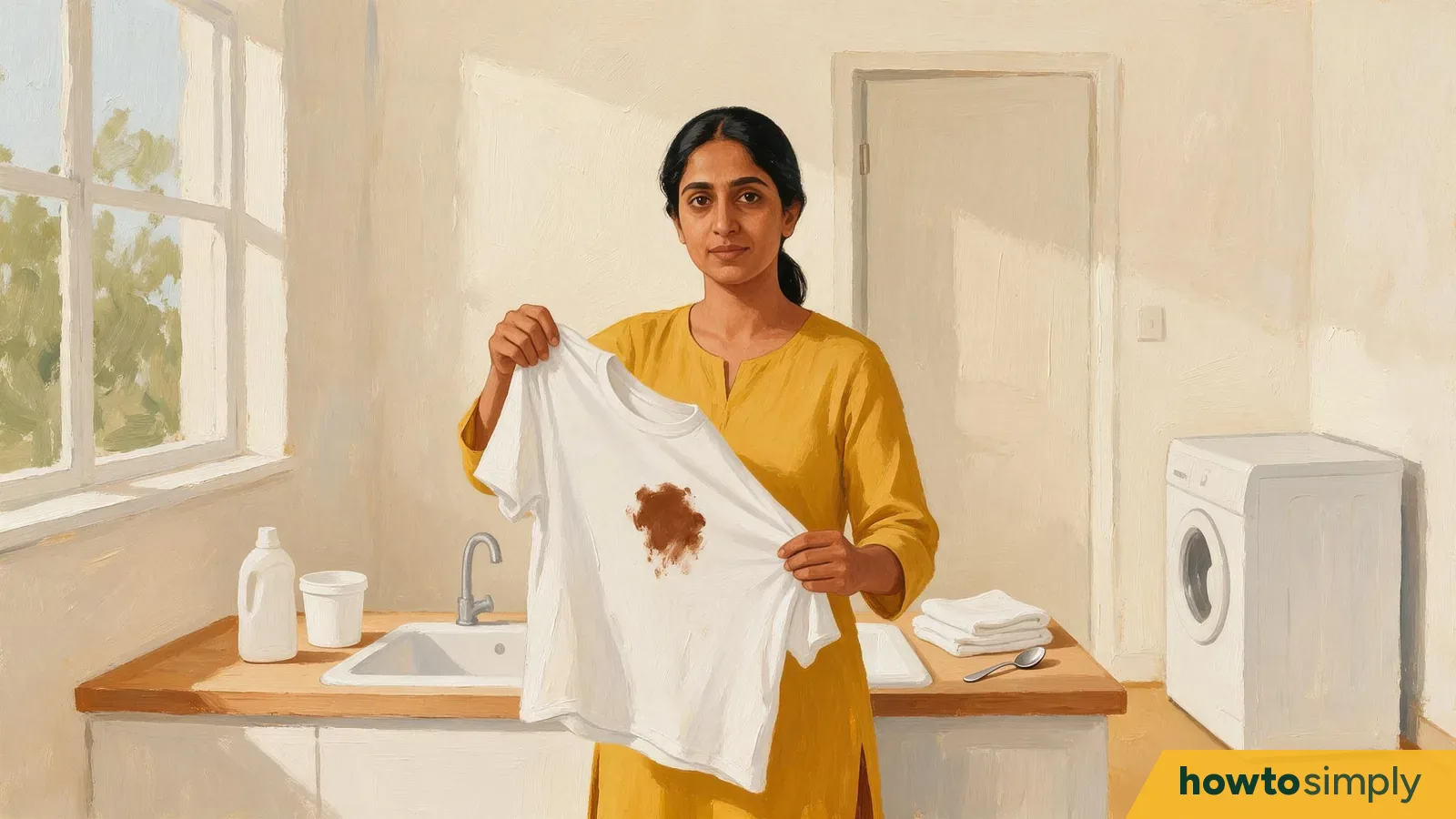
Welcome to how to simply. Who hasn’t experienced chocolate ending up precisely where everyone can view it? Relax, let’s get rid of the hot water tap for now. Chocolate is a combination of grease and food; therefore, we treat the grease first, then the food. Follow these procedures to remove most stains from washable garments at home.
Before you begin
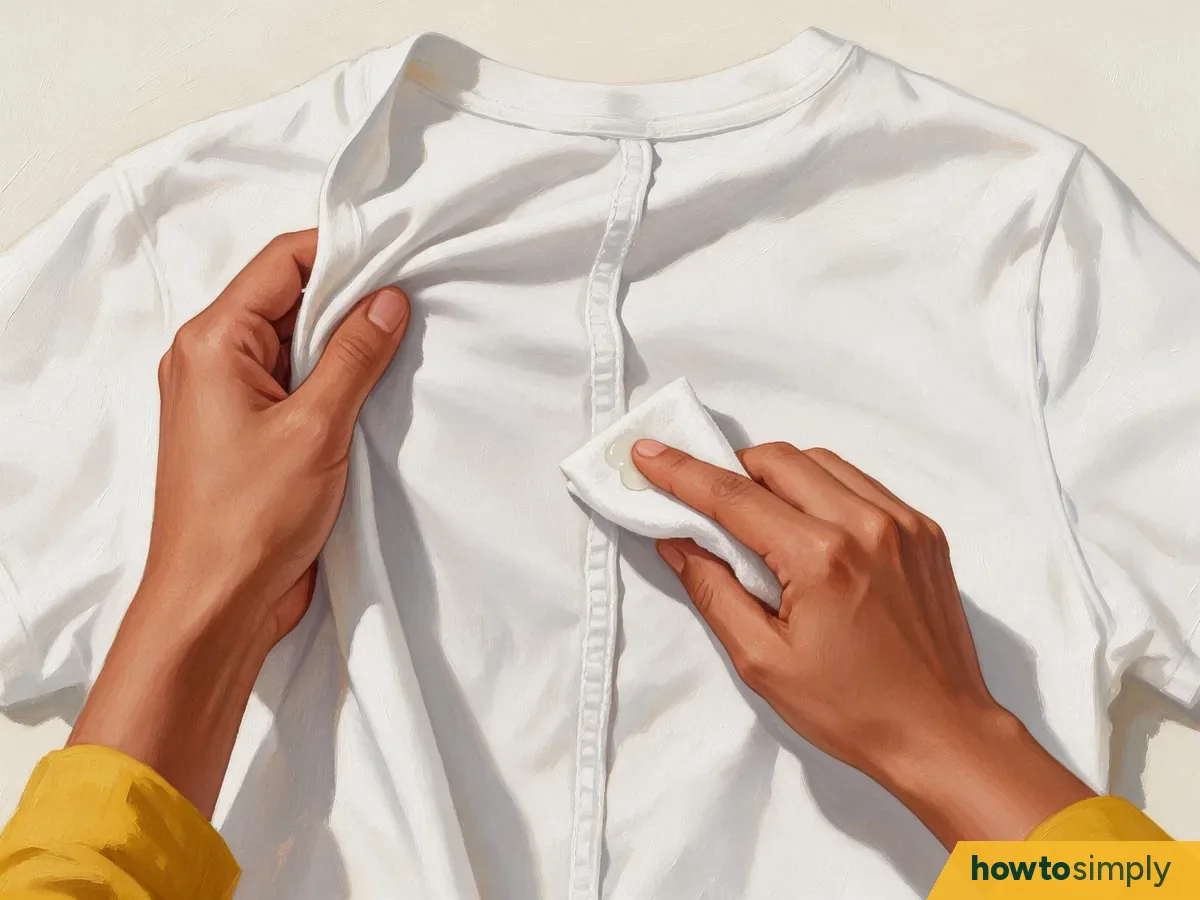
Review the garment tag before proceeding. If it states dry cleaning only, refer to “removing chocolate stains from Sofa fabric, carpet & dry cleaning only clothes” below. Test each product on a concealed area such as an interior seam. Apply a tiny amount of the product to a concealed area and gently rub it in with a white cloth. If dye transfers to the cloth, cease treatment and send the garment to a professional cleaner. Do not put the garment in the dryer until the stain is gone. You'll need a spoon or dull knife, white cloths or paper towels, liquid laundry detergent, an enzyme detergent (the packaging states "enzyme" or "protein stain remover"), and non-chlorine oxygen bleach to remove any remaining shadows.
Steps
Remove excess chocolate gently
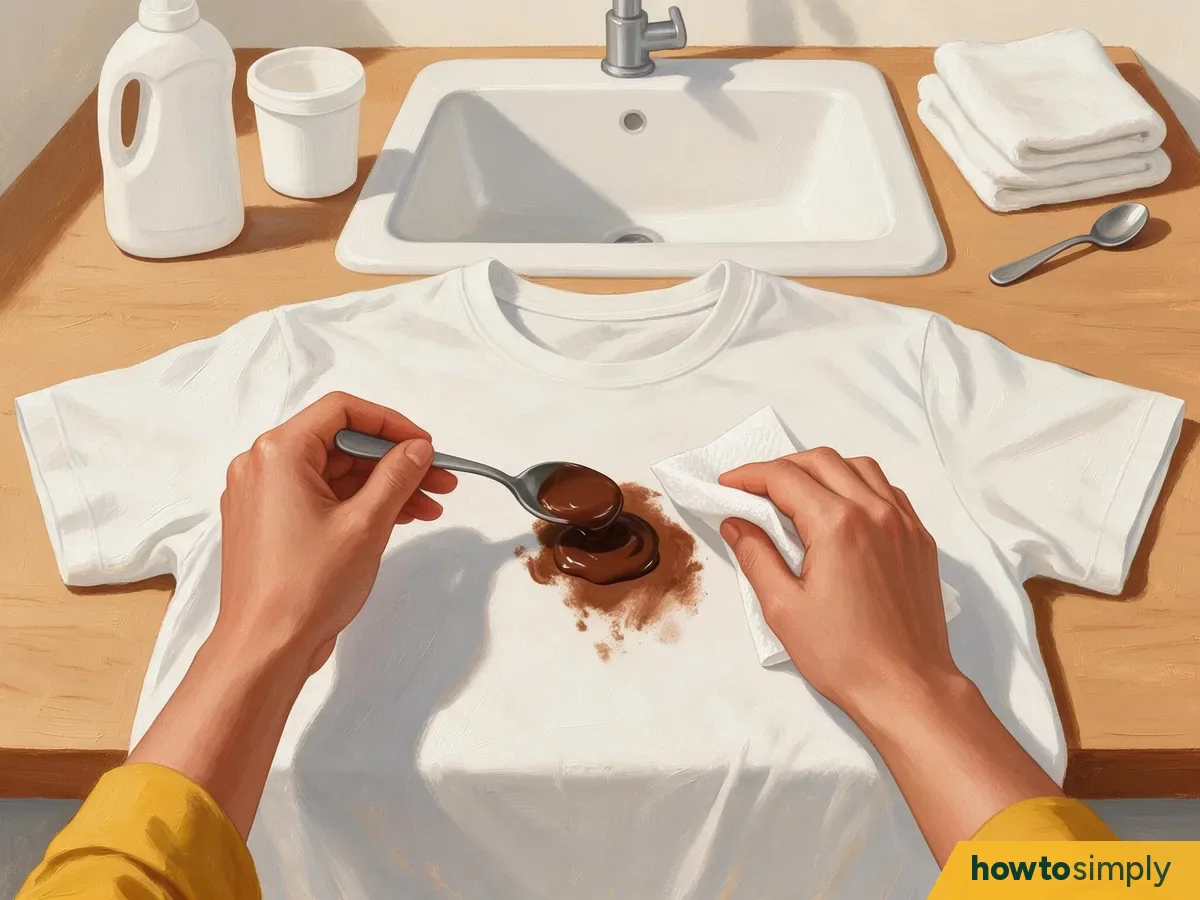
Illustration Use a spatula, spoon or flat knife to lift the excess chocolate away from the fabric carefully. Please refrain from pressing down since this forces it further into the fibers. If the chocolate has melted, blot it with a white paper towel. Always blot instead of rubbing, as rubbing expands the stain.
Flush the stain from the back using cold water.
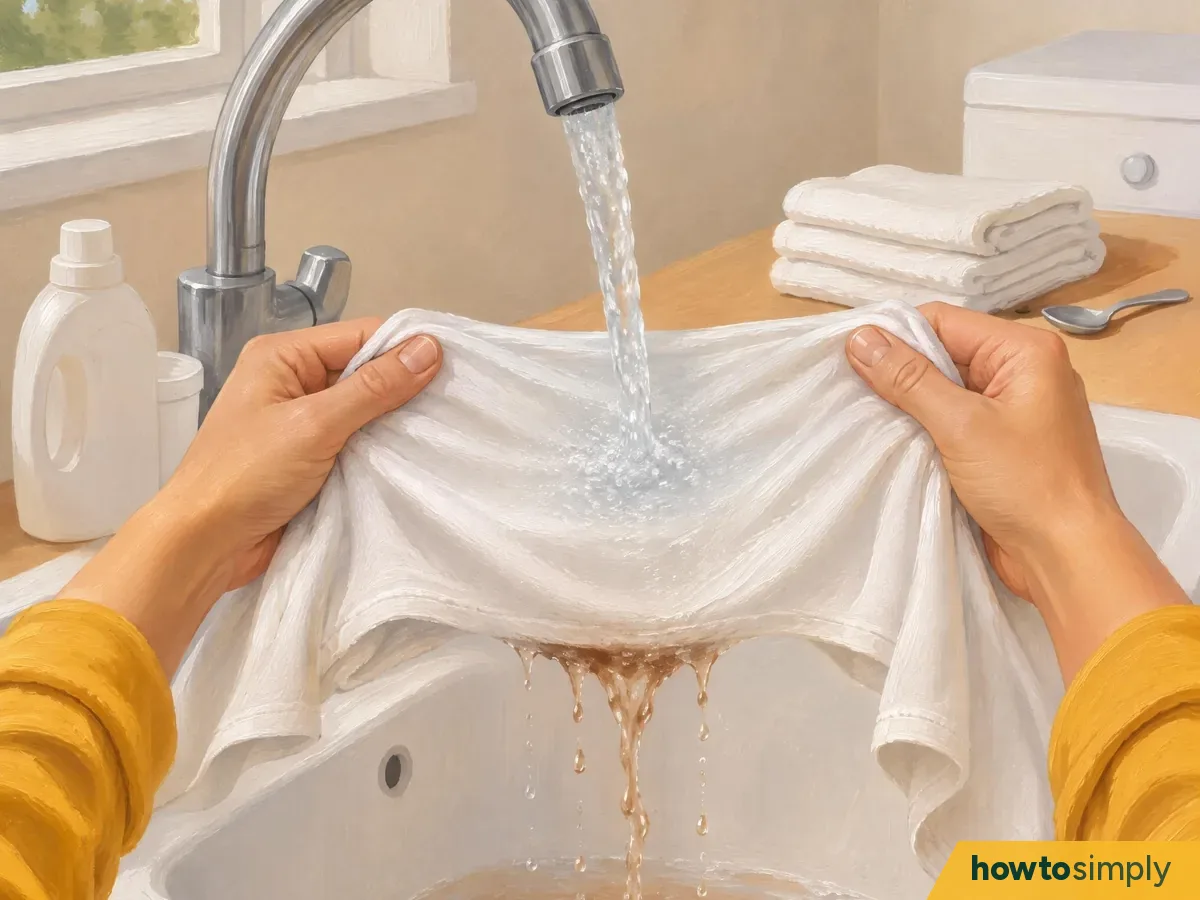
Illustration Flip the garment upside down and submerge the stained portion beneath a cold running faucet. This directs the water to push the chocolate out the way it entered the fabric. Use only cold water at this point, since applying hot water can set the stain.
Blend liquid detergent into the stain.
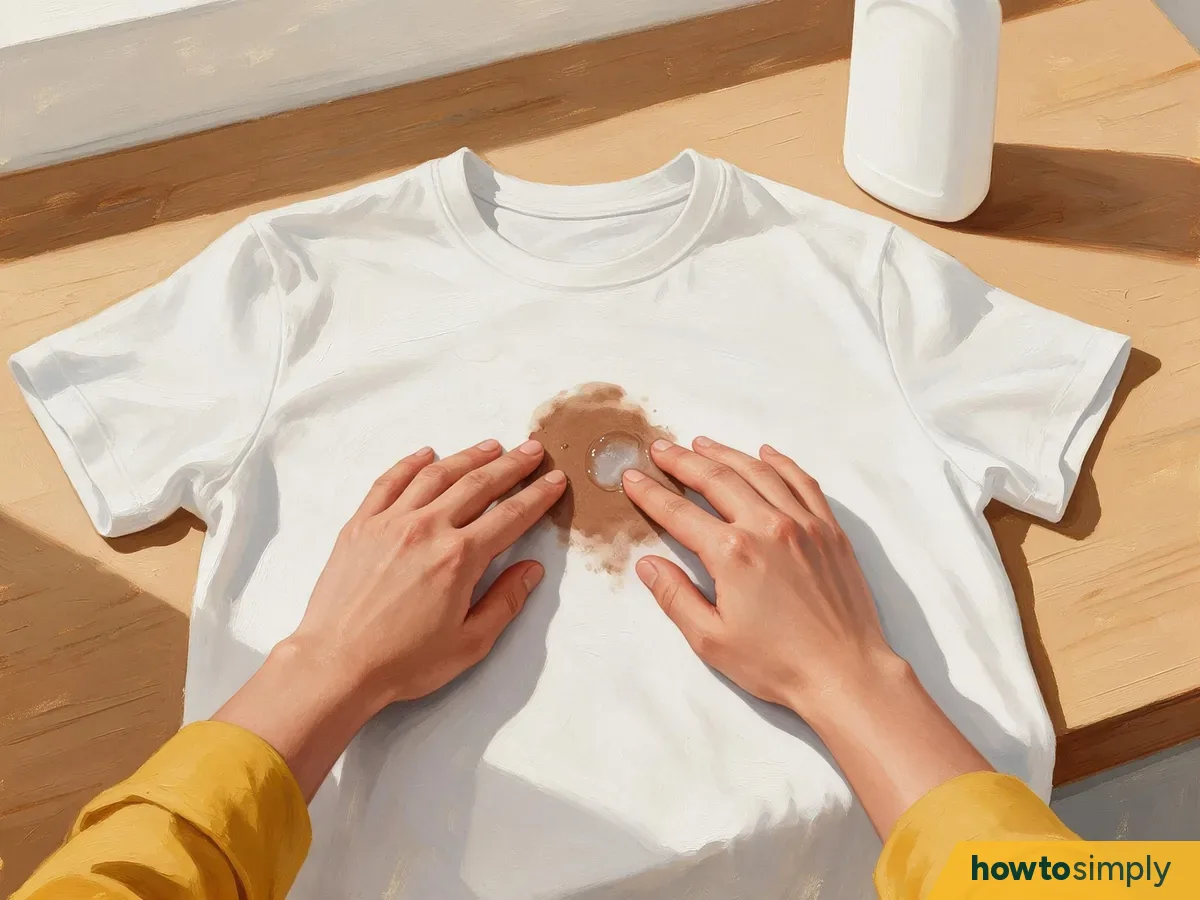
Illustration Apply some liquid laundry detergent or pre-wash stain remover directly to the stain. Gently massage with your fingertips, rinse your hands, and continue. This breaks down the oily component of the chocolate, which cannot be washed out with water alone.
Soak the stain in enzyme detergent.
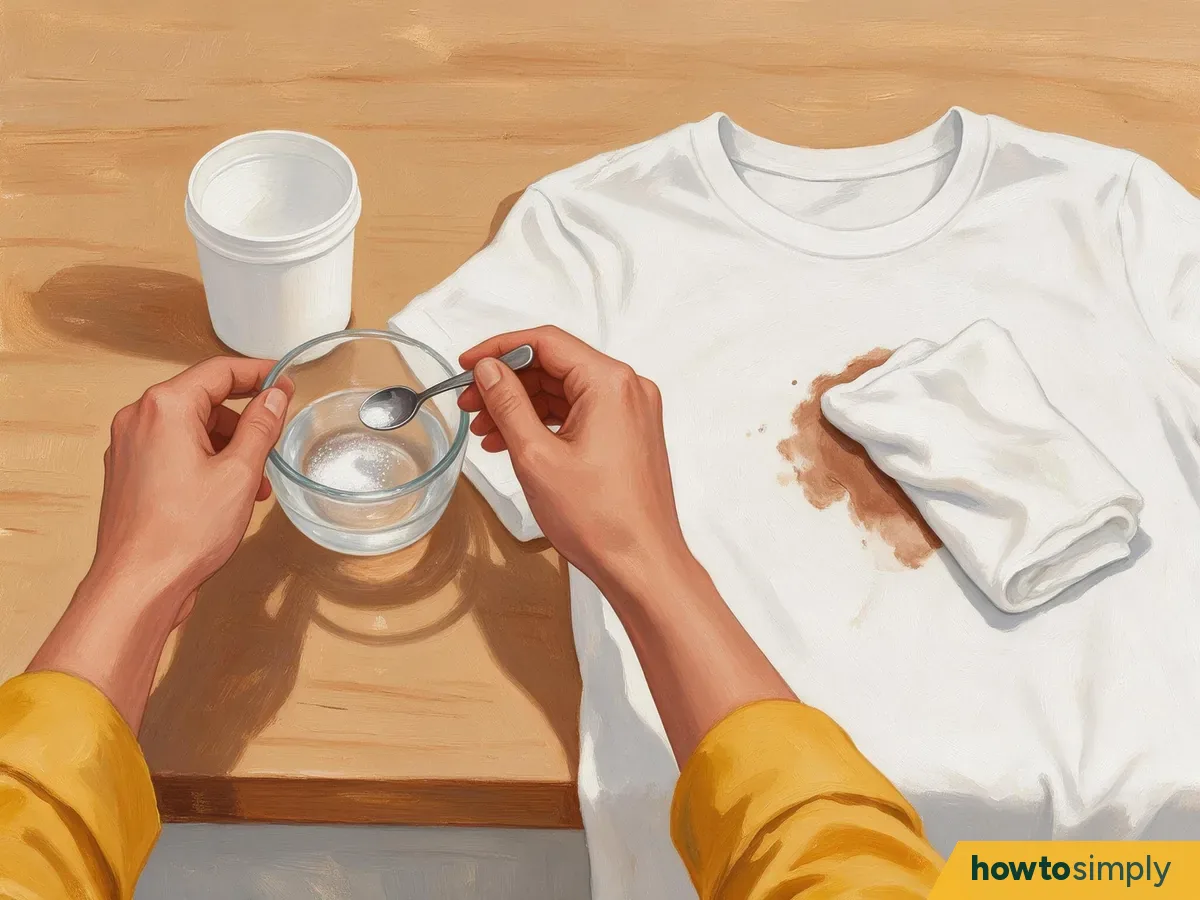
Illustration Mix half a teaspoon of enzyme detergent into half a cup of warm water for a small spot. Place a cloth saturated with this mixture over the stain for about thirty minutes. For larger spots, soak the entire garment according to manufacturer instructions. The enzymes will break down the stain's organic material left behind by the soap. Before doing this, always check the garment label to confirm that it is safe to soak in warm water.
Wash it at the warmest temperature allowed by the label
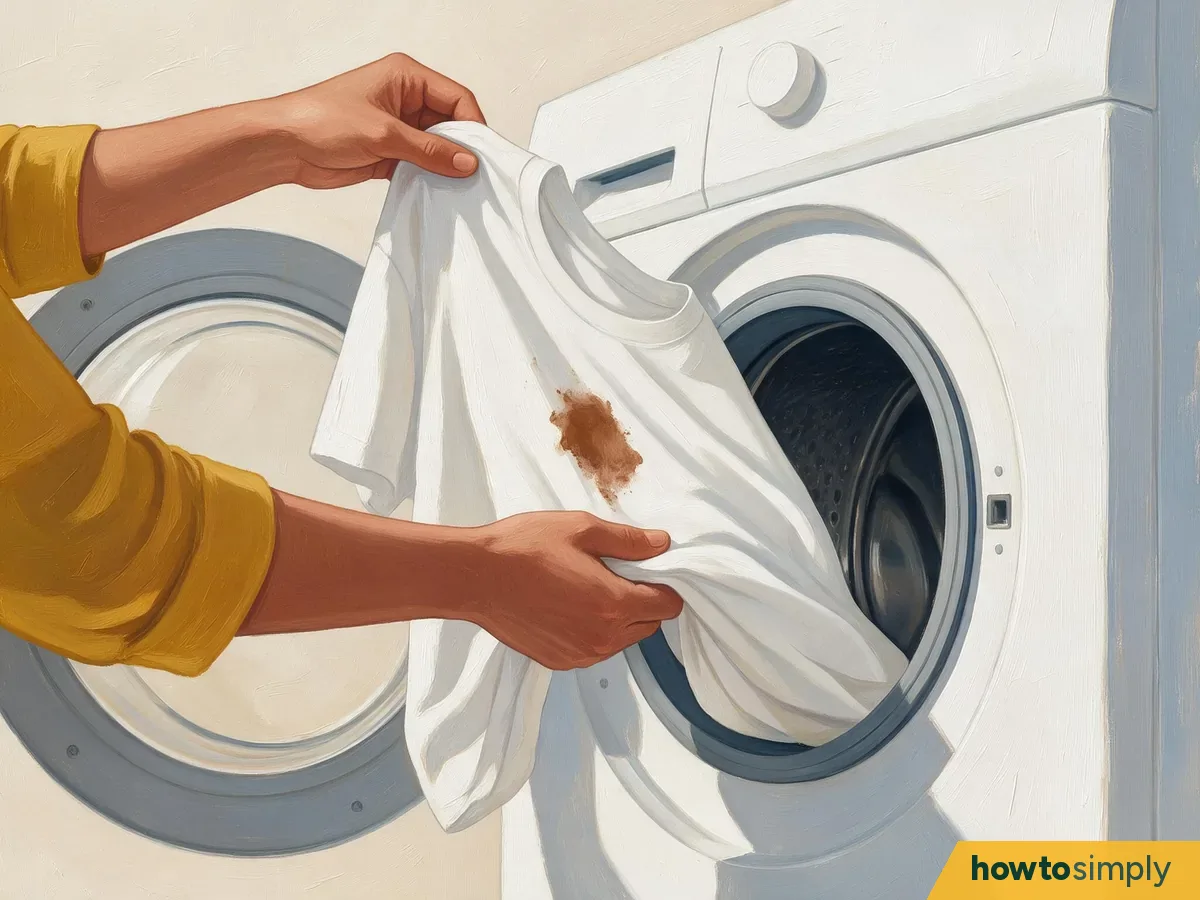
Illustration Place the garment in the washing machine with regular soap. Wash at the highest temperature possible on the garment tag and no higher. Place delicates (wool, silk, etc.) on a low cycle, as indicated on their care tags.
Inspect spots before drying anything

Illustration Remove the garment from the washer while it is still moist and examine it for remnants of stain in daylight. If you still observe a faint shadow, proceed back to step 3 and repeat. Many stains must be treated multiple times. If unsure, air-dry rather than placing in the dryer.
Eliminate remaining shadows using oxygen bleach
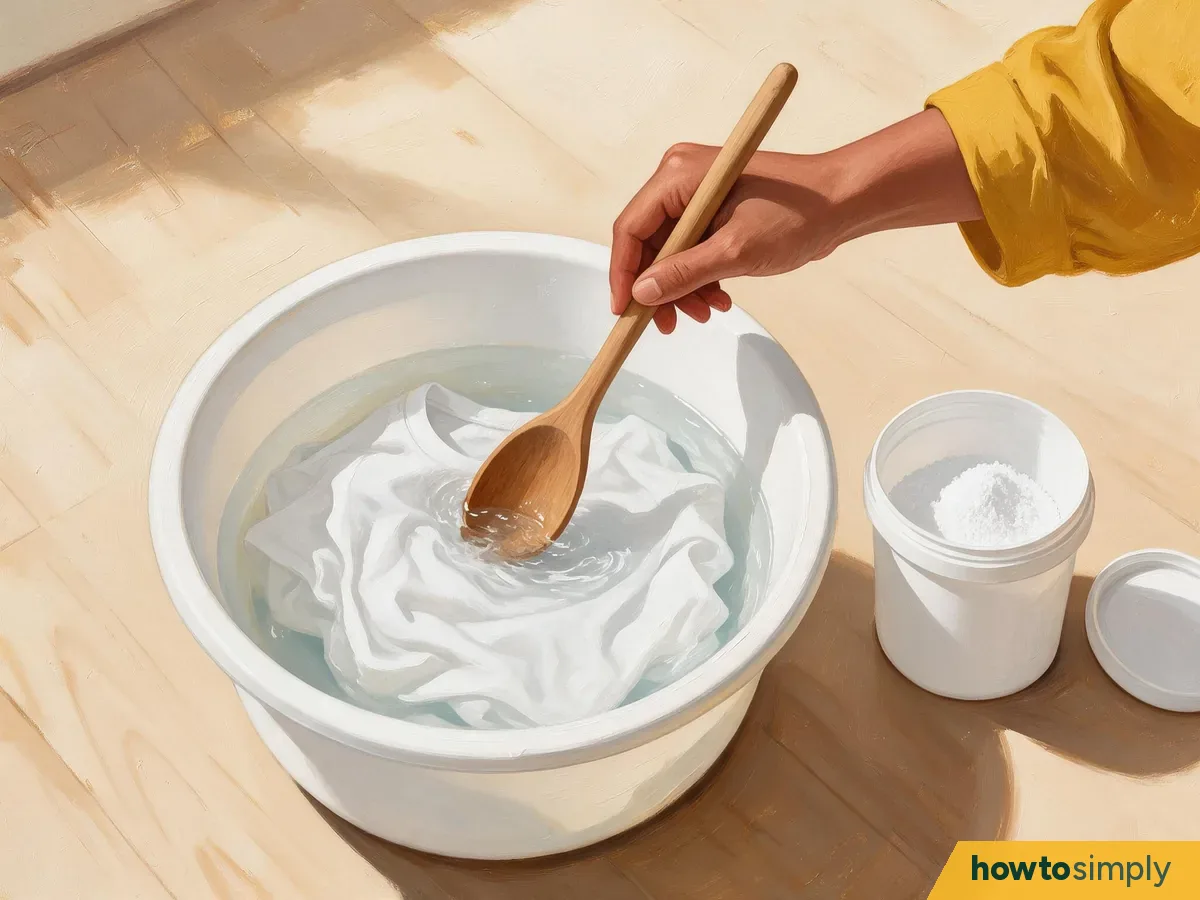
Illustration If a faint mark persists, wash again using oxygen (non-Chlorine) bleach and an enzyme presoak following manufacturer guidelines. To eliminate very resistant marks, soak the garment for one to two days and periodically stir the solution before washing again. Use chlorine bleach only on white or colorfast garments labeled accordingly, and never on wool, silk, or spandex.
What method for which item
| Clothing type | treat first | Avoid |
|---|---|---|
| Cotton, polyester blends (washable) | Steps 1–7 | warm water first; put garment in dryer until all traces of the stain are gone. |
| Delicate garments (wool, silk, spandex) | Steps 1–6 (using lowest temp allowed by care tag) | using Chlorine bleach |
| Garment that must be dry cleaned | remove extra chocolate, gently blot, then send to professional cleaner | testing at home without testing |
| Sofa fabric | mix mild soap & water (diluted), damp cloth, blot | submerging fabric in water |
| Carpet | dry-cleaning solvent on white cloth; dab carefully | do not pour solvent directly onto carpet. |
Frequent mistakes
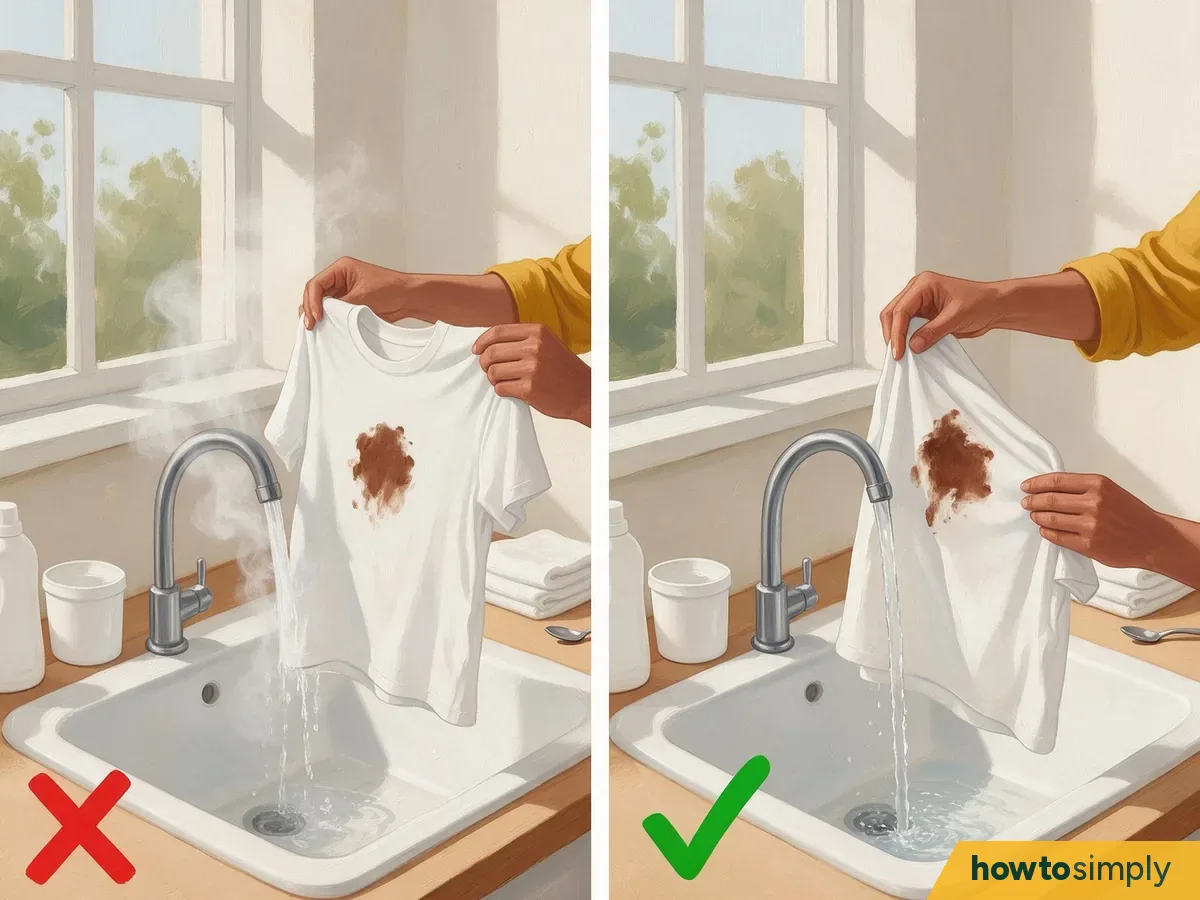
First, using hot water. Hot water can fix the stain. Use cold water initially, then warm or hot water only afterward, and only if permitted on the garment tag.
Hard rubbing. Hard rubbing causes chocolate to penetrate farther into the fiber and creates a larger stain—softly blot and lift.
Putting garments through dryer 'to see if gone'. The heat from the dryer can make the stain virtually unremovable. Check garment while still wet.
Applying Chlorine bleach to incorrect materials: never apply Chlorine bleach to wool, silk, or spandex materials.
Only treat the front of the garment. Treat from the rear of the garment so the stain exits through the same path it entered.
The stain did not completely disappear but faded.
Some stains fade but do not disappear entirely. Reapply Steps 3-6 as needed. Certain stains take longer to reactivate than others; patience is also necessary.
Heat-dried stains may never come out.
Once a stain passes through the dryer, it may be difficult if not impossible to remove entirely. Consider yourself fortunate if removal occurs partially.
A grease ring was left behind after treatment.
Add additional liquid detergent to the grease ring (step 3), then wash the garment again.
Color canceled during testing
Stop treatment at home immediately and bring garment to a professional cleaner.
Old stains are more difficult than new ones.
Older stains are often more challenging to remove than newer stains. Use the same procedures as for new stains, and anticipate repeated attempts.
Alternative methods for removing chocolate stains from Sofa fabric, carpet & dry-cleaning-only clothes
Dry-cleaning-only clothes: remove excess chocolate with a blade or cloth, blot gently, and deliver the garment to a professional cleaner, explaining that chocolate was used on the garment.
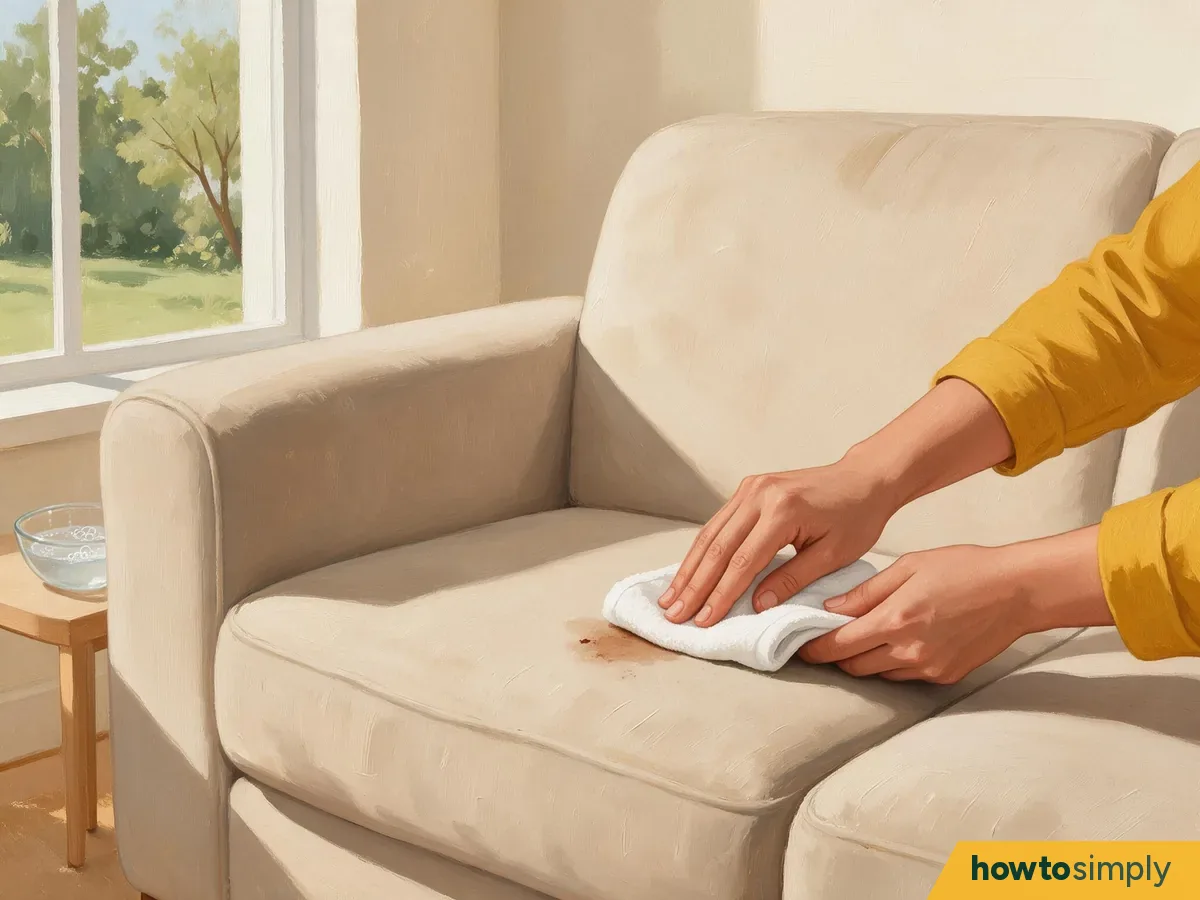
Sofa fabric: carefully remove excess chocolate without forcing it into the sofa fabric. Combine 1 tsp mild detergent with 1 cup lukewarm water; saturate a white cloth with this solution & gently blot the stained area with the same cloth. Saturate the area with clean water; blot with a clean cloth until most of the moisture is removed. Avoid soaking fabric, as excessive moisture can create a ring around the stain.
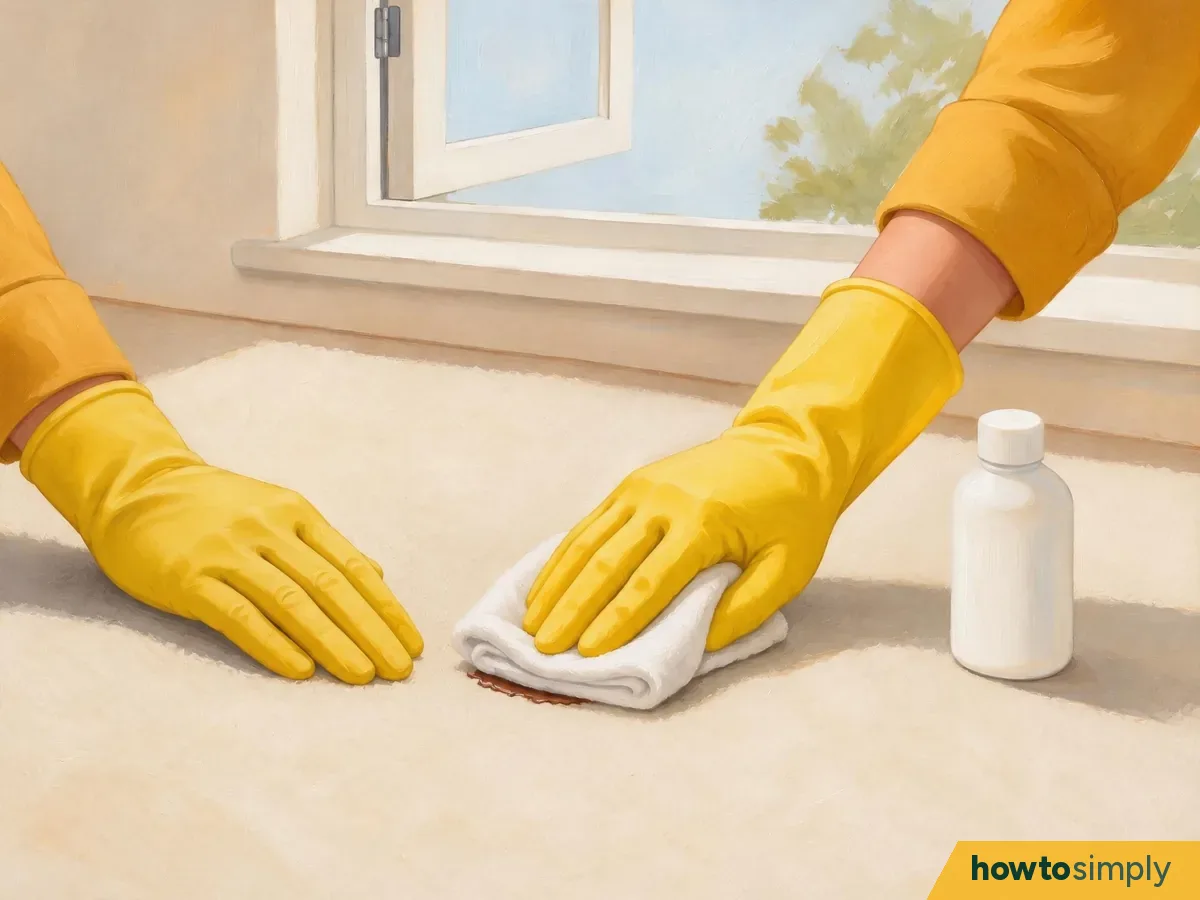
Carpet: wet a white cloth with dry-cleaning solvent & Dab at the stain repeatedly, switching to clean parts of the cloth as chocolate residue is removed. Never pour solvent directly on carpet as it can dissolve adhesive on back side. If shade remains after solvent has been applied, apply a minimal amount of laundry pre-treatment; blot the area with a clean cloth; blot with a clean cloth until most moisture is removed; open windows; wear rubber gloves; keep flames away from solutions when working with solvents.
About this article
- Written by
- howtosimply staff
- Pictures
- 12 illustrations drawn for this article, each marked Illustration (drawings, not photos).
Did this solve the problem?
What needs work?
What did you think?
Reaction counts are loading.