Quiz · 5 questions · about 3 min
Sorry seems to be the hardest word: what the research says
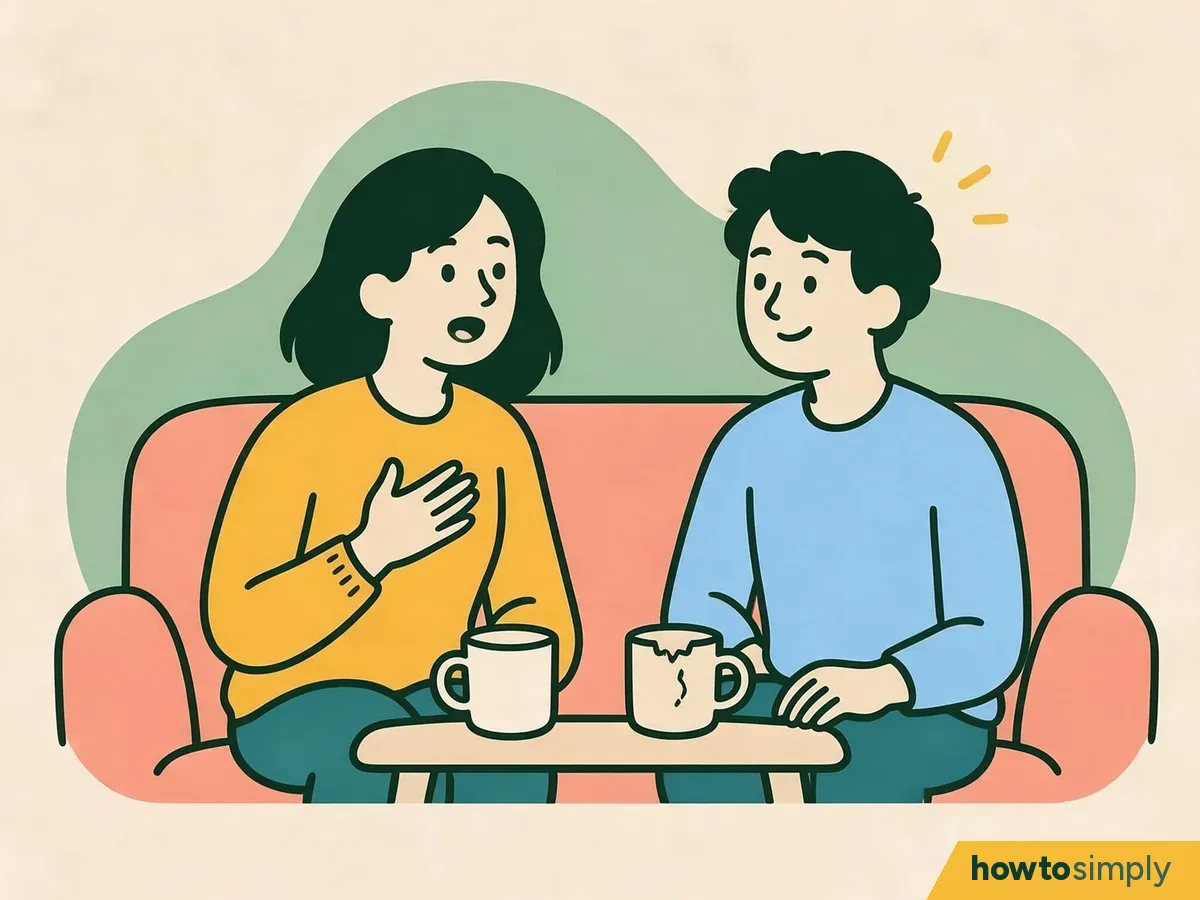
Five questions on apologising, from a 2016 Ohio State study of 755 people and other research cited on our page. The rankings are the researchers'; the examples on our page are ours.
Fun with friends? Share it:WhatsApp
All the questions
- In the 2016 Ohio State study, which part of an apology mattered most?
- Saying "I'm sorry"
- Taking responsibility: "It was my fault"
- Asking for forgiveness
- Explaining why it happened
- Which part came second?
- Offering to put it right
- Saying it won't happen again
- Asking for forgiveness
- Giving a long explanation
- And which part mattered least?
- Taking responsibility
- Saying sorry
- Asking for forgiveness
- Offering to repair
- Two 2005 studies by Frantz and Bennigson looked at timing. Which apologies did they favour?
- Immediate ones, before the other person speaks
- Later ones, once the hurt person felt heard
- Written ones only
- None: timing made no difference
- A 2011 study compared Japan and the US. What did it find?
- Apologies mean the same everywhere
- Japanese participants apologised more often, even for things they had no part in
- Americans apologised more often
- Nobody in either country apologised
More quizzes
 Life & family
Am I Gay?
16 questions · about 4 min Life & family
Am I Trans or Non-Binary?
16 questions · about 4 min Life & family
Is My Relationship Healthy?
16 questions · about 4 min Life & family
Am I Bisexual?
16 questions · about 4 min Life & family
Am I Asexual?
16 questions · about 4 min Kitchen & cleaning
Kitchen and home myths: fact or fiction?
7 questions · about 4 minLearn more: 3 tips
- Listen first: ask what upset them and let them finish before you start on your side of it (our suggestion, based on Frantz and Bennigson). Source: Florida Institute of Technology, Psychology Science Minute: #349 Apologies and Timing (on Frantz and Bennigson, 2005)
- Across 175 studies, getting an apology was one of the factors most closely linked with forgiveness, but it is not a switch (Fehr, Gelfand and Nag, 2010). Source: Fehr, Gelfand and Nag (2010): The Road to Forgiveness: A Meta-Analytic Synthesis of Its Situational and Dispositional Correlates, Psychological Bulletin 136(5) (PDF)
- Be specific about how you'll put it right and when: "I'll replace it this weekend" (our suggestion, from the Ohio State ranking). Source: Ohio State University News: The 6 elements of an effective apology, according to science (2016)
You might also like



Sources
Every answer comes from our own pages and the sources they cite:
- Ohio State University News: The 6 elements of an effective apology, according to science (2016)
- Florida Institute of Technology, Psychology Science Minute: #349 Apologies and Timing (on Frantz and Bennigson, 2005)
- Maddux, Kim, Okumura and Brett (2011): Cultural differences in the function and meaning of apologies, International Negotiation 16 (PDF)
- Fehr, Gelfand and Nag (2010): The Road to Forgiveness: A Meta-Analytic Synthesis of Its Situational and Dispositional Correlates, Psychological Bulletin 136(5) (PDF)
Did you enjoy this quiz?