How to start a vegetable garden?
By howtosimply staff3 min read
Last updated: 14 November 2026References
 Illustration
In short
I advise starting small, with one small bed or two large pots.
At a glance
Hi, I welcome you to HowToSimply. I hope you are in good health as you read this.
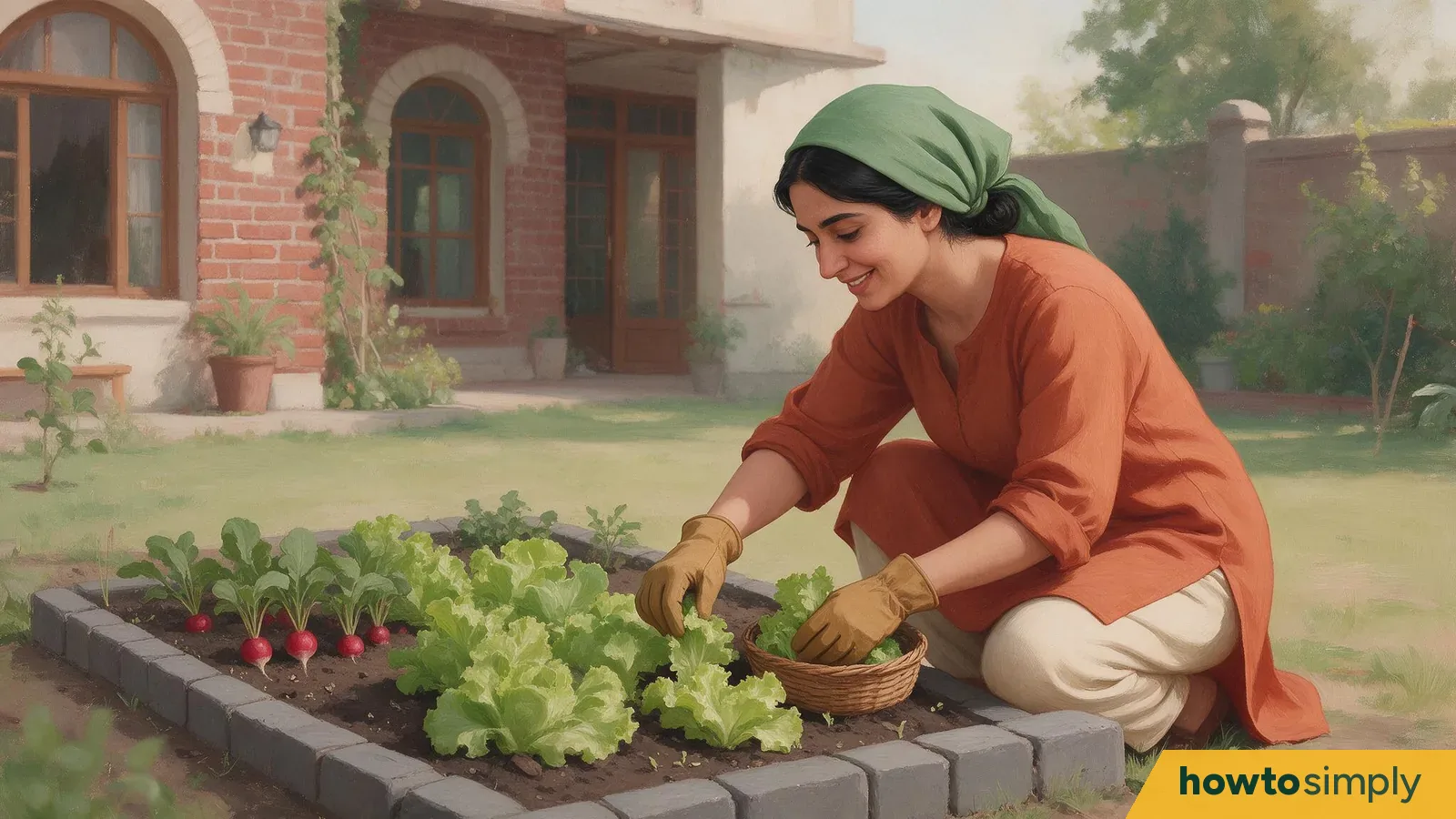
Let's dive into how to start a vegetable garden of your own. I advise starting small, with one small bed or two large pots. Start with three vegetables you love most; radishes and loose-leaf lettuce are best in cool weather. They take up little space, and you can pick a few lettuce leaves every morning while the rest of your vegetable garden grows.
First, find the right spot
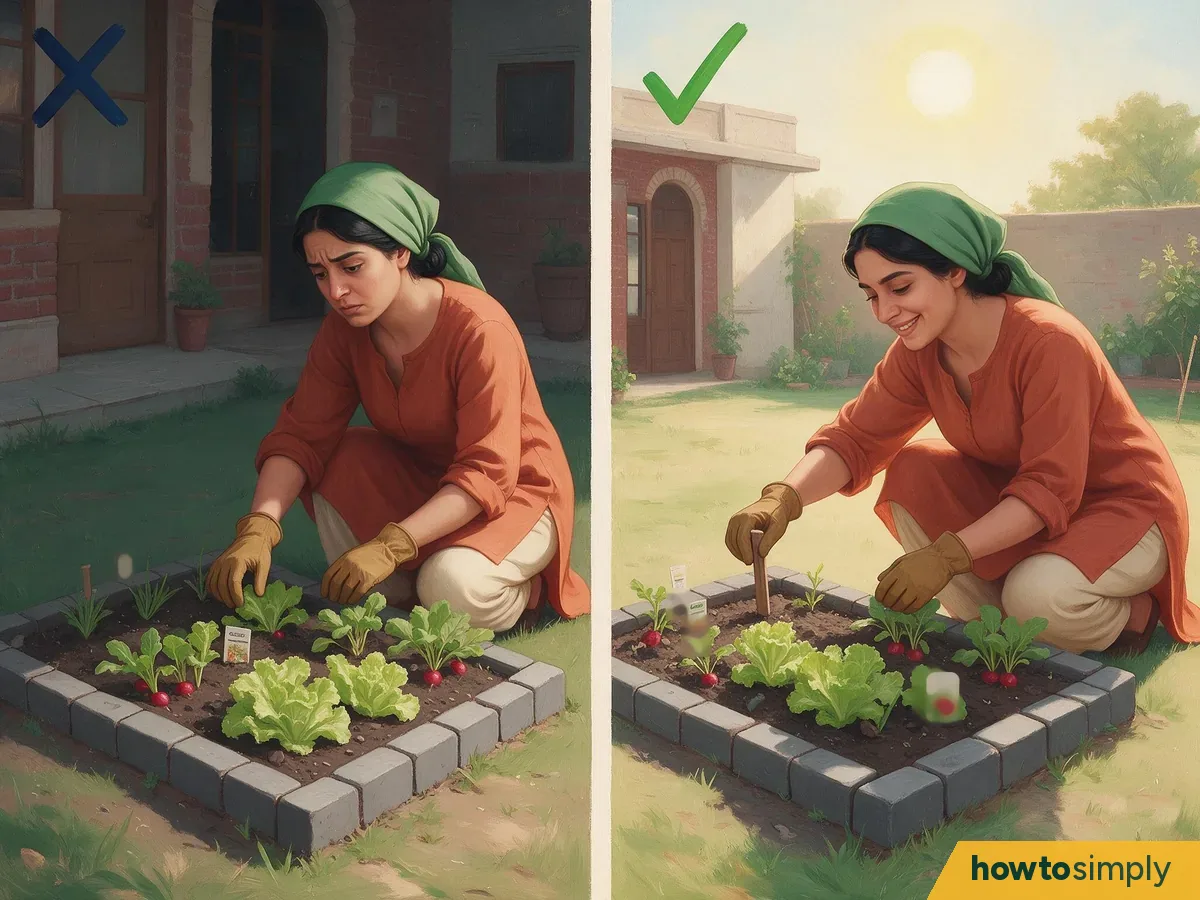
Illustration Make sure you have sunlight at the spot where you are planning your garden. It is not only in the morning; it should stay in the sun even at midday and into the afternoon. For tomatoes, farmers suggest having them in sunlight for most of the day. If you have afternoon shade, grow loose-leaf lettuce; it will thrive in these conditions.
Ready the growing space
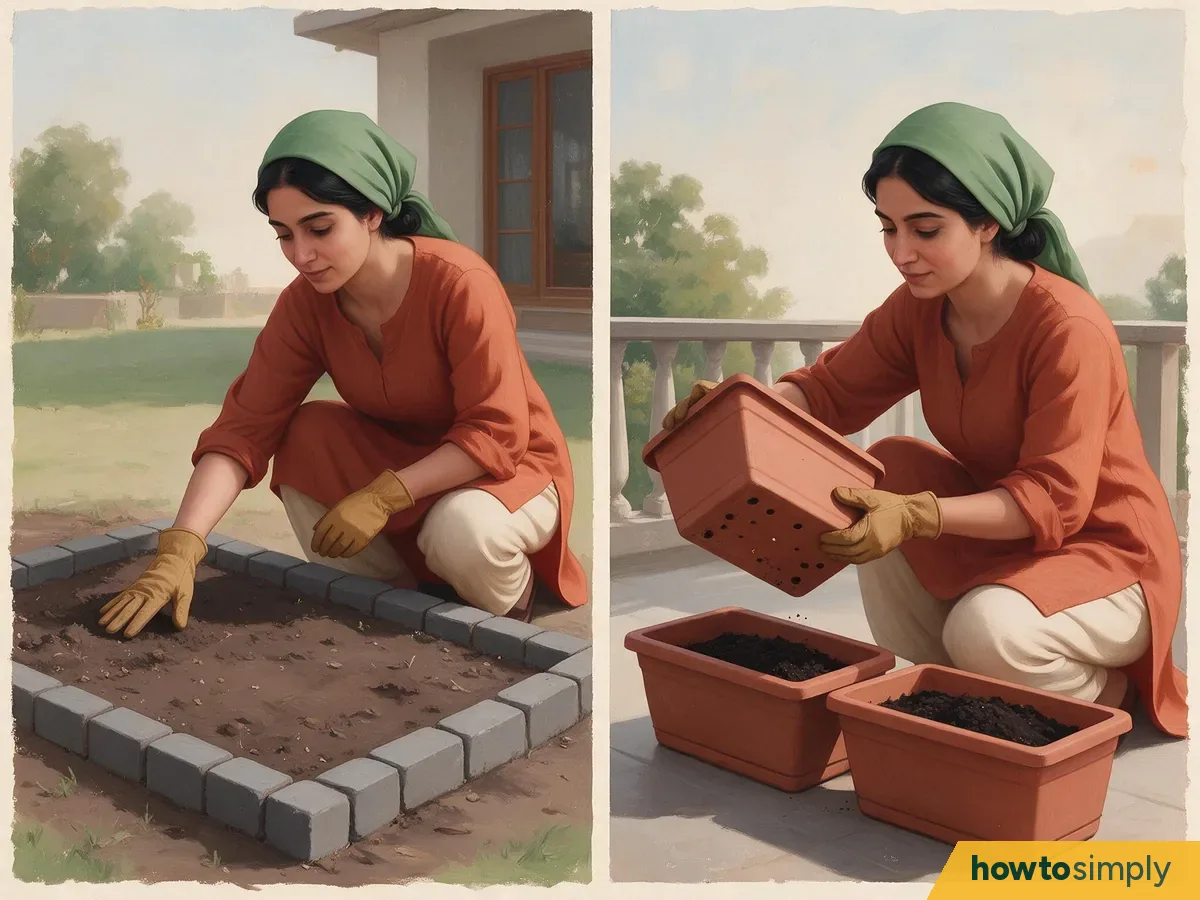
Illustration In your yard, mark out a bed approximately 1 square meter so you can easily reach the middle. If you are planning to have your garden on a balcony, two planters about 20 centimeters deep will be enough for radishes and lettuce. Always make sure the pots or containers have holes in the bottom so excess water can escape.
Work on the soil
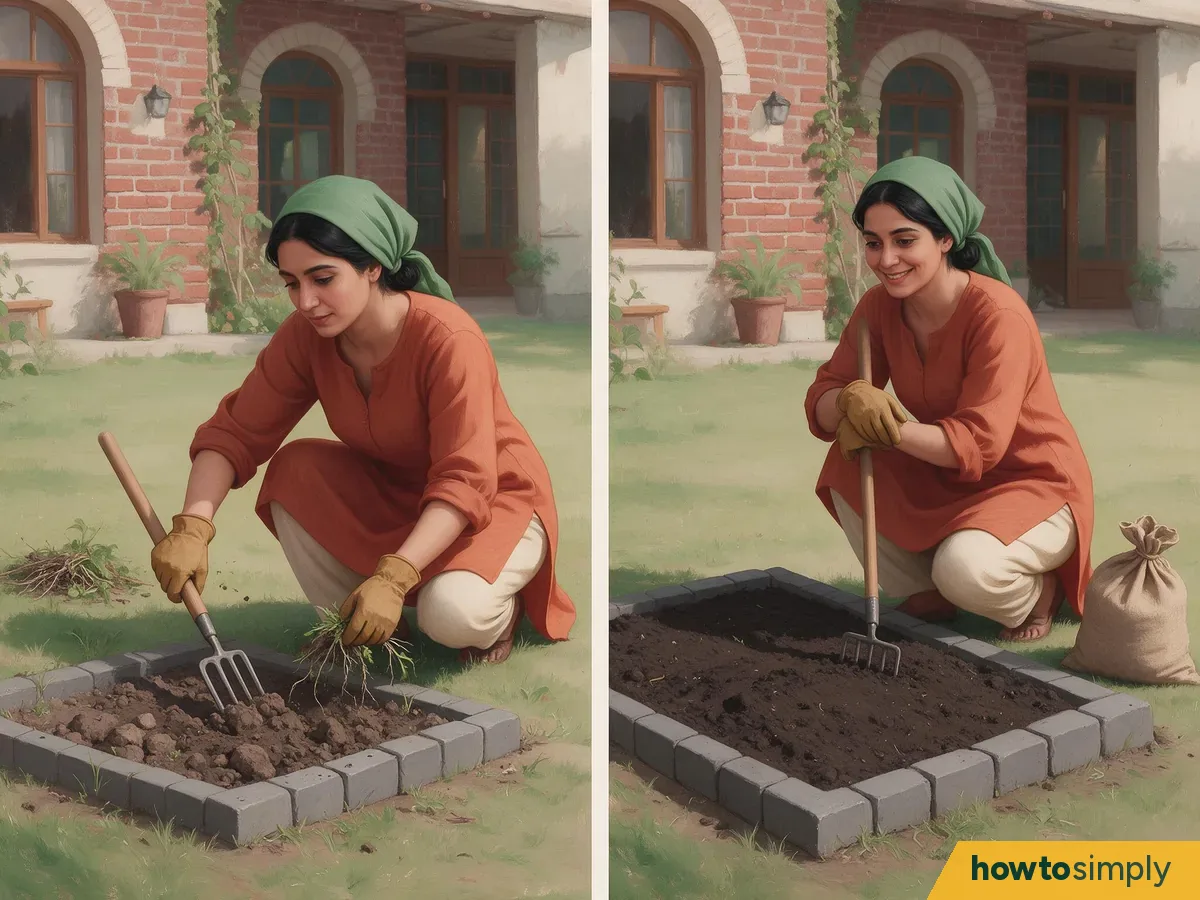
Illustration Make sure you don’t have weeds, or their roots, in your garden bed. Loosen compacted patches with a fork, then rake the surface smooth. Supermarkets have potting mix soil available for containers; buy more than you need, as you will need it from time to time. If wet soil sticks to your tools, let it dry first.
Choose vegetables according to season
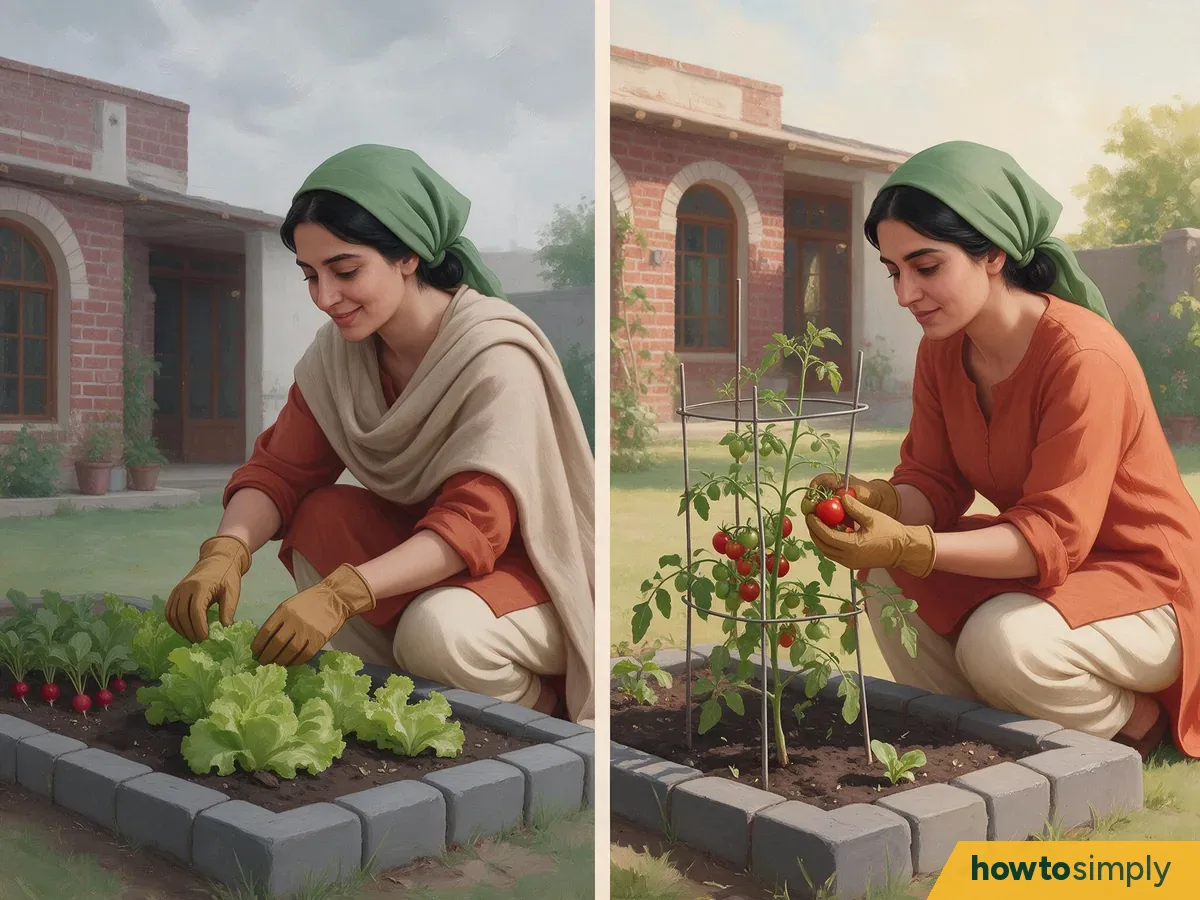
Illustration If you have cool, mild weather, lettuce and radishes will suit well. If you live in a warm-weather area, try young cherry tomatoes, as they thrive in warm weather. It is best to build a cage around the bed when you plant cherry tomatoes, and make sure the local frost risk has passed before planting them.
The first batch should always be small.
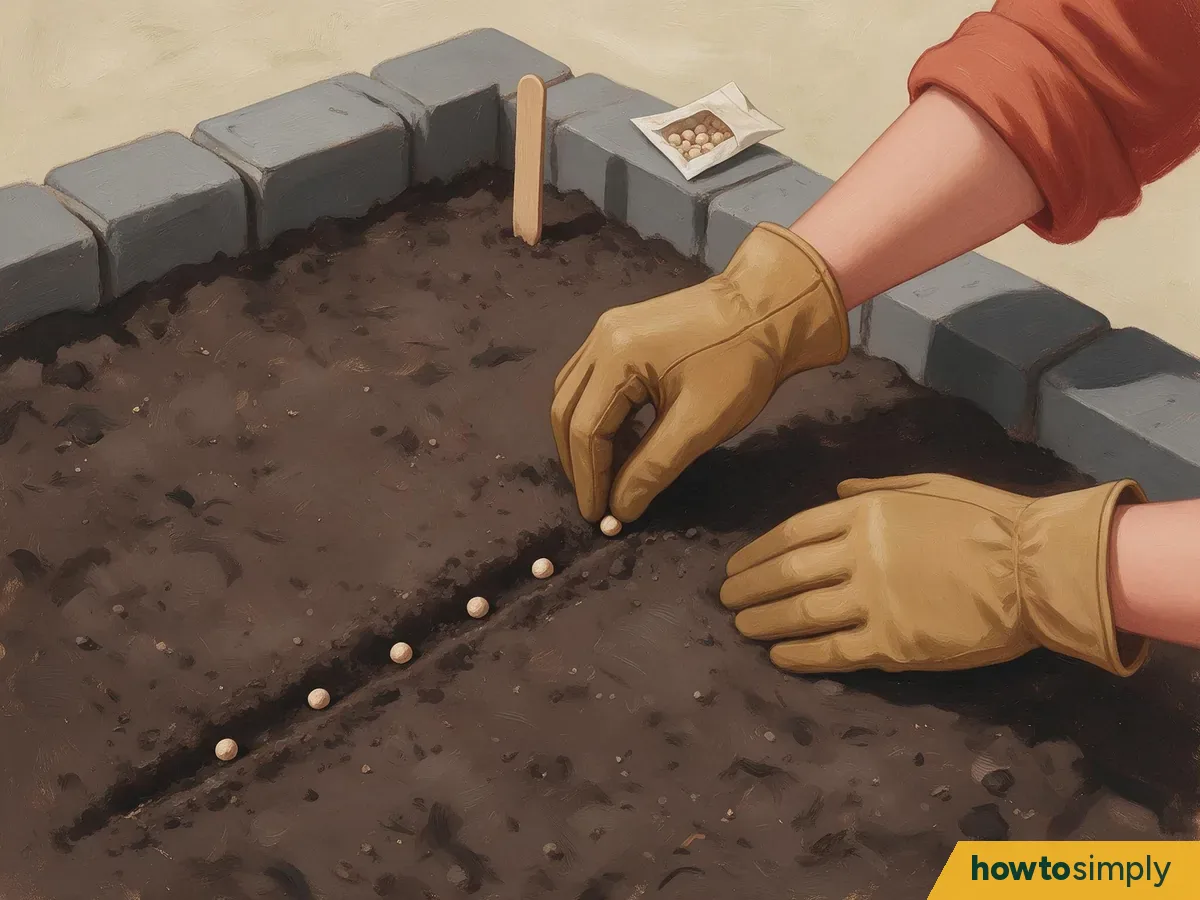
Illustration If you are planning to grow round salad radishes, prepare a shallow groove approximately 1 cm deep and drop seeds at least 3.5 centimeters apart. I advise you to always read the spacing on your seed packet. Label each crop with its planting date and name. Be very gentle when watering for the first time. Don’t use all the seeds at once; sow half of them, and if you have good results, sow the rest weeks later.
Check the garden regularly.
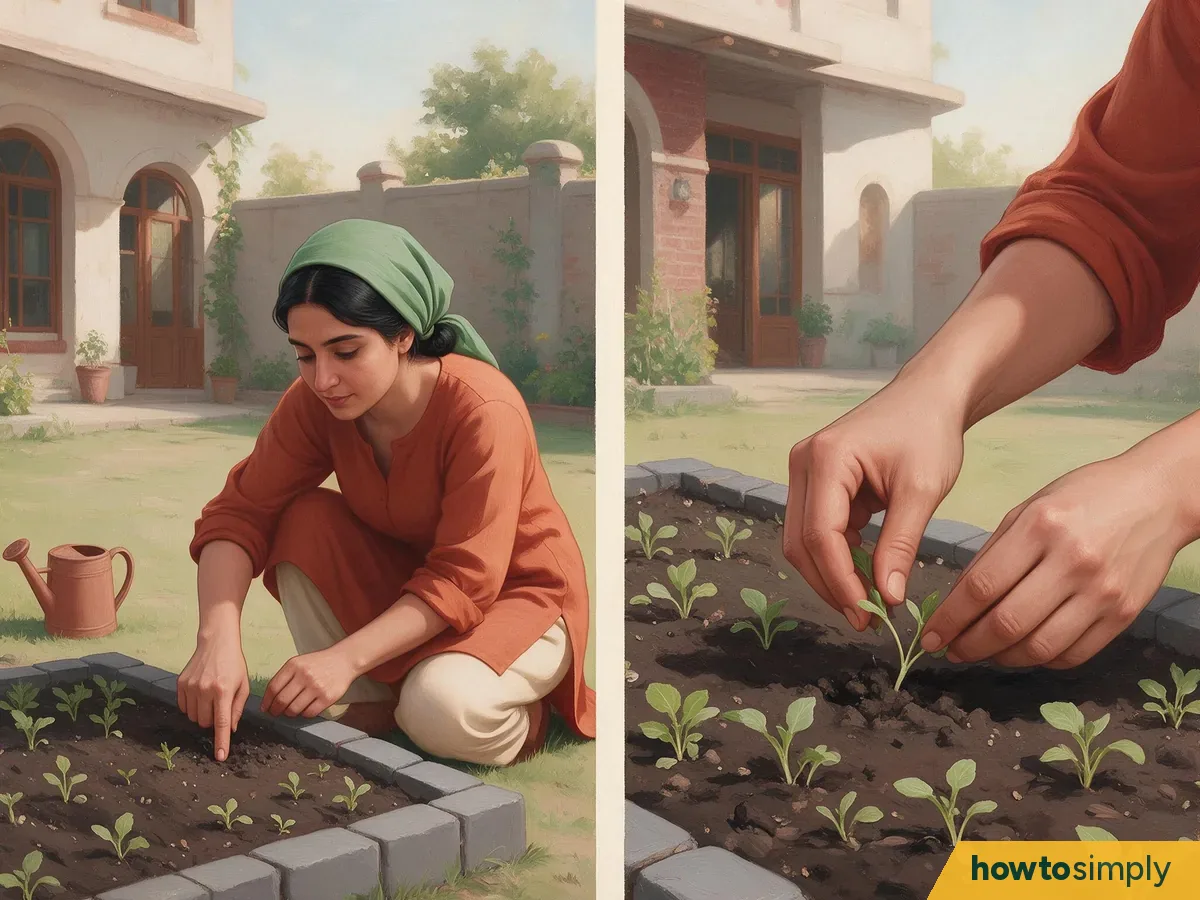
Illustration Make sure you keep the surface always moist when the seeds are sprouting. Don’t water carelessly while the plants grow; feel the soil: if it is still damp beneath the surface, there is no need to water. Don’t allow weeds to grow near the plants. If, by mistake, some seedlings are growing too close together, remove the weaker ones so the stronger ones have more room and a better chance to grow.
Don’t harvest everything.
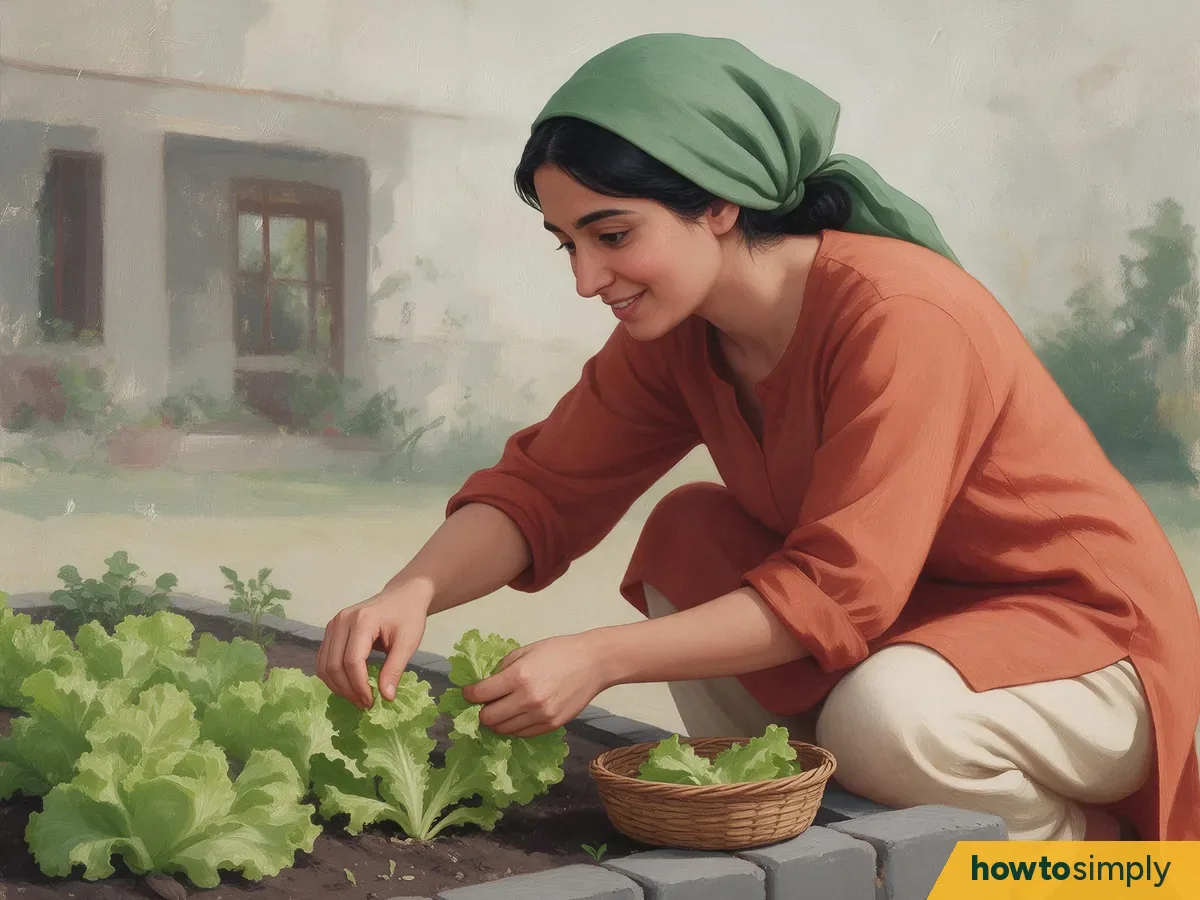
Illustration If you are growing lettuce leaves, pick the leaves but leave the center growing. Depending on the weather, your first harvest will take four to eight weeks anyway, so if you waited that long, wait a little longer to let the garden mature.
Add compost or balanced fertilizer
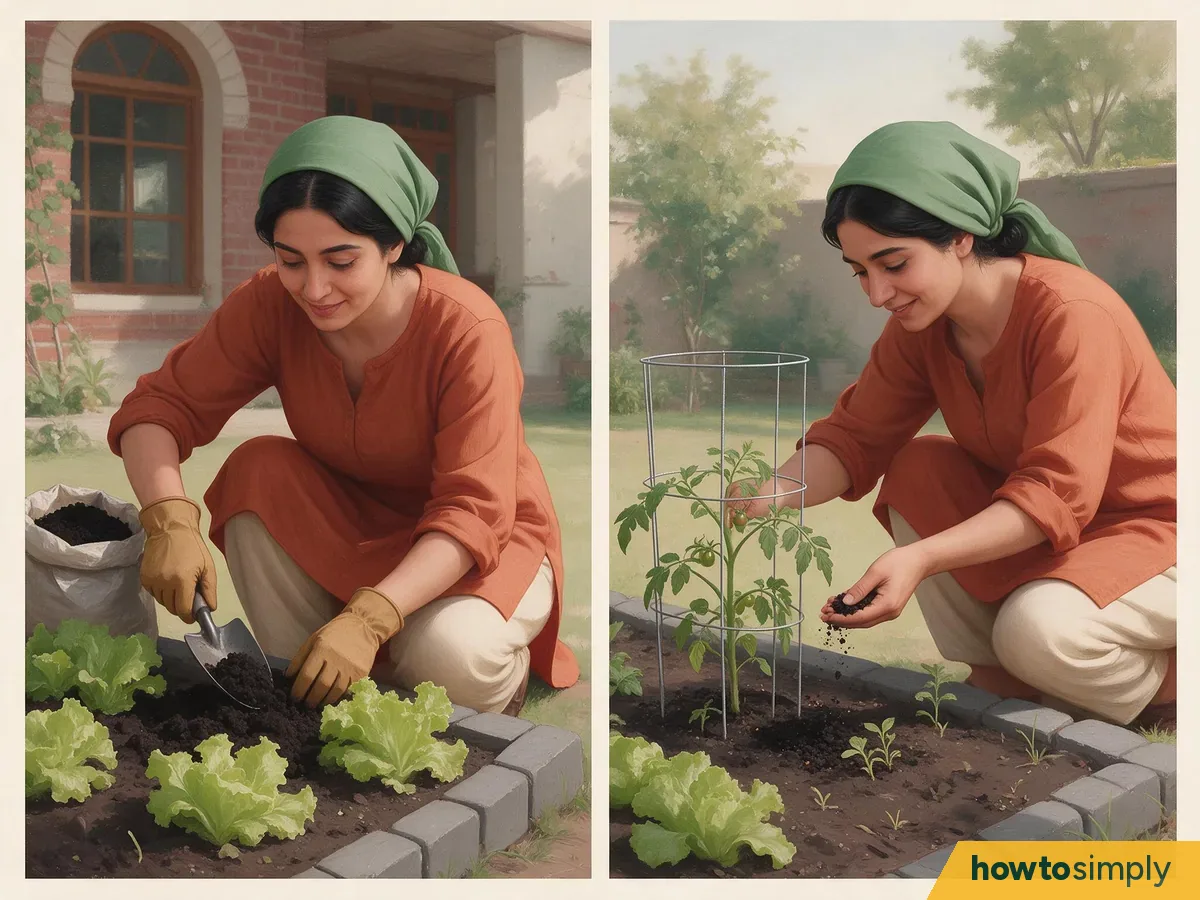
Illustration Peat-free garden compost works best for containers; however, if you have in-ground beds, bagged garden compost works best. If you are looking for the cheapest bulk option, green-waste compost from a municipal composting site is the best choice. For extra feeding, like vegetables such as tomatoes, worm castings are the best option.
Avoid Fresh manure.
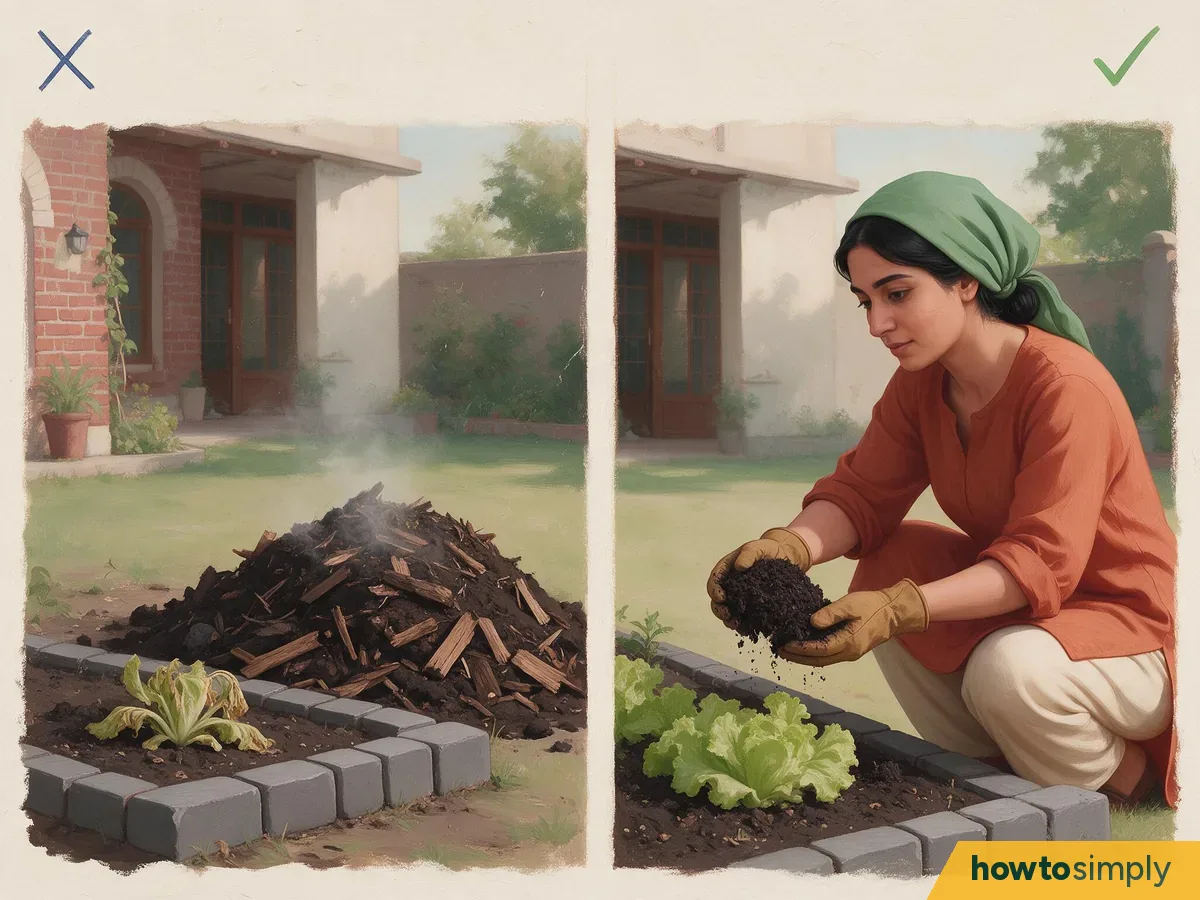
Illustration Fresh manure burns the roots, and some sellers also sell undecomposed wood chunks mixed in manure; please avoid that since it pulls nitrogen out of the soil and will harm your crop.
If you like this article, please give us a like or follow us on our social media platforms. Since we don't use AI to create our articles, your support will greatly encourage our authors.
About this article
- Written by
- howtosimply staff
- Pictures
- 10 illustrations drawn for this article, each marked Illustration (drawings, not photos).
Did this solve the problem?
What needs work?
What did you think?
Reaction counts are loading.
Sources
We use primary, official and specialist sources appropriate to the topic.